Bristol has a strong and varied coffee-shop culture built around independent cafés, speciality coffee, local roasters, bakery cafés, market venues and waterfront locations. The city combines established coffee businesses with newer speciality operators, giving visitors and residents access to espresso, filter coffee, single-origin beans, locally roasted blends, pastries, breakfast and lunch.
- What makes Bristol’s coffee-shop scene distinctive?
- Which coffee shops are best for speciality coffee in Bristol?
- Where can visitors find the best coffee in Bristol city centre?
- Which Bristol coffee shops are best near the Harbourside?
- Which coffee shops are best for locally roasted coffee?
- Which Bristol coffee shops are best for coffee and breakfast?
- Which coffee shops are best for students and remote workers?
- Which Bristol coffee shops are best for neighbourhood café experiences?
- Which Bristol coffee shops are best for families and park visits?
- How should visitors choose between Bristol coffee shops?
- How has Bristol’s coffee culture developed?
- What coffee trends are shaping Bristol’s future?
- What is the best way to explore Bristol’s coffee shops?
Visit Bristol identifies speciality coffee destinations including Full Court Press, Small Street Espresso, Dareshack and Spicer+Cole, while also highlighting Bristol’s local coffee roasters and cafés across the city.
Bristol’s scale also supports a broad customer base. The city’s mid-2025 population is estimated at 495,300, and 68,800 students were registered at its two main universities during 2024/25. This creates demand for coffee shops serving commuters, students, remote workers, tourists, shoppers and local residents.
The best coffee shops in Bristol therefore cover several distinct needs. Some focus on speciality brewing and changing coffee origins. Others prioritise breakfast, cakes, workspace, waterfront views or convenient city-centre locations.
What makes Bristol’s coffee-shop scene distinctive?
Bristol’s coffee scene is distinctive because it combines speciality coffee, independent cafés, local roasting, food-led venues and established city-centre businesses. The result is a diverse café network serving different brewing methods, neighbourhoods, budgets and daily routines.
Speciality coffee forms an important part of Bristol’s identity as a coffee destination. Speciality coffee refers to coffee produced and prepared with particular attention to quality, origin, processing, roasting and brewing. The category includes coffees identified by farm, producer, region, variety and processing method.
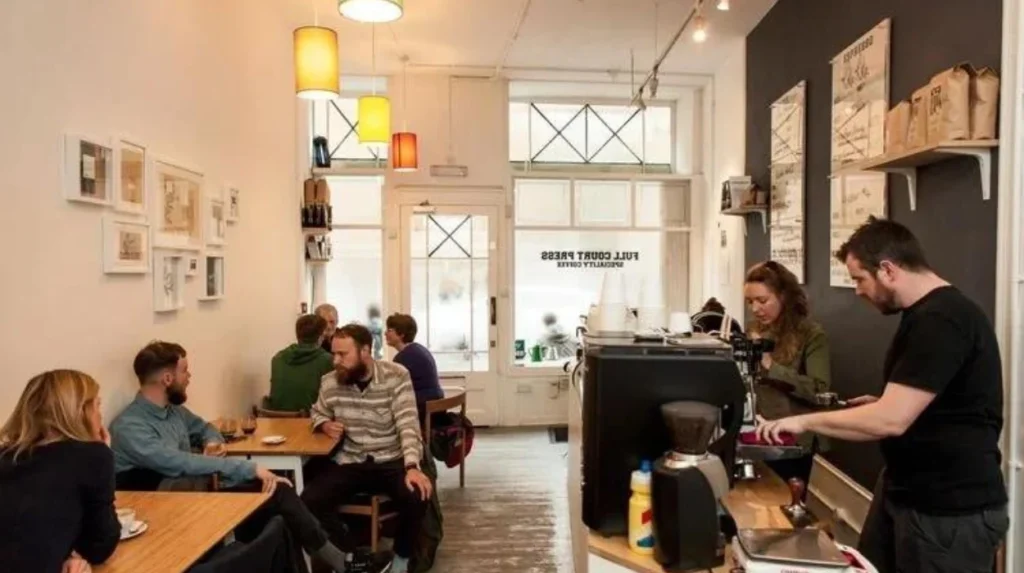
Full Court Press provides a clear example. Its Old City café at 59 Broad Street was established in 2013 and originally operated as a multi-roaster coffee shop. It now showcases its own Bristol-roasted coffee alongside guest roasters.
Bristol also has an established local roasting sector. Extract Coffee Roasters operates from Easton and focuses on speciality coffee, single origins, espresso coffees and filter coffees. Its stated approach includes environmental, grower, community and customer considerations.
Clifton Coffee Roasters is another Bristol-based roasting business. Bristol City Council lists Clifton Coffee Roasters among the suppliers supporting its park café network, demonstrating the role of local roasting within the wider city food-and-drink economy.
The coffee-shop scene also extends beyond speciality coffee. Bristol has traditional cafés, bakery cafés, market cafés, park kiosks and cultural-venue cafés. Visit Bristol specifically highlights coffee venues at places including Watershed, Arnolfini, No.1 Harbourside and Mud Dock.
This variety makes Bristol suitable for different coffee occasions. A visitor can choose a specialist espresso bar in the Old City, a café overlooking the Harbourside, a neighbourhood coffee shop in Redland or a park café close to green space.
Which coffee shops are best for speciality coffee in Bristol?
The strongest speciality coffee choices in Bristol include Full Court Press, Small Street Espresso, Dareshack, Society Café, Extract Coffee Roasters and other specialist operators. These venues focus on coffee quality, brewing technique, bean origin and knowledgeable preparation.
Full Court Press is one of Bristol’s most established speciality coffee destinations. Its main café is at 59 Broad Street in the Old City. The business also operates a roastery coffee bar at 27 Oxford Street.
Full Court Press changes its coffee selection regularly. Its menu includes espresso and filter options, with coffees sourced from different origins and producers. The business explains that it adapts brewing methods and recipes to individual coffees.
Small Street Espresso is another recognised Bristol speciality coffee destination. Its location at 23 Small Street places it close to the Old City, Broad Street and central shopping areas.
Dareshack operates from the Vintry Building on Wine Street. Visit Bristol specifically identifies Dareshack among Bristol venues for speciality coffee.
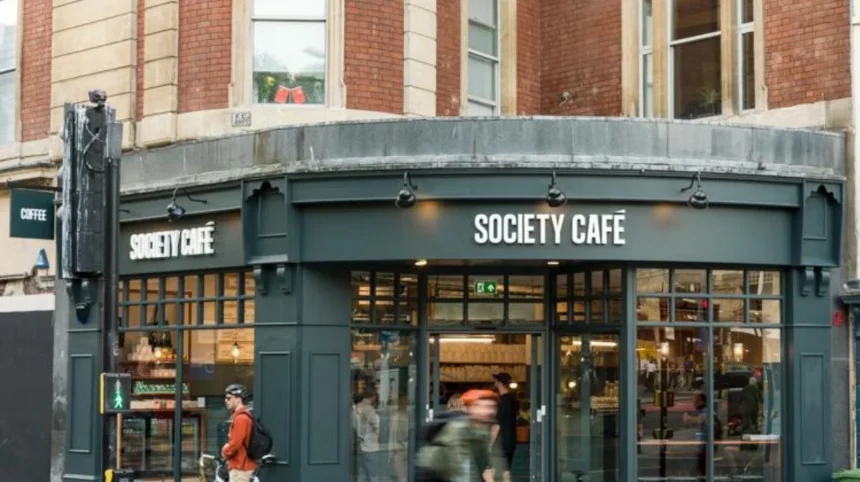
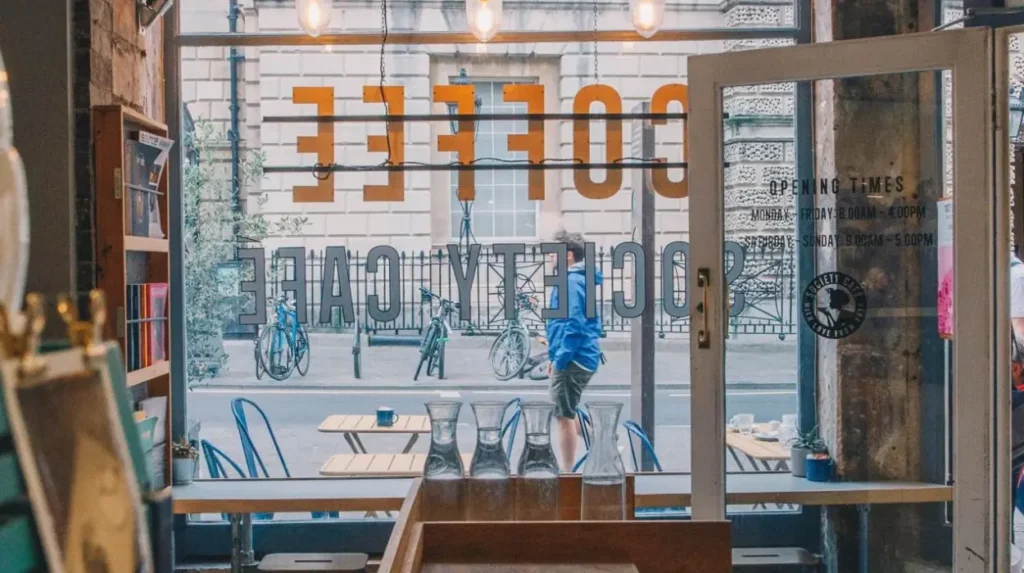
Society Café has two Bristol locations, at Baldwin Street and Harbourside. Its business model combines café service with its own coffee retail operation and a network of roaster and supplier relationships.
Extract Coffee Roasters is particularly relevant for people interested in coffee beyond the café experience. Its Easton operation focuses on roasting, speciality coffee and wholesale supply as well as coffee for home brewing.
These businesses demonstrate the range of speciality coffee available in Bristol. The city supports espresso-focused cafés, multi-roaster menus, local roasting and filter brewing.
Where can visitors find the best coffee in Bristol city centre?
Bristol city centre contains a concentrated selection of independent coffee shops, speciality cafés and food-led venues. The Old City, Broad Street, Wine Street, Baldwin Street, Small Street, Harbourside and surrounding streets provide convenient coffee stops.
The Old City is particularly important for coffee exploration. Full Court Press is located on Broad Street, while Small Street Espresso operates on Small Street. Dareshack is located on Wine Street.
The area is also close to St Nicholas Market, Bristol’s historic market destination. Bristol City Council identifies cafés, street-food businesses and other food operators within the market, including Crafty Beans and Yonder Coffee & Bakehouse.
Interlude Coffee is located at 51 Colston Street, providing another central option between the main shopping district and the city’s cultural and office areas.
eFZin coffee at Clare Street provides another central coffee option with longer operating hours than many specialist cafés.
Coffee Under Pressure | speciality coffee & tea is located on Park Street, linking Bristol’s central shopping and university areas with Clifton.
City-centre coffee shops are particularly useful for visitors because they can be combined with other activities. Coffee stops fit naturally into itineraries involving Bristol Cathedral, St Nicholas Market, Bristol Old City, shopping streets, museums and the Harbourside.
Bristol City Council’s city-centre retail and leisure study identifies cafés and food-to-go operators as an established part of the central retail environment. It also records a mixture of national chains and independent cafés across the wider centre.
Which Bristol coffee shops are best near the Harbourside?
Society Café, Arnolfini, Watershed, No.1 Harbourside and Mud Dock provide strong Harbourside coffee options. These venues combine coffee with waterfront locations, cultural attractions, shopping, walking routes and leisure activities around Bristol’s historic harbour.
Society Café on Baldwin Street is close to the Harbourside, while its dedicated Harbourside branch is located on Farr’s Lane at Narrow Quay.
The Harbourside is one of Bristol’s most prominent visitor areas. It contains cultural institutions, restaurants, public spaces, historic buildings and waterfront walking routes.
Visit Bristol specifically recommends Watershed, Arnolfini, No.1 Harbourside and Mud Dock for coffee with harbour views.
Watershed is a cultural cinema and arts venue on Bristol’s waterfront. Its café provides an option for combining coffee with film and cultural activities.
Arnolfini is a contemporary arts centre located on Narrow Quay. Its café provides another coffee stop within the Harbourside cultural district.
No.1 Harbourside combines food and drink with a waterfront setting. Mud Dock, located close to Bristol’s floating harbour, provides another established destination for coffee and food.
The Harbourside is particularly suitable for visitors who want coffee as part of a wider sightseeing itinerary rather than a dedicated coffee-tasting trip.
Which coffee shops are best for locally roasted coffee?
Bristol has a significant local roasting sector, with businesses including Full Court Press, Extract Coffee Roasters and Clifton Coffee Roasters. These roasters connect Bristol cafés with freshly roasted beans, single origins, blends and specialist brewing.
Local roasting gives Bristol’s coffee scene a distinct supply chain. Instead of relying exclusively on national coffee suppliers, independent businesses can source and roast beans within the Bristol area.
Full Court Press roasts speciality coffee at its Bristol roastery. Its current range includes coffees from countries such as Ethiopia, Peru, Colombia, Brazil, Mexico, Uganda and China.
Extract Coffee Roasters operates in Easton and supplies speciality coffee for homes and businesses. Its product range includes espresso, filter coffee and compatible coffee pods.
Clifton Coffee Roasters is another Bristol-based roasting business. Its presence in Bristol’s coffee supply chain is also reflected in Bristol City Council’s park café supplier network.
Radical Roasters Coffee Roasters operates from St Marks Road in Easton, adding another specialist roasting presence to the city.
Triple Co Roast operates from Montpelier and is another Bristol coffee-roasting business.
Local roasting matters because coffee flavour depends on the interaction between green-bean characteristics, processing, roasting and brewing. A café serving locally roasted coffee can therefore provide a direct connection between Bristol’s roasting industry and the final cup.
Which Bristol coffee shops are best for coffee and breakfast?
Bristol has many cafés where coffee is paired with breakfast, pastries, cakes, toasties, sandwiches and other daytime food. St Nicholas Market, city-centre cafés, bakery cafés and independent neighbourhood venues provide particularly useful breakfast choices.
Coffee shops in Bristol frequently operate as food-and-drink businesses rather than beverage-only venues. Visit Bristol notes that many local cafés serve cakes, pastries, sandwiches, soups and baked goods alongside coffee.
St Nicholas Market is one useful example. Bristol City Council lists cafés and food businesses operating throughout its covered market and arcades. Crafty Beans serves breakfast rolls, full English breakfast, toasties, homemade cakes and locally sourced coffee.
For visitors, food-led coffee shops provide a practical way to combine breakfast with sightseeing. A morning coffee and breakfast near the Old City can precede a visit to the market, historic streets or central attractions.
Neighbourhood cafés also support local routines. They serve residents, workers, students and visitors who need a coffee alongside a more substantial meal.
The distinction between a coffee shop and café is therefore less rigid in Bristol. Many establishments operate across both categories.
Which coffee shops are best for students and remote workers?
Bristol’s large student population supports a substantial café market, while independent coffee shops provide convenient places for short study sessions, meetings and informal work. City-centre, university-area and neighbourhood cafés offer different environments and access.
Bristol recorded 68,800 students at its two main universities during 2024/25. The city also has a large professional and service economy, creating a broad customer base for cafés.
Coffee shops can support different forms of work. Short visits are suitable for email, reading, informal meetings and laptop tasks. Longer working sessions depend on seating, power availability, customer demand and individual café policies.
Fenix Coffee on Passage Street provides a city-centre coffee option near the Temple Meads and St Philip’s areas.
Coffee + Beer on Cotham Hill provides a neighbourhood café option in the Redland and Cotham area.
Park Street and the surrounding university district also contain cafés that serve students and professionals.
Remote workers should check practical conditions before planning a long session. Wi-Fi, sockets, seating, noise levels and peak-period demand differ between businesses. A coffee shop remains a commercial hospitality venue, so extended laptop use should respect the venue’s operating environment.
Which Bristol coffee shops are best for neighbourhood café experiences?
Neighbourhood coffee shops provide a different experience from central speciality bars by serving local residents, workers and families within residential districts. Redland, Cotham, Easton, Montpelier, Clifton, Bishopston and Bedminster contain varied independent café options.
Bristol’s coffee culture extends well beyond the central shopping district.
Easton is particularly significant for the local coffee economy. Extract Coffee Roasters operates there, while Radical Roasters also has a presence on St Marks Road.
Montpelier has specialist coffee businesses such as Triple Co Roast. Clifton and nearby areas contain cafés and established roasting businesses connected to Bristol’s wider speciality coffee sector.
Baristas Coffee Collective operates on Victoria Street in Redcliffe, close to Bristol Temple Meads and the central area.
Origin Coffee (Victoria Street) is another coffee destination on Victoria Street.
Neighbourhood coffee shops are useful for visitors exploring Bristol outside the main tourist circuit. They also provide residents with local meeting points and everyday coffee services.
Bristol’s population growth strengthens this neighbourhood role. The city’s population increased by an estimated 43,500 between 2015 and 2025, representing 9.6% growth. Bristol City Council projects further population growth during the next decade.
Population growth creates additional demand for local food, drink and community businesses.
Which Bristol coffee shops are best for families and park visits?
Bristol’s park cafés provide coffee alongside outdoor recreation, playgrounds, walking routes and family facilities. Examples include Blaise Castle Estate Cafe, Canford Park Kiosk, Oldbury Court Kiosk and The Plant Cafe at Blaise Plant Nursery.
Bristol City Council operates a network of park cafés through Brew Social. The programme connects coffee and food with public parks and community spaces.
Blaise Castle Estate Cafe provides coffee, sandwiches and wraps within Blaise Castle Estate. The estate includes woodland, rivers, a children’s adventure playground, Blaise Museum and Blaise Plant Nursery.
Canford Park Kiosk is located in Canford Park near Westbury-on-Trym. The park includes a children’s play area, tennis courts and football pitches. The kiosk provides coffee and cake with outdoor seating.
Oldbury Court Kiosk sits within Oldbury Court Estate near Fishponds. It provides barista coffee and takeaway food close to the River Frome and a children’s play park.
The Plant Cafe at Blaise Plant Nursery provides barista hot drinks, cakes, snacks and ice cream. It has indoor seating.
These venues show how Bristol’s coffee culture extends into public green spaces. They are particularly relevant for visitors who want coffee during a walk rather than inside a traditional city-centre café.
How should visitors choose between Bristol coffee shops?
Visitors should choose a Bristol coffee shop according to location, coffee style, food requirements, seating needs and itinerary. Old City suits speciality coffee, Harbourside suits waterfront visits, neighbourhood cafés suit local exploration, and park cafés suit outdoor activities.
Location is the first practical factor. Visitors already exploring the Old City can choose Full Court Press, Small Street Espresso or Dareshack. Visitors on the Harbourside can choose Society Café or nearby cultural-venue cafés.
Coffee preference is the second factor. People interested in changing origins, filter brewing and speciality preparation should prioritise specialist coffee businesses. People seeking a straightforward latte, cappuccino or breakfast can choose from Bristol’s much broader café network.
Food is another consideration. Many Bristol coffee shops serve pastries, cakes, sandwiches and breakfast dishes. Visit Bristol confirms the breadth of food available across the city’s café sector.
Accessibility also matters. Full Court Press states that its Broad Street café has a folding ramp for buggies and chairs.
Opening hours should be checked before travelling because café schedules vary between weekdays, weekends and individual branches. Current business listings also show different operating patterns across Bristol.
How has Bristol’s coffee culture developed?
Bristol’s modern coffee culture developed through independent cafés, speciality roasting, changing consumer demand and the growth of food-and-drink districts. Historic coffee-house activity forms part of the city’s wider commercial heritage, while modern roasters expanded the speciality sector.
Coffee has a long association with Bristol’s commercial history. Bristol Archives records an eighteenth-century property transaction involving Foster’s Coffee House in 1765, demonstrating that coffee houses formed part of the city’s historical commercial environment.
The modern coffee sector differs from the historic coffee-house model. Contemporary cafés operate within a highly developed hospitality market that includes speciality roasting, espresso machines, filter brewing, takeaway service, online coffee retail and coffee subscriptions.
Full Court Press provides a useful example of this modern development. Established in 2013, it began as a multi-roaster speciality coffee shop before developing its own Bristol roasting operation.
Extract Coffee Roasters demonstrates another stage of development, combining roasting with wholesale supply, home coffee, subscriptions and an impact programme.
The result is a coffee ecosystem rather than a simple collection of cafés. Roasters supply cafés. Cafés introduce consumers to different brewing methods. Consumers purchase beans for home preparation. Coffee businesses also create training, employment and hospitality opportunities.
Explore More Area Guide
Best Restaurants With Kids’ Menus in Bristol
Best Gluten-Free Restaurants in Bristol: Pho, Pieminister & More
What coffee trends are shaping Bristol’s future?
Bristol’s coffee sector is moving toward greater speciality selection, local roasting, transparent sourcing, sustainability, home brewing and diversified café experiences. Local roasters and independent cafés increasingly connect coffee quality with producer relationships and environmental responsibility.
Speciality coffee is likely to remain important because Bristol already has an established network of roasters and specialist cafés.
Full Court Press publishes information about its sourcing and roasting approach. The business buys coffee in small quantities and publishes information about purchasing where possible. Its Bristol roastery uses an electric Stronghold S7 Pro roaster and renewable electricity to reduce environmental impact.
Extract Coffee Roasters also places environmental, grower, community and customer considerations at the centre of its stated approach. Its 2024 impact report reflects the wider trend toward measurable sustainability in coffee businesses.
Home coffee is another important part of the sector. Roasters increasingly sell whole beans, filter coffee, espresso products, subscriptions and brewing equipment.
Bristol’s projected population growth also supports the long-term relevance of neighbourhood cafés. The city population is projected to reach 526,600 by 2032 under the current local authority projection.
Future coffee demand will therefore extend across multiple customer groups. Residents will continue using neighbourhood cafés. Students will support city-centre businesses. Tourists will seek distinctive local coffee experiences. Remote workers will use cafés as informal work environments. Coffee enthusiasts will continue exploring speciality origins and brewing methods.
What is the best way to explore Bristol’s coffee shops?
The most effective approach is to organise coffee stops around Bristol’s neighbourhoods and attractions rather than visiting cafés randomly. Combine Old City speciality coffee with historic streets, Harbourside cafés with waterfront attractions, and neighbourhood cafés with local markets and parks.
A city-centre route can begin around Small Street, Broad Street and Wine Street before continuing toward St Nicholas Market and the Harbourside.
A speciality-focused route can include Full Court Press and other independent cafés before visiting a Bristol roaster or purchasing beans for home brewing.
A Harbourside route can combine Society Café with Watershed, Arnolfini and other waterfront destinations. Visit Bristol specifically identifies this area as a strong location for coffee combined with harbour views.
A neighbourhood route can focus on Easton, Montpelier, Redland, Cotham or Clifton. This approach exposes visitors to the wider local café economy rather than concentrating only on tourist attractions.
A family route can incorporate park cafés such as Blaise Castle Estate Cafe or Oldbury Court Kiosk, where coffee can be combined with outdoor recreation.
Bristol’s coffee-shop scene is therefore best understood as a city-wide network. Its defining features are independent businesses, speciality coffee, local roasting, diverse neighbourhoods, food-led cafés, cultural venues and public-space cafés.
For tourists, the strongest choices depend on the day’s itinerary. For residents, the best coffee shop often depends on neighbourhood, routine and preferred brewing style. For coffee enthusiasts, Bristol’s speciality roasters and changing menus provide the greatest depth.
The city’s combination of population growth, student demand, tourism, independent businesses and local roasting creates a strong foundation for continued coffee-shop development. Bristol remains a destination where coffee is closely connected to food, culture, commerce, neighbourhood life and the city’s evolving independent hospitality economy.
What are the best coffee shops in Bristol?
Bristol has a wide range of highly regarded coffee shops, including Full Court Press, Small Street Espresso, Dareshack, Society Café and cafés supplied by local roasters such as Extract Coffee Roasters and Clifton Coffee Roasters.