
Bristol is one of the largest cities in South West England and a major employment, education, technology, finance, aerospace and creative-services centre. The city has a population of about 495,260, with more than 350,000 residents aged 16 to 64. Its labour market supports professional, technical, health, education, financial and digital employment.
- What is the average cost of living in Bristol?
- How much should you earn to rent a home alone in Bristol?
- How much does rent cost in Bristol?
- How much do council tax and household bills add to Bristol living costs?
- How much money do you need for food and transport in Bristol?
- What salary do you need for a comfortable life in Bristol?
- How much money does a couple or family need to live in Bristol?
- Which Bristol costs should you plan for before moving?
- Is Bristol affordable compared with average UK earnings?
- How much should you budget for living in Bristol each month?
- What is the minimum amount of money needed to live in Bristol?
- What income gives you financial room in Bristol?
- What is the best way to calculate your Bristol living budget?
The amount of money needed to live in Bristol depends primarily on housing. Rent is the largest regular expense for most private renters. Transport, council tax, food, utilities, insurance, leisure and savings form the next major spending categories.
The Office for National Statistics reported an average private rent of £1,883 per month in Bristol in August 2026. The average one-bedroom property cost £1,225 per month, while the average two-bedroom property cost £1,544.
Earnings are also relatively strong. The 2025 median gross weekly pay for full-time employees living in Bristol was £780.50, equivalent to about £40,586 a year before tax when annualised. The median full-time hourly rate was £20.74.
These figures provide a useful starting point for calculating a Bristol living budget. The final amount depends on whether a person rents a room, shares a property, lives alone, supports children, owns a home or commutes regularly.
What is the average cost of living in Bristol?
A realistic single-person Bristol budget starts around £2,000 to £2,400 a month when sharing accommodation, while living alone generally requires about £2,700 to £3,300 before significant savings or major discretionary spending.
There is no single official figure for the cost of living in Bristol because households have different housing arrangements, travel patterns and spending requirements. A person renting a room has a fundamentally different budget from a household renting a three-bedroom home.
Housing creates the largest difference.
The ONS recorded average Bristol private rents of £1,883 a month in August 2026. The average one-bedroom rent was £1,225, two-bedroom rent was £1,544, three-bedroom rent was £1,759 and four-or-more-bedroom rent was £2,546.
A person sharing a three-bedroom property divides the accommodation cost between household members. A person renting a one-bedroom property alone carries the full rent.
A practical single-person budget therefore needs to distinguish between shared accommodation and independent accommodation.
An illustrative monthly budget for one person sharing accommodation can include approximately £650 to £900 for housing, £150 to £250 for household bills, £250 to £350 for food, £70 to £120 for transport and £300 to £500 for other spending.
That produces a broad working budget of approximately £1,420 to £2,120 before substantial savings, debt repayments or expensive leisure activities.
Living alone creates a larger housing requirement. A one-bedroom Bristol rent averaged £1,225 in August 2026. Council tax, energy, broadband, insurance, food and transport then sit on top of that amount.
A person living alone therefore needs a larger monthly income even when personal spending is modest.
How much should you earn to rent a home alone in Bristol?
A single renter should target roughly £35,000 to £45,000 in gross annual income for a sustainable one-bedroom Bristol budget, with higher earnings providing more capacity for savings, travel, debt payments and discretionary spending.
The figure is a budgeting target rather than a statutory income requirement. Individual landlords and letting agents apply their own affordability and referencing criteria.
The ONS recorded an average Bristol one-bedroom private rent of £1,225 per month in August 2026. This equals £14,700 a year before council tax and other household expenses.
Bristol residents earned median gross weekly pay of £780.50 for full-time employment in 2025. Annualising that weekly figure produces approximately £40,586 in gross earnings.
This comparison demonstrates why housing is central to Bristol affordability.
A £40,000 gross salary does not mean £40,000 is available for spending. Income tax, National Insurance, pension contributions and other deductions reduce take-home pay.
A person earning £35,000 gross therefore has less disposable income than a person earning £45,000, even though both figures sit within a potentially workable range for Bristol.
A useful affordability assessment considers rent alongside all recurring costs.
For example, a one-bedroom renter paying £1,225 monthly rent also needs to budget for council tax. Bristol’s 2026–27 Band D council tax is £2,713.68 annually, although actual liability depends on the property’s band and household circumstances.
A single-person household can also qualify for a council tax discount when the relevant conditions apply. The exact bill depends on the property and the person’s circumstances.
Utilities create another regular expense. Electricity, gas, water, broadband and mobile services are separate from rent unless the tenancy specifically includes them.
The practical lesson is simple. A salary that covers rent alone is not sufficient. A sustainable Bristol income must cover housing, council tax, utilities, food, transport and financial reserves.
How much does rent cost in Bristol?
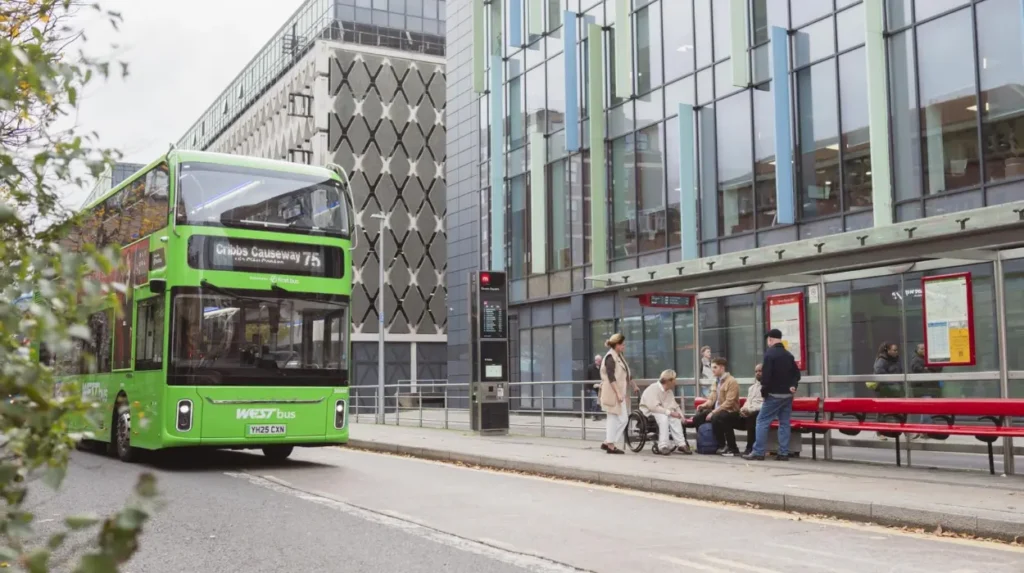
Average Bristol private rent reached £1,883 per month in August 2026, with one-bedroom homes averaging £1,225, two-bedroom homes £1,544, three-bedroom homes £1,759 and larger homes £2,546 monthly.
Housing costs vary significantly by property size and type.
The ONS reported the following average private rents in Bristol in August 2026:
- One-bedroom property: £1,225 per month.
- Two-bedroom property: £1,544 per month.
- Three-bedroom property: £1,759 per month.
- Four-or-more-bedroom property: £2,546 per month.
The same ONS dataset recorded average rents of £1,508 for flats and maisonettes, £2,008 for terraced properties, £2,091 for semi-detached properties and £2,106 for detached properties.
The average Bristol rent increased from £1,778 in August 2025 to £1,883 in August 2026. That represents a 5.9% annual increase.
The increase has direct implications for household budgets.
A one-bedroom renter facing the August 2026 average pays £14,700 a year in rent. A two-bedroom renter pays approximately £18,528 annually at the average rate. A three-bedroom renter pays approximately £21,108.
Sharing accommodation changes the individual calculation.
For example, three people sharing a property with a £1,759 monthly rent would have a rent-only share of approximately £586 per person before utilities and other household expenses. Actual room costs depend on the property’s location, condition, size, tenancy arrangements and whether bills are included.
Bristol’s housing market also includes owner-occupied homes. The ONS recorded an average Bristol house price of £352,000 in July 2026. Average prices were £241,000 for flats and maisonettes, £384,000 for terraced properties, £447,000 for semi-detached properties and £689,000 for detached properties.
First-time buyers paid an average of £313,000 in July 2026.
Buying requires a different financial calculation because the household needs a deposit, mortgage affordability, legal costs, surveys, insurance, maintenance funds and other purchase expenses.
How much do council tax and household bills add to Bristol living costs?
Bristol households pay council tax according to property band, with 2026–27 charges ranging from £1,809.12 for Band A to £5,427.36 for Band H before applicable reductions or exemptions.
Council tax is a local taxation system that funds services provided by Bristol City Council and other local public bodies.
For 2026–27, Bristol’s total council tax charges are £1,809.12 for Band A, £2,110.64 for Band B, £2,412.17 for Band C and £2,713.68 for Band D. Higher bands cost more.
A Band D property therefore carries a council tax charge of about £226 per month when the annual charge is divided across twelve months.
Actual household liability depends on the property band and eligibility for reductions, exemptions or other arrangements.
Utilities then sit alongside council tax.
A normal household budget needs to account for electricity, gas or other heating, water, broadband and mobile communications. Energy consumption depends on property size, insulation, heating systems, occupancy and household behaviour.
A person renting a room in a shared house with bills included has a simpler monthly budget. A person renting an unfurnished flat with separate utilities faces more variable costs.
Household insurance is another consideration. Tenants generally arrange contents insurance if they want protection for personal belongings. Homeowners also need buildings and contents insurance, although mortgage arrangements can affect requirements.
Furniture and household equipment also affect the first-year cost of moving to Bristol. A person moving into an unfurnished home needs money for beds, seating, kitchen equipment, lighting, storage and other essentials.
Initial tenancy costs can also include a deposit and advance rent depending on the tenancy arrangement.
These expenses do not necessarily appear in a monthly cost-of-living calculation, but they affect how much money a person needs before moving to Bristol.
How much money do you need for food and transport in Bristol?
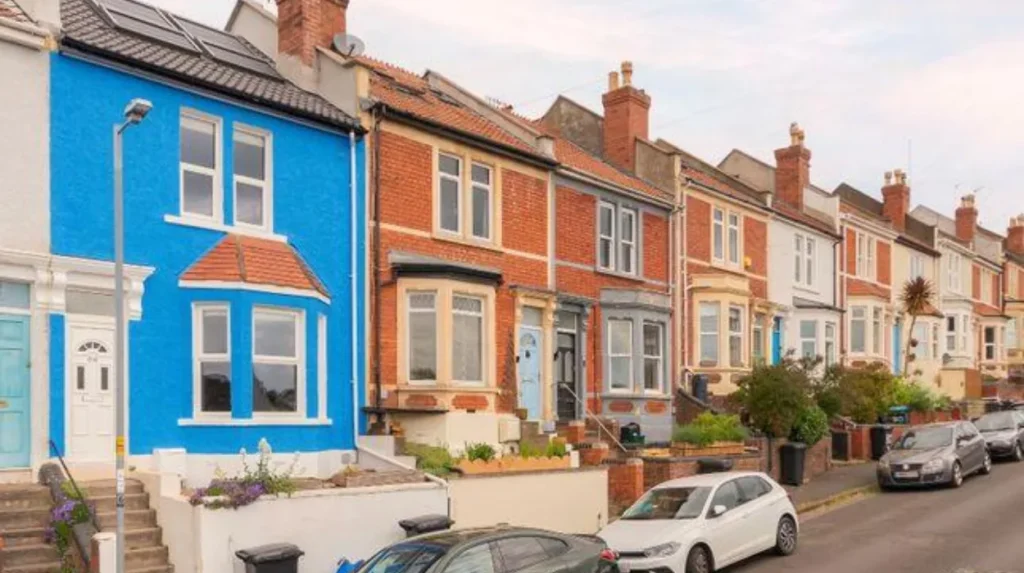
A single adult can build a practical Bristol food and transport budget around £350 to £500 per month, although restaurant spending, commuting frequency, dietary requirements and travel zones can substantially change the total.
Food costs depend heavily on whether meals are prepared at home or purchased outside.
A household that plans weekly supermarket shopping generally has more control over food spending than a household relying heavily on restaurants, cafés and takeaways.
Transport costs also depend on where a person lives and works.
First Bus introduced updated Bristol fares from January 2026. Bristol Tap On Tap Off travel is capped at £6.80 for a day and £28 for seven days under the published 2026 fare structure.
The Bristol bus network connects residential districts with the city centre and wider West of England destinations. Bristol also has rail connections serving stations including Bristol Temple Meads and Bristol Parkway.
Some commuters therefore need a combined bus and rail budget rather than a bus-only budget.
A person working close to home can reduce transport expenditure through walking or cycling. A person commuting daily across the wider region needs a larger transport allowance.
First Bus also publishes West of England tickets covering Bristol and surrounding areas. Its 2026 fare information lists a £27 weekly student ticket and an £85.50 monthly student ticket for the West of England zone, with standard fares varying by ticket type and passenger category.
Transport therefore belongs in the personal budget rather than being treated as a fixed Bristol-wide cost.
Food follows the same principle.
A basic food budget can focus on supermarket groceries and home cooking. A larger budget needs to include lunches away from home, coffee, takeaway meals, restaurants and social activities.
A reasonable planning figure for a single adult is around £250 to £350 per month for groceries, with additional money required for frequent eating out.
What salary do you need for a comfortable life in Bristol?
A gross salary around £40,000 provides a useful benchmark for one full-time Bristol worker because the 2025 local median was £40,586, while £45,000 or more provides greater room for independent housing and financial savings.
Bristol’s 2025 earnings data provides a strong local benchmark.
The median gross weekly pay for full-time employees living in Bristol was £780.50. The equivalent annual figure is approximately £40,586. The median full-time hourly rate was £20.74.
Employees working in Bristol had an even higher median gross weekly pay of £837.70 in 2025, equivalent to approximately £43,560 a year. The workplace median hourly rate was £21.98.
These figures do not represent the salary required to live in Bristol. They show the level of earnings already recorded among full-time employees.
Income requirements differ by household structure.
A single professional sharing accommodation can manage housing costs more efficiently because rent and household bills are divided.
A single person renting a one-bedroom home alone needs a larger income because the entire rent is carried by one person.
A couple can divide some household expenses but faces higher total consumption.
A family needs additional money for food, clothing, transport, childcare, school-related costs, larger accommodation and activities.
The 2026 National Living Wage is £12.71 per hour for workers aged 21 and over. The rate applies from 1 April 2026.
At 37.5 hours per week, £12.71 an hour produces gross annual earnings of approximately £24,785 before deductions. At 40 hours per week, the equivalent is approximately £26,437.
Those calculations show why minimum-wage income and Bristol’s average private rents create significant housing pressure for a person renting alone.
The difference between minimum-wage earnings and local median full-time earnings is therefore important when assessing Bristol affordability.
How much money does a couple or family need to live in Bristol?
A couple without children can plan around £3,000 to £4,000 in monthly household spending, while a family with children often needs £4,000 to £5,000 or more, depending mainly on housing, childcare, transport and lifestyle.
Household size changes the cost structure.
Two adults sharing a two-bedroom property do not pay twice the cost of one adult. Rent, council tax, broadband and some household services are shared.
Food expenditure increases, but household economies of scale can reduce the cost per person.
A family with children has a different structure.
A three-bedroom Bristol property averaged £1,759 per month in August 2026. Four-or-more-bedroom properties averaged £2,546.
A family renting a three-bedroom property therefore starts with a housing cost of more than £21,000 a year at the citywide average rent.
Council tax then adds another major annual expense. A Band D property costs £2,713.68 in Bristol during 2026–27 before any eligible reductions or exemptions.
Childcare can become one of the largest additional costs for families with young children. Its cost depends on the child’s age, number of days required, provider, funded-hours eligibility and household circumstances.
School-age children introduce different costs, including clothing, meals, transport, activities and equipment.
Transport also expands when adults commute separately or children need regular journeys.
For a couple, a household income of £40,000 can therefore produce a very different standard of affordability from a family relying on the same gross income.
A family budget should be calculated from household net income rather than simply adding individual salary figures.
Savings should also be included. A household that spends its entire monthly income on essential costs has little protection against rent increases, repairs, unemployment, medical expenses, travel or other unexpected bills.
Which Bristol costs should you plan for before moving?
Anyone moving to Bristol should budget for upfront housing costs, recurring rent, council tax, utilities, food, transport, insurance, household essentials and an emergency reserve before calculating discretionary spending.
The first financial requirement is the cost of securing accommodation.
A renter needs enough money for the initial tenancy payment structure and deposit permitted under the tenancy rules. The amount depends on the property, rent and agreement.
Moving expenses then include transport, furniture, appliances and household equipment.
A person relocating with existing furniture has a different initial budget from someone moving into an unfurnished property without household equipment.
The second requirement is recurring monthly expenditure.
Rent is normally the largest fixed cost. The August 2026 Bristol average of £1,883 demonstrates the scale of the local rental market, although individual properties vary substantially.
The third requirement is financial resilience.
An emergency fund protects a household against temporary income loss and unexpected expenditure. The appropriate amount depends on employment security, household size, debt obligations and housing costs.
A renter with stable employment and low fixed costs has a different risk profile from a household dependent on one income.
A practical Bristol moving budget should therefore separate move-in money from monthly living money.
Move-in money covers the initial housing payment, deposit, moving costs and essential household purchases.
Monthly living money covers rent, council tax, utilities, groceries, transport, insurance and personal expenditure.
Emergency savings sit outside both categories.
This approach provides a clearer assessment than using one headline annual salary.
Is Bristol affordable compared with average UK earnings?
Bristol is financially demanding because its private rents are substantially above the UK average, while local full-time earnings are also above national earnings benchmarks, making housing affordability the central issue for many households.
The ONS reported average Bristol private rent of £1,883 in August 2026. The UK average was £1,400 during the same month. Bristol’s average was therefore £483 higher per month, equivalent to £5,796 over a year.
The comparison with earnings is more balanced.
Bristol’s 2025 median gross weekly pay for full-time residents was £780.50, compared with £766.60 across Great Britain in the relevant Nomis data.
Bristol therefore combines relatively strong employment earnings with comparatively high housing costs.
This pattern is linked to the city’s economic structure.
Bristol has major employment concentrations in professional, scientific and technical activities, health and social work, education, information and communication, finance and insurance. Nomis recorded 45,000 employee jobs in professional, scientific and technical activities and 48,000 in human health and social work in 2025.
The city’s labour market supports a broad range of professional and specialist occupations.
Bristol’s economy also has historical roots in maritime trade, manufacturing, engineering and aerospace. Over time, these sectors developed alongside universities, financial services, technology, creative industries and professional services.
That economic diversity supports employment but also contributes to sustained housing demand.
For someone choosing whether to relocate, the important comparison is therefore not simply Bristol versus the UK average.
The relevant calculation is local take-home income versus local housing and household expenditure.
A person earning Bristol’s median full-time salary while sharing accommodation has a different affordability position from a person earning the same salary while renting a one-bedroom property alone.
How much should you budget for living in Bristol each month?
A practical 2026 planning range is about £2,000–£2,400 for a single person sharing, £2,700–£3,300 for one person living alone, £3,000–£4,000 for a couple, and £4,000–£5,000 or more for a family.
These are planning ranges, not official Bristol household expenditure statistics. They combine current housing data with realistic allowances for council tax, utilities, food, transport and personal spending.
For one person sharing accommodation, housing is the main saving mechanism. Splitting rent and household bills can keep total monthly spending considerably below the cost of maintaining a private flat.
For one person living alone, the ONS average one-bedroom rent of £1,225 creates a substantial fixed monthly commitment.
For couples, a two-bedroom home provides more space but also increases the total rent. The average two-bedroom rent was £1,544 in August 2026.
For families, three-bedroom and larger properties become more relevant. Average three-bedroom rent was £1,759, while four-or-more-bedroom rent was £2,546.
A household should then add council tax.
A Band D Bristol property has a 2026–27 annual council tax charge of £2,713.68.
Transport can be relatively predictable for regular bus users because Bristol Tap On Tap Off fares have daily and weekly caps. First Bus lists a Bristol weekly cap of £28 under its 2026 fare structure.
Food expenditure remains flexible.
A household cooking most meals at home can control grocery spending more effectively than a household regularly eating out.
Finally, savings should be treated as a budget category rather than whatever money remains at the end of the month.
The strongest Bristol budget therefore has five broad components: housing, household bills, food, transport and financial reserves. Discretionary spending follows after these essentials.
What is the minimum amount of money needed to live in Bristol?
There is no single minimum income for Bristol, but a single adult sharing accommodation generally needs substantially less than a person renting alone, while minimum-wage earnings create significant pressure when combined with Bristol’s private housing costs.
The statutory minimum wage provides an important reference point.
From 1 April 2026, the National Living Wage for workers aged 21 and over is £12.71 per hour. The 18–20 rate is £10.85, while the 16–17 and apprentice rates are £8.00.
At £12.71 per hour, full-time annual gross earnings remain well below the cost of renting an average Bristol home alone once other living expenses are included.
This does not mean minimum-wage workers cannot live in Bristol. It means their housing arrangement becomes particularly important.
Shared housing reduces individual rent liability.
Living with family can reduce housing expenditure further.
A person who rents a room rather than an entire property can allocate a smaller share of income to accommodation.
Location also affects transport expenditure. Living closer to work can reduce bus, rail, cycling and car costs.
Car ownership adds fuel, insurance, servicing, parking, vehicle tax and depreciation to the household budget. A household that does not need a car can allocate that money elsewhere.
The minimum practical budget therefore depends on the household’s ability to control its largest fixed expense.
For most Bristol residents, housing is the decisive variable.
What income gives you financial room in Bristol?
Financial comfort in Bristol depends on having money left after essential costs, not simply meeting monthly bills, so income above basic living costs is needed for savings, emergencies, holidays, debt repayment and long-term financial goals.
A financially sustainable household has a margin between income and essential expenditure.
That margin pays for irregular costs and future objectives.
A person earning approximately Bristol’s 2025 median full-time resident salary of £40,586 before tax has a useful local earnings benchmark.
Whether that income provides financial room depends primarily on housing.
Someone paying a modest share of rent in a shared home has more disposable income than someone paying the full average one-bedroom rent.
Savings are particularly important because Bristol rents have recently increased. Average private rent increased by 5.9% between August 2025 and August 2026.
A household with no savings has limited protection against future rent increases.
Homeowners face a different set of costs. Mortgage payments, buildings insurance, maintenance, repairs and service charges can all affect disposable income.
Long-term affordability therefore requires more than comparing salary with current rent.
The strongest approach is to calculate annual gross income, estimated take-home income, housing costs, council tax, utilities, food, transport, debt payments and savings.
The resulting surplus indicates how much money remains for leisure and future financial goals.
What is the best way to calculate your Bristol living budget?
The most accurate Bristol budget starts with your actual housing cost, then adds council tax, utilities, food, transport, insurance, debt payments and savings before comparing the total with your expected take-home income.
Start with housing.
Use the actual rent or mortgage payment rather than the citywide average whenever possible.
Then calculate council tax using the property’s band. Bristol publishes the official 2026–27 charges for Bands A through H.
Next calculate utilities.
Use realistic energy, water, broadband and mobile estimates based on the property and household.
Food comes next.
Separate essential groceries from restaurant, takeaway and café spending.
Transport should reflect actual commuting patterns. Bristol’s public transport fare caps provide a useful reference for regular bus users.
Then add insurance and debt repayments.
Finally, include savings.
A monthly budget that contains no savings category is not a complete long-term affordability calculation.
Bristol’s current housing and earnings data show why personal circumstances matter. The city has relatively strong full-time earnings, but its average private rent is significantly higher than the UK average.
For many single adults, sharing accommodation provides the largest opportunity to reduce monthly expenditure.
For households with children, accommodation size and childcare become major determinants.
For commuters, transport becomes more important.
For homeowners, mortgage and maintenance costs replace rent.
The most useful answer to “How much money do you need to live in Bristol?” is therefore a household-specific figure rather than one universal salary.
For 2026 planning, £30,000 to £35,000 gross can support a careful shared-house lifestyle for one full-time worker, around £40,000 to £45,000 provides a stronger benchmark for independent single living, and higher household incomes are appropriate for larger homes, children and substantial savings goals.
Bristol’s 2025 median full-time resident earnings of about £40,586 provide a useful reference point, while the city’s August 2026 average private rent of £1,883 demonstrates why housing remains the biggest factor in the calculation.
These figures should be recalculated when moving because rent, council tax, transport fares, energy costs and personal circumstances change over time.