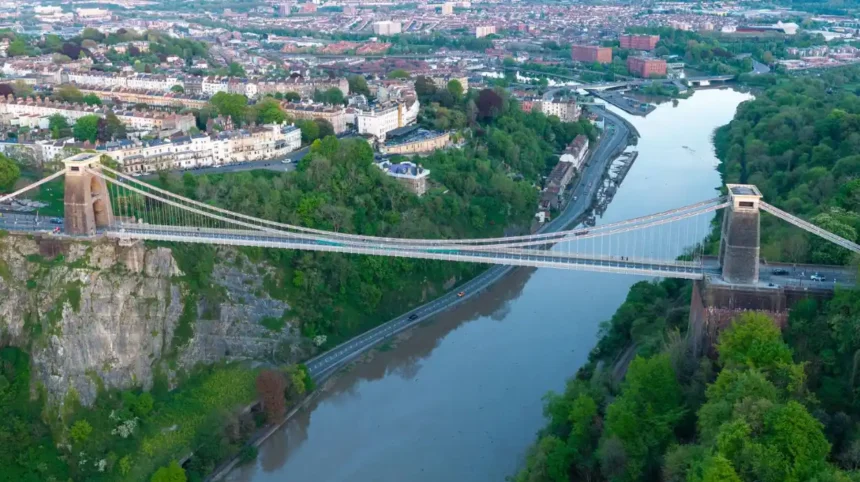
Bristol is a large, diverse and economically strong city in South West England. It combines a historic port, major universities, creative industries, advanced engineering, green spaces and established residential neighbourhoods. Its population reached an estimated 495,300 in mid-2025, making Bristol the largest city in South West England.
- What is Bristol like as a place to live?
- How did Bristol develop into the city it is today?
- Is Bristol a good city for employment and careers?
- What are Bristol’s main residential areas like?
- How expensive is it to live in Bristol?
- Is Bristol a good place for families?
- What is Bristol like for students and young professionals?
- How easy is it to get around Bristol?
- What is Bristol like for green space and outdoor life?
- What is Bristol like culturally and socially?
- Is Bristol a diverse city?
- What are the main advantages of living in Bristol?
- What are the main challenges of living in Bristol?
- Is Bristol a good place to live in the long term?
What is Bristol like as a place to live?
Bristol is a growing South West city with strong employment, universities, varied neighbourhoods, historic architecture and extensive cultural facilities. Living costs are significant, especially for housing, but the city provides a large labour market, transport connections, green spaces and diverse communities.
Bristol has a distinct identity within the UK urban network. It is the largest city in South West England and one of the UK’s Core Cities. The city combines an established urban centre with suburban communities extending across a large local authority area.
The population was estimated at 495,300 in mid-2025. Bristol added an estimated 43,500 residents between 2015 and 2025, representing growth of 9.6%. The council projects a population of 526,600 by 2032.
The city is also highly diverse. Bristol records residents connected with more than 185 countries of birth, more than 287 ethnic groups, at least 45 religions and more than 90 languages. This diversity shapes neighbourhoods, education, employment, food, retail and cultural life.
Bristol’s physical geography also affects daily life. The city developed around the River Avon and River Frome, with hills and valleys influencing roads, neighbourhoods and views. Clifton, Redland, Bishopston, Southville, Bedminster, Easton, St George, Fishponds, Horfield and Henleaze each provide different residential environments.
How did Bristol develop into the city it is today?
Bristol developed from an early medieval settlement into a major trading port and industrial city, then evolved into a modern centre for engineering, finance, technology, education and creative industries. Its historic port and commercial heritage remain visible in today’s urban landscape.
Bristol’s origins date to around the late 10th or early 11th century. The historic centre developed between the River Avon and River Frome. Trade helped the settlement become an important commercial centre.
In 1373, Edward III granted Bristol a major charter that established it as a county separate from Gloucestershire and Somerset. The charter strengthened the city’s independent administrative identity.
Bristol officially became a city in 1542, following the establishment of the Diocese of Bristol and the conversion of St Augustine’s Abbey into Bristol Cathedral.
The port remained central to the city’s development. Bristol’s commercial relationships expanded across Europe and the Atlantic. During the eighteenth century, wealth from transatlantic trade and industries including brass, sugar and tobacco contributed to major urban expansion. Queen Square, Portland Square and Clifton’s terraces reflect this period.
The modern city also reflects twentieth-century change. Second World War bombing, post-war reconstruction, road building and urban redevelopment altered the central area substantially.
Today, Bristol’s economy is considerably broader than its historic port and manufacturing base. The council identifies advanced engineering, high technology, zero-carbon industries, professional services and creative and digital sectors as important parts of the modern economy.
Is Bristol a good city for employment and careers?
Bristol has a strong employment market supported by advanced engineering, technology, finance, professional services, creative industries, education, health, manufacturing and logistics. Its 2025 employment rate was 77.6%, providing a substantial employment base for residents.
Bristol has one of the strongest economies among major UK regional cities. In March 2025, the employment rate for working-age residents was 77.6%, with approximately 249,200 working-age residents in employment. This was the second-highest employment rate among Britain’s Core Cities according to Bristol’s 2025 key facts.
The city’s economy contains a broad mixture of employers and business types. In 2024, Bristol had 18,330 registered business units. Micro-businesses employing fewer than 10 people accounted for 15,895 of them, or 86.7%.
Major economic sectors include aerospace and advanced engineering, technology, financial and professional services, creative and digital industries, education, health, manufacturing and logistics.
The presence of large universities also supports employment and research. Bristol had 68,800 students registered at its two main universities in 2024/25.
The city’s economic strategy for 2025–2035 focuses on economic equity, a green economy and productive growth. It also identifies business growth, innovation, global city status, skills and local wealth building as strategic priorities.
This creates a broad employment environment rather than one dependent on a single industry.
What are Bristol’s main residential areas like?
Bristol has a wide range of residential neighbourhoods, from central districts and Victorian suburbs to family-oriented outer areas. Clifton, Redland, Bishopston, Southville, Bedminster, Easton, Fishponds, Horfield and Henleaze each have different housing, transport and lifestyle characteristics.
The city does not have one uniform residential character. Neighbourhood choice strongly affects housing costs, access to employment, green space, schools, shops and public transport.
Clifton is known for historic architecture, Georgian terraces, Clifton Suspension Bridge and proximity to the University of Bristol. Housing costs are generally high.
Redland is a popular residential district with Victorian and Edwardian properties. It has convenient access to Clifton, the university area and central Bristol.
Bishopston is associated with Gloucester Road, independent shops, restaurants and cafés. It provides a dense urban neighbourhood environment with strong local retail.
Southville sits south of the city centre near the Harbourside. It has Victorian housing, independent businesses and access to cultural destinations.
Bedminster provides a mixture of older terraces, newer development and local shopping. Its location makes it practical for residents working in central and southern Bristol.
Easton has a highly diverse population and strong independent retail and food culture. It also provides access to central Bristol and nearby transport routes.
Fishponds provides a mixture of Victorian housing, newer homes, local businesses and access to green spaces. It is connected to the city centre by major bus routes.
Horfield has established residential streets, local services and access to employment and education areas.
Henleaze is a suburban area with larger residential properties, local shopping and access to green space.
Other residential areas include Stoke Bishop, Westbury-on-Trym, Henbury, Brislington, St George, St Werburghs, Montpelier, Totterdown and Hotwells. Each area has a different combination of housing type, transport access and local amenities.
How expensive is it to live in Bristol?
Bristol has relatively high housing costs compared with many UK regional cities. In July 2026, the average house price was £352,000, while average private rent reached £1,883 per month, making housing a major household expense.
Housing is one of the most important considerations when assessing life in Bristol.
The Office for National Statistics recorded an average Bristol house price of £352,000 in July 2026. The average price paid by first-time buyers was £313,000.
Private rental costs are also substantial. The average monthly private rent in Bristol reached £1,883 in August 2026, compared with £1,778 a year earlier. That represented annual growth of 5.9%.
Rental costs vary by property size. In August 2026, average Bristol rents were approximately:
- One-bedroom property: £1,225
- Two-bedroom property: £1,544
- Three-bedroom property: £1,759
- Four or more bedrooms: £2,546
The ONS figures also show substantial differences by property type. Average rents were £1,508 for flats and maisonettes, £2,008 for terraced properties, £2,091 for semi-detached properties and £2,106 for detached properties.
These figures show why housing location is important when planning a Bristol budget.
A household seeking lower housing costs often considers areas farther from the central districts. A household prioritising proximity to universities, employment centres and cultural venues faces higher housing costs in many central and inner-city locations.
Is Bristol a good place for families?
Bristol provides established family neighbourhoods, schools, parks, community facilities, healthcare services and transport links. Family suitability varies substantially between districts, so housing location, school access, commuting distance and local amenities are important considerations.
Family life in Bristol depends heavily on the neighbourhood selected.
Outer and suburban districts provide more traditional family housing, including terraced, semi-detached and detached properties. Areas such as Henleaze, Westbury-on-Trym, Stoke Bishop, Horfield, Fishponds, Brislington and parts of South Bristol contain established residential communities.
The city also has numerous parks and open spaces. These provide walking, recreation and access to outdoor environments within an urban area.
Schools form another major factor. Bristol contains primary and secondary schools across its residential districts, while the wider city-region provides access to further education and universities.
Healthcare is also a major part of the city’s infrastructure. Bristol has large hospitals and specialist medical facilities serving residents across the city and wider South West.
For families, the most useful comparison is therefore between individual neighbourhoods rather than Bristol as a whole. Property type, school catchment, commuting route, parking and access to parks can vary significantly within a few miles.
What is Bristol like for students and young professionals?
Bristol has a large student and young professional population supported by two major universities, a diversified employment market, independent businesses, cultural venues and established inner-city neighbourhoods. Areas such as Clifton, Redland, Bishopston, Stokes Croft and Southville attract younger residents.
Bristol’s universities have a major influence on the city’s demographic structure.
The two main universities recorded 68,800 registered students in 2024/25.
The University of Bristol is closely associated with Clifton and the central-western part of the city. The University of the West of England, Bristol, is based primarily at Frenchay in the north-east of the city.
Young professionals are attracted by employment opportunities across technology, engineering, finance, professional services, media, creative industries, healthcare and education.
Neighbourhoods such as Clifton, Redland, Bishopston, Stokes Croft, Montpelier, Southville and parts of Easton provide access to restaurants, cafés, independent retailers, entertainment venues and public transport.
The presence of universities also creates a large market for rented accommodation, cafés, shared workspaces, cultural activities and local services.
How easy is it to get around Bristol?
Bristol provides extensive bus services, railway connections, cycling infrastructure, walking routes and major road links. Central districts are relatively compact, but hills, congestion and transport demand affect journeys, making neighbourhood location important for daily commuting.
Bristol’s transport network combines several modes.
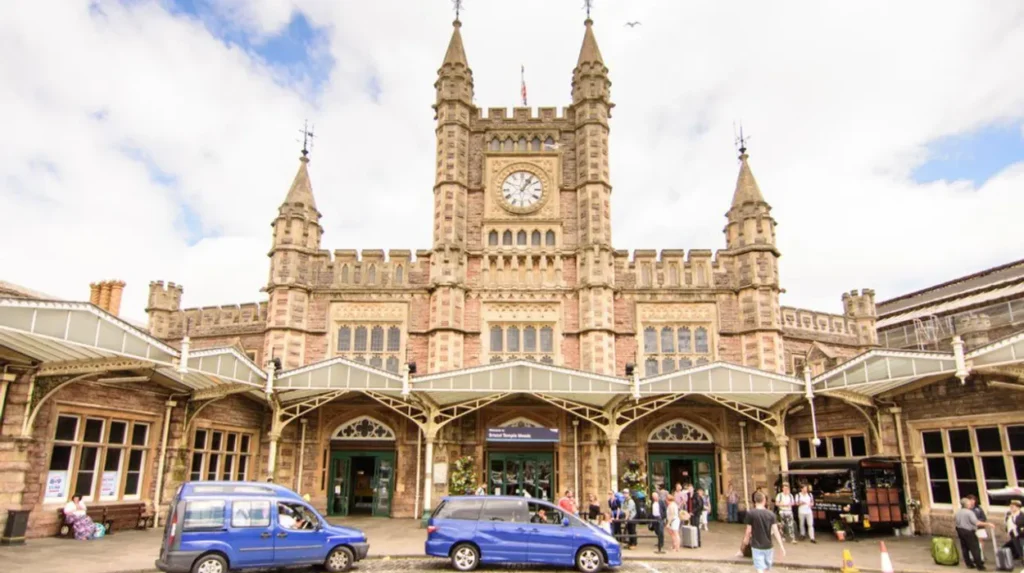
Bristol Temple Meads is the city’s main railway station and provides national rail connections. Bristol Parkway serves northern and north-eastern parts of the urban area.
Rail services connect Bristol with destinations including Bath, Cardiff, London, South Wales, Birmingham and other parts of England.
Buses form the main public transport network within the city. Several major corridors connect residential districts with the city centre and employment areas.
Cycling is another important transport mode. Bristol has developed dedicated cycling routes and active-travel infrastructure as part of efforts to increase sustainable transport.
Walking is particularly practical in central districts and nearby neighbourhoods. However, Bristol’s hills affect walking and cycling times. Clifton, Kingsdown, Totterdown and other elevated districts contain significant gradients.
Road congestion is a major consideration for people commuting by car. Bristol’s compact urban structure, high travel demand and constrained road network can produce busy peak-period journeys.
The city is also part of a wider West of England transport area, linking Bristol with surrounding places such as Bath, South Gloucestershire and North Somerset.
What is Bristol like for green space and outdoor life?
Bristol combines dense urban neighbourhoods with parks, riverside areas, green corridors and accessible countryside. Major outdoor destinations include Ashton Court, Leigh Woods, Blaise Castle Estate, Brandon Hill and the Harbourside, supporting walking, cycling and recreation.
Green space is an important component of Bristol’s residential environment.
Ashton Court Estate provides extensive countryside and woodland close to the city. It is widely used for walking, cycling and outdoor recreation.
Leigh Woods, across the Avon Gorge, provides woodland and walking routes with views towards Bristol and the Clifton Suspension Bridge.
Blaise Castle Estate in north-west Bristol combines parkland, woodland and historic features.
Brandon Hill provides a prominent green space close to central Bristol. Cabot Tower stands at its highest point.
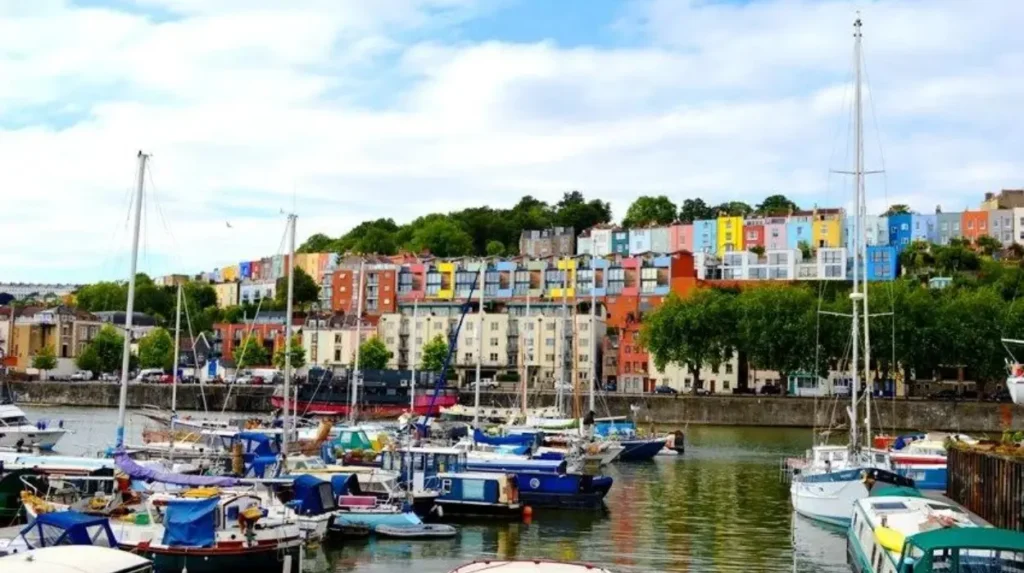
The Harbourside provides a different outdoor environment. The waterfront contains pedestrian areas, cultural venues, restaurants and public spaces.
The River Avon also influences the city’s landscape. Its gorge, waterways and surrounding hills contribute to Bristol’s distinctive geography.
These spaces help residents access outdoor recreation without travelling far outside the urban area.
What is Bristol like culturally and socially?
Bristol has a strong cultural identity shaped by music, street art, independent businesses, festivals, museums, theatres, food and historic architecture. The city combines established institutions with neighbourhood-level cultural activity across its diverse communities.
Culture is one of Bristol’s defining characteristics.
The city is internationally associated with street art, particularly through the work of Banksy, the Bristol-born anonymous artist whose work appears in several locations around the city.
Bristol also has established museums and cultural institutions. Bristol Museum & Art Gallery, M Shed, Arnolfini and Bristol Beacon form part of the city’s cultural infrastructure.
Music is another major component of local identity. Bristol has longstanding associations with trip-hop, electronic music, drum and bass and independent music venues.
Food culture is highly diverse. The city’s international population supports restaurants and food businesses representing cuisines from across the world.
Neighbourhoods also have strong local identities. Gloucester Road, Stokes Croft, Bedminster, Easton, Southville and Clifton each contain distinctive independent businesses and community spaces.
Is Bristol a diverse city?
Bristol is a highly diverse city with residents connected to more than 185 countries of birth, more than 287 ethnic groups, at least 45 religions and more than 90 languages. Diversity is visible across communities, workplaces, schools, food and culture.
Bristol’s demographic diversity is an established feature of city life.
The Bristol City Council population profile records more than 185 countries of birth, more than 287 ethnic groups, at least 45 religions and more than 90 languages spoken among residents.
This diversity affects everyday services and cultural activity. Restaurants, shops, community organisations, places of worship and cultural events reflect a wide range of backgrounds.
Areas such as Easton and St Pauls have particularly visible multicultural identities, while diversity exists throughout the city.
Bristol’s universities also contribute to international connections through students, academics and research networks.
What are the main advantages of living in Bristol?
Bristol’s main advantages include employment opportunities, strong universities, cultural diversity, green spaces, historic neighbourhoods and connections across South West England. The city also provides a large range of housing areas and local communities within one metropolitan area.
The strongest benefits are connected to Bristol’s combination of economic scale and urban diversity.
Employment opportunities extend across numerous sectors. The city is not dependent on one major industry.
Education is another major strength. Two large universities create substantial opportunities for study, research and graduate employment.
Cultural infrastructure provides museums, music venues, theatres, galleries, festivals and independent businesses.
Green space provides access to outdoor recreation within and around the city.
The city’s historic environment also gives many neighbourhoods distinctive architectural character.
Its location provides access to other major South West and UK destinations. Bath is nearby, while Cardiff, London, Birmingham and South Wales are accessible by road and rail.
Explore More Area Guide
Bristol for Young Professionals: Jobs, Rent and Lifestyle
Bristol for Students: Universities, Costs and Student Life
What are the main challenges of living in Bristol?
The main challenges of living in Bristol are housing costs, transport congestion, competition for accommodation and differences between neighbourhoods. Rapid population growth adds pressure to housing, infrastructure and public services across the urban area.
Housing affordability is the clearest challenge. Average private rent reached £1,883 per month in August 2026, while the average house price was £352,000 in July 2026.
Transport can also be difficult during busy periods. Bristol’s geography creates physical constraints, while high demand places pressure on major roads and public transport routes.
Population growth adds another dimension. The city’s population increased by an estimated 9.6% between 2015 and 2025.
The council’s long-term economic strategy therefore places emphasis on infrastructure, skills, business growth, sustainable development and thriving places.
Neighbourhood inequality is another consideration. Housing quality, property prices, access to green space, transport and local services vary significantly across Bristol.
Is Bristol a good place to live in the long term?
Bristol has strong long-term foundations through population growth, employment, universities, innovation, cultural infrastructure and economic diversification. Future living conditions depend on housing supply, transport investment, sustainable development and the city’s ability to manage continued growth.
Bristol’s long-term outlook is closely connected to its growing population and diversified economy.
The city is projected to reach approximately 526,600 residents by 2032, based on current population projections.
The council’s 2025–2035 economic strategy targets a fairer, greener and more productive city economy. It specifically identifies innovation, business growth, skills, global investment and local wealth building as strategic priorities.
This direction reflects Bristol’s transition from a historic port city into a major regional centre for technology, engineering, professional services, education and creative industries.
For residents, the long-term question is therefore not simply whether Bristol is growing. It is whether housing, transport, infrastructure, employment and public services keep pace with that growth.
Overall, living in Bristol means living in a large, diverse and economically important South West city with strong cultural and educational infrastructure. Its major advantages are its employment base, universities, neighbourhood variety, green spaces and national connections. Its principal pressures are housing affordability, congestion and the infrastructure demands created by population growth.
Is Bristol a good place to live?
Yes. Bristol offers strong employment opportunities, major universities, diverse neighbourhoods, cultural attractions, green spaces and good connections across South West England. Housing costs and transport congestion are important considerations.