Bristol offers family-friendly activities for children of different ages, from interactive science exhibitions and wildlife encounters to historic ships, outdoor playgrounds and free museums. Families can explore the city centre, enjoy its harbourside attractions, discover green spaces and plan affordable activities throughout the year.
- Why Is Bristol a Good City for Family Activities?
- What Are the Best Educational Attractions for Children in Bristol?
- Where Can Children See Animals and Marine Life in Bristol?
- Which Outdoor Activities Can Families Enjoy in Bristol?
- What Can Families Do for Free in Bristol?
- What Can Families Do Indoors on Rainy Days in Bristol?
- Which Bristol Activities Are Suitable for Toddlers and Preschool Children?
- What Can Teenagers Do in Bristol?
- How Can Families Plan a Full Day Out in Bristol?
- Example itinerary for younger children
- Example itinerary for school-age children
- Example itinerary for an outdoor family day
- When Is the Best Time to Visit Bristol With Children?
- How Can Parents Make Bristol Family Outings Easier and More Affordable?
- Why Should Families Include Bristol’s History and Culture in Their Itinerary?
Whether you are planning a weekend with toddlers, a school-holiday outing with primary-school children or an activity-filled day with teenagers, Bristol provides indoor and outdoor options. The city also connects families with countryside attractions, beaches and wildlife parks across Somerset and South Gloucestershire.
Why Is Bristol a Good City for Family Activities?
Bristol is a family destination with interactive museums, science attractions, historic ships, wildlife parks and public green spaces. Families can combine educational visits with outdoor play, waterfront walks and free cultural activities, making it suitable for different ages, interests and household budgets.
Bristol is a city in southwest England, close to Somerset, South Gloucestershire and the River Avon. Its maritime history, engineering heritage, creative industries and extensive parks provide several types of family entertainment within one destination.
The city centre contains attractions around Bristol Harbour, Millennium Square and the historic waterfront. Families can visit museums, watch boats, explore science exhibitions and walk between nearby venues without planning a separate journey for every activity.
Areas beyond the centre provide additional options. Ashton Court Estate offers open countryside and outdoor recreation, while Blaise Castle Estate combines woodland, parkland and historic features. The Cribbs Causeway area provides access to Bristol Zoo Project and other family attractions.
Visit Bristol, the city’s official visitor information service, lists science centres, aquariums, historic ships, parks and indoor play venues among its family attractions.
What Are the Best Educational Attractions for Children in Bristol?
Bristol’s educational attractions include We The Curious, Bristol Museum and Art Gallery, M Shed and Brunel’s SS Great Britain. These venues introduce children to science, history, art, engineering and maritime life through exhibitions, collections and interactive learning experiences.
Family outings can combine entertainment with learning. Science centres encourage experimentation, museums explain historical events, and heritage attractions help children understand how people lived and worked in earlier periods.
We The Curious
We The Curious is a science centre on Bristol’s Harbourside. It features more than 200 hands-on exhibits across two floors and the UK’s only 3D Planetarium, according to its official visitor information.
Children can investigate subjects ranging from bubbles and rainbows to the human brain, robots and weather. Interactive exhibits encourage visitors to experiment, observe results and ask questions about the world around them.
The Planetarium offers presenter-led shows about space and astronomy. Families can check age recommendations and show availability before booking. We The Curious also runs creative activities, workshops and sessions for younger children.
Bristol Museum and Art Gallery
Bristol Museum and Art Gallery introduces children to art, natural history, archaeology and world cultures. Its collections provide opportunities to explore fossils, animals, historical objects and artistic traditions in one building.
A museum visit works particularly well for school-age children studying dinosaurs, ancient civilisations, wildlife or local history. Parents can use individual exhibits as starting points for discussions about scientific discoveries and historical evidence.
The museum is part of Bristol’s public museum service. General entry to Bristol’s listed city museums is free, although some special exhibitions or activities require payment. Families should check the official website for current opening times and event arrangements.
M Shed
M Shed explores Bristol’s history from prehistoric times to the present. Its displays examine the city’s people, places, transport, industries and changing relationship with the wider world.
Children can discover how Bristol developed as a port, how transport changed over time and how different communities shaped the city. The museum’s working exhibits, including historic dockside machinery, help connect historical displays with the waterfront outside.
M Shed offers free general admission, making it a practical choice for families planning a low-cost day out. Special events, workshops and family sessions operate at selected times.
Brunel’s SS Great Britain
Brunel’s SS Great Britain is a historic passenger ship designed by engineer Isambard Kingdom Brunel. It helps families explore the development of steam-powered sea travel and the engineering innovations of the nineteenth century.
Children can investigate the ship’s decks, learn about Victorian travel and discover how passengers and crew experienced life at sea. The attraction connects maritime history with practical topics such as shipbuilding, propulsion and international trade.
Allow enough time to explore the ship and its associated visitor exhibitions. Check current admission prices, accessibility information and opening times before travelling.
Where Can Children See Animals and Marine Life in Bristol?
Children can discover marine life at Bristol Aquarium, observe wildlife at Bristol Zoo Project and meet farm animals at Windmill Hill City Farm. These attractions introduce families to animal habitats, biodiversity, conservation and the responsibilities involved in caring for living creatures.
Animal attractions suit children who enjoy observing wildlife and learning about the natural environment. Families can choose between an indoor aquarium, a larger wildlife park or a community farm, depending on the children’s ages and interests.
Bristol Aquarium
Bristol Aquarium is an indoor attraction featuring marine and freshwater environments. It provides opportunities for children to observe fish and other aquatic animals while learning about underwater habitats.
An aquarium visit introduces subjects such as food chains, species diversity and the importance of protecting aquatic ecosystems. Younger children can practise identifying animals, while older children can investigate the differences between freshwater and marine habitats.
Because the attraction is indoors, it provides an alternative to outdoor activities during wet weather. Check the official visitor information for current admission prices, opening times and any scheduled talks or activities.
Bristol Zoo Project
Bristol Zoo Project is a wildlife and conservation attraction covering approximately 50 acres. Its animals include giraffes, lemurs, bears, lynxes and cheetahs, alongside woodland areas, gardens and open spaces.
Families can explore animal habitats, learn about conservation programmes and attend selected animal talks or feeding sessions. The outdoor setting also provides space for walking and taking breaks between exhibits.
A visit generally requires more time than a short city-centre attraction because of the size of the site. Comfortable footwear, weather-appropriate clothing and a planned lunch break help families organise the day.
The project is near junction 17 of the M5 motorway, close to Cribbs Causeway. Check its official website for transport guidance, admission arrangements and current animal experiences.
Windmill Hill City Farm
Windmill Hill City Farm offers a community-based farm experience within the city. Families can explore its outdoor areas, discover farm animals and learn about food production, gardening and urban green spaces.
The farm provides a different experience from a large wildlife attraction. Its community setting helps children understand the relationship between animals, growing food and everyday life. Families can combine a visit with a walk around Bedminster.
Check the farm’s current visitor information before travelling, particularly if your family wants to see specific animals or attend a scheduled activity.

Which Outdoor Activities Can Families Enjoy in Bristol?
Bristol offers outdoor family activities at Ashton Court Estate, Blaise Castle Estate, Brandon Hill and its harbourside walkways. These locations provide space for walking, cycling, wildlife spotting, picnics and playground visits, with options for different abilities and activity levels.
Outdoor activities give children opportunities to move, explore and spend time away from screens. Bristol’s public parks and open spaces also provide lower-cost alternatives to ticketed attractions.
Ashton Court Estate
Ashton Court Estate is a large historic estate west of Bristol city centre. It is known for open parkland, woodland, walking routes and deer.
Families can organise a picnic, follow walking paths, observe wildlife and explore the landscape. Older children can enjoy suitable cycling routes, while younger visitors benefit from shorter walks with regular stops.
The estate’s open spaces suit families who want outdoor time without committing to a full day at a paid attraction. Weather conditions and the length of the chosen route should determine what children wear and how much equipment the family brings.
Blaise Castle Estate
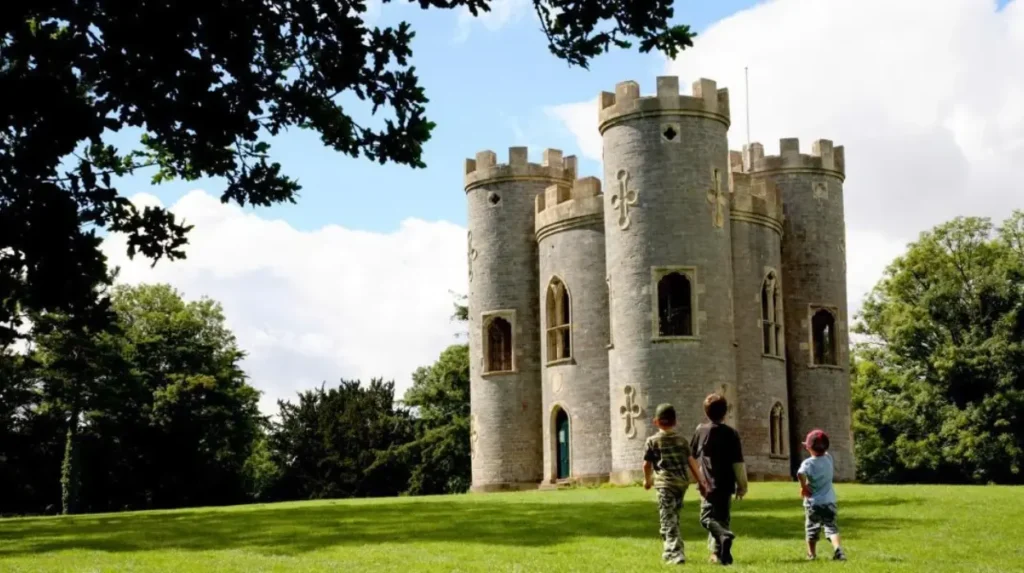
Blaise Castle Estate combines parkland, woodland paths, historic features and family recreation. The estate provides a setting for nature walks, outdoor games and imaginative exploration.
Children can observe seasonal changes, look for birds and insects, and explore the estate’s landscape with an adult. Families can adapt their route to the children’s stamina and the weather.
Blaise Museum, located within the estate, adds a historical dimension to the visit. Bristol Museums identifies the museum as a place to learn about historic clothing, toys and domestic life.
Brandon Hill and Cabot Tower
Brandon Hill is a central green space known for its paths and views across Bristol. Cabot Tower stands within the park and provides a prominent local landmark.
Families can combine a short walk with a picnic and views of the city. The uphill paths require more effort than a flat harbourside stroll, so parents with pushchairs should assess the route before setting out.
Cabot Tower access and opening arrangements should be checked in advance. The park itself provides an outdoor option for families who want a break between museums and other central attractions.
What Can Families Do for Free in Bristol?
Families can enjoy free activities in Bristol by visiting public parks, exploring selected museums, walking along the Harbourside and using local libraries. Bristol Museum and Art Gallery and M Shed offer free general admission, although special exhibitions and selected activities have separate charges.
A family day out does not require paid admission at every stop. Bristol combines public green spaces with cultural venues and community facilities, allowing families to build an itinerary around free activities.
Visit free museums
Bristol’s public museum service includes free-entry venues such as M Shed and Bristol Museum and Art Gallery. Families can explore collections, learn about local history and introduce children to art and natural science without buying standard admission tickets.
Some exhibitions, workshops and special events require payment or advance booking. Check the venue’s official information before travelling to avoid unexpected costs.
Explore Bristol Harbourside
The Harbourside offers a public waterfront setting where children can watch boats, observe the changing activity around the docks and enjoy a walk between nearby attractions.
Families can connect a waterfront walk with Millennium Square, M Shed and other central destinations. Keep children close to adults around the water’s edge and follow local safety signs.
Use Bristol’s libraries
Bristol libraries provide children’s reading spaces and selected free activities. Bristol City Council highlights Storytime sessions for children under five and Baby Bounce and Rhyme activities for babies from birth to 18 months.
These sessions introduce young children to books, songs, language and group activities. Availability differs by library and date, so families should check local schedules before attending.
What Can Families Do Indoors on Rainy Days in Bristol?
Families can plan rainy-day activities in Bristol around science exhibitions, aquariums, museums, indoor play centres and creative attractions. We The Curious, Bristol Aquarium and the city’s museums provide indoor alternatives, while soft-play venues offer active entertainment for younger children.
Bristol’s weather makes indoor alternatives useful throughout the year. Families should choose activities based on children’s ages, energy levels and interests rather than relying on outdoor plans alone.
Indoor play and trampoline centres
Soft-play centres provide padded climbing structures, slides and age-appropriate play equipment. Trampoline parks, including AirHop Bristol, offer more physically active entertainment for children who enjoy jumping and movement.
Parents should check age limits, supervision requirements, session lengths and clothing rules before booking. Some activities require advance reservations, particularly during weekends and school holidays.
Wake The Tiger
Wake The Tiger is an immersive art attraction built around imaginative environments, unusual installations and interactive experiences. Its colourful, sensory approach provides an alternative to traditional museum displays.
Families can explore the attraction together, discuss its visual details and allow children to engage with the different spaces. Check age guidance, accessibility details, session availability and ticket prices before visiting.
Which Bristol Activities Are Suitable for Toddlers and Preschool Children?
Toddlers and preschool children benefit from short, flexible activities such as library story sessions, playground visits, gentle farm experiences and interactive museum activities. Bristol offers family programmes for young children, including Baby Bounce and Rhyme, Storytime and selected toddler sessions at cultural venues.
Young children usually need more breaks than older children. A half-day outing with one main attraction and time for food or outdoor play often provides a manageable structure.
Choose activities with simple participation
Libraries offer early-years sessions built around stories, songs and rhymes. These activities support listening, communication and early language development while giving parents and children an opportunity to participate together.
Farms and playgrounds provide different experiences. Children can observe animals, explore outdoor textures and practise physical movement in spaces designed for public use.
Plan around naps and facilities
Families with babies and toddlers should check whether a venue provides baby-changing facilities, accessible toilets, food options and suitable spaces for resting. Pushchair access also varies between historic buildings, outdoor paths and indoor attractions.
Bristol’s official family information and individual venue websites provide practical visitor details. Checking these details before leaving home helps parents avoid unnecessary travel and organise a suitable pace.
What Can Teenagers Do in Bristol?
Teenagers can explore Bristol’s street art, try surfing at The Wave, visit immersive attractions, attend live performances or discover the city’s engineering heritage. These activities combine creative expression, physical challenges, social experiences and independent exploration for older children.
Teenagers often prefer activities that allow active participation rather than observation alone. Bristol’s creative venues, sports attractions and cultural sites offer ways to match family outings with these interests.
Discover Bristol’s street art
Bristol is internationally associated with street art, including work by Banksy. Families can explore publicly visible murals through self-guided walks or organised tours, subject to current route information.
Street art provides a starting point for discussions about design, public space and visual communication. Teenagers interested in art can also investigate workshops that introduce spray-paint techniques under supervised conditions.
Try surfing at The Wave
The Wave is an inland surfing destination near Bristol. It provides a controlled setting for surfing sessions without requiring a trip to the coast.
Families should check minimum ages, swimming ability requirements, equipment arrangements and lesson availability before booking. A supervised introductory session provides a structured way for eligible teenagers to learn the activity.
Attend a performance or sporting event
Bristol’s theatres, cinemas and sporting venues provide options for families who prefer scheduled entertainment. Bristol Old Vic, the Bristol Hippodrome and Ashton Gate Stadium are examples of venues associated with theatre, live entertainment and sport.
Check the event calendar, age suitability, ticket prices and travel arrangements before making plans.
How Can Families Plan a Full Day Out in Bristol?
Families can plan a successful Bristol day out by choosing one main attraction, adding a nearby outdoor activity and allowing time for meals and travel. Grouping venues by location reduces unnecessary journeys and gives children enough time to enjoy each experience.
A practical itinerary should reflect the children’s ages, available budget and expected weather. Bristol’s central attractions are suitable for a walking-based day, while wildlife parks and larger estates often require additional travel time.
Example itinerary for younger children
Start the morning at Bristol Aquarium, where children can explore aquatic habitats indoors. After the visit, walk along a suitable section of the Harbourside and stop for lunch.
Spend the afternoon at a nearby playground or return to accommodation for rest. This schedule keeps the main attraction and outdoor activity within the same general area.
Example itinerary for school-age children
Begin at We The Curious and allow time for interactive exhibits. Add a Planetarium show if the schedule and age recommendations suit the children.
After lunch, explore the waterfront or visit M Shed. Both options introduce Bristol’s history and harbour environment without requiring a long journey across the city.
Example itinerary for an outdoor family day
Spend the morning at Ashton Court Estate or Blaise Castle Estate. Choose a suitable walking route, observe wildlife and take a picnic if weather conditions allow.
Keep the afternoon flexible. Families can shorten the walk, visit a nearby café or add a museum visit if the weather changes.
When Is the Best Time to Visit Bristol With Children?
Bristol supports family activities throughout the year, with outdoor walks and parks suited to suitable weather and indoor museums, aquariums and play centres providing alternatives in colder or wetter conditions. School holidays also bring special events, workshops and family programmes.
Spring and summer provide opportunities for picnics, estate walks and outdoor play. Autumn suits woodland exploration and museum visits, while winter encourages indoor attractions and seasonal events.
School holidays can increase demand at popular venues. Booking ahead is sensible for timed attractions, workshops, surfing sessions and special events. Families should also check for seasonal opening changes and temporary closures.
Bristol’s official tourism website lists family events and attraction ideas, while Bristol City Council provides information about libraries, parks and activities for children. Checking both resources helps families match plans to the date of their visit.
Explore More Area Guide
Family-Friendly Bristol Guide: Best Attractions and Activities for Kids
Bristol Landlords’ Guide to Property Licensing and Rental Rules
How Can Parents Make Bristol Family Outings Easier and More Affordable?
Parents can control the cost of family outings by combining free museums and parks with one paid attraction, carrying snacks and checking transport options before travelling. Advance planning also helps families confirm accessibility, opening hours, age restrictions and ticket requirements.
A simple budget should account for admission, transport, meals, parking and optional activities. Free museum entry and public parks provide opportunities to reduce the total cost without removing educational or outdoor experiences.
Families should check whether children qualify for reduced admission and whether online bookings offer different prices. These details vary between venues and change over time.
Accessibility also deserves attention. Parents travelling with pushchairs or children with additional needs should review step-free routes, accessible toilets, quiet spaces and sensory information before visiting. Bristol’s official visitor guidance identifies accessible family attractions, and individual venues publish further details.
For families eligible for support during school holidays, Bristol City Council’s Holiday Hub Bristol provides information about fully funded holiday clubs and activities for eligible children from Reception to Year 11. Eligibility conditions apply, including benefits-related free school meal criteria.
Why Should Families Include Bristol’s History and Culture in Their Itinerary?
Bristol’s history and culture give children opportunities to learn about maritime trade, engineering, art and community life. Attractions such as M Shed and Brunel’s SS Great Britain connect the city’s past with its present, while street art and performances introduce contemporary creativity.
Bristol’s development as a port shaped its industries, transport links and connections with other parts of the world. Museums help children examine this history, including the city’s involvement in the transatlantic slave trade and the lasting consequences for communities.
Engineering also forms a major part of Bristol’s identity. Brunel’s SS Great Britain demonstrates nineteenth-century ship design, while Aerospace Bristol explores the region’s aviation heritage and features the last Concorde to fly.
Creative activities provide another perspective. Street art walks, family workshops and live performances introduce children to visual expression, music and theatre. Families can choose activities that suit the children’s interests while creating a more varied visit.
Bristol’s combination of education, recreation, wildlife and public green spaces makes it possible to plan family outings for different ages and budgets. By checking current visitor information and grouping activities by location, parents can build a practical itinerary that balances learning, play, rest and exploration.
What are the best things to do with kids in Bristol?
Popular family activities in Bristol include visiting We The Curious, exploring Bristol Aquarium, discovering Bristol Zoo Project, touring Brunel’s SS Great Britain and enjoying outdoor spaces such as Ashton Court Estate.