Key Points
- Incident Overview: A single seafarer has been successfully pulled out of his sinking yacht in the Bristol Channel after the yacht became stuck on a sandbank.
- Emergency Measures: Lifeboats from Porthcawl and The Mumbles RNLI volunteer crews were dispatched shortly before 15:00 BST in response to a distress signal.
- Difficult Weather Conditions: The rescuers were facing very poor weather conditions and had difficulty locating the vessel even with the help of the radar device.
- Critical Signal: Only when the seafarer started a red flare did the rescuers finally spot him.
- Successful Rescue Operation: A member of the crew board the yacht in order to help the man who was quickly transferred aboard the lifeboat just before the yacht sank.
- Praise from the Authority: The Porthcawl RNLI authority praised the casualty for having the proper safety equipment and several means of calling for assistance.
Bristol (Bristol Express News) October 16, 2026 – A lone sailor was safely rescued from the Bristol Channel after his yacht ran aground and rapidly took on water, with volunteer lifeboat crews arriving just moments before the vessel completely sank beneath the waves.
How did the RNLI rescue the lone sailor in the Bristol Channel?
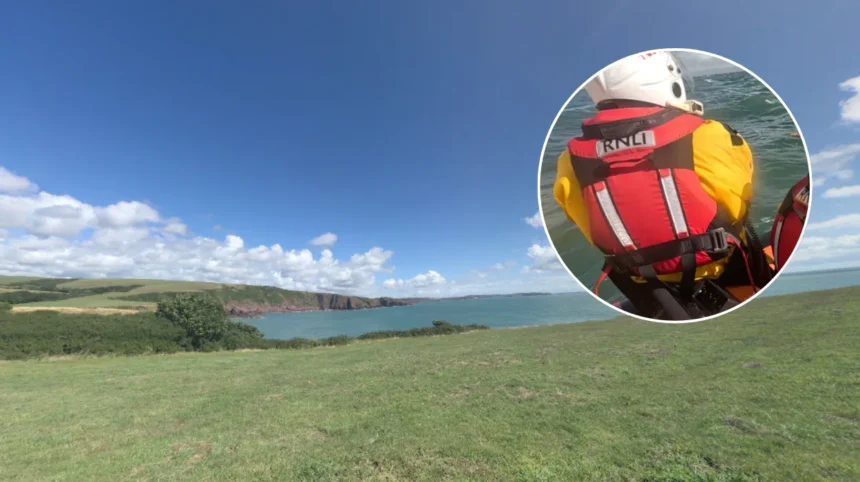
As reported by Oscar Edwards of BBC Wales, footage captured the dramatic moment of the rescue after RNLI volunteer crews from Porthcawl and The Mumbles were alerted to a vessel that had run aground. A lifeboat was launched just after 15:00 BST toward a sandbank in the Bristol Channel.
As reported by Oscar Edwards of BBC Wales, Andrew Walmsley from Porthcawl RNLI commended the rescue crew for doing a “great job” in difficult conditions, emphasizing that time was of the essence. The RNLI noted that the lifeboat set off in “challenging conditions,” and crews were initially unable to spot the boat. A spokesperson added,
“Due to the conditions, the crew were also struggling to locate them using radar.”
The situation changed when the sailor fired a red flare, allowing rescuers to spot the vessel. As reported by Oscar Edwards of BBC Wales, upon arriving at the scene, crews realised the yacht had taken on a “significant amount of water.”
Explore more Local Bristol News
Bristol City Council Proposed 20mph Speed Limits Main Roads 2026
Bristol Pool Player Makes History Winning World Championship in 2026
What led to the final moments before the yacht sank?
As reported by Oscar Edwards of BBC Wales, the RNLI stated that a decision was made to put a crew member onboard the yacht to help, at which point it became clear they had to get the sailor off as quickly as possible. The sailor was transferred to the lifeboat moments before the boat sank.
Once a second crew arrived, the sailor was transferred to the all-weather lifeboat and taken safely ashore at Swansea.
What safety advice did the RNLI issue following the incident?
Speaking on the inherent dangers of the area, Andrew Walmsley, an RNLI lifeboat operations manager, stated that the Bristol Channel can
“present people with challenging conditions where it can be easy to get caught out.”
As reported by Oscar Edwards of BBC Wales, Andrew Walmsley added,
“We would like to commend the casualty for being prepared and having multiple means to call for help as well as appropriate safety equipment.”
In response to the incident, the RNLI shared water safety advice on its website, reiterating that individuals should call 999, 112, or the Coastguard if they run into trouble in the water.
Background of the Particular Development
Marine rescues along the Bristol Channel highlight the persistent navigational hazards presented by its unique geography, which features some of the highest tidal ranges in the world. The channel’s shifting sandbanks, strong currents, and unpredictable weather frequently catch mariners unawares. Organizations like the Royal National Lifeboat Institution (RNLI) maintain dedicated stations along the Welsh and English coastlines, such as Porthcawl and The Mumbles, to respond rapidly to maritime emergencies. Continuous training and adherence to safety protocols remain critical components in mitigating the risks associated with coastal navigation in these demanding waters.
This maritime rescue incident serves as a vital reminder for the broader coastal boating community and recreational sailors operating in turbulent waters like the Bristol Channel. The emphasis placed by rescue authorities on proper preparedness—such as carrying visual distress signals like red flares and multiple communication devices—is expected to reinforce safety compliance among regional mariners. Increased awareness regarding pre-departure checks and emergency signaling can lead to faster response times, potentially reducing critical injuries or fatalities in future coastal incidents.