Key Points
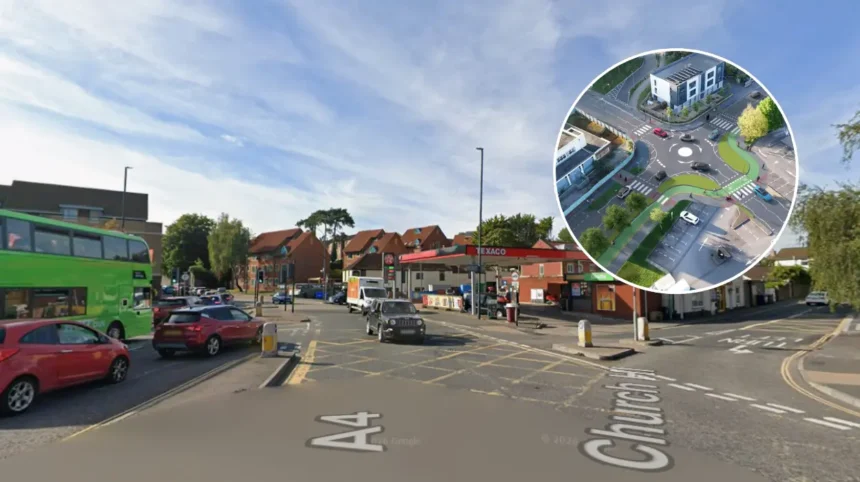
- Brislington Retail Park Not Included: Following a consultation process, the Brislington Retail Park is no longer included in any proposals relating to low-traffic and environmental improvements on the A4 Bath Road corridor between Brislington and Totterdown.
- Ditching Hungerford Road Bus Gate: Proposals for the controversial bus gate on Hungerford Road have also been dropped following opposition from the residents of the area.
- Alternative Transport Solutions Proposed: The authorities plan to continue looking into safety and rat running issues on Hungerford Road despite the cancellation of the bus gate proposal.
- Additional Infrastructure Improvements: The changes include installing a zebra crossing at the Hill Lawn and Sherwell Road junction as part of efforts to provide improved access to bus stops and the Nightingale Valley nature reserve.
- Extended Hours for Bus Lane: There will be an extension of operating hours for the inbound bus lane on to Bath from three hours per day to seven hours, from 7:00 AM until 6:30 PM on weekdays.
- Explanation of Changes: According to a WECA report, additional consideration needs to be provided for the commercial, residential, and commuter requirements of the A4 corridor.
- Future Decisions: The West of England Combined Authority and the Bristol City Council will both be examining the new proposals over the next few months.
Bristol (Bristol Express News) October 23, 2026 – Brislington Retail Park and Hungerford Road have been officially excluded from proposed environmental and low-traffic updates along the A4 Bath Road corridor following public feedback. Transport authorities confirm that while certain restrictive measures have been dropped, extended bus lane hours and pedestrian upgrades remain central to the revised strategy heading to council reviews.
Why Was Brislington Retail Park Removed From the Low-Traffic Scheme?
As reported by Molly Pipe of Bristol24/7, a major shopping area has been explicitly removed from plans to update Bath Road and nearby streets to make them more environmentally friendly. Brislington Retail Park was originally intended to form part of the designated scheme area, which spans between Brislington and Totterdown. However, following a public consultation exercise, proposals concerning the retail park have been dropped.
Elaborating on the decision, a West of England Combined Authority (WECA) report stated, as reported by Molly Pipe of Bristol24/7:
“The proposed changes require further consideration to fully understand their local impacts and how they might align with wider transport plans and priorities for the local area.”
The report further noted, as documented by Molly Pipe of Bristol24/7:
“Bristol City Council and the West of England Combined Authority will continue to explore the most appropriate way to address transport challenges in this area.”
What Other Changes Were Made Following the Public Consultation?
Alongside the retail park, plans for Hungerford Road underwent significant alterations. Specifically, suggestions to introduce a bus gate on Hungerford Road proved unpopular with local residents and were subsequently scrapped, as outlined by Molly Pipe of Bristol24/7.
Despite dropping the bus gate, the council and WECA indicated that they will continue examining potential adjustments for the road. Consultation respondents widely acknowledged that the area continues to suffer from persistent safety and rat-running issues, according to reporting by Molly Pipe of Bristol24/7.
To offset these changes and improve pedestrian infrastructure, alternative additions were introduced. As noted by Molly Pipe of Bristol24/7, modifications now incorporate a brand-new zebra crossing situated at the Hill Lawn and Sherwell Road junction. This addition is designed to facilitate safer crossing access toward local bus stops and the Nightingale Valley nature reserve.
Furthermore, alterations target the corridor’s transit efficiency. As reported by Molly Pipe of Bristol24/7, the operating hours for the side of the road heading towards Bath have been significantly extended. Moving away from a limited schedule covering only three hours a day from Monday to Friday, the bus lane restrictions will now span from 7:00 AM to 6:30 PM.
Explore more Brislington News
The Lodekka Pub Closes For Major Refurbishment In Bristol 2026
Firewater Chemical Runoff Kills Endangered European Eels in Brislington Brook 2026
How Do Regional Leaders View the Revised Transport Strategy?
Addressing the ongoing adjustments to the corridor, West of England mayor Helen Godwin shared her perspective on the project. As quoted by Molly Pipe of Bristol24/7, Helen Godwin stated:
“Anyone in our region who has travelled along the A4 between Bath and Bristol knows only too well that traffic is often a problem. I want to thank everyone who had their say during the consultation to help shape these plans.”
Emphasizing the broader regional objectives, Helen Godwin added, as reported by Molly Pipe of Bristol24/7:
“We are determined to deliver more reliable travel options for people to get around the West of England, working with the council, including improved road safety around a number of local schools including Holymead Infant and Junior Schools and The Kingfisher School.”
With the consultation phase concluded and revisions finalized, the proposals face a final series of evaluations. As highlighted by Molly Pipe of Bristol24/7, there remains a formal path ahead, with both WECA and Bristol City Council scheduled to formally consider the updated proposals over the coming months.
Background of the Particular Development
The adjustments to the A4 Bath Road low-traffic scheme represent the latest chapter in ongoing efforts by local authorities in Bristol and the West of England Combined Authority (WECA) to tackle chronic congestion, improve air quality, and encourage active travel across vital commuter arteries. The A4 corridor connecting Bristol and Bath has long experienced heavy vehicular volumes, serving as a critical economic and residential link. Previous urban planning initiatives across Bristol have frequently encountered friction between regional decarbonisation goals and hyper-local commercial or residential convenience. Public consultations on low-traffic neighborhoods, liveable neighborhoods, and bus priority corridors have routinely sparked rigorous public debate, forcing authorities to continuously adapt infrastructure blueprints to balance commuter flow, retail accessibility, and neighborhood safety.
This development will likely shift traffic management dynamics significantly for local motorists, retail patrons, and residents living along the Brislington and Totterdown corridors. By removing Brislington Retail Park and the Hungerford Road bus gate from the immediate low-traffic package, authorities have avoided immediate friction points with shoppers and residential drivers, potentially dampening local opposition in the short term. However, the extension of inbound bus lane operating hours from 7:00 AM to 6:30 PM will place a heavier compliance burden on motorists traveling towards Bath during peak and daytime hours, likely compressing general traffic into fewer lanes and requiring drivers to adapt their daily commuting patterns. Meanwhile, pedestrian-focused enhancements—such as the new zebra crossing near Nightingale Valley and targeted safety measures around Holymead Infant and Junior Schools and The Kingfisher School—will provide tangible safety benefits for families and children, even as transport planners return to the drawing board to address lingering rat-running and localized congestion challenges.