Key Points
- Full Apology Offered: An “unreserved” apology was offered by Bristol City Council to gender-critical campaigners Dr. Phoebe Beedell and Wendy Stephenson following their exclusion from council meetings and from City Hall.
- Withdrawal of Claims: All the claims made against the conduct of the women causing councillors to be “intimidated” or disturbed were withdrawn by the local authority.
- Recognition of Flaws: It was officially admitted by the council that it did not give an opportunity for response to the women in regard to complaints and investigation prior to issuing a six-month ban.
- Legal Case Settled Out of Court: After filing a case in the High Court under judicial review process, it was decided out of court that Bristol City Council would pay part of the legal fees of the campaigners.
- Reversal of Policy: Six months ban imposed on them was withdrawn by the council and any references to the complaints against them have been erased from their records.
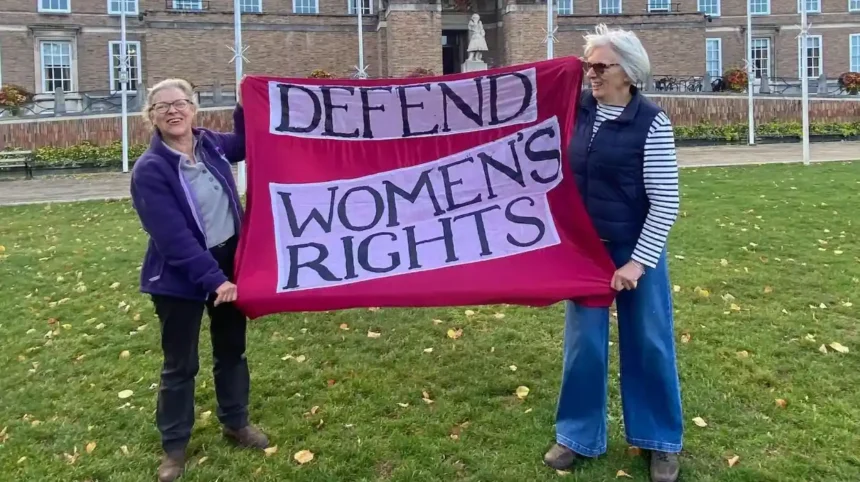
BBristol (Bristol Express News) October 30, 2026 — Bristol City Council has issued an unreserved apology and agreed to pay substantial legal costs to gender-critical women’s rights campaigners Dr Phoebe Beedell and Wendy Stephenson after unlawfully banning them from public meetings for six months without investigation, successfully concluding a High Court judicial review settlement.
Why Did Bristol City Council Issue an Unreserved Apology to the Campaigners?
As reported by Hannah Miller, Political Reporter for BBC News in Bristol, Bristol City Council has offered an unreserved apology to gender-critical campaigners Dr Phoebe Beedell and Wendy Stephenson after imposing an administrative ban barring them from attending public council meetings and accessing City Hall. The municipal authority conceded that it had failed to follow proper legal administrative procedures before barring the pair, admitting that it should have carried out a formal investigation and granted both women an opportunity to respond to complaints made against them.
As reported by Lucy Johnston of GB News, the dispute originally escalated when the council moved to exclude the campaigners after they raised questions regarding municipal gender-identity policies during public chamber sessions. According to municipal officials, the decision to bar the campaigners was initially taken on the grounds that their presence and questioning led some local councillors to feel “intimidated” during discussions on trans-inclusive policies. However, following formal judicial review proceedings initiated in the High Court, the local authority withdrew the allegations entirely, confirming in a joint public statement that the exclusions were inappropriate and procedurally flawed.
As reported by Alex Turner of Bristol24/7, the formal statement released by Bristol City Council confirmed the full revocation of the bans, noting that all recorded allegations against Dr Beedell and Ms Stephenson had been rescinded and scrubbed from official records. In its official statement, the council accepted that the procedural safeguards designed to protect public participation had been bypassed, resulting in an unlawful restriction on the democratic rights of local citizens. Furthermore, the local authority agreed to reimburse a proportion of the legal fees incurred by the campaigners throughout their legal pushback.
Explore more Bristol Council News
Bristol City Leap Clean Energy Project Unchanged After Sale in Bristol 2026
UK Councils Restricting Harmful Advertising Maintain Revenue in 2026
How Did the Campaigners Challenge the Council’s Decision in Court?
As reported by Local Government Lawyer, the controversy began when Dr Phoebe Beedell and Wendy Stephenson, both active members of the grassroots group Women of Wessex (WoW), were informed that they were banned from all full council and committee meetings at City Hall for a duration of six months. The decision followed heated public debates surrounding council policies and definitions regarding biological sex and gender identity.
Refusing to accept the administrative sanctions, the campaigners retained legal counsel and applied for a judicial review at the High Court, contending that Bristol City Council had acted ultra vires (beyond its legal powers), violated their constitutional right to freedom of expression under Article 10 of the European Convention on Human Rights, and breached the principles of natural justice by denying them a fair hearing prior to imposing punitive measures.
As reported by Lucy Johnston of GB News, Ms Stephenson previously publicly criticized the council’s administrative approach, stating:
“What we’re seeing is a wholesale disregard for the biological sex of women in favour of gender identity ideology.”
Ms Stephenson further questioned the terminology used within council policy documents, stating:
“People with ovaries are women. People who give birth are women. Why is the council so intent on erasing women?”
Faced with the prospect of an expensive and high-profile High Court hearing, council lawyers sought an out-of-court settlement, culminating in the complete retraction of the ban, a formal withdrawal of all misconduct claims, and an undertaking to contribute towards the claimants’ legal expenses.
What Is the Background to This Particular Development?
The dispute between Bristol City Council and gender-critical activists forms part of a broader, long-running debate across United Kingdom local government regarding public participation rights, trans-inclusive policies, and protected characteristics under the Equality Act 2010. Over recent years, several local councils have faced intense scrutiny over how they manage public gallery contributions, petitions, and questions during council chamber meetings when handling contentious social topics.
Under English administrative law, local authorities possess powers to maintain order during public proceedings and ensure the safety and well-being of elected members and staff. However, these administrative powers are constrained by statutory public access laws, including the Local Government Act 1972, which guarantees citizens the right to attend meetings of local council bodies, subject to strict procedural exemptions.
In this case, the decision by Bristol City Council to bar Dr Beedell and Ms Stephenson without a formal investigation or an opportunity for defense was challenged as an overreach of council authority. The outcome aligns with growing legal precedent established by English courts, which emphasizes that holding beliefs on biological sex is protected under the Equality Act 2010 (as established in landmark rulings such as Forstater v CGD Europe), and that local authorities must maintain strict neutrality, procedural fairness, and compliance with human rights frameworks when managing public discourse in democratic spaces.
How Can This Development Affect Local Authorities and Campaigners?
This high-profile legal settlement and public apology from Bristol City Council is likely to have significant ramifications for local authorities, public bodies, and campaign groups across the United Kingdom:
- Higher Procedural Hurdles for Councils: Local authorities across England and Wales will face increased legal pressure to review their standing orders and public gallery conduct protocols. Councils will be far less likely to issue summary exclusions or bans against members of the public without first conducting exhaustive, independent investigations and offering robust rights of reply.
- Protection for Protected Beliefs in Public Chambers: The settlement reinforces the legal protection afforded to gender-critical views as protected philosophical beliefs under the Equality Act 2010. Public bodies will need to exercise extreme caution to avoid actions that could be construed as political censorship or discrimination against citizens holding lawful, protected views during public access sessions.
- Increased Financial Risk for Local Government: By agreeing to pay a portion of the legal costs following a judicial review filing, Bristol City Council has highlighted the financial risks local councils incur when failing to adhere to administrative due process. Other local authorities facing similar legal challenges may be motivated to settle early or adapt their policies to prevent costly legal battles funded by taxpayers.
- Empowerment of Grassroots Campaigners: The outcome provides a clear precedent for advocacy groups and campaigners across the political spectrum, demonstrating that administrative sanctions imposed by public bodies can be successfully overturned through formal judicial review if natural justice and procedural fairness are compromised.