Key Points
- Interactive Heritage Gallery: An interactive visual journey chronicles the history of Bristol, providing a comparison between historical structures and modern street scenes.
- Historical Changes on King Street: Historical photos from the 1880s show the preservation of King Street with such buildings as Cooper’s Hall, St Nicholas’ Almshouses, and the Bristol Old Vic that is known to be the oldest continually operating theatre in the English-speaking world.
- Bristol Blitz Damage to Wine Street: Photos are used to provide evidence of destruction of Wine Street caused by the Bristol Blitz of 24-25 November 1940 that destroyed many areas of the historical city center that now belongs to Castle Park.
- Architectural Signpost: The spire of Christ Church with St Ewen is the remaining visual marker connecting the pre-war layout of Wine Street with the current one.
- Restoration of SS Great Britain: Photos chronicle the 1970 return of SS Great Britain of Isambard Kingdom Brunel from the Falkland Islands back to the River Avon.
Bristol (Bristol Express News) November 6, 2026 — A newly released interactive image gallery documents the profound structural evolution of Bristol, illustrating how centuries of maritime commerce and catastrophic wartime bombardment physically reshaped the city’s urban core. The photographic comparison focuses on key historical hubs—including King Street, Wine Street, and the Great Western Dockyard—tracing their trajectories from the late 19th century through the devastation of the Blitz to ongoing restoration efforts.
- How Has King Street Transformed from an 1880s Commercial Hub into a Nightlife Centre?
- How Did the 1940 Bristol Blitz Alter the Landscape of Wine Street and Castle Park?
- What Is the Recovery Story of the SS Great Britain Following Its 1970 Return?
- Background of the Particular Development
- How This Development Affects Local Residents, Historians, and the Tourism Economy
How Has King Street Transformed from an 1880s Commercial Hub into a Nightlife Centre?
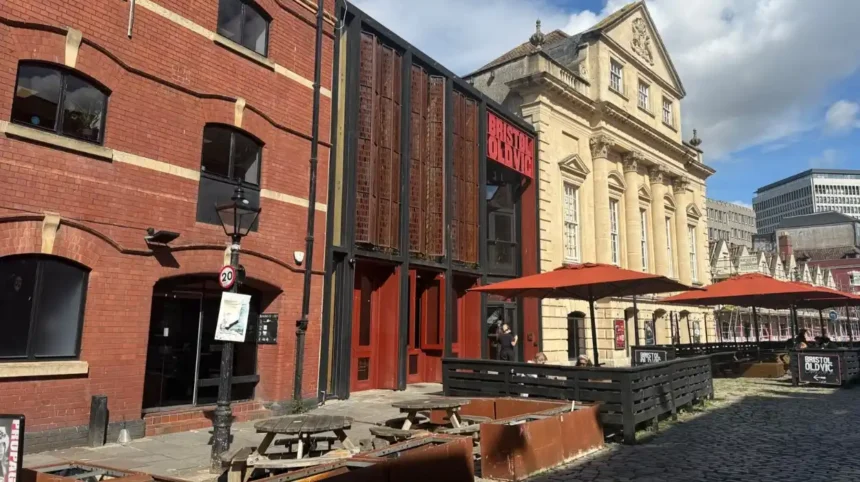
As reported by Bea Swallow and Steve Mellen of BBC News, an archival photograph dating back to the 1880s captures the architectural footprint of King Street during the height of late-Victorian commerce. The image captures key structural landmarks, including Coopers’ Hall, St Nicholas’ Almshouses, and the Theatre Royal, which is now home to the Bristol Old Vic.
As reported by Bea Swallow and Steve Mellen of BBC News, local historians and residents emphasize that the Bristol Old Vic holds the distinction of being “the oldest continually-used theatre in the English-speaking world.” The venue remains structurally central to King Street, which has transitioned over the decades from a maritime trading precinct into one of the primary hospitality and nightlife districts in the city.
How Did the 1940 Bristol Blitz Alter the Landscape of Wine Street and Castle Park?
As reported by Bea Swallow and Steve Mellen of BBC News, archival imagery illustrates “in the starkest terms how the air raids of the Second World War altered Bristol beyond recognition.” The focused documentation examines Wine Street in the immediate aftermath of intense aerial bombardment carried out by the German Luftwaffe over the night of 24–25 November 1940.
As reported by Bea Swallow and Steve Mellen of BBC News, incendiary devices dropped during the attack destroyed vast tracts of what was then Bristol’s commercial city centre. The area flattened during the 1940 raids was largely cleared post-war and now comprises Castle Park. Despite the comprehensive destruction of the surrounding commercial properties, the spire of Christ Church with St Ewen survived the incendiary strikes, serving as the sole architectural anchor connecting the modern landscape back to the pre-war street plan.
What Is the Recovery Story of the SS Great Britain Following Its 1970 Return?
As reported by Bea Swallow and Steve Mellen of BBC News, archival footage and photographs record the salvage of the SS Great Britain, which currently stands as “one of Bristol’s most popular attractions.” However, the reporting notes that the steamship was in a severe state of disrepair when she was towed back up the River Avon in 1970.
As reported by Bea Swallow and Steve Mellen of BBC News, the vessel had previously been utilized for coal storage in the Falkland Islands before being “abandoned as a rotting hulk” in Sparrow Cove. Following her salvage and transatlantic return observed by thousands of onlookers along the banks of the Avon, “years of painstaking work restored her to her former glory,” establishing the liner as a central element of Bristol’s floating harbour heritage.
Explore More Local Bristol News
Pero’s Bridge Collapses In Bristol Harbour After Loud Music Vibrations 2026
Popular Bakery And Restaurant Brand Ruby Jeans Expands To Redland’s Renowned Foodie Hotspot
Background of the Particular Development
The urban layout of central Bristol reflects two distinct historical drivers: its historical status as an international port city and the extensive physical rebuilding required after World War II.
During the 18th and 19th centuries, districts such as King Street developed around dockside commerce, housing guildhalls, theatres, and almshouses to serve merchants, sailors, and trade workers. The arrival of Isambard Kingdom Brunel’s SS Great Britain in 1843 marked a milestone in ocean engineering, reinforcing Bristol’s maritime profile.
This historic core was altered during the Bristol Blitz of 1940 to 1941. The Luftwaffe targeted Bristol’s docks, industrial assets, and urban infrastructure. The night raid of 24–25 November 1940 caused severe destruction across Wine Street, High Street, and the Mary-le-Port area. Post-war urban planners opted against recreating the lost medieval and Victorian street grids, choosing instead to consolidate the ruins of Wine Street into a public green space—Castle Park—while shifting commercial retail activity toward Broadmead.
Concurrently, municipal and historical preservation trusts targeted maritime assets, culminating in the 1970 rescue mission to return the SS Great Britain to the dock where she was originally constructed.
How This Development Affects Local Residents, Historians, and the Tourism Economy
The publication of historical visual archives and urban retrospectives directly impacts several local stakeholder groups across Bristol:
- Heritage and Tourism Industry: Archival exhibitions highlighting landmarks like the SS Great Britain and the Bristol Old Vic reinforce marketing efforts for cultural tourism. Clear visual documentation of historic preservation encourages visitor engagement and supports revenue for regional cultural institutions.
- Urban Planners and Local Preservationists: Presenting side-by-side historical evidence provides public context for ongoing conservation debates. Visualizing how wartime bombing altered districts like Wine Street informs current municipal strategies regarding infrastructure development around Castle Park and historic streetscapes.
- Local Residents and Educational Institutions: Comparative historical galleries serve as accessible educational tools for schools and local history groups. Demonstrating the structural continuity of surviving landmarks—such as church spires and historic theatres—helps maintain civic identity and community awareness of the city’s maritime and wartime history.