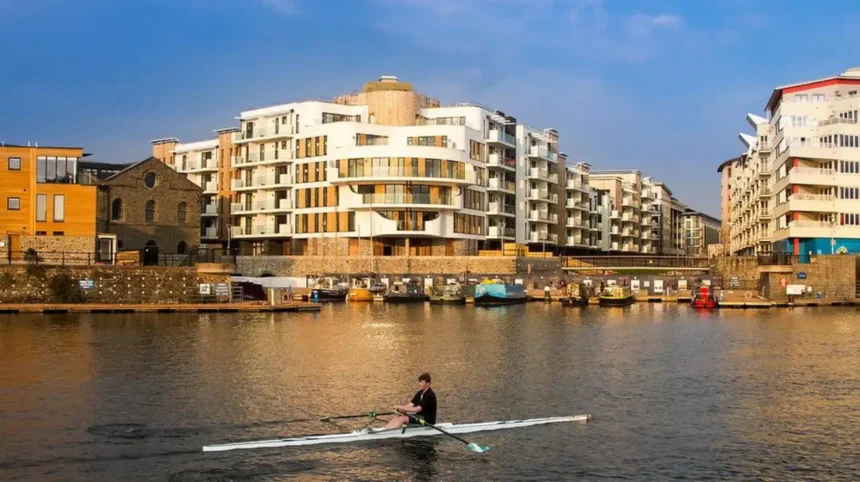
Choosing the best areas to rent in Bristol depends on budget, commute, transport links, employment, education, and lifestyle. The city offers a wide range of rental locations, from central neighbourhoods such as Harbourside and Clifton to more affordable residential districts such as Fishponds, Horfield, and Southmead. Understanding the differences between these areas helps renters select a home that meets their financial and practical needs.
- What Makes Bristol One of the UK’s Important Rental Markets?
- Which Bristol Areas Are Best for Renting Near the City Centre?
- Is Clifton One of the Best Areas to Rent in Bristol?
- Where Should Students Rent in Bristol?
- Which Bristol Neighbourhoods Offer Good Value for Rent?
- Which Bristol Areas Are Best for Families?
- Which Bristol Areas Are Best for Young Professionals?
- How Much Rent Should You Budget for in Bristol?
- How Can Renters Choose the Right Bristol Neighbourhood?
- What Should Tenants Check Before Renting a Property in Bristol?
- Tenancy agreements and deposits
- Property licensing and shared accommodation
- Energy efficiency and property condition
- Which Bristol Rental Areas Offer the Best Long-Term Value?
Bristol is a major city in South West England. It has a diverse economy supported by aerospace, engineering, financial services, education, healthcare, creative industries, and technology. Its employment opportunities attract professionals, students, families, and people relocating from other parts of the United Kingdom. This demand contributes to differences in rental prices, property availability, and the type of accommodation offered across the city.
Renters need to consider more than the advertised monthly rent. Transport costs, council tax, energy bills, property condition, parking, and access to everyday services all affect the total cost of living. A neighbourhood with a higher rent near a workplace sometimes reduces commuting expenses, while a less central property offers more space for the same budget.
This guide examines Bristol’s main rental neighbourhoods, their housing characteristics, transport connections, typical tenant profiles, and practical considerations. It also explains how to compare locations and assess a rental property before signing a tenancy agreement.
What Makes Bristol One of the UK’s Important Rental Markets?
Bristol is a major rental market in South West England because its employment centres, universities, transport connections, and cultural attractions generate housing demand. The city accommodates students, professionals, families, and relocating workers, creating distinct rental markets across central districts, established suburbs, and outer residential neighbourhoods.
Bristol’s position within the regional economy makes it an important destination for people seeking employment and education. Aerospace and advanced engineering support skilled employment, while hospitals, universities, public services, and commercial offices attract workers from across the region.
The University of Bristol and the University of the West of England (UWE Bristol) contribute to housing demand from undergraduate students, postgraduate researchers, academic staff, and university employees. Student demand is particularly relevant around university campuses and neighbourhoods with frequent bus services.
Bristol’s housing stock includes Victorian terraces, Georgian townhouses, post-war family homes, modern apartment buildings, and purpose-built student accommodation. These property types serve different needs. Central flats suit people who prioritise short journeys, while suburban houses appeal to households seeking additional bedrooms, gardens, and residential surroundings.
Rental costs vary considerably by location, property size, condition, and tenancy arrangements. A furnished one-bedroom flat in a central development is not directly comparable with an unfurnished flat in an older suburban building. Renters should compare similar properties and use recent local listings rather than relying on a single citywide average.
The wider Bristol rental market also includes neighbourhoods within the neighbouring South Gloucestershire and North Somerset council areas. Locations such as Filton and Bradley Stoke, for example, offer access to employment around the northern edge of Bristol but fall outside Bristol City Council’s administrative boundary.
Understanding these geographic differences helps renters compare transport services, council tax arrangements, and local authority responsibilities accurately.
Which Bristol Areas Are Best for Renting Near the City Centre?
Harbourside, Broadmead, Old City, and central Bristol are suitable for renters who prioritise access to offices, shopping, restaurants, and public transport. These locations provide apartment-focused housing and convenient connections, although central properties often command higher rents than comparable homes in outer neighbourhoods.
Harbourside
Harbourside is a central waterfront district developed around Bristol’s historic floating harbour. Former industrial and maritime areas now contain residential apartments, offices, restaurants, cultural venues, and leisure facilities.
The neighbourhood suits professionals working in central Bristol and renters who want access to the waterfront, shopping areas, and entertainment. Modern apartment buildings offer features such as lifts, balconies, secure entry systems, and managed communal spaces, depending on the development.
The principal consideration is cost. Newer waterfront apartments often carry a premium for location and facilities. Prospective tenants should also check service-related building arrangements, heating systems, parking availability, and the level of street activity around the property.
Broadmead and Cabot Circus
Broadmead and Cabot Circus form part of Bristol’s principal shopping district. Their central location provides convenient access to retail employment, restaurants, offices, bus routes, and other city-centre services.
Rental accommodation in and around this area includes flats in converted buildings and modern developments. The location suits people who work in retail, hospitality, central offices, and nearby commercial premises.
Renters should inspect noise levels, window insulation, building access, and evening activity. Properties directly above commercial premises also require checks on deliveries, waste collection, and opening hours.
Old City and St Nicholas Market
The Old City combines historic streets, commercial buildings, independent businesses, and residential properties. Its central position makes it practical for renters who work within walking distance of offices and public transport.
Accommodation includes converted upper-floor buildings and apartments in mixed-use developments. Historic properties often have individual layouts and period features, while newer buildings offer more standardised apartment designs.
A viewing should establish whether the property has suitable heating, ventilation, storage, and sound insulation. Older buildings sometimes have stairs instead of lifts, making upper-floor access an important consideration.

Is Clifton One of the Best Areas to Rent in Bristol?
Clifton is a strong rental choice for professionals, postgraduate students, and households seeking historic architecture, green spaces, and access to central Bristol. Its Georgian and Victorian streets, independent shops, and proximity to the University of Bristol make it desirable, while property type and location influence affordability.
Clifton is one of Bristol’s best-known residential districts. Its built environment includes Georgian townhouses, Victorian terraces, converted period buildings, and apartments. Clifton Village provides independent shops, cafés, and restaurants, while Clifton Down and the surrounding green spaces offer outdoor recreation.
The neighbourhood’s historic character attracts renters who value architectural features and established residential streets. Some large houses have been converted into multiple flats or shared accommodation, creating options for individuals who do not require an entire property.
Clifton also offers access to the University of Bristol and central employment areas. Walking and cycling are practical for certain journeys, although steep streets and longer distances affect travel times to other parts of the city.
The rental budget requires careful consideration. Period properties differ in insulation, heating efficiency, room layout, and maintenance standards. A spacious converted flat does not necessarily have the same running costs as a modern apartment with a similar floor area.
Tenants should inspect windows, damp prevention, water pressure, heating controls, and communal areas. People renting in shared houses should confirm which bills are included, how communal cleaning is arranged, and whether the tenancy is individual or joint.
Where Should Students Rent in Bristol?
Students commonly consider Clifton, Redland, Cotham, Stokes Croft, and areas near UWE Bristol, depending on their campus and budget. The most suitable location balances rent, travel time, room quality, access to university facilities, and the costs of sharing accommodation with other students.
Redland
Redland is an established residential neighbourhood north of central Bristol. It contains Victorian and Edwardian housing, converted flats, shared student houses, and family properties.
Its location between central Bristol and northern residential districts makes it practical for students attending the University of Bristol and for professionals working in the city. Redland railway station provides a local rail connection, while bus routes serve surrounding streets.
Shared houses allow students to divide rent and household expenses. However, room size, bathroom access, heating costs, and the condition of communal facilities differ between properties. Tenants should inspect the entire house rather than judging accommodation from the bedroom alone.
Cotham
Cotham lies close to central Bristol and the University of Bristol. Its housing includes older terraces, converted apartments, and shared houses.
The neighbourhood suits students who prioritise access to university buildings, libraries, healthcare facilities, and central services. Its location also supports walking and cycling for many everyday journeys.
Before renting, students should establish whether the advertised rent includes utilities and internet access. They should also confirm the tenancy length, deposit protection arrangements, repair responsibilities, and any restrictions relating to guests or shared facilities.
Stokes Croft
Stokes Croft is an inner-city area associated with street art, independent businesses, music venues, and creative activity. Its position near the city centre attracts students, young professionals, and renters who want convenient access to central amenities.
Housing includes flats, converted buildings, and shared accommodation. The area provides a different residential environment from quieter suburban streets, with activity varying by road and time of day.
Noise is a key consideration when choosing a property. Prospective tenants should visit the street during the evening, inspect bedroom windows, and establish the distance from bars, music venues, and late-opening businesses.
Accommodation near UWE Bristol
Students attending the University of the West of England should compare accommodation around Frenchay and the wider northern Bristol area. The Frenchay campus is outside central Bristol, so a city-centre address does not automatically provide the shortest commute.
Properties near suitable bus routes or within convenient cycling distance can reduce travel time. Students should check the route to their specific campus building, not simply the distance to the university’s general postcode.

Which Bristol Neighbourhoods Offer Good Value for Rent?
Fishponds, Horfield, Kingswood, and Southmead are useful areas to compare when prioritising residential accommodation and budget control. Their rental options include traditional terraces, flats, and family houses, with affordability depending on property size, condition, transport access, and current local demand.
Fishponds
Fishponds is a residential district in east Bristol with a busy local high street, supermarkets, cafés, independent shops, and access to green spaces. Its housing stock includes Victorian terraces, maisonettes, and family homes.
The area attracts households seeking more space than some central apartment developments provide. Bus services connect Fishponds with central Bristol and other districts, while local facilities support everyday shopping without requiring a journey into the city centre.
Renters should compare properties according to their route to work. A home that appears affordable on a listing can become less economical if it requires expensive or lengthy daily travel.
Horfield
Horfield is a northern Bristol neighbourhood with residential streets, local shops, parks, and access to Gloucester Road and surrounding employment areas. Its housing includes traditional terraces, shared houses, and family properties.
The area is useful for people travelling towards north Bristol, Filton, and parts of South Gloucestershire. Access to the wider bus network helps connect residents with central Bristol, although journey times depend on the route and traffic.
Renters should check parking restrictions, storage space for bicycles, garden maintenance responsibilities, and the condition of older buildings. For shared housing, the number of occupants and the property’s licensing status also require attention.
Kingswood
Kingswood lies east of central Bristol, within the South Gloucestershire local authority area. It has a town-centre high street, residential streets, shops, and community services.
Its housing options include terraced houses, semi-detached homes, and flats. Renters compare Kingswood with Bristol neighbourhoods when they want access to the wider urban area without living in the central rental market.
Because Kingswood is administered by South Gloucestershire Council, local services and council tax arrangements differ from those within Bristol City Council’s boundary. Tenants should verify the exact property address before estimating these costs.
Southmead
Southmead is a residential neighbourhood in north Bristol known for its proximity to Southmead Hospital and local community facilities. Housing includes post-war residential properties, flats, and family homes.
The area is particularly relevant for healthcare workers and others whose employment is based in north Bristol. A short commute can reduce travel expenses and improve access to shift-based employment.
The best property choice depends on the specific street, building condition, and transport requirements. Tenants should inspect the journey to their workplace at the time they normally travel, especially when working early, late, or overnight shifts.
Which Bristol Areas Are Best for Families?
Bedminster, Southville, Brislington, and Westbury-on-Trym are worth comparing for family rentals because they offer residential streets, local shops, and access to parks or schools. The right choice depends on bedroom requirements, school arrangements, commuting routes, outdoor space, and the household’s overall monthly budget.
Bedminster and Southville
Bedminster and Southville sit south of the River Avon and provide a mix of traditional terraced houses, flats, and residential streets. North Street is known for independent businesses, cafés, and community amenities.
These neighbourhoods suit families who want access to central Bristol without living directly in the city centre. Housing options include smaller flats for couples and larger terraced homes for households needing extra bedrooms.
Greville Smyth Park and other nearby green spaces provide opportunities for walking, play, and outdoor recreation. However, proximity to a park does not guarantee a quiet property. Renters should assess traffic, parking, school-run congestion, and noise on the exact street.
Brislington
Brislington is a residential area in south-east Bristol with established housing, local shopping facilities, and bus connections towards the centre. Its housing stock includes terraced properties, semi-detached houses, and flats.
Families often compare Brislington when seeking a house rather than a central apartment. Property size, garden access, and parking arrangements vary, so advertised bedroom counts alone do not provide a complete comparison.
Parents should investigate school admissions separately. Living near a school does not automatically guarantee a place, and admission arrangements depend on the school and the relevant local authority.
Westbury-on-Trym
Westbury-on-Trym is a residential suburb in north-west Bristol with a village centre, local businesses, and access to nearby green spaces. Its housing includes period homes, family houses, and flats.
The area is relevant to households seeking a suburban setting while remaining connected to north Bristol employment centres and city services. Families should compare the cost of larger properties with transport expenses and the availability of childcare and schools.
Before choosing a home, check the practical journey to work, school, and regular activities. A property with a garden and an additional bedroom offers limited financial value if the household’s daily travel costs become excessive.
Which Bristol Areas Are Best for Young Professionals?
Redland, Clifton, Montpelier, and central Bristol suit many young professionals because they combine access to workplaces, social amenities, and public transport. The best neighbourhood depends on office location, working hours, preferred property type, and whether the renter prioritises a private flat or shared accommodation.
Montpelier
Montpelier is an inner-city neighbourhood known for colourful period houses, independent businesses, and a creative local identity. Its location provides access to central Bristol, Stokes Croft, and parts of north Bristol.
Rental properties include shared houses, converted flats, and smaller apartments. This variety makes the area relevant to professionals seeking a room in shared accommodation as well as renters who prefer a private home.
Noise, parking, and building condition deserve attention during viewings. Some streets have older housing with different insulation and heating characteristics, so tenants should review the property’s Energy Performance Certificate (EPC) and estimated energy costs.
Temple Quay
Temple Quay is a commercial and residential district near Bristol Temple Meads railway station. Its offices and apartment developments attract people working in business services, finance, technology, and other central employment sectors.
The location is particularly useful for commuters who travel by train or work around the station and central business districts. Modern apartment buildings offer convenient access to services, although rents and building charges vary by development.
Renters should check the actual walking route to the station, the building’s bicycle storage, and whether parking is included. People who travel frequently should also compare rail fares and season-ticket options against the cost of living farther from the station.
How Much Rent Should You Budget for in Bristol?
Bristol’s rental budget depends on property size, location, condition, and household needs. Office for National Statistics data recorded an average private rent of £1,883 per month in Bristol in August 2026, but individual properties vary substantially around that citywide figure.
The Office for National Statistics (ONS) measures private rental prices across local authority areas. Its August 2026 figures provide a useful benchmark for comparing Bristol with the wider South West.
The ONS reported the following average monthly rents by property size in its July 2026 Bristol data:
- One-bedroom properties: £1,223.
- Two-bedroom properties: £1,541.
- Three-bedroom properties: £1,755.
- Properties with four or more bedrooms: £2,542.
These figures represent statistical averages, not guaranteed prices for available homes. They also relate to July 2026, while the overall city average of £1,883 cited above relates to August 2026.
The actual asking rent for a particular home depends on its neighbourhood, condition, furnishings, and access to transport. A modern central apartment and an older suburban flat with the same number of bedrooms can have different rental values.
Renters should calculate the complete monthly housing cost rather than comparing rent alone. Relevant expenses include:
- Council tax, which depends on the property’s band and applicable local charges.
- Gas and electricity, including the efficiency of the heating system.
- Water charges and broadband.
- Transport, parking, and regular commuting.
- Contents insurance and other household expenses.
For shared accommodation, establish whether utilities are included in the advertised rent. A room with bills included is not directly comparable with a room where each tenant pays a separate share of household expenses.
A practical approach is to shortlist properties within the affordable rent range, then compare total monthly costs and travel times. This helps identify locations that fit both the budget and the household’s daily routine.
How Can Renters Choose the Right Bristol Neighbourhood?
Renters can select the right Bristol neighbourhood by comparing affordability, commute time, property condition, transport, and access to essential services. A consistent shortlist process helps distinguish genuinely good-value homes from properties that appear inexpensive but create higher travel or household costs.
Start by identifying the main destination for daily travel. A renter working near Temple Meads should compare central Bristol, Temple Quay, and neighbourhoods with reliable rail or bus connections. Someone working near Southmead Hospital should give greater weight to north Bristol locations.
Next, establish the minimum property requirements. These include the number of bedrooms, furnished or unfurnished accommodation, outdoor space, parking, accessibility, and permission to keep pets where relevant.
Compare at least several similar properties within each shortlisted area. Look at rent, floor space, energy performance, storage, heating, and building condition. Similarity matters because a small furnished studio and a large unfurnished one-bedroom flat do not offer the same value.
Transport should be assessed using the actual journey, not a broad claim that a property is close to the centre. Check bus stops, railway stations, walking routes, cycling facilities, and the time required during normal commuting hours.
Finally, view the property and surrounding street. Inspect for damp, mould, broken fixtures, poor ventilation, inadequate heating, and signs of neglected maintenance. Ask who manages repairs and how urgent problems are reported.
A neighbourhood is suitable when its housing costs, transport links, and facilities support the renter’s everyday needs without exceeding the household budget.
Explore More Area Guide
Best Areas to Buy Property in Bristol: Top Neighbourhoods
Houses for Rent in Bristol: Areas, Prices and Rental Guide
What Should Tenants Check Before Renting a Property in Bristol?
Before renting in Bristol, tenants should verify the tenancy agreement, deposit protection, property condition, energy rating, and any required property licence. These checks help renters understand their legal rights, avoid unexpected expenses, and confirm that the accommodation meets the household’s needs.
Tenancy agreements and deposits
Bristol City Council provides guidance for people renting privately. Under the tenancy reforms that took effect on 1 May 2026, private tenancies in England generally operate as assured periodic tenancies rather than the previous fixed-term assured shorthold tenancy arrangements. Tenants should read the current rules and their agreement carefully.
Landlords must protect qualifying tenancy deposits in an authorised tenancy deposit protection scheme. Before paying, tenants should obtain written details of the rent, deposit, responsibilities for bills, and the process for reporting repairs.
Property licensing and shared accommodation
A House in Multiple Occupation (HMO) is generally a property shared by at least three tenants forming more than one household, with shared facilities such as a kitchen or bathroom. Licensing requirements depend on occupancy and the applicable local scheme.
Bristol operates citywide additional HMO licensing alongside selective licensing in designated areas. A property occupied by five or more people from at least two households who share facilities generally requires a mandatory HMO licence. Smaller shared properties also require licensing in applicable circumstances.
Renters considering a room in a shared house should ask the landlord or agent whether the property needs a licence and verify its status through Bristol City Council. Licensing helps establish whether applicable safety, room-size, and management standards are being met.
Energy efficiency and property condition
Privately rented homes generally require an Energy Performance Certificate rating of at least band E unless a valid exemption applies. The EPC provides information about energy efficiency and estimated energy costs.
During a viewing, check the heating system, window condition, ventilation, water pressure, and visible signs of damp or mould. Request clarification about any defects before agreeing to rent.
Which Bristol Rental Areas Offer the Best Long-Term Value?
The best long-term rental value in Bristol comes from matching housing costs with commuting needs, property quality, and access to essential services. Fishponds, Horfield, Bedminster, and Brislington provide useful alternatives to central districts, while Clifton and Harbourside prioritise location and urban amenities.
Bristol’s rental market serves different household needs. Central neighbourhoods are practical for people who value short journeys and access to city-centre facilities. Student-oriented districts provide shared accommodation and access to university campuses. Suburban neighbourhoods offer a broader selection of traditional houses and residential streets.
Long-term value also depends on future plans. A student approaching graduation has different requirements from a family seeking a long-term home or a professional expecting to commute to the same workplace for several years.
Tenants should monitor current listings, compare similar properties, and review official rental statistics before making a decision. ONS figures provide a useful citywide benchmark, while individual property listings reveal the choices currently available in each neighbourhood.
The strongest rental decision balances monthly affordability, suitable accommodation, reliable transport, and a location that supports everyday life. Comparing these factors systematically helps renters identify the best areas to rent in Bristol for their circumstances.
What are the best areas to rent in Bristol?
Clifton, Harbourside, Redland, Southville, Fishponds, and Horfield are popular areas to consider. Clifton suits professionals and students, Harbourside offers modern apartments, while Fishponds and Horfield provide residential housing options.