Bristol offers a wide range of gardens, from historic botanical collections and landscaped public parks to community gardens and peaceful green spaces. For visitors and residents, the best gardens in Bristol provide opportunities to explore plants, discover local history, enjoy outdoor recreation and experience the city’s natural environment.
- Which gardens in Bristol are best for visitors?
- What can visitors discover at the University of Bristol Botanic Garden?
- Why should visitors explore Royal Fort Gardens?
- Where can visitors find historic gardens in Clifton?
- What can visitors see at Goldney Garden?
- Why is the Red Lodge Garden worth visiting?
- How should visitors plan a historic garden itinerary?
- Which Bristol gardens offer the best views and wildlife?
- What can visitors discover at Brandon Hill?
- Why is the Avon Gorge important for plant conservation?
- What makes Ashton Court Estate a major garden destination?
- Which Bristol gardens are best for families and children?
- Which Bristol gardens are best for history enthusiasts?
- What makes Arnos Vale Cemetery historically significant?
- How does Ashton Court reflect Bristol’s estate history?
- When is the best time to visit Bristol’s gardens?
- What can visitors see in spring?
- Why visit during summer?
- What is distinctive about autumn and winter?
- How can visitors travel between Bristol’s best gardens?
- Which gardens can visitors combine in central Bristol?
- How should visitors reach Clifton and Stoke Bishop?
- Which destinations need more time?
- How do Bristol’s gardens support wildlife and conservation?
- How should visitors choose the right garden in Bristol?
Which gardens in Bristol are best for visitors?
The best gardens in Bristol include the University of Bristol Botanic Garden, Royal Fort Gardens, Goldney Garden, the Red Lodge Garden, Brandon Hill and the formal gardens at Ashton Court Estate. Each offers a different combination of horticulture, history, wildlife, architecture and outdoor recreation.
Bristol is a city in South West England known for its historic harbour, independent cultural scene and extensive network of parks and green spaces. Its gardens range from carefully maintained botanical collections to historic walled gardens and landscaped estates.
The right destination depends on the purpose of the visit. Plant enthusiasts benefit from specialist botanical collections, while history enthusiasts find formal gardens attached to historic buildings. Families have access to larger parks, and visitors seeking quiet surroundings can explore smaller gardens close to the city centre.
The official tourism organisation, Visit Bristol, highlights botanical gardens, historic estates and wildlife-rich green spaces as important parts of the city’s outdoor attractions. Bristol City Council also maintains information about public parks and estates across the city.
What can visitors discover at the University of Bristol Botanic Garden?
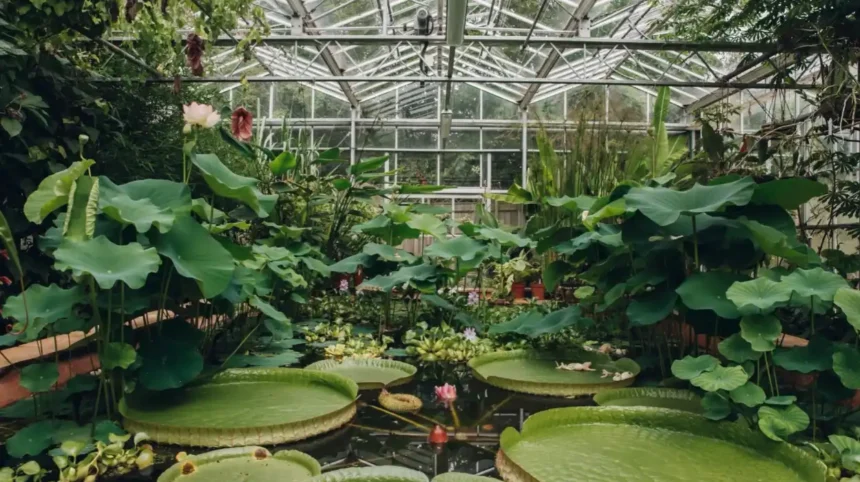
The University of Bristol Botanic Garden in Stoke Bishop is a specialist botanical attraction featuring more than 4,500 plant species. Its collections explain plant evolution, regional flora, Mediterranean climates and useful plants through landscaped displays, glasshouses and educational interpretation.
The University of Bristol Botanic Garden was established in 1882. Its original location was near University Road and Tyndall Avenue, close to the university’s early buildings. The garden subsequently moved between university sites before reaching its current location at The Holmes in Stoke Bishop in 2005.
The present garden covers approximately 1.77 hectares and combines botanical research with public education. Its collections are organised around plant characteristics, habitats and evolutionary relationships rather than simply arranging flowers by colour.
What plant collections can visitors explore?
The garden’s collections include several distinctive areas:
- Evolution collection: Displays explain how plants developed over geological time, including ancient plant groups and adaptations to changing environments.
- Local flora and rare native plants: These displays represent habitats in the West Country and highlight native plants requiring conservation attention.
- Mediterranean climate plants: Visitors encounter species adapted to conditions characterised by seasonal rainfall and dry summers.
- Useful plants: This collection explains the importance of plants in food, medicine, materials and everyday human life.
- Glasshouse collections: Controlled environments support plants associated with tropical, subtropical and other climates.
These collections make the garden relevant to school groups, university students, families and adults interested in botany. The displays connect plant identification with broader subjects such as ecology, adaptation and conservation.
When should visitors plan a visit?
Spring and summer provide opportunities to see actively growing plants and seasonal displays. Glasshouses offer a different experience from outdoor beds because they support plants that require controlled growing conditions.
Opening times and admission arrangements vary by season and visitor category. The garden’s published 2026 spring and summer information lists adult weekend admission at £9, with separate arrangements for students, children and members. Visitors should consult the official website before travelling because seasonal hours and prices change.
The garden is in Stoke Bishop, outside Bristol’s central shopping district. Visitors should allow time for the journey and check transport arrangements before departure. Dogs are generally not permitted, apart from assistance dogs, according to the garden’s visitor information.
Why should visitors explore Royal Fort Gardens?
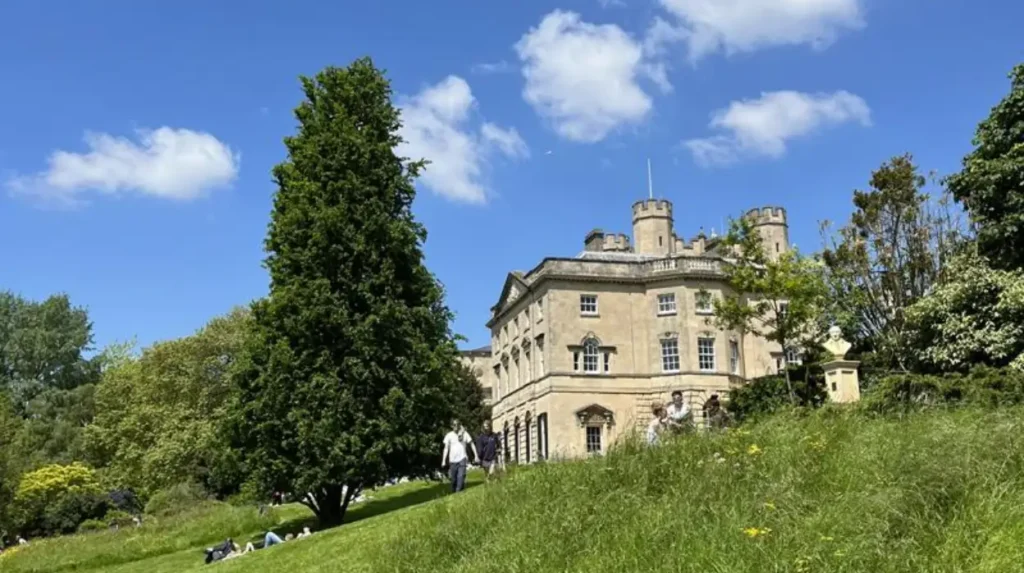
Royal Fort Gardens is a free public garden near the University of Bristol and the top of Park Street. It combines planted borders, lawns, woodland, mature trees, public art and accessible paths, making it suitable for short walks, picnics and quiet breaks.
Royal Fort Gardens provides a convenient green space for visitors exploring central Bristol. Its location makes it possible to combine a garden visit with nearby university buildings, independent shops and cultural attractions.
The garden is open to the public free of charge throughout the year. The University of Bristol reports that it has received a Green Flag award every year since 2016, reflecting standards of green-space management.
What makes the garden distinctive?
Royal Fort Gardens contains specimen trees, planted areas and features designed to encourage visitors to explore the landscape. Notable trees include Lucombe oaks, a redwood and a Wellingtonia pine. The grounds also contain an olive tree, ginkgo trees and other ornamental species.
The mirror maze and public art add elements of discovery to a conventional garden walk. A pond provides another focal point, while the sloping lawns create different views across the grounds.
Interpretation boards and the university’s tree information resources help visitors identify selected plants and understand their characteristics. These features give the garden educational value without requiring a formal guided tour.
Who benefits most from visiting?
Royal Fort Gardens suits visitors with limited time because it sits within walking distance of central attractions. Students, nearby workers, families and solo travellers can all use the grounds for a short break.
Pushchair-friendly paths support access for many families, although visitors should account for the garden’s slopes. People looking for a quiet place to sit, observe plants or eat a picnic also find practical reasons to include it in a Bristol itinerary.
Where can visitors find historic gardens in Clifton?
Clifton contains historic gardens associated with Georgian and Victorian buildings, including Goldney Garden and the Red Lodge Garden. These spaces preserve formal planting, historic architectural features and traditional garden layouts, giving visitors insight into Bristol’s social history and changing landscape design.
Clifton is known for its historic architecture, residential streets and proximity to the Avon Gorge. Its gardens reflect a period when private grounds formed an important part of the city’s larger houses and estates.
Unlike open municipal parks, some historic gardens operate under restricted access arrangements. Visitors should distinguish between gardens that are freely accessible throughout the year and those that open on selected dates, through organised tours or for special events.
What can visitors see at Goldney Garden?
Goldney Garden is a historic garden near Clifton Village associated with Goldney House. Its listed features include a Grade II-listed garden and a Grade I-listed grotto, together with an orangery, orchard and classical architectural details.
The grotto is a particularly distinctive feature because it combines decorative materials and carefully arranged architectural elements within a garden setting. The orangery and formal planting provide additional evidence of historic approaches to ornamental landscaping.
The University of Bristol manages public access through ticketed tours and events rather than unrestricted daily entry. Checking the university’s official garden information is therefore essential when planning a visit.
Why is the Red Lodge Garden worth visiting?
The Red Lodge Garden is a small walled garden associated with the historic Red Lodge Museum near Park Row. Its Elizabethan-style knot garden uses a patterned arrangement of plants to create a formal design.
Knot gardens were developed as decorative features in historic European gardens. Their interwoven patterns often reflected designs found in textiles, embroidery and architectural decoration. The Red Lodge example helps visitors understand this traditional approach to garden layout.
The surrounding borders contain plants associated with English gardens before 1630, connecting the garden’s planting scheme with the building’s historical setting. Visit Bristol identifies late May and June as an important period for the garden’s roses. The museum’s published opening arrangements should be checked before visiting.
How should visitors plan a historic garden itinerary?
Visitors can combine Goldney Garden and the Red Lodge Garden with a walk through Clifton Village and nearby historic streets. The two gardens offer contrasting experiences: Goldney provides an estate-style setting with architectural features, while the Red Lodge offers a compact example of formal knot-garden design.
Access restrictions are important. A garden’s appearance on a tourism list does not guarantee that its gates are open on the day of arrival. Checking booking requirements, opening dates and any tour schedules prevents unnecessary travel.
Which Bristol gardens offer the best views and wildlife?
Brandon Hill, the Avon Gorge and the landscaped grounds of Ashton Court Estate offer different ways to experience Bristol’s natural environment. Brandon Hill provides city views and wildlife habitats, the gorge supports rare plants, and Ashton Court combines formal gardens with extensive parkland.
These destinations demonstrate that Bristol’s garden experiences extend beyond traditional flowerbeds. Some combine ornamental landscaping with wildlife habitats, while others protect distinctive plants or connect historic buildings with extensive green landscapes.
What can visitors discover at Brandon Hill?
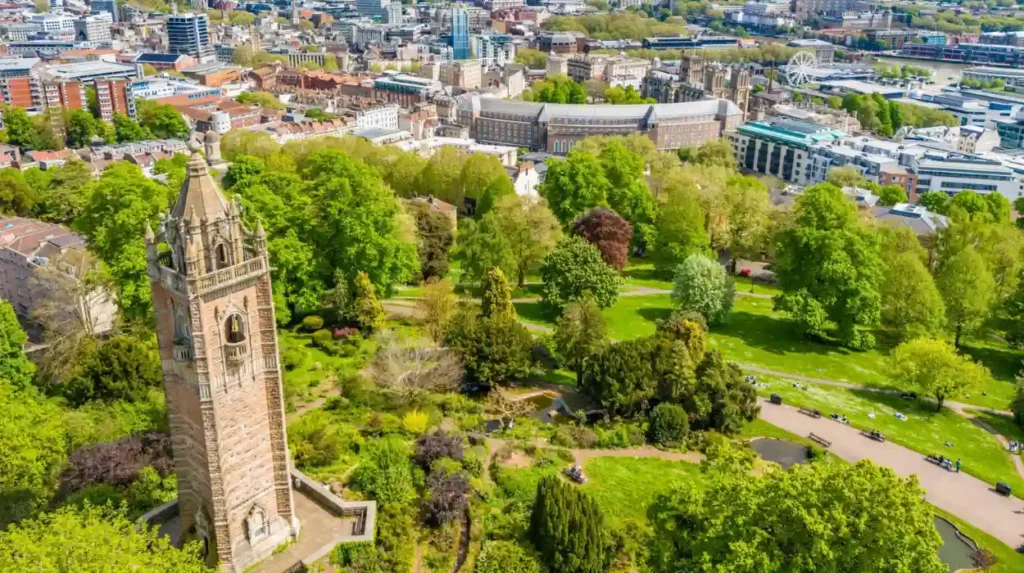
Brandon Hill is a central Bristol park featuring sloping paths, woodland, open grassland and a nature reserve. Cabot Tower stands near the summit and provides elevated views across the city.
The park is particularly useful for visitors who want a combination of nature and sightseeing without travelling far from the city centre. Its changing vegetation provides different seasonal experiences, including spring wildflowers and summer meadow plants.
Visit Bristol identifies cowslips, ox-eye daisies, yellow rattle and knapweed among the plants associated with the site’s meadow areas. The park’s pond and wooded areas also support wildlife, including amphibians, birds and squirrels.
Visitors should wear suitable footwear because the hill includes slopes and uneven sections. Those interested in photography can combine views from the park with observations of plants and wildlife.
Why is the Avon Gorge important for plant conservation?
The Avon Gorge is a limestone landscape near Clifton Suspension Bridge. Its geology, exposed rock faces and varied growing conditions support specialised plant communities, including nationally scarce species.
Visit Bristol reports that more than 30 nationally scarce plant types grow in the gorge. The area is also associated with distinctive native plants, including Bristol rock-cress and Bristol onion. These botanical features make the gorge important beyond its scenic views.
The gorge is a natural landscape rather than a conventional ornamental garden. Visitors should remain on appropriate paths, avoid damaging vegetation and follow any conservation notices. These practices protect sensitive habitats while allowing people to experience the area’s plant diversity.
What makes Ashton Court Estate a major garden destination?
Ashton Court Estate lies just outside Bristol’s central area and combines historic grounds, woodland, grassland and landscaped gardens. Bristol City Council lists the estate at approximately 850 acres, making it one of the city’s largest green destinations.
The formal sunken gardens and rose garden provide a more traditional horticultural experience near the mansion house. Visit Bristol reports that the rose garden contains approximately 160 rose varieties and that spring brings daffodils along the garden walkways.
The surrounding estate supports walking, cycling, horse riding and other outdoor activities. This combination makes Ashton Court suitable for visitors who want to spend several hours outdoors rather than make a brief stop at a small garden.
Access to individual buildings, facilities and events varies. Visitors should check current estate information before planning around a particular activity.
Which Bristol gardens are best for families and children?
Families can explore Bristol’s larger parks and landscaped estates, including Blaise Castle Estate, Ashton Court Estate and Brandon Hill. These destinations combine open space, walking routes, natural features and opportunities for outdoor learning, although individual facilities and accessible routes vary by location.
Gardens and parkland provide opportunities for children to learn about plants, seasons, wildlife and local history. Larger destinations also give families more flexibility to combine a short garden visit with a longer walk or picnic.
What can children discover at Blaise Castle Estate?
Blaise Castle Estate is a historic landscape in north-west Bristol. Bristol City Council identifies the estate as approximately 650 acres of registered parkland, with a museum, a castle folly and children’s play facilities.
The estate’s castle folly is a decorative building rather than a traditional defensive castle. The surrounding landscape includes woodland, open grassland and walking routes, providing different environments for outdoor exploration.
Blaise Community Garden is another feature associated with the estate. Visit Bristol describes it as a historic garden established in the nineteenth century and known locally as the Secret Garden. Its location behind garden walls creates a contrast with the estate’s more open parkland.
Families can combine a walk around the grounds with a visit to the museum and play area. Before travelling, check which facilities are open and whether any events affect access.
Which gardens are suitable for a family picnic?
Royal Fort Gardens offers a central option for a short picnic among planted borders and mature trees. Ashton Court provides a much larger landscape with space for walking and outdoor recreation. Brandon Hill is useful for families who also want views of Bristol from an elevated location.
The choice depends on children’s ages, mobility and the length of the visit. A compact garden works well for a short break, while a large estate suits families planning several hours outdoors.
Visitors should use designated paths, supervise children near ponds and steep slopes, and follow local rules about food, litter and wildlife.
Which Bristol gardens are best for history enthusiasts?
History enthusiasts can explore the Red Lodge Garden, Goldney Garden, Arnos Vale Cemetery and Ashton Court Estate. These destinations connect garden design with Bristol’s architectural, social and cultural history through historic buildings, ornamental landscapes, memorials and surviving examples of traditional horticulture.
Historic gardens help explain how people used outdoor spaces in different periods. Private estates often displayed wealth through formal planting and architectural ornament, while Victorian cemetery landscapes combined memorial design with landscaped grounds.
What makes Arnos Vale Cemetery historically significant?
Arnos Vale Cemetery is a Victorian cemetery and landscaped heritage site in Bristol. Visit Bristol describes the grounds as covering approximately 45 acres, with nature trails, monuments and historic memorials.
The cemetery represents the nineteenth-century development of landscaped burial grounds. These sites were designed to provide space for burial while incorporating trees, paths, monuments and carefully planned views.
Arnos Vale is not a conventional flower garden. Its significance comes from the relationship between vegetation, memorial architecture and social history. Visitors can observe how landscaping shapes the atmosphere of a historic cemetery while learning about the people commemorated there.
Guided tours provide additional context about the site, its monuments and its wildlife. Visitors should check the official venue information for current access arrangements and scheduled activities.
How does Ashton Court reflect Bristol’s estate history?
Ashton Court Estate combines a historic mansion with gardens, parkland and woodland. Its landscape reflects the long relationship between country estates, land management and the development of recreational green spaces around Bristol.
The formal gardens near the mansion contrast with the broader grassland and wooded areas. This arrangement allows visitors to see how ornamental gardening and productive or recreational landscapes coexist within a single estate.
The estate’s present use also demonstrates how historic grounds serve contemporary communities. Walking, cycling and nature-based activities bring visitors into a landscape that previously functioned primarily as an estate. Current information from Bristol City Council provides details about the grounds and facilities.
When is the best time to visit Bristol’s gardens?
Spring and summer are particularly suitable for flowering displays, while autumn offers changing foliage and winter highlights evergreen planting, tree structure and historic architecture. The best visiting period depends on the garden’s plant collections, opening arrangements, weather conditions and the visitor’s main interests.
Bristol’s gardens change throughout the year because temperature, daylight and rainfall influence plant growth. Seasonal timing affects the appearance of flowerbeds, woodland paths and specialist botanical collections.
What can visitors see in spring?
Spring brings fresh foliage, flowering bulbs and early blossoms. Ashton Court is known for daffodils in its formal garden areas, while Brandon Hill provides opportunities to observe spring meadow plants such as cowslips.
Historic gardens also begin to show renewed colour as shrubs and perennial plants develop. Visitors interested in photography should check local garden updates to identify peak flowering periods.
Why visit during summer?
Summer supports active plant growth and offers longer daylight hours for exploring larger estates. Botanical gardens provide opportunities to compare outdoor planting with the controlled environments of their glasshouses.
Warm weather also suits picnics, garden walks and outdoor educational activities. However, visitors should check opening times because some historic gardens operate seasonal schedules or require advance bookings.
What is distinctive about autumn and winter?
Autumn highlights changing leaf colour, seed heads, berries and the structure of trees and shrubs. Winter visits provide a clearer view of architectural features, historic walls and the underlying layout of formal gardens.
Botanical collections with glasshouses offer an additional option when outdoor conditions are less comfortable. Visitors should check for weather-related closures, reduced hours and seasonal maintenance before setting out.
How can visitors travel between Bristol’s best gardens?
Visitors can organise Bristol garden trips by grouping destinations into central Bristol, Clifton and Stoke Bishop, or larger estates outside the city centre. Walking works for nearby attractions, while public transport, cycling or driving helps reach gardens farther apart.
Bristol’s garden destinations are spread across different neighbourhoods. Planning visits by area reduces unnecessary travel and leaves more time for exploring the gardens themselves.
Which gardens can visitors combine in central Bristol?
Royal Fort Gardens and Brandon Hill are useful choices for a central itinerary. Visitors can also explore the Red Lodge Garden when its opening arrangements permit.
This combination brings together a free public garden, an elevated urban park and a historic walled garden. The route also provides opportunities to explore nearby streets, university buildings and cultural attractions.
Walking distances depend on the starting point and the route selected. Visitors should check maps and current pedestrian access before planning a tight schedule.
How should visitors reach Clifton and Stoke Bishop?
Clifton is suitable for visitors exploring historic architecture and gardens, including Goldney Garden when tours are available. The University of Bristol Botanic Garden is in Stoke Bishop, farther from the main city-centre attractions.
Public transport and walking routes provide alternatives to driving, but journey times depend on the departure point. Visitors using buses should verify current routes and timetables.
The Botanic Garden’s specialist collections justify allowing enough time to explore the glasshouses and outdoor displays. Combining it with a separate city-centre visit works better than assuming all attractions are immediately adjacent.
Which destinations need more time?
Ashton Court and Blaise Castle Estate are large landscapes with several features beyond their formal gardens. Visitors should allow additional time for walking, viewing historic structures and exploring the wider grounds.
Arnos Vale Cemetery also rewards a slower visit because its memorials, paths and landscaped areas form part of its heritage interest. Check event schedules if a guided tour is an important part of the visit.
Explore More Area Guide
Best Parks in Bristol: Top Green Spaces for Families and Walks
Dog Boarding in Bristol: Kennels, Home Care and Costs
How do Bristol’s gardens support wildlife and conservation?
Bristol’s gardens support wildlife by providing vegetation, shelter, food sources and connected green spaces. Botanical collections also contribute to education and research, while sites such as the Avon Gorge protect specialised plant communities and Brandon Hill provides habitats within the urban environment.
Gardens are important components of the urban environment because trees, shrubs, flowers and ponds provide resources for wildlife. Their value depends on planting choices, habitat management and the surrounding landscape.
How do botanical gardens contribute to conservation?
The University of Bristol Botanic Garden maintains collections that support teaching, research and public engagement. Its rare native plant displays help visitors understand regional biodiversity and the importance of protecting threatened species.
Botanical gardens also help explain plant adaptation. Comparing species from different climates demonstrates how plants respond to temperature, rainfall, soil and other environmental conditions.
This educational role is particularly relevant as climate change and habitat loss affect ecosystems. Gardens offer accessible settings for communicating plant science, although maintaining a collection does not replace protecting species in their natural habitats.
How can visitors protect garden environments?
Visitors can help protect gardens through simple, responsible behaviour. Staying on designated paths reduces damage to sensitive planting, while avoiding litter protects wildlife and keeps public spaces clean.
Picking flowers, disturbing nesting wildlife and damaging tree bark can harm the features that make gardens valuable. Visitors should follow site-specific instructions, particularly in nature reserves and areas containing rare plants.
Respectful behaviour also supports continued public access. Historic gardens and university collections often require careful management to protect both living plants and architectural features.
How should visitors choose the right garden in Bristol?
The right Bristol garden depends on the visitor’s interests, available time, budget and access requirements. The Botanic Garden suits plant enthusiasts, Royal Fort Gardens suits short central visits, historic gardens interest heritage travellers, and larger estates suit families and outdoor explorers.
Visitors should check admission fees, opening dates, transport and accessibility before finalising their plans. A free garden is a practical choice for a short visit, while a ticketed botanical collection offers specialist displays and educational interpretation.
The most effective itinerary matches the garden to the purpose of the trip. Visitors interested in botany should prioritise the University of Bristol Botanic Garden. Those focused on architecture and historic design should investigate Goldney Garden and the Red Lodge Garden. People seeking wildlife and open space should consider Brandon Hill, Ashton Court Estate and Blaise Castle Estate.
Bristol’s gardens represent several aspects of the city’s identity: its university heritage, historic estates, urban biodiversity and public recreational spaces. Exploring more than one type of garden provides a broader understanding of how green spaces contribute to the city.
Before departure, use official venue information to confirm opening times, ticket requirements and any seasonal restrictions. This final check is especially important for gardens that open only for scheduled tours or selected events.
What are the best gardens in Bristol?
The best gardens in Bristol include the University of Bristol Botanic Garden, Royal Fort Gardens, Goldney Garden, Red Lodge Garden, Brandon Hill and Ashton Court Estate. Each offers different attractions, including botanical collections, historic landscaping, wildlife and scenic views.