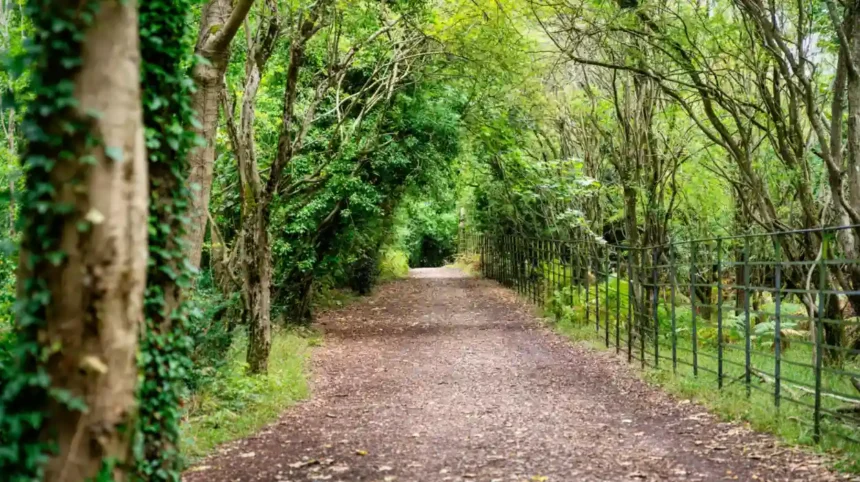
Bristol is a city in southwest England known for its historic harbour, diverse neighbourhoods, cultural attractions and extensive green spaces. The best parks in Bristol provide opportunities for walking, family recreation, wildlife observation, sports, picnics and outdoor exercise. From the landscaped gardens of Brandon Hill to the expansive woodland and lakes around Ashton Court Estate, Bristol offers green spaces for residents and visitors throughout the year.
- What are the best parks in Bristol for residents and visitors?
- Which Bristol parks are best for walking and exploring nature?
- Which Bristol parks are best for families with children?
- Which Bristol parks offer the best views and historic landmarks?
- Brandon Hill and Cabot Tower
- Blaise Castle Estate and its historic landscape
- Ashton Court Estate
- Castle Park
- Which parks in Bristol are best for sports and outdoor exercise?
- Which Bristol parks are best for picnics and relaxing outdoors?
- Which Bristol parks are best for wildlife and biodiversity?
- Which Bristol parks are free to visit?
- When is the best time to visit Bristol’s parks?
- How accessible are Bristol’s parks for visitors with mobility needs?
- Are dogs allowed in Bristol’s parks?
- How can visitors travel to Bristol’s best parks?
- How should visitors plan a day exploring Bristol’s parks?
- For a short city-centre visit
- For a family day outdoors
- For a longer nature walk
- For a local recreational outing
- Why are Bristol’s parks important for the city’s future?
Bristol’s parks also contribute to urban biodiversity, public health and environmental sustainability. They provide habitats for birds, insects, trees and other wildlife while giving people access to outdoor recreation within an urban environment. Understanding the location, facilities, history and character of each park helps visitors choose suitable places for different activities.
What are the best parks in Bristol for residents and visitors?
The best parks in Bristol include Brandon Hill, Ashton Court Estate, Blaise Castle Estate, Eastville Park, St George Park, Victoria Park and Castle Park. Each offers different facilities, including woodland walks, historic landmarks, lakes, playgrounds, open lawns and accessible urban green space.
Bristol’s parks vary considerably in size, landscape and location. Some occupy central neighbourhoods close to shopping streets and public transport, while others provide extensive countryside-style landscapes on the outskirts of the city.
Brandon Hill is particularly suitable for visitors exploring central Bristol. It combines landscaped grounds with Cabot Tower and elevated views across the city. Castle Park provides a riverside setting near the shopping district and preserves archaeological evidence of Bristol’s medieval past.
Ashton Court Estate and Blaise Castle Estate offer larger landscapes with woodland, open grassland, historic buildings and extensive walking routes. Eastville Park and St George Park provide established recreational facilities for local communities, including water features, paths and spaces for informal sports.
The right park depends on the intended activity. Families often prioritise playgrounds and toilets, walkers look for longer trails, and wildlife enthusiasts focus on habitats, ponds and woodland.
Which Bristol parks are best for walking and exploring nature?
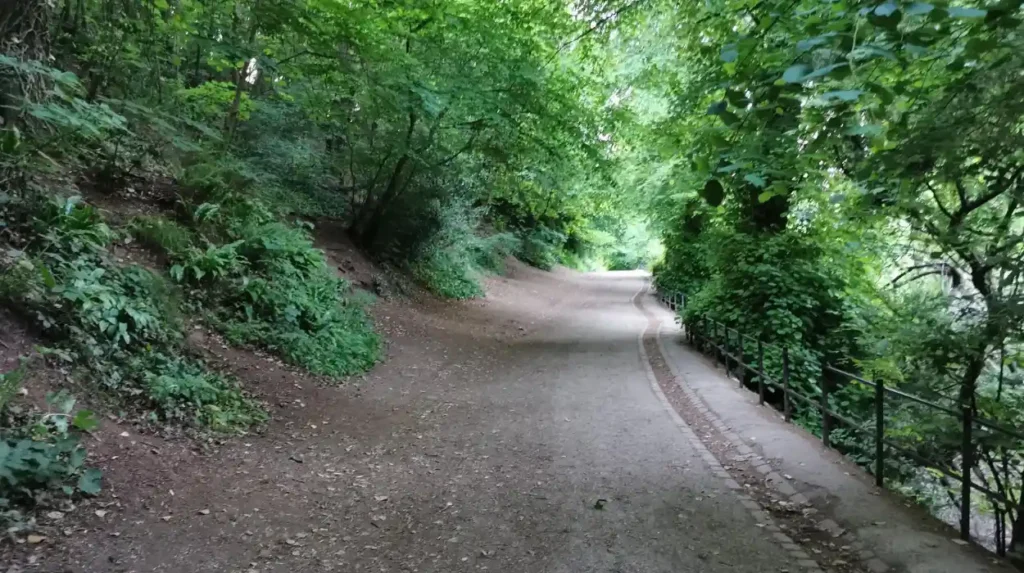
Ashton Court Estate, Blaise Castle Estate, Leigh Woods and Eastville Park are strong choices for walking and nature exploration in Bristol. Their landscapes include woodland, grassland, lakeside paths and open countryside, providing different walking experiences across the seasons.
Walking is one of the most accessible activities in Bristol’s green spaces. Short paved routes suit casual visitors, while longer woodland paths provide opportunities for exercise and wildlife observation.
Ashton Court Estate
Ashton Court Estate lies west of central Bristol, near the Clifton Suspension Bridge and the suburb of Long Ashton. Its extensive parkland includes woodland, grassland, mature trees and historic estate buildings.
The estate supports walking, cycling on designated routes, running and nature observation. Visitors encounter open views across Bristol, changing seasonal vegetation and established woodland habitats. The landscape also supports deer, although sightings are not guaranteed.
Ashton Court is particularly suitable for people seeking a countryside-style experience without travelling far from the city. Its size allows visitors to plan shorter visits or longer outdoor excursions.
Blaise Castle Estate
Blaise Castle Estate, in northwest Bristol, combines historic parkland with woodland, open fields, a museum and a distinctive folly known as Blaise Castle. The estate’s landscape reflects the development of a historic country estate and its later public use.
Walking routes pass through wooded valleys and open areas. The changing terrain makes the estate suitable for visitors seeking a more varied walk than a flat urban park provides.
Blaise Castle House Museum adds a cultural dimension to the visit, with collections connected to local social history. Visitors should check current opening arrangements for the museum separately from access to the outdoor estate.
Eastville Park
Eastville Park, in northeast Bristol, provides a substantial neighbourhood green space with a lake, mature trees and walking paths. Its waterside setting attracts visitors interested in birdwatching and informal recreation.
The park is suited to everyday walks, short exercise sessions and family outings. The lake and surrounding vegetation create different habitat conditions from the more wooded landscapes of Ashton Court and Blaise Castle.
Leigh Woods
Leigh Woods is a woodland nature reserve across the Avon Gorge from Clifton. It is managed by the National Trust and is known for ancient woodland habitats, walking trails and distinctive gorge scenery.
Unlike a conventional municipal park, Leigh Woods is primarily a nature reserve. Visitors should remain on appropriate paths, follow conservation guidance and avoid disturbing wildlife.
Which Bristol parks are best for families with children?
Victoria Park, St George Park, Canford Park and Blaise Castle Estate are useful choices for family visits in Bristol. Their open spaces support picnics, play, walking and outdoor activities, while selected sites provide playgrounds and additional facilities for children.
Families benefit from parks that combine safe play areas, open lawns, walking routes and convenient access. The best choice also depends on the age of the children, toilet availability, mobility requirements and the length of the planned visit.
Victoria Park
Victoria Park sits in south Bristol, close to Bedminster and the railway corridor. It provides open grassland, established trees, recreational areas and views towards the city.
The park serves nearby residential communities and supports informal games, family walks and outdoor play. Its position makes it practical for visitors exploring the southern parts of Bristol.
Families should check current playground facilities and available amenities before travelling, especially when planning visits with toddlers or children who need accessible toilets.
St George Park
St George Park is a well-established public park in east Bristol. Its central lake, landscaped grounds, paths and recreational areas make it suitable for a family outing.
Children can enjoy outdoor play while adults use the walking routes and seating areas. The lake provides an additional point of interest, although children should be supervised around water.
The park also functions as an everyday community space, accommodating exercise, informal social activities and seasonal outdoor recreation.
Canford Park
Canford Park, in Westbury-on-Trym, offers lawns, mature trees, landscaped areas and facilities for outdoor recreation. It is suitable for families seeking a neighbourhood park away from Bristol’s busiest central streets.
The open grounds support picnics and informal games. Visitors should check current council information for details of playground provision, accessible routes and toilets.
Blaise Castle Estate
Blaise Castle Estate suits families who want a longer outdoor visit combining nature, history and exploration. Its woodland, open spaces and historic features offer more variety than a small playground-focused park.
The estate’s terrain includes slopes and uneven paths. Families using pushchairs should select routes carefully and check access information before setting out.
Which Bristol parks offer the best views and historic landmarks?
Brandon Hill, Blaise Castle Estate, Ashton Court Estate and Castle Park combine Bristol’s green spaces with historic or scenic features. Visitors can experience elevated city views, historic estate landscapes, architectural landmarks and riverside settings within different parts of Bristol.
Bristol’s parks preserve elements of the city’s architectural and social history. Their historic features range from medieval church remains to nineteenth-century public monuments and landscaped country estates.
Brandon Hill and Cabot Tower
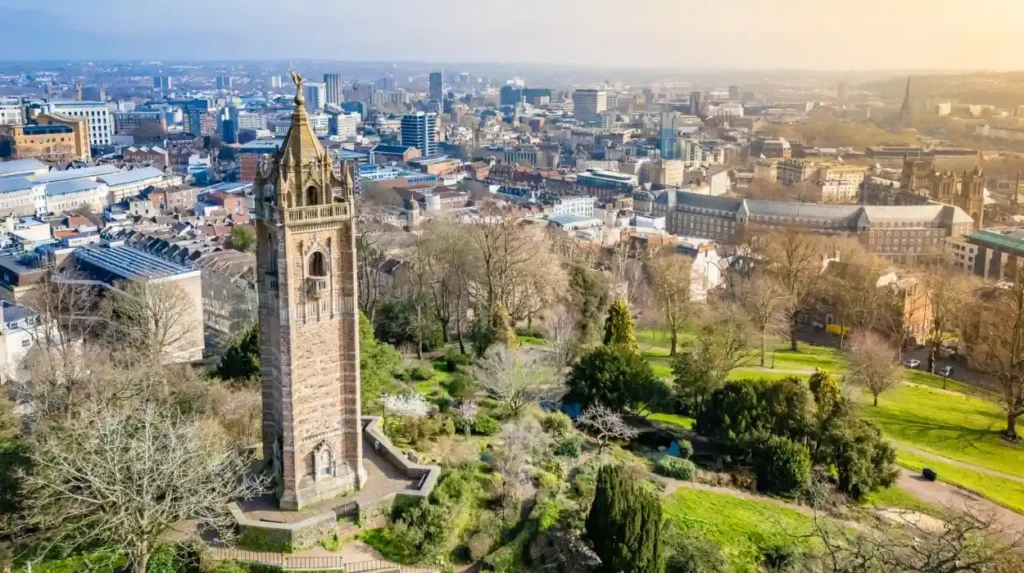
Brandon Hill, close to Park Street and Bristol city centre, is one of Bristol’s most recognisable urban green spaces. Cabot Tower stands on the hill and commemorates John Cabot’s 1497 voyage from Bristol across the Atlantic.
The tower was completed in 1897 to mark the 400th anniversary of the voyage. Its elevated position provides panoramic views of Bristol and the surrounding area when access to the tower is available.
The hill’s sloping paths and landscaped grounds make it suitable for a short break during a city-centre visit. Visitors should confirm current tower opening arrangements because access can differ from access to the park itself.
Blaise Castle Estate and its historic landscape
Blaise Castle is a folly, meaning a decorative structure built primarily for visual or recreational purposes rather than as a conventional defensive castle. It stands within the historic Blaise Castle Estate.
The wider estate illustrates how historic country-house landscapes became public recreational spaces. Its woodland paths, open grounds and historic buildings create opportunities to explore both natural and cultural heritage.
Ashton Court Estate
Ashton Court Estate preserves a historic mansion and extensive grounds on the western edge of Bristol. Its parkland offers views across the city and access to woodland and open countryside.
The estate is also associated with major public events, including the Bristol International Balloon Fiesta, subject to the event’s current schedule and arrangements. Visitors should check official announcements before planning a trip around a festival.
Castle Park
Castle Park occupies a central riverside location near Bristol’s main shopping areas. It contains the remains of St Peter’s Church, which was heavily damaged during the Second World War and remains an important historical landmark.
The park also occupies land associated with Bristol Castle, a medieval fortification that once stood in this part of the city. The combination of archaeological remains, open lawns and river views makes Castle Park a useful stop for visitors exploring Bristol’s historic centre.
Which parks in Bristol are best for sports and outdoor exercise?
Eastville Park, St George Park, Hengrove Park and Greville Smyth Park provide spaces for outdoor exercise and recreational sports in Bristol. Facilities include running circuits, tennis courts, football pitches, skateboarding areas and open grassland, depending on the location.
Bristol’s parks support everyday physical activity through walking, jogging, cycling on designated routes and organised recreation. Access to outdoor exercise areas also makes public parks useful for people who prefer free or low-cost activities.
Eastville Park offers a one-mile running circuit, football pitches, tennis facilities and a bowling green. Its combination of paths and sports areas supports both individual exercise and organised recreational activity.
St George Park includes tennis courts, a bowling green and a wheels park for BMX bikes, skateboards and scooters. The designated wheels park provides a defined area for wheeled recreation, while the rest of the grounds accommodate walking and informal leisure.
Hengrove Park in south Bristol offers large open spaces and a dedicated adventure play area and wheels park. It is particularly relevant to families and visitors interested in active outdoor recreation.
Greville Smyth Park, in south Bristol, serves local communities with open green space and a children’s play area. Its setting suits informal games, walking and family activities.
Before using sports facilities, visitors should check whether a court, pitch or organised session requires advance booking. Weather, maintenance and scheduled events also affect availability.
Which Bristol parks are best for picnics and relaxing outdoors?
Brandon Hill, Castle Park, Queen Square, Victoria Park and College Green provide accessible locations for picnics and outdoor relaxation in Bristol. Their lawns, trees and central or residential settings suit lunch breaks, informal gatherings, reading and quiet time outdoors.
Picnic-friendly parks combine usable grassland with seating, shade and convenient access to local shops or public transport. The most suitable location depends on group size, weather conditions and the facilities required.
Brandon Hill is a useful choice for a short picnic near Park Street. Its elevated grounds provide a landscaped setting close to central Bristol. The sloping lawns require care when selecting a place to sit, particularly during wet weather.
Castle Park offers open grassland near the Floating Harbour and central shopping streets. Its location makes it convenient for visitors who want to combine sightseeing with an outdoor lunch.
Queen Square is a Georgian public square surrounded by historic buildings. Its central lawns and tree-lined setting provide space for resting between visits to Bristol’s harbourside and historic centre.
College Green lies close to Bristol Cathedral and the City Hall area. It is convenient for a short break while exploring the city’s civic and cultural landmarks.
Victoria Park provides a more residential setting for outdoor relaxation in south Bristol. Visitors can combine a picnic with walking or informal games.
Park visitors should take litter home or use the available bins, respect planted areas and leave enough room for other users. Open lawns are shared public spaces, so large gatherings should not obstruct paths or access routes.
Which Bristol parks are best for wildlife and biodiversity?
Blaise Castle Estate, Brandon Hill, Ashton Court Estate, Eastville Park and Leigh Woods provide valuable wildlife habitats in and around Bristol. Their woodland, grassland, ponds and other natural features support birds, insects, amphibians, plants and mammals.
Biodiversity refers to the variety of living organisms within an area, including plants, animals, fungi and microorganisms. Urban parks support biodiversity by retaining vegetation, providing food sources and connecting habitats across developed neighbourhoods.
Blaise Castle Estate contains woodland, grassland, streams, ponds and caves. Bristol City Council identifies part of the estate as a Site of Nature Conservation Interest and describes conservation work involving tree management, invasive plants and species-rich grassland. The estate supports wildlife including orchids and great crested newts.
Brandon Hill contains a nature reserve within a central urban location. Its trees, meadow vegetation and pond create habitats for wildlife close to busy streets. Seasonal wildflowers provide additional interest for people observing plants and pollinating insects.
Ashton Court Estate has extensive grassland and woodland. Bristol City Council identifies seasonal conservation zones to protect wildflowers, including orchids, and ground-nesting birds such as skylarks. Visitors should avoid fenced conservation areas and keep dogs on short leads where instructed.
Leigh Woods provides a different habitat through its established woodland and position beside the Avon Gorge. The reserve is important for nature conservation and offers opportunities to observe woodland plants and wildlife without leaving the Bristol area.
Eastville Park’s ornamental lake attracts water-associated wildlife, while mature trees and grassland provide additional habitats. Visitors should observe birds from appropriate paths and avoid feeding wildlife with unsuitable food.
Responsible wildlife observation involves keeping a respectful distance from animals, staying on designated paths where required and avoiding damage to wildflowers. Dogs should be controlled in sensitive areas, particularly during bird nesting seasons.
Which Bristol parks are free to visit?
Most major Bristol public parks and estates offer free admission, including Brandon Hill, Eastville Park, St George Park, Castle Park and Blaise Castle Estate. Visitors should budget separately for parking, refreshments, selected attractions and special events where charges apply.
Bristol’s public green spaces offer substantial opportunities for low-cost recreation. A visitor can enjoy walking, sightseeing, picnicking and nature observation without paying an admission fee at many parks.
Brandon Hill is free to enter and remains open throughout the day and night. However, access to Cabot Tower can be affected by maintenance and seasonal opening arrangements.
Eastville Park and St George Park also have no admission charge. Eastville Park provides additional facilities such as playgrounds and sports areas, while St George Park combines a lake, play areas and wheeled recreation facilities.
Blaise Castle Estate is free to enter and offers a large historic landscape with woodland, grassland, walking routes and a children’s play area. Its car parks and some visitor facilities have separate operating arrangements.
Ashton Court Estate normally has no admission charge, although some special events require paid entry. Car parking charges apply during specified hours, and costs vary by car park and duration.
Free admission does not mean every service within a park is free. Cafés, refreshments, hired facilities and some organised activities involve separate costs. Checking official information before travelling helps visitors avoid unexpected expenses.
When is the best time to visit Bristol’s parks?
Spring and summer are suitable for wildflowers, picnics and longer daylight walks, while autumn offers changing foliage and seasonal wildlife activity. Winter visits provide quieter walking opportunities, although muddy paths, reduced daylight and weather conditions require additional planning.
Each season changes the appearance and practical use of Bristol’s parks. Visitors should choose their timing according to the intended activity rather than expecting identical conditions throughout the year.
Spring: Trees begin to produce new leaves, and many flowering plants emerge. Woodland paths and meadows provide opportunities for observing seasonal changes. Visitors should avoid disturbing nesting birds and follow conservation notices.
Summer: Longer daylight hours support extended walks, picnics and outdoor exercise. Open lawns attract more visitors, particularly during warm weekends and public events. Shade, drinking water and sun protection become important during hot weather.
Autumn: Falling leaves create changing woodland scenery, especially at Ashton Court, Blaise Castle Estate and Leigh Woods. Wet leaves and muddy ground increase slipping risks on slopes and unpaved paths.
Winter: Parks remain useful for walking and fresh air, but shorter daylight hours limit the time available for longer routes. Waterproof footwear and checking sunset times help visitors plan safely.
Seasonal opening arrangements differ between the grounds, car parks, cafés and individual attractions. Bristol City Council publishes site-specific information, so visitors should verify details before travelling.
How accessible are Bristol’s parks for visitors with mobility needs?
Accessibility varies across Bristol’s parks according to terrain, path surfaces, gradients, entrances and facilities. St George Park provides wheelchair accessibility, while larger estates contain a mixture of surfaced paths, woodland trails, slopes and uneven ground that require route planning.
Accessible parks help more people participate in outdoor recreation. However, a park’s general accessibility does not guarantee that every path, viewpoint or attraction is suitable for every mobility requirement.
St George Park is identified by Bristol City Council as wheelchair accessible. Its recreational facilities and established paths make it a useful option for visitors seeking a neighbourhood park.
Eastville Park has an accessibility guide and accessible toilet facilities near the upper park car park. Visitors should check current access arrangements, including the operating hours of facilities.
Blaise Castle Estate includes surfaced paths and woodland routes with varying gradients. The council describes some walks as involving steep inclines, while the main drive is suitable for buggies on specified routes. This means route selection is important for wheelchair users, pushchair users and visitors with limited stamina.
Ashton Court Estate has extensive grounds, but its size and varied terrain mean that distances between entrances, parking areas and destinations matter. Visitors should consult the estate map before choosing a route.
For an accessible visit, check the following details in advance:
- Step-free entrances and path surfaces.
- Gradient, distance and resting points.
- Accessible toilets and their opening hours.
- Blue Badge parking arrangements.
- Temporary closures, construction work and event restrictions.
These checks help visitors select routes that match their needs rather than relying only on a park’s general accessibility description.
Are dogs allowed in Bristol’s parks?
Dogs are welcome in many Bristol parks and green spaces, but individual areas have specific restrictions. Owners must follow local signs, respect dog-free playgrounds, control dogs near wildlife and check seasonal conservation rules before visiting estates such as Ashton Court.
Dog walking is a common use of Bristol’s public green spaces. Parks provide open areas, paths and woodland routes, but rules differ according to the location and activity.
Ashton Court Estate has conservation zones during summer to protect wildflowers and ground-nesting birds. Bristol City Council instructs visitors to stay outside roped-off areas and keep dogs on short leads where indicated.
Eastville Park and St George Park contain designated dog-free playgrounds. These restrictions protect children’s play areas and should be followed even when dogs are otherwise permitted elsewhere in the park.
Responsible dog walking includes picking up waste, carrying bags, controlling dogs around other visitors and respecting signs near lakes, wildlife habitats and play equipment. Dogs should not chase birds, disturb grazing animals or enter restricted conservation areas.
Visitors should also check whether any temporary restrictions apply during events, maintenance or habitat protection work. Official Bristol City Council park pages provide location-specific information.
How can visitors travel to Bristol’s best parks?
Visitors can reach Bristol’s parks by walking, cycling, bus and car, depending on the location. Central parks such as Brandon Hill and Castle Park suit walking and public transport, while larger estates require additional planning for entrances, parking and onward routes.
Bristol’s parks are spread across the city, so transport choices affect how much time visitors spend outdoors. Central green spaces often combine easily with other attractions, whereas larger estates benefit from a dedicated visit.
Brandon Hill is located near Park Street in central Bristol. It has no dedicated car park, making walking and public transport practical options for many visitors.
Castle Park sits beside the city centre’s shopping and riverside areas. Its location allows visitors to include a green-space stop in a wider walking itinerary.
Blaise Castle Estate is served by several bus routes listed by Bristol City Council, and the estate has two car parks. The council also identifies a connection with National Cycle Network Route 4. Visitors should verify bus timetables and current cycling access before departure.
Ashton Court Estate has three main car parks, with charges applying during specified hours. Car park closing times change according to the season, so drivers should check the current schedule before arriving.
For a straightforward visit, choose a park close to the intended starting point, check the entrance location and allow enough time to return before car parks or facilities close. During major events and warm-weather weekends, public transport and walking can reduce parking difficulties.
Explore More Area Guide
Dog Boarding in Bristol: Kennels, Home Care and Costs
Dog Training Classes in Bristol: A Complete Guide
How should visitors plan a day exploring Bristol’s parks?
A practical Bristol park itinerary combines one central green space with one larger estate or nature reserve. Brandon Hill and Castle Park suit city-centre sightseeing, while Ashton Court and Blaise Castle Estate offer longer walks, historic features and opportunities for wildlife observation.
A well-planned visit depends on travel time, walking distance, facilities and the needs of everyone in the group. Selecting parks in the same general area helps reduce unnecessary journeys.
For a short city-centre visit
Start at Brandon Hill for landscaped grounds and views towards the city. Continue towards College Green or Castle Park to explore additional public spaces near Bristol’s historic centre.
This route suits visitors who have limited time or want to combine outdoor recreation with shopping, museums and harbourside attractions. Check Cabot Tower’s current status separately before making it a central part of the visit.
For a family day outdoors
Choose Blaise Castle Estate for a combination of open space, woodland, a playground and historic features. Allow time for breaks and select a walking route appropriate for the children’s ages and abilities.
Check the museum’s opening arrangements separately from access to the estate. Bring drinking water, suitable footwear and weather-appropriate clothing.
For a longer nature walk
Choose Ashton Court Estate or Leigh Woods for woodland and countryside-style scenery. Review maps before departure and consider terrain, route length, daylight and the availability of refreshments.
Ashton Court’s extensive grounds are particularly suitable for visitors who want to combine walking with wildlife observation. Leigh Woods is more appropriate for those specifically interested in woodland habitats and nature conservation.
For a local recreational outing
Eastville Park and St George Park provide options for regular walking, play and exercise. Their facilities make them suitable for shorter visits without the need to organise a full day trip.
Whichever itinerary visitors choose, checking official information before departure helps confirm access, facilities and any temporary restrictions.
Why are Bristol’s parks important for the city’s future?
Bristol’s parks support public health, community recreation, wildlife conservation and climate resilience. The city’s Parks and Green Space Strategy 2024–2039 establishes a long-term framework for improving access, supporting biodiversity and ensuring green spaces continue serving residents and future generations.
Parks are important parts of Bristol’s urban infrastructure. They provide space for physical activity, community events, informal social interaction and contact with nature. Trees and vegetation also contribute to shade, habitat provision and the management of rainwater.
Bristol City Council’s Parks and Green Space Strategy covers the period from 2024 to 2039. Its priorities include nature and climate, children’s wellbeing, community participation, health, culture, and employment and skills. The strategy also recognises the importance of making green spaces accessible to different communities.
The council’s nature management programme reports that approximately 18.2% of council land is managed for the benefit of nature. It also describes habitat restoration across grasslands, woodlands and other conservation areas. These efforts help maintain wildlife habitats while preserving opportunities for public recreation.
Public access remains an important consideration. Well-maintained paths, suitable facilities, clear signage and inclusive design help residents benefit from green spaces regardless of age or mobility.
For visitors, Bristol’s parks offer a practical way to explore the city beyond its museums, shopping districts and historic waterfront. For residents, they provide everyday spaces for exercise, relaxation and community life.
Choosing the right park depends on the purpose of the visit. Brandon Hill suits central sightseeing, Ashton Court Estate offers extensive countryside-style walking, Blaise Castle Estate combines nature and heritage, and Eastville Park and St George Park provide established recreational facilities.
Together, these green spaces demonstrate why Bristol’s parks remain important destinations for recreation, environmental conservation and urban wellbeing.
What are the best parks in Bristol?
The best parks in Bristol include Ashton Court Estate, Blaise Castle Estate, Brandon Hill, Eastville Park, St George Park, Victoria Park and Castle Park. These parks offer walking trails, historic landmarks, playgrounds, wildlife habitats and picnic areas.