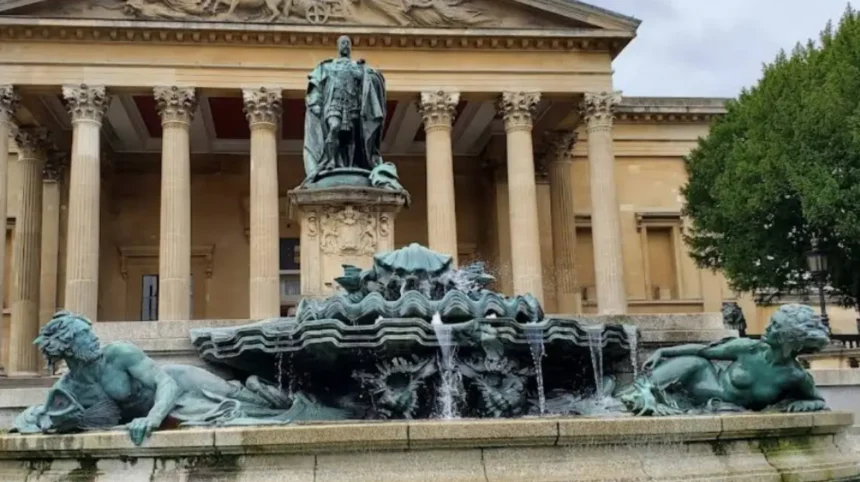
Bristol England is a ceremonial county and unitary authority located in South West England that serves as a major economic and cultural hub. Situated along the River Avon, the city covers an area of 42 square miles and possesses an estimated population of 494,399 citizens as of 2024. The settlement grew from its Anglo-Saxon origins as Brycgstow into one of the most prominent maritime ports in the United Kingdom. Today, the municipality combines its extensive heritage with modern industries including aerospace engineering, financial services, digital media, and environmental technology.
- How Did Bristol Establish Its Maritime Prominence?
- What Are the Core Structural Components of the Bristol Economy?
- Which Key Attractions Define the Cultural Identity of Bristol?
- How Does Bristol Implement Environmental Sustainability Policies?
- What Are the Demographic and Local Governance Frameworks of Bristol?
- What Are the Infrastructure and Transport Connections of Bristol?
- FAQs About Bristol, England
The geographical position of the city has dictated its trajectory for over ten centuries. It lies approximately 120 miles west of London and interfaces directly with the Severn Estuary via the Avon Gorge. This strategic maritime access allowed local merchants to establish lucrative international trade routes during the Middle Ages. The wealth generated by these shipping networks funded extensive urban expansion and civil infrastructure. Modern Bristol operates as a crucial regional capital within the West of England Combined Authority, balancing historical preservation with aggressive sustainable development initiatives.
How Did Bristol Establish Its Maritime Prominence?
The historical development of Bristol began significantly before the Norman Conquest, with archaeological evidence revealing Palaeolithic settlements dating back 60,000 years. By the 10th century, a Saxon burgh named Brycgstow, meaning the place at the bridge, had established a stable silver mint. The town received its first royal charter in 1155 from King Henry II, which secured trading privileges for its merchant class. In 1373, King Edward III granted the settlement county corporate status, making it the first town in England to achieve independence from surrounding regional authorities.
Maritime trade expanded rapidly during the 15th century as local explorers utilized the western port for transatlantic voyages. In 1497, the Italian navigator John Cabot sailed from the harbour aboard his ship, the Matthew, and made landfall in North America. This historic expedition established Bristol as a primary point of departure for subsequent European exploration of the New World. The city grew into the second largest port in England, driven by imports of wine, fish, olive oil, and manufactured textiles.
The economic success of the 17th and 18th centuries remains intrinsically linked to the transatlantic slave trade. Bristol operated as a primary hub of the triangular trade network, which exchanged manufactured goods for enslaved individuals in West Africa. Between 1700 and 1807, local ship owners outfitted more than 2,000 slaving vessels that transported half a million Africans into forced labor. The immense wealth accumulated from sugar, tobacco, and slave labor funded the construction of Georgian architecture throughout the wealthy suburbs.
The 19th century introduced massive industrial restructuring to overcome structural challenges caused by extreme tidal variations. Engineer William Jessop designed the Floating Harbour in 1809, creating a system of locks that maintained constant water levels. Renowned engineer Isambard Kingdom Brunel further revolutionized local transport by constructing the Great Western Railway and designing pioneering ocean steamships. Despite suffering severe infrastructure damage from aerial bombings during World War II, the city successfully rebuilt its urban core and transitioned away from traditional dockside industrial labor.
What Are the Core Structural Components of the Bristol Economy?
The modern economy of Bristol relies on high-value knowledge sectors rather than traditional maritime manufacturing and shipping operations. Aerospace engineering represents a cornerstone of the regional industrial fabric, anchored by major global corporations like Airbus and Rolls-Royce. The aerospace cluster originates from the British Aeroplane Company founded in 1910 at Filton, which later co-developed the supersonic Concorde aircraft. Today, local facilities specialize in advanced structural design, composite materials research, and aircraft wing manufacturing for global aviation markets.
Technology and digital innovation represent the second primary pillar of the contemporary economic infrastructure. The region maintains the largest concentration of silicon chip design firms outside of California, earning it recognition as a leading technology hub. Multinational companies and domestic startups focus on artificial intelligence, microelectronics, graphics processing units, and robotics development. The Presence of the Bristol Robotics Laboratory provides collaborative research facilities that accelerate commercialization pipelines for autonomous systems.
Financial services and public administration also contribute substantial employment opportunities and economic stability to the local population. Financial institutions like Hargreaves Lansdown and Lloyds Banking Group maintain corporate headquarters or major operational centres within the city limits. Additionally, the Ministry of Defence operates its massive Defence Equipment and Support procurement facility at Abbey Wood. This diverse economic mixture ensures low unemployment rates and consistently high levels of foreign direct investment.
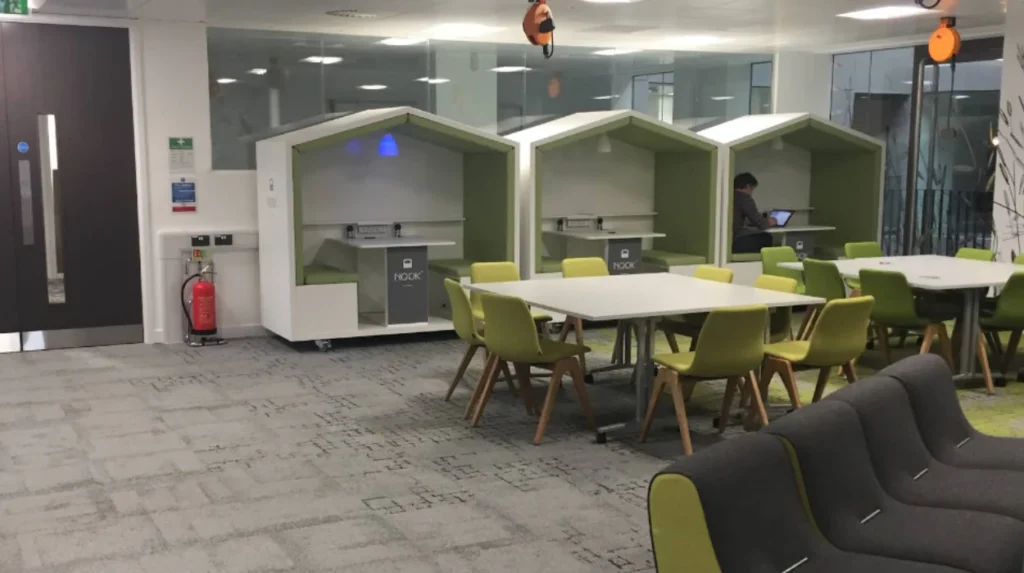
Higher education institutions serve as major economic drivers by supplying skilled labor and fostering corporate research partnerships. The University of Bristol and the University of the West of England enroll over 60,000 undergraduate and postgraduate students collectively. These universities operate specialized innovation centers, including the Quantum Technologies Innovation Centre and the Bristol Composites Institute. The resulting influx of young professionals maintains a highly qualified workforce that attracts competitive international business enterprises.
Which Key Attractions Define the Cultural Identity of Bristol?
The architectural landscape of the city features a diverse collection of historic landmarks and modern cultural institutions. The Clifton Suspension Bridge serves as the definitive visual symbol of the municipality, spanning 702 feet across the Avon Gorge. Designed by Isambard Kingdom Brunel, the Grade I listed toll bridge opened in 1864 after decades of intermittent construction. The structure stands 245 feet above high water level and continues to carry vehicular traffic between Clifton and North Somerset.
Located within the historic Floating Harbour, Brunel’s SS Great Britain operates as a world-class museum ship and heritage attraction. Launched in 1843, this vessel was the first iron-hulled, screw-propelled passenger ocean liner to cross the Atlantic Ocean. Visitors can tour the restored cabins, inspect the massive iron hull in a specialized dry dock, and examine maritime artifacts. The adjacent M Shed museum provides further cultural context through interactive exhibitions detailing local social history and industrial achievements.
Religious and theatrical architecture provides additional depth to the urban fabric of the central city districts. Bristol Cathedral was originally founded in 1140 as the Abbey of St Augustine before becoming a cathedral church in 1542. The building represents an exceptional example of a medieval hall church, where the nave and aisles share equal heights. For performing arts, the Bristol Hippodrome stages major West End theatrical productions, while the historic Bristol Old Vic stands as the oldest continuously operating theatre in the English-speaking world.
The modern entertainment and retail landscape centers around large-scale regeneration projects like the Cabot Circus shopping complex. Opened in 2008 at a cost of 500 million pounds, this retail destination features a shell-shaped glass roof. The city also hosts major annual public gatherings, such as the Bristol International Balloon Fiesta every August. This three-day event attracts hundreds of thousands of spectators to witness over 100 hot air balloons launch from the Ashton Court Estate.
How Does Bristol Implement Environmental Sustainability Policies?
The municipality maintains a prominent international reputation for prioritizing environmental sustainability, urban conservation, and green technology deployment. In 2015, the European Commission awarded Bristol the title of European Green Capital, recognizing its successful carbon reduction achievements. The city council was the first local authority in the United Kingdom to declare a formal climate emergency in 2018. This declaration established a legally binding policy framework designed to achieve net-zero carbon emissions across the entire urban area by 2030.
Urban transport policies prioritize the expansion of low-emission public transit infrastructure, pedestrianized zones, and dedicated commuter cycling lanes. The city forms a core segment of the National Cycle Network and became the first designated Cycling City in England. A comprehensive biogas bus network operates across major routes, utilizing fuel derived from organic waste treatment facilities. Furthermore, a Clean Air Zone covers the central district to penalize highly polluting commercial and private vehicles.
The City Leap program represents a pioneering joint venture model designed to accelerate renewable energy infrastructure investment. This initiative secures over 424 million pounds of private funding to decarbonize public school buildings, social housing units, and council offices. Planned projects include the expansion of low-carbon district heating networks, solar photovoltaic installations, and commercial-scale wind turbines. These collective carbon mitigation strategies serve as scalable operational templates for industrial cities transitioning toward sustainable socioeconomic frameworks.
What Are the Demographic and Local Governance Frameworks of Bristol?
The local government operates through a unitary authority structure that combines municipal city functions with traditional county administrative responsibilities. Bristol City Council consists of 70 elected ward councillors who oversee public services, education, urban planning, and environmental maintenance. The council transitioned away from an elected mayoral model in 2024, adopting a committee-led system to distribute decision-making powers. The municipality also participates actively in the West of England Combined Authority to coordinate strategic regional transport and economic development plans.
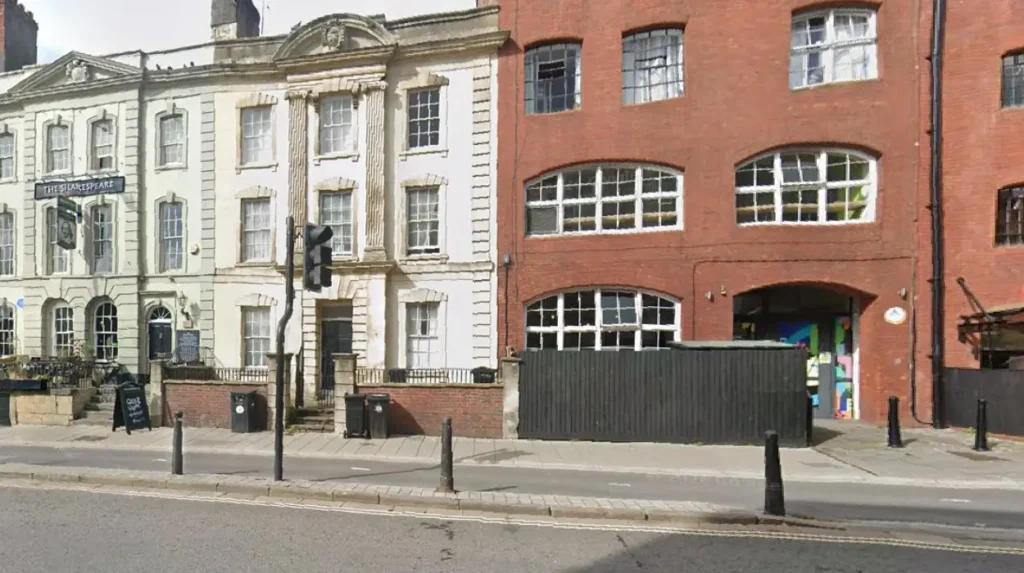
Demographic analysis reveals a rapidly expanding, diverse population characterized by a low median age and high ethnic variety. Census data indicates the population grew by 10.3 percent between 2011 and 2021, outstripping average growth rates across England. The population includes sizable minority communities, with 18.9 percent identifying as non-white ethnic groups, including British Asian, Black, and mixed heritages. This multicultural population distribution has fostered diverse culinary scenes, multilingual educational frameworks, and varied religious institutions across the metropolitan area.
Sociolinguistic trends include the preservation of the distinctive Bristolian dialect, featuring the linguistic phenomenon known as the Bristol L. This speech pattern involves appending a terminal lateral approximant sound to words ending in neutral vowels, transforming words like area into areal. The city also maintains unique business traditions, exemplified by the four historic bronze tables called The Nails outside The Exchange. These 16th-century structures were used by merchants to count currency, creating the enduring financial phrase to pay on the nail.
What Are the Infrastructure and Transport Connections of Bristol?
The strategic transport infrastructure integrates the metropolitan area into domestic highway networks, national rail lines, and international aviation corridors. The M4 motorway connects the city directly to London and South Wales, while the M5 motorway links the region to the Midlands and the South West peninsula. High-speed rail services operate from Bristol Temple Meads railway station, a historic transport hub originally designed by Isambard Kingdom Brunel. Trains run regularly to London Paddington, Cardiff Central, Birmingham New Street, and Edinburgh Waverley.
International passenger travel and air cargo logistics operate primarily through Bristol Airport, located eight miles south of the city center. This commercial airport handles flights to over 120 destinations across Europe, North Africa, and North America via major airlines. For maritime logistics, the Port of Bristol operates deep-sea container docks at Avonmouth and Royal Portbury. These modern facilities import over 550,000 vehicles annually from manufacturing hubs in Japan, Germany, and South Korea, preserving the historic global mercantile legacy.
FAQs About Bristol, England
What is the best way to get around Bristol as a tourist?
The most efficient way to travel around Bristol is by using the First Bus network or navigating the central areas on foot. For a scenic alternative, the Bristol Ferry Boats provide regular transport links across the historic Floating Harbour. Additionally, visitors can rent electric scooters and bicycles through the city’s widespread active travel schemes.
Is Bristol England a safe place for international visitors and students?
Bristol is generally considered a safe and welcoming city for both international tourists and university students. Standard urban safety precautions apply, particularly at night in busy nightlife districts like Stokes Croft or around the city center. The large student population ensures that major residential and commercial areas remain well-lit and active.
What are the top free things to do in Bristol?
Visitors can explore several world-class attractions in Bristol without spending money, including walking across the iconic Clifton Suspension Bridge. The M Shed museum and the Bristol Museum & Art Gallery both offer free admission to their historical exhibitions. Additionally, viewing the city’s famous street art in districts like Bedminster and Stokes Croft is entirely free.
Why is Isambard Kingdom Brunel so famous in Bristol’s history?
Isambard Kingdom Brunel is celebrated as a visionary Victorian engineer who revolutionized Bristol’s transport infrastructure and global connectivity. He designed the Clifton Suspension Bridge, engineered the Great Western Railway linking Bristol to London, and built the SS Great Britain. His innovative engineering projects transformed the city into a pioneering hub of the Industrial Revolution.
How many days do you need to fully experience Bristol?
A stay of two to three days is typically sufficient to experience the primary cultural and historical highlights of Bristol. This timeframe allows enough time to tour the historic harborside, visit major museums, explore Clifton Village, and experience the local dining scene. It also provides a flexible base if you plan to take short day trips to nearby Bath or Somerset.