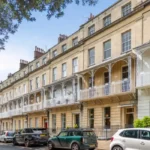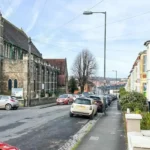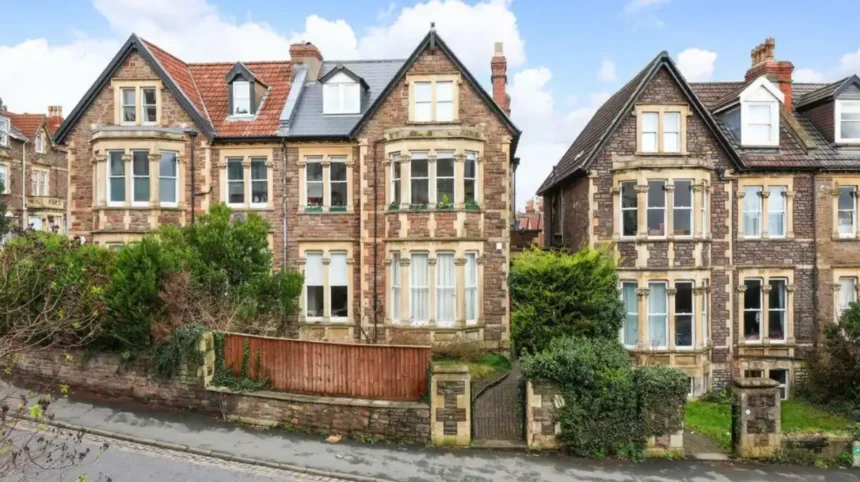
Redland is an established residential neighbourhood in north-west Bristol, positioned between Clifton, Cotham, Bishopston and Westbury Park. It is known for Victorian and Edwardian housing, Redland Green, independent shops, proximity to the University of Bristol, and strong public transport connections. Bristol City Council identifies Cotham and Redland as a conservation area, reflecting the neighbourhood’s architectural and historic importance.
- What is Redland like as a place to live?
- How did Redland develop historically?
- What type of homes are available in Redland?
- Is Redland expensive compared with other parts of Bristol?
- Why is Redland popular with students and university staff?
- What green spaces can residents use in Redland?
- What shopping and local amenities are available in Redland?
- How easy is public transport from Redland?
- What is parking like in Redland?
- What schools are available around Redland?
- How does conservation status affect living in Redland?
- Is Redland suitable for families?
- What should professionals consider before moving to Redland?
- What are the main advantages and challenges of living in Redland?
- What should you check before moving to Redland?
- What is the long-term outlook for living in Redland?
The area combines residential streets with local retail centres, schools, green spaces, student accommodation and transport routes. Its location provides convenient access to central Bristol, Clifton, Gloucester Road and the University of Bristol.
For people considering living in Redland, the main factors are housing, transport, education, green space, local amenities, parking, heritage protection and the character of individual streets. Current sold-price data also places Redland among Bristol’s higher-value residential locations, with an overall average sold price of £606,439 over the last year recorded by Rightmove.
What is Redland like as a place to live?
Redland is a residential Bristol neighbourhood with historic architecture, green space, local shops, schools and strong links to Clifton and central Bristol. Its housing includes Victorian and Edwardian properties, flats, converted houses and student accommodation, creating a mixed residential community.
Redland sits in the northern part of Bristol’s inner urban area. The neighbourhood is closely connected with Cotham, Clifton, Bishopston, Ashley Down and Westbury Park.
Its physical character is strongly influenced by nineteenth-century urban expansion. Bristol City Council’s heritage framework states that the terraced streets of Redland, Clifton, Cotham and several surrounding districts are predominantly Victorian in character.
The neighbourhood is primarily residential, but it also contains small commercial centres and community facilities. The Cotham and Redland Conservation Area appraisal identifies Chandos Road, Lower Redland Road and Redland Green as important components of the area’s land use and character.
Redland also has a substantial student presence because of its proximity to the University of Bristol. University accommodation is located on Redland Road, while private student housing is distributed across surrounding streets.
This combination creates a neighbourhood that serves several groups. Long-term residents, families, professionals and students all form part of the local housing market.
How did Redland develop historically?
Redland developed primarily as a suburban residential district during Bristol’s nineteenth-century expansion. Victorian urban growth transformed former rural and semi-rural land into streets of substantial houses, terraces, institutions and community facilities that define much of Redland today.
Bristol’s wider urban expansion accelerated during the eighteenth and nineteenth centuries. The nineteenth century produced much of the built environment visible across central and inner Bristol today. Redland was part of this wider transformation.
The development pattern was predominantly residential. Large houses, terraces and villas were constructed as Bristol expanded beyond its older central areas.
The resulting architectural landscape remains one of Redland’s defining characteristics. Bristol City Council describes the Cotham and Redland Conservation Area as containing a high-quality townscape with a significant proportion of buildings and groups of architectural merit.
Many larger Georgian and Victorian properties were later subdivided into flats or houses in multiple occupation. This changed the way buildings were occupied without completely removing their historic architectural form.
Historic preservation is now an important part of Redland’s planning environment. Bristol has 33 conservation areas, and conservation-area status is intended to preserve or enhance areas with special architectural and historic character.
The Cotham and Redland Conservation Area also has an Article 4 Direction covering certain boundary walls and hard standings. This means some work that normally falls within permitted development rights requires planning permission.
What type of homes are available in Redland?
Redland housing consists mainly of Victorian and Edwardian terraces, substantial period houses, converted flats, purpose-built apartments and shared student properties. Housing varies significantly by street, size, condition, tenure and proximity to major roads, green spaces and local amenities.
The neighbourhood’s housing stock reflects its nineteenth-century development. Period terraces and larger houses remain particularly visible across Redland and adjoining areas.
Some larger buildings have been converted into multiple flats. Others operate as houses in multiple occupation, commonly known as HMOs. Bristol City Council specifically identifies the conversion of single dwellings into flats and HMOs as an important issue within the Cotham and Redland Conservation Area.
Current property-market data demonstrates the high value of Redland housing. Rightmove records an overall average sold price of £606,439 over the last year. Flats recorded an average sold price of £409,176, terraced properties £754,367 and semi-detached properties £968,717.
These figures show the substantial difference between property types. A compact flat and a large period house represent very different entry points into the Redland housing market.
For renters, the neighbourhood also has an established student market. Current listings include rooms in shared houses, studios, flats and larger student properties.
Anyone searching for a home should therefore assess the specific property rather than relying only on a neighbourhood-wide average. Building condition, insulation, garden space, parking arrangements and conservation restrictions can differ substantially between streets.
Is Redland expensive compared with other parts of Bristol?
Redland is a relatively high-value residential area within Bristol, with period houses and well-located properties commanding substantial prices. The market includes cheaper flats alongside expensive larger homes, creating a wide range of purchase and rental costs.
The latest available sold-price data provides a useful market benchmark. Rightmove records Redland’s average sold price at £606,439 over the previous year. The same data records a 3% increase from the preceding year and a 6% decline from the 2022 peak of £644,339.
The property mix explains part of this variation.
Flats have a lower average sold price than terraced houses, while semi-detached properties have a substantially higher average. Period houses with gardens, multiple bedrooms and attractive architectural features occupy the upper end of the market.
Rental prices also vary according to the type of accommodation. Student properties are frequently priced by room or per person, while conventional flats and houses are marketed according to the entire property.
The financial calculation should include more than rent or mortgage payments. Residents should account for council tax, utilities, broadband, insurance, transport, maintenance and parking.
Conservation requirements can also affect owners of historic properties. Bristol City Council states that conservation areas have stricter planning controls and that development proposals can require additional permission.
For prospective residents, the key issue is therefore the relationship between property type, location and total housing cost.
Why is Redland popular with students and university staff?
Redland is popular with students because it is close to the University of Bristol, has established private rental housing, convenient transport, local shops and access to Clifton, Gloucester Road and central Bristol. The neighbourhood also contains dedicated university accommodation on Redland Road.
The University of Bristol has accommodation at 121 Redland Road, Bristol BS6 6QX, demonstrating the direct connection between the neighbourhood and university life. The residence includes shared kitchens, communal facilities, bike storage and student support services.
Private student accommodation is also widespread. Current property listings include shared houses and flats within walking distance of the University of Bristol and nearby commercial areas.
The student population influences the local housing market and the character of some streets. Larger Victorian houses are particularly suitable for conversion into shared accommodation because of their room sizes and internal layouts.
The University of Bristol also identifies Redland among the locations connected to its wider residential network. Its accommodation portfolio includes Redland Road alongside residences across Clifton and other Bristol districts.
Students benefit from access to shops, cafés, restaurants, green spaces and public transport. Redland’s position between the university area and Gloucester Road also creates a practical base for daily travel.
The student presence is not uniform across the neighbourhood. Some streets have a stronger concentration of shared accommodation, while others remain predominantly occupied by families and long-term residents.
What green spaces can residents use in Redland?
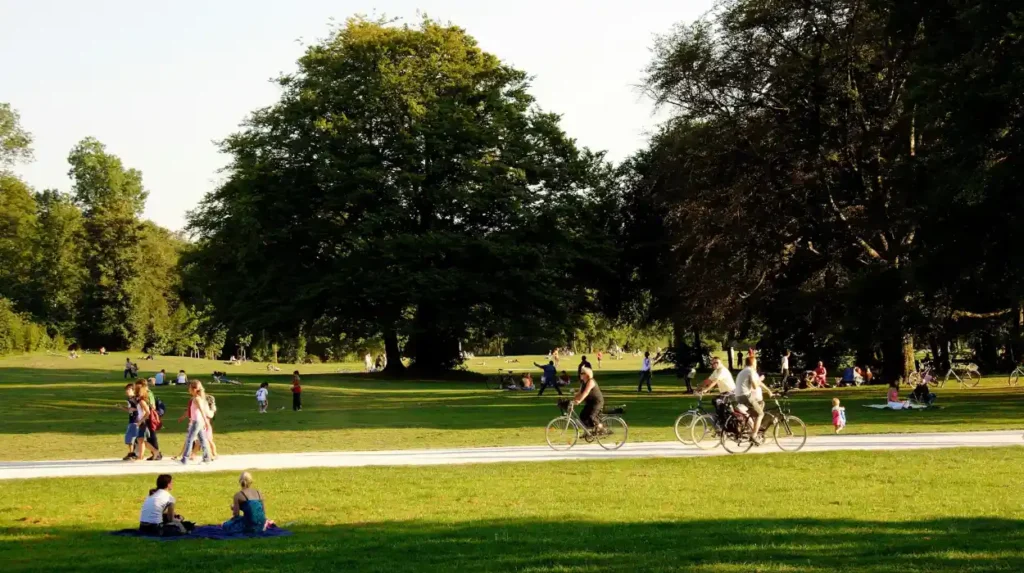
Redland Green is the neighbourhood’s principal local green space, providing grassed areas, a children’s playground, sports facilities, walking routes and cycling connections. The space operates without an admission charge and remains open throughout the day.
Redland Green is officially managed as a local park by Bristol City Council. The council lists a children’s playground, bowling club, private tennis club and pedestrian and cycling routes among its facilities.
The park has no dedicated car park. Its location within the residential neighbourhood makes walking and cycling important ways of reaching it.
Redland Green also connects with wider recreational routes towards Westbury Park, giving residents access to a broader network of green spaces.
The wider Bristol area contains other major outdoor destinations. The Downs, for example, provides extensive open space suitable for walking, exercise, sport, picnics and events. Bristol City Council lists The Downs among the city’s principal parks and open spaces.
Green infrastructure is particularly important in a dense inner-city neighbourhood. It provides recreational space without requiring residents to travel into the city centre.
For families, Redland Green’s playground is a practical local facility. For active residents, its walking and cycling connections extend the usable outdoor environment beyond the park itself.
What shopping and local amenities are available in Redland?
Redland provides everyday amenities through small retail centres and nearby commercial streets, with Chandos Road, Lower Redland Road, Gloucester Road and Whiteladies Road forming important shopping and service destinations. Residents also have convenient access to Clifton and central Bristol for larger retail and cultural facilities.
Redland’s commercial character differs from a conventional large shopping centre. Local services are distributed along neighbourhood streets.
Bristol City Council’s conservation appraisal specifically identifies Chandos Road and Lower Redland Road as small retail centres within the wider Cotham and Redland Conservation Area.
The neighbourhood also sits close to Gloucester Road, one of Bristol’s major independent commercial corridors. Its location gives residents access to food shops, cafés, restaurants, specialist businesses and everyday services.
Whiteladies Road provides another nearby commercial destination. Its location close to Clifton Down also connects Redland residents with businesses and services in Clifton.
This distribution of amenities supports local daily life. Residents can complete many routine errands without travelling into Bristol city centre.
For larger shopping requirements, central Bristol provides broader retail provision. The transport network makes these destinations accessible from Redland.
The neighbourhood’s local retail economy also contributes to its distinct identity. Small commercial centres sit alongside historic residential streets rather than being separated into a single retail district.
How easy is public transport from Redland?
Public transport in Redland is supported by the railway station, nearby Clifton Down station, frequent bus corridors and connections towards Bristol city centre, Temple Meads, the University of Bristol, Bishopston and north Bristol. The transport network supports commuting without relying exclusively on a car.
Redland railway station is located on South Road, BS6 6QP. GWR lists bicycle parking, step-free access, ticket facilities and public Wi-Fi among its station facilities.
Clifton Down railway station is also nearby on Whiteladies Road. It provides another rail option for residents living towards the western side of Redland.
Bus services provide another important transport option. First Bus currently lists service 72 between Bristol Temple Meads and UWE Frenchay, travelling via Bristol city centre, the University of Bristol, Redland, Bishopston, Horfield and Lockleaze.
This route creates a useful north-south connection for residents travelling between Redland and destinations beyond the immediate neighbourhood.
Cycling also has an established role. Redland Green includes pedestrian and cycling connections, while Redland station provides cycle storage.
The practical result is a neighbourhood with several transport modes. Rail serves longer journeys and selected Bristol destinations, buses serve local and cross-city routes, while walking and cycling work well for shorter trips.
What is parking like in Redland?
Parking in Redland is regulated through a residents’ parking scheme covering defined streets and operating during specified hours. The scheme creates controlled parking conditions, while conservation-area restrictions also affect some changes to boundaries, hard standings and front gardens.
Bristol City Council operates a Redland Residents’ Parking Scheme. Its published operational hours are Monday to Friday from 9am to 5pm.
The scheme includes designated areas and permit arrangements for residents and visitors. Parking conditions therefore depend on the specific street and property.
The council also identifies several allotments within the Redland parking-scheme area, including Kersteman Road Allotments, Cranbrook Road Allotments and Redland Green Allotments.
Parking is an important consideration when assessing Redland property. A house advertised with off-street parking has a different practical value from one that relies entirely on controlled street parking.
Conservation restrictions add another factor. The Cotham and Redland Article 4 Direction covers boundary walls and hard standings, meaning certain alterations require planning permission.
Residents should therefore check parking permits, restrictions and planning controls before purchasing or renting a property.
What schools are available around Redland?
Redland and its surrounding Bristol neighbourhoods provide access to primary and secondary education, including Redland Green School. School admissions depend on individual policies, priority areas, age groups and available places, so families must check current Bristol City Council information before applying.
Redland Green School is an academy serving pupils aged 11 to 18. Bristol City Council lists a planned admission number of 232 for 2027 and records 1,652 pupils on roll in January 2026.
The school’s presence is significant for families considering the neighbourhood, but school access is not determined simply by living within the wider Redland area.
Bristol City Council provides detailed school information through its admissions system. Priority areas, admission policies and available places vary between schools.
Families should therefore distinguish between geographical proximity and guaranteed admission.
Primary-school options also exist across neighbouring areas. The practical school choice depends on the exact home address, child’s age and current admissions arrangements.
The council’s Census 2021 data also provides information about Bristol’s population, housing, household composition, qualifications and economic activity at smaller geographic levels.
For families moving to Redland, school research should take place before signing a long-term tenancy or completing a property purchase.
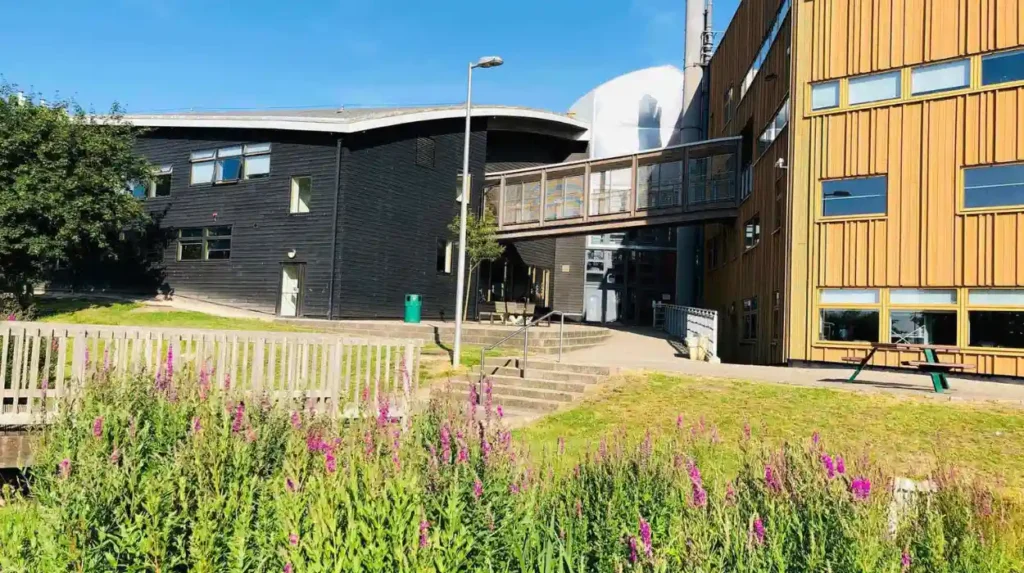
How does conservation status affect living in Redland?
Conservation status protects Redland’s historic architectural character while introducing additional planning controls. Property owners can face restrictions on alterations affecting buildings, boundaries, hard standings and other visible features, making planning guidance important before undertaking significant external changes.
The Cotham and Redland Conservation Area is formally recognised by Bristol City Council. Its character appraisal assesses residential buildings, public spaces, retail areas, landscape features and historic townscape.
Conservation areas are designated because they have special architectural or historic character. Bristol currently has 33 such areas.
The planning framework can affect homeowners who want to replace windows, alter boundaries, create hard standings, extend properties or undertake other external works.
The Cotham and Redland Article 4 Direction specifically removes certain permitted development rights relating to boundary walls and hard standings.
This does not prevent property improvements. It changes the approval process for specific works.
The conservation framework also helps preserve architectural details that contribute to Redland’s identity. Bristol City Council highlights traditional buildings, boundaries, trees, street surfaces and public-realm features as components of conservation-area character.
Property buyers should therefore investigate the planning status of individual homes before purchasing.
Is Redland suitable for families?
Redland provides a family-oriented residential environment through period houses, local green space, schools, neighbourhood shops and access to wider Bristol facilities. Family suitability varies by street, property size, parking arrangements, school access, garden provision and proximity to busy transport routes.
Larger Redland houses provide substantial accommodation compared with many central Bristol flats. Some properties include gardens and multiple bedrooms, while converted buildings provide smaller flats.
Redland Green adds an important recreational facility for households with children. Its playground is designed for younger users, while the wider park provides grassed open space and routes for walking and cycling.
Schools are another major consideration. Redland Green School provides secondary education for ages 11 to 18, but admission arrangements depend on current policies and priority areas.
Transport accessibility also benefits families. Rail and bus services reduce dependence on private vehicles for journeys into central Bristol and surrounding districts.
However, the historic housing stock requires careful assessment. Period properties can have older construction, complex layouts and conservation requirements.
Families should therefore assess individual properties according to bedroom numbers, outdoor space, storage, parking, school access and commuting requirements rather than treating Redland as a uniform housing market.
What should professionals consider before moving to Redland?
Professionals benefit from Redland’s proximity to central Bristol, Clifton, the University of Bristol, Gloucester Road and public transport. The neighbourhood provides residential streets close to employment, commercial and cultural destinations, making commuting practical by rail, bus, bicycle and foot.
Redland’s location places residents close to central Bristol without requiring a city-centre address.
The University of Bristol is a major local institution, while central Bristol contains offices, professional services, cultural venues and commercial businesses.
Rail connections provide access to Bristol’s wider network, while bus services connect Redland with Temple Meads, the city centre and northern destinations.
The neighbourhood also supports active travel. Redland Green includes cycling and pedestrian connections, and Redland railway station provides bicycle storage.
For professionals working from home, local cafés and nearby commercial streets provide additional daytime environments outside the home. The residential setting also offers access to green space for breaks and exercise.
Commuters should compare the location of their workplace with the exact property rather than relying on the Redland neighbourhood label. A home near Redland station provides a different transport profile from one closer to Gloucester Road or Westbury Park.
What are the main advantages and challenges of living in Redland?
The main advantages of Redland are its historic housing, green space, transport connections, local amenities and proximity to Bristol’s universities and central districts. Key challenges include high property costs, controlled parking, student housing pressures and conservation-related planning restrictions.
Redland’s strongest feature is its combination of residential character and central location.
Its Victorian townscape provides distinctive architecture. Redland Green provides accessible open space. Rail and bus services connect residents with other parts of Bristol. Local shopping streets provide everyday amenities.
The financial barrier is significant. The latest Rightmove sold-price data places the neighbourhood’s average at more than £600,000, with substantial variation between flats, terraces and semi-detached homes.
Parking also requires attention. The Redland Residents’ Parking Scheme operates during defined weekday hours and uses permits and controlled bays.
Housing pressure is another consideration. Bristol City Council’s conservation appraisal notes the conversion of larger properties into flats and HMOs and identifies associated pressures involving parking, waste, maintenance and the public realm.
Conservation controls protect the neighbourhood’s historic appearance but also affect property alterations. Owners must investigate planning requirements before undertaking certain external works.
These factors make property-level research essential when considering a move.
Explore More Area Guide
Living in Clifton, Bristol: Complete Area Guide 2026
Guide to Clifton Village Bristol 2026
What should you check before moving to Redland?
Before moving to Redland, check the exact property’s price or rent, conservation status, parking arrangements, transport access, school priority area, building condition, tenure and local amenities. These factors vary considerably between streets and directly influence the practical cost of living.
Start with the exact address rather than the general Redland postcode.
Bristol City Council’s local information tools provide information about individual properties, including school catchment information, resident parking areas and nearby facilities.
Next, check whether the property falls within the Cotham and Redland Conservation Area or an Article 4 Direction area.
For buyers, investigate planning history and previous alterations. Historic properties can contain extensions, conversions or boundary changes that require careful documentation.
For renters, check whether the property is an HMO, whether bills are included and what parking arrangements apply.
Transport should also be tested at the times you normally travel. Redland station, Clifton Down station and bus routes serve different parts of the neighbourhood.
Families should verify current school admission information before committing to a property.
Finally, compare the property’s total monthly cost with its facilities. A higher rent or purchase price can reflect location, size, parking, outdoor space and condition, but those features should be assessed individually.
What is the long-term outlook for living in Redland?
Redland’s long-term relevance is supported by its established residential character, proximity to major Bristol institutions, protected historic environment, transport connections and continuing demand for housing. Future change will remain closely linked to planning policy, housing pressure, transport investment and heritage protection.
Redland has a strong physical identity that is protected through conservation planning.
Bristol City Council uses character appraisals to understand the architectural, landscape and social features that define neighbourhoods and to inform decisions about future development.
The housing market also demonstrates continuing demand. Redland’s recent average sold price and active rental market show that residential property remains a major component of the local economy.
The neighbourhood’s proximity to the University of Bristol supports continuing demand from students and university-connected residents. Its position near Clifton and central Bristol also supports professional and family demand.
Future development must balance housing requirements with conservation objectives. Bristol’s planning framework seeks to preserve special historic character while allowing appropriate development.
For residents, this means Redland is likely to remain a predominantly residential neighbourhood where historic buildings, green spaces, education, transport and local services continue to shape everyday life.
Is Redland a good place to live in Bristol?
Yes. Redland is a well-established residential neighbourhood with Victorian and Edwardian homes, green spaces, local shops, schools and strong transport links. Its location provides convenient access to Clifton, the University of Bristol, Gloucester Road and Bristol city centre.