Bristol is a major city in South West England with a transport network built around buses, rail services, walking, cycling, taxis, cars, Park & Ride and shared mobility. Transport costs depend on distance, travel frequency, vehicle ownership, parking, fares and Clean Air Zone charges.
- How much does public transport cost in Bristol?
- What does a bus journey cost in Bristol?
- How much does Park and Ride cost in Bristol?
- How much does train travel cost in Bristol?
- Is travelling by car expensive in Bristol?
- How much does parking cost in Bristol?
- How much do residents pay for parking permits in Bristol?
- What is Bristol’s Clean Air Zone transport cost?
- How much does cycling and walking cost in Bristol?
- How much do shared e-bikes and e-scooters cost in Bristol?
- How much do taxis and private hire vehicles cost in Bristol?
- How does Bristol transport compare for commuters?
- What factors determine the cost of transport in Bristol?
- How is Bristol’s transport network changing?
- What is the cheapest way to travel around Bristol?
The city’s transport system has changed significantly over time. Bristol’s historic tram network helped shape the city’s early public transport structure, while Bristol Temple Meads became the principal long-distance rail gateway. Today, buses remain central to everyday travel, supported by rail, active travel infrastructure, Park & Ride and newer shared transport services.
For residents, commuters and visitors, the most important transport cost is not always the ticket price. A complete Bristol transport budget also includes parking, fuel, vehicle ownership, rail connections and charges for non-compliant vehicles entering the Clean Air Zone.
How much does public transport cost in Bristol?
Public transport in Bristol is built around affordable bus, rail and integrated travel options, with a First Bus Bristol single fare of £2.60 and a Bristol Tap On Tap Off day cap of £6.80 from 2026. Rail, Park & Ride and wider-area fares vary by journey.
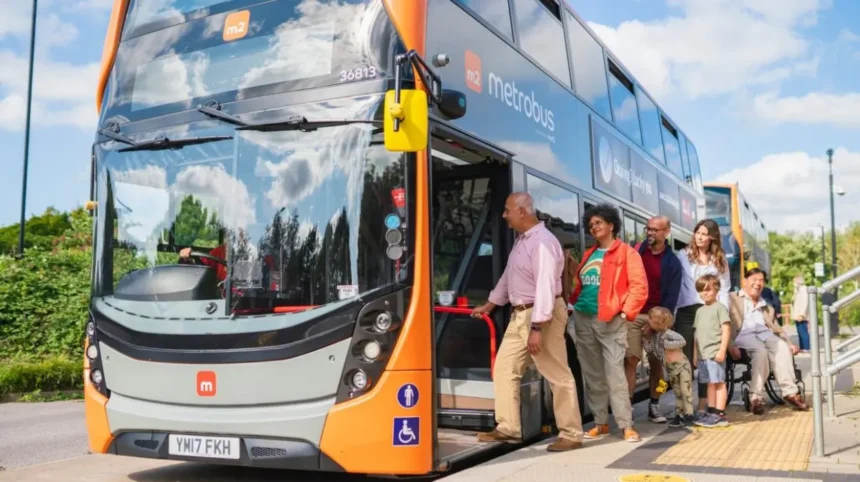
Buses are the main form of public transport within Bristol. First Bus operates a large network connecting neighbourhoods with Bristol city centre, Bristol Temple Meads, the University of Bristol, UWE Frenchay, Southmead Hospital and other major destinations.
From January 2026, First Bus lists a £2.60 fare for one Bristol journey using Tap On Tap Off. Three or more qualifying trips in Bristol reach a £6.80 daily cap. The weekly cap for Bristol is £28 over a seven-day capping period.
This makes frequent bus use significantly different from paying for every journey separately. A commuter who travels several times in one day benefits from the daily cap once the qualifying threshold is reached.
First Bus also operates routes linking Bristol with locations outside the city. Wider West of England travel has different fare structures. The fare depends on the area and distance travelled.
Bristol’s bus network continues to develop. First Bus introduced service changes in 2026, including new services and revised routes intended to improve reliability and connectivity.
Bristol recorded 39.7 million bus passenger journeys in 2024/25, compared with 37.2 million in 2023/24 and 40.8 million in 2019/20. This shows the continued importance of buses in the city’s transport system.
What does a bus journey cost in Bristol?
A standard adult First Bus Bristol journey costs £2.60 under the 2026 Tap On Tap Off fare structure, while repeated travel can reach a £6.80 Bristol day cap and £28 weekly cap, making frequent bus journeys cheaper than buying separate fares.
First Bus uses contactless payment technology through Tap On Tap Off. Passengers tap when boarding and tap off when leaving where the system requires it. The system calculates the applicable fare and applies caps according to accumulated travel.
The Bristol fare structure from 2026 includes:
- One Bristol trip: £2.60
- Bristol day cap: £6.80
- Bristol seven-day cap: £28
Children have separate fares. First Bus states that children receive a 50% discount on adult fares, while students and young people can receive discounts through the First Bus app.
The exact cost depends on the ticket product and eligibility. Visitors should check the current fare before travelling because operators update fares and ticket conditions.
Several major routes connect Bristol Temple Meads with residential and educational areas. For example, First Bus service 70 connects Temple Meads with Bristol city centre, Ashley Down, Horfield and UWE Frenchay. Service 72 also connects Temple Meads with the University of Bristol, Redland, Bishopston, Horfield and UWE Frenchay.
How much does Park and Ride cost in Bristol?
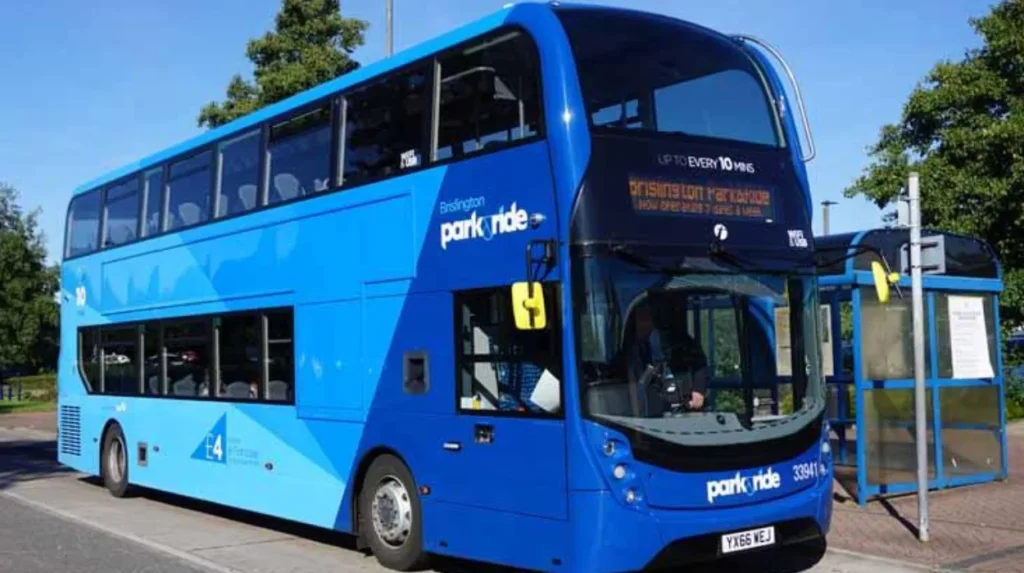
Bristol Park and Ride reduces city-centre driving costs because parking at participating sites is free for bus users, while travellers pay the bus fare; current examples include a £2.60 adult single and £3.50 adult return on service 9.
Park and Ride combines private-car access with public transport. Drivers leave their cars at designated sites outside the central area and continue by bus.
Bristol City Council states that parking at Park and Ride sites is free for bus users. The traveller pays the applicable bus fare.
The Brislington Park and Ride service 9 provides a useful current example. From August 2026, its listed adult fare is £2.60 single and £3.50 anytime return. The child fares are £1 single and £1.75 return.
Park and Ride can reduce the combined cost of fuel and central parking. It also reduces the need to drive into Bristol’s central streets.
Major Park and Ride locations include Brislington, Long Ashton and Portway. Travelwest identifies the facilities, operating times and associated bus services.
The financial benefit depends on the traveller’s starting point. A driver living close to a Park and Ride site can avoid central parking costs while retaining access to a private car for the outer part of the journey.
How much does train travel cost in Bristol?
Train costs in Bristol depend on the stations, journey distance, ticket type, travel time and railcard eligibility, with Bristol Temple Meads serving as the principal city-centre rail hub and Bristol Parkway providing an important northern interchange.
Rail transport is important for people travelling between Bristol and surrounding communities, Bath, South Wales, London and other UK cities.
Bristol Temple Meads is the city’s historic main railway station. It has played a major role in long-distance travel since the development of Britain’s railway network.
Bristol Parkway provides another important rail connection north of the city. The two stations serve different parts of Bristol and the wider region.
Rail fares are not governed by the same simple citywide cap as Bristol bus fares. A journey between Bristol Temple Meads and another city has a fare based on the rail ticket purchased.
Ticket prices can vary according to:
- single or return travel
- advance or flexible tickets
- peak or off-peak travel
- railcard discounts
- route and destination
- booking conditions
For frequent rail users, a Railcard can reduce eligible fares. Season tickets provide another option for regular commuters.
Bristol also participates in integrated transport products. Travelwest lists Freedom Travelpass day tickets from £7.50 and PlusBus from £4.50 per day, subject to applicable terms and participating services.
These products are particularly relevant when a train journey also requires local bus travel.
Is travelling by car expensive in Bristol?
Car travel in Bristol involves more than fuel costs because drivers also face parking charges, maintenance, insurance, vehicle tax and potential Clean Air Zone charges, making the total cost higher than the direct petrol or diesel expense.
Car ownership remains widespread in Bristol. Bristol City Council reports that 74% of households have at least one car or van, while 26% have no car or van.
Car availability varies considerably between neighbourhoods. The council reports that car ownership is particularly high in some outer areas and much lower in parts of central Bristol.
The cost of using a car therefore depends on both ownership and frequency of travel.
Fuel is the most visible running expense. Other costs include insurance, servicing, repairs, tyres, MOT testing, vehicle tax and depreciation. Depreciation is the reduction in a vehicle’s value over time.
Urban congestion also affects the effective cost of driving. Bristol’s average speed on local A roads was 15.7 mph in 2024, compared with an England average of 23.0 mph. The council also reported that 83% of Bristol residents considered traffic congestion a problem in 2024/25.
Slow traffic increases journey time and fuel consumption. It also reduces the practical efficiency of short car journeys.
How much does parking cost in Bristol?
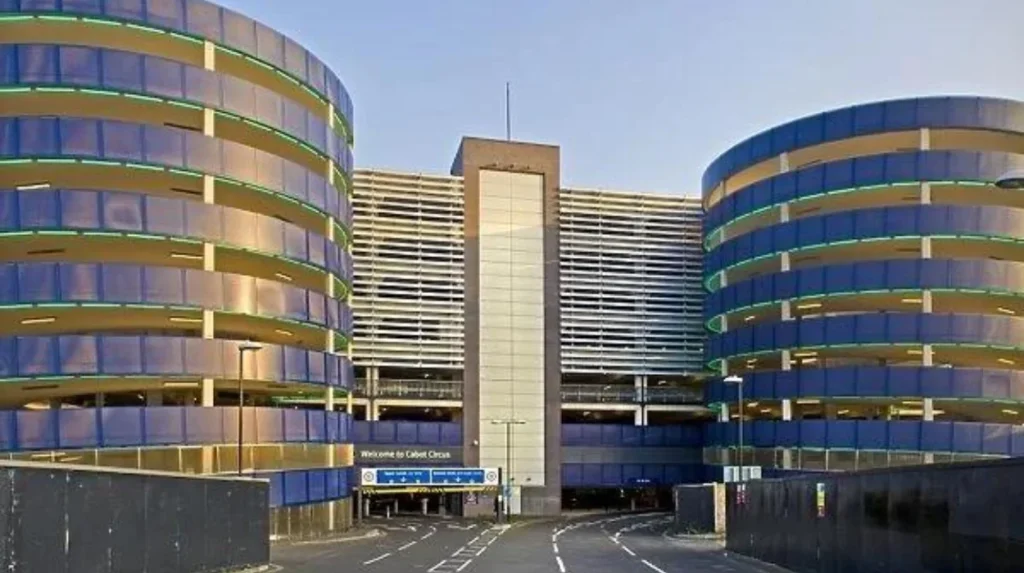
Parking costs vary by location and parking type, with central Bristol on-street charges reaching £4.50 per hour during daytime in one-hour zones and city-centre car parks charging according to their individual tariff structures.
Bristol’s central area operates a Controlled Parking Zone. This means streets have parking restrictions, including pay-and-display bays, single yellow lines, double yellow lines and loading controls.
From August 2026, central one-hour zones charge £4.50 per hour from 8am to 6pm and £3.50 per hour from 6pm to 10pm. Parking is free between 10pm and 8am in these zones.
Two-hour and four-hour zones charge £3.50 per hour from 8am to 6pm and £2.50 per hour from 6pm to 10pm.
Off-street parking has different tariffs.
For example, College Street car park charges £2.70 for one hour, £5.40 for two hours, £8.10 for three hours and £10.80 for four hours during its daytime tariff.
The Grove car park at Harbourside charges the same £2.70 one-hour rate and reaches £19.60 for stays over four hours under its daytime tariff.
Parking therefore forms a major part of the cost of car-based city-centre travel.
How much do residents pay for parking permits in Bristol?
Bristol residents’ parking permit costs depend on the parking zone and vehicle, with first permits outside the Central Parking Zone starting at £129 annually and second and third permits costing £233 and £581 respectively.
Residents’ Parking Schemes regulate parking in many Bristol neighbourhoods.
Outside the Central Parking Zone, the first annual permit costs £129 for vehicles in bands A to K, while vehicles in bands L to M cost £193. A second permit costs £233, and a third costs £581.
The Central Parking Zone has a different resident permit price. Bristol City Council lists £250 per year for residents’ permits in this area.
Visitor permits also form part of household transport costs. Chargeable visitor permits cost £2.50 each in Clifton Village, Clifton East and Kingsdown and £2 in other listed zones.
These charges matter for households that rely on private vehicles and do not have off-street parking.
What is Bristol’s Clean Air Zone transport cost?
Bristol’s Clean Air Zone charges £9 per day for non-compliant private petrol and diesel cars, taxis and light goods vehicles, while compliant vehicles, motorcycles and eligible exemptions avoid the charge.
Bristol introduced its Clean Air Zone on 28 November 2022. The zone is designed to reduce exposure to nitrogen dioxide by charging higher-polluting vehicles entering the designated area.
For private petrol cars, the daily charge is £9. The same £9 charge applies to private diesel cars, taxis and light goods vehicles under 3.5 tonnes. Heavy goods vehicles, buses and coaches face a £100 daily charge.
The charge operates from midnight to midnight. A vehicle can enter and leave the zone multiple times during a paid day without paying another daily charge. A journey crossing midnight requires two daily charges.
The Clean Air Zone does not mean vehicles are banned. Non-compliant vehicles can enter, but they incur the relevant charge.
The council states that Euro 4, 5 and 6 petrol vehicles, roughly vehicles from 2006 onwards, and Euro 6 diesel vehicles, roughly vehicles from the end of 2015 onwards, are generally not charged. Vehicle compliance should be checked individually.
Motorcycles do not incur the Bristol Clean Air Zone charge.
How much does cycling and walking cost in Bristol?
Walking has no direct transport fare, while cycling can have relatively low running costs compared with car ownership; Bristol’s transport data shows active travel accounted for 36% of residents’ journeys to work in 2024.
Walking is the lowest direct-cost transport option in Bristol. There is no ticket, fuel expense or parking payment.
Cycling also avoids most direct transport charges. The main expenses involve bicycle purchase, maintenance, safety equipment and potential cycle-hire fees.
Bristol has invested in active travel infrastructure, including cycling routes and pedestrian improvements. The city’s transport strategy increasingly integrates walking and cycling with public transport.
In 2024, 36% of Bristol residents travelled to work through active travel, including 20% walking and 15% cycling. The remaining percentage reflects rounding in the council’s reported figures.
The council also reports that 24% of Bristolians ride a bicycle at least once a week.
For short journeys, cycling can therefore remove both ticket costs and parking costs. Walking is particularly practical in central neighbourhoods where destinations are close together.
How much do shared e-bikes and e-scooters cost in Bristol?
Shared e-bikes and e-scooters add a pay-per-use transport option in Bristol, with total costs depending on the operator, journey duration and pricing structure; Bristol recorded 3.18 million shared mobility trips in 2024.
Shared mobility refers to vehicles available for short-term rental rather than private ownership.
Bristol and South Gloucestershire recorded 3.18 million shared mobility rental trips in 2024, covering approximately 7.17 million kilometres. The total includes e-scooter and e-bike rentals.
The cost of an individual rental depends on the applicable operator tariff. Users generally pay according to a combination of unlocking and usage charges, although the exact structure depends on the current scheme.
Shared mobility is useful for journeys that are too long to walk but inconvenient by car. It also connects neighbourhoods with public transport hubs.
For visitors, the main cost advantage comes from paying only for the journeys used rather than owning a vehicle.
How much do taxis and private hire vehicles cost in Bristol?
Taxi and private hire costs in Bristol depend on the operator, distance, journey duration, booking method and traffic conditions, making them more expensive than standard bus fares but useful for direct point-to-point travel.
Taxis provide direct transport without requiring parking at the destination. Private hire vehicles operate through licensed booking arrangements.
Unlike a standard Bristol bus fare, taxi prices depend on the individual journey. Distance, time and waiting periods affect the final price.
Traffic conditions also influence the cost because longer journey durations increase the time spent on the meter or booking tariff.
Taxis are particularly relevant for airport transfers, late-night journeys, group travel and journeys between locations that lack a direct bus connection.
Bristol’s Clean Air Zone also affects taxis. Non-compliant taxis face the £9 daily CAZ charge.
The cost of a taxi journey should therefore be considered alongside the possibility of CAZ charges for the vehicle operator.
How does Bristol transport compare for commuters?
For regular commuters, buses offer predictable capped fares, trains provide faster regional connections, cycling and walking remove ticket costs, while driving adds fuel, parking and potential Clean Air Zone expenses.
The best-value transport method depends on the commuter’s origin and destination.
A resident travelling entirely within Bristol can use the bus network and benefit from the £6.80 daily cap when eligible travel reaches the cap. A person travelling only once can pay the £2.60 Bristol single fare.
A commuter travelling from outside Bristol can combine rail with local bus services. Travelwest’s Freedom Travelpass and PlusBus products provide integrated options for participating services.
Driving becomes more expensive when central parking is required. A four-hour stay in an example central car park can cost £10.80, before fuel and other vehicle costs.
A non-compliant vehicle entering the Clean Air Zone adds another £9 to the daily cost.
These differences make transport mode selection an important part of household budgeting.
What factors determine the cost of transport in Bristol?
Bristol transport costs depend on distance, frequency, ticket type, travel time, vehicle ownership, parking, fuel, Clean Air Zone compliance and access to integrated transport options such as Park and Ride and rail-bus connections.
Distance determines many journey costs. A short bus trip within Bristol has a different cost structure from a rail journey to another city.
Frequency also matters. A person making several bus journeys in one day can benefit from the daily cap, while an occasional passenger often pays individual fares.
Travel time affects driving costs because congestion increases journey duration. Bristol’s reported average speed of 15.7 mph on local A roads demonstrates the importance of traffic conditions.
Parking is another major variable. Central parking can cost several pounds per hour, while Park and Ride parking is free for users who pay the bus fare.
Vehicle emissions also matter. A non-compliant vehicle adds the £9 daily Clean Air Zone charge for a standard private car.
Explore More Area Guide
Cost of Eating Out in Bristol: Restaurant Prices Guide
Average House Prices in Bristol | 2026 Property Guide
How is Bristol’s transport network changing?
Bristol’s transport system is moving towards greater integration of buses, rail, active travel, cleaner vehicles and mass-transit investment, supported by major regional funding and ongoing changes to city-centre streets and transport infrastructure.
Bristol City Council reports that the West of England has secured £800 million for new rail infrastructure, mass transit and active travel improvements.
The city is also introducing cleaner electric buses and expanding cycling and pedestrian infrastructure.
The council’s 2025 key facts report states that the city-centre network is undergoing major transformation to make walking, wheeling, cycling and public transport easier.
First Bus has also continued changing services. Its 2026 timetable programme includes revised routes and services designed to improve punctuality and create new links across the region.
The long-term cost of transport in Bristol will therefore depend not only on today’s fares but also on investment in public transport capacity, active travel and cleaner vehicles.
What is the cheapest way to travel around Bristol?
The cheapest transport option depends on journey distance and frequency, but walking is free, cycling has low running costs, Bristol buses offer a £2.60 single and £6.80 daily cap, while Park and Ride removes central parking costs.
For short journeys, walking has no direct fare. Cycling also avoids bus, rail and parking charges.
For regular city travel, Bristol buses provide a straightforward capped-fare structure. A single journey costs £2.60 under the 2026 Bristol Tap On Tap Off structure, while the daily cap is £6.80.
For drivers who need access to a car but want to avoid city-centre parking, Park and Ride provides an alternative. Parking is free for bus users at the relevant sites.
For regional journeys, rail can provide the fastest connection, particularly when travelling between Bristol and other major towns and cities.
For car users, checking Clean Air Zone compliance before entering central Bristol is essential. A £9 daily charge applies to non-compliant private cars.
Overall, the cost of transport in Bristol is determined by more than the headline ticket price. Bus caps, rail tickets, parking tariffs, fuel, vehicle ownership and Clean Air Zone charges all contribute to the final cost. Bristol’s continuing investment in public transport and active travel is also changing the range of affordable choices available to residents, commuters and visitors.
How much does a bus cost in Bristol?
A standard adult Bristol bus journey costs £2.60 under the 2026 First Bus Tap On Tap Off fare structure. The Bristol daily cap is £6.80, while the seven-day cap is £28.