Bristol has a broad eating-out market covering cafés, pubs, independent restaurants, international food venues, fast-food outlets, markets and fine dining. The cost of eating out depends on venue type, location, meal size, drinks and service charges. Current Bristol price data provides a useful benchmark for visitors and residents.
- How much does eating out in Bristol cost?
- What does a cheap meal cost in Bristol?
- How much does a mid-range restaurant meal cost in Bristol?
- How much does a meal for two cost in Bristol?
- How much do drinks add to the cost of eating out in Bristol?
- Why has eating out become more expensive in Bristol?
- How does VAT affect the cost of eating out in Bristol?
- Which parts of Bristol have different eating-out costs?
- Is eating out in Bristol more expensive than cooking at home?
- How much should visitors budget for food in Bristol each day?
- How can residents reduce the cost of eating out in Bristol?
- What is the future of eating-out costs in Bristol?
How much does eating out in Bristol cost?
Eating out in Bristol costs about £15 for an inexpensive restaurant meal, while a three-course meal for two at a mid-range restaurant averages about £80 before drinks. Fast-food meals average about £8, making casual dining cheaper than full-service restaurant dining.
The most useful starting point is the current price range for common restaurant spending. Numbeo’s June 2026 Bristol dataset records an average of £15 for a meal at an inexpensive restaurant, with reported prices from £13 to £25. A three-course meal for two at a mid-range restaurant averages £80, with a reported range of £60 to £120. A fast-food combination meal averages £7.94.
These figures describe market prices rather than a fixed Bristol restaurant tariff. Actual bills vary between venues and neighbourhoods.
A basic meal therefore sits around the £15 level, while a full mid-range dinner for two starts around £60 and averages £80 before drinks. A higher-end restaurant produces a substantially larger bill because of premium ingredients, specialist preparation, larger staffing requirements and more extensive service.
Bristol’s visitor economy also supports substantial demand for hospitality. Bristol City Council reports that the city’s visitor economy was worth nearly £1.2 billion in 2019, after growing by 37% from 2011 to 2019. Its 2022 data recorded approximately 1.5 million domestic staying trips, 10.8 million day trips and more than 450,000 international visitors.
This visitor demand contributes to a large and varied restaurant market.
What does a cheap meal cost in Bristol?
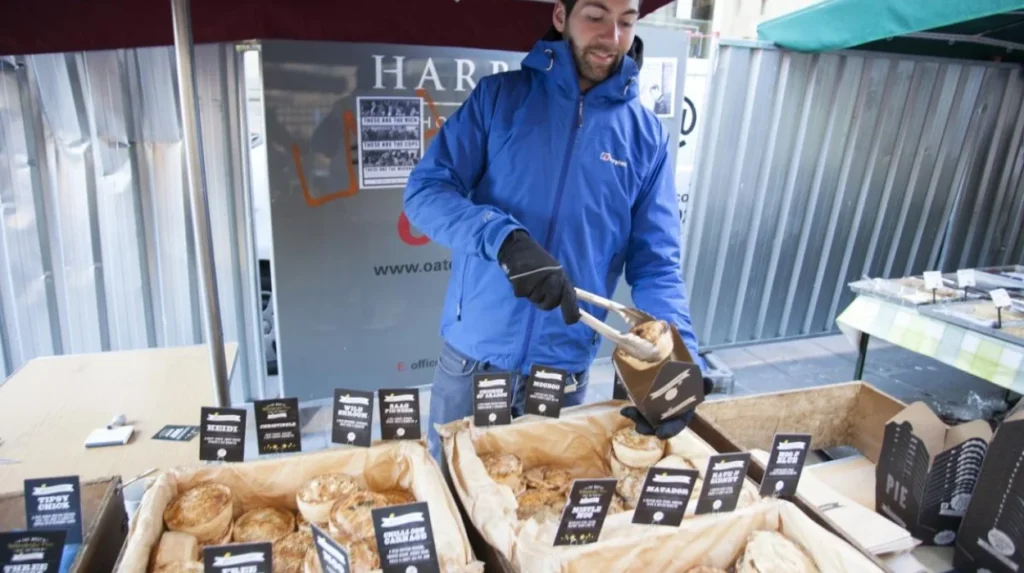
A cheap restaurant meal in Bristol costs about £15 on average in current price data, with a reported range of £13 to £25. Fast-food combination meals cost about £8, creating a lower-cost option for quick lunches, casual dinners and budget travel.
An inexpensive restaurant normally provides a complete individual meal without the extensive service associated with higher-priced dining. The category includes casual restaurants, cafés serving substantial meals and other lower-priced venues.
The £15 average is useful for calculating a basic daily food budget. A visitor who buys one inexpensive restaurant meal and otherwise eats from supermarkets, cafés or accommodation facilities can control daily spending more easily than someone eating three restaurant meals.
Fast food provides another price level. Numbeo’s June 2026 Bristol data puts a standard combination meal at £7.94. The reported range is £6 to £8.
This makes fast food roughly half the price of the average inexpensive restaurant meal.
The difference is important for families and groups. Four inexpensive restaurant meals at £15 each total approximately £60 before drinks and additional charges. Four fast-food combination meals at £7.94 total approximately £31.76.
The actual price depends on the restaurant, menu and portion. Delivery also introduces additional costs through delivery charges, service fees and menu pricing.
How much does a mid-range restaurant meal cost in Bristol?
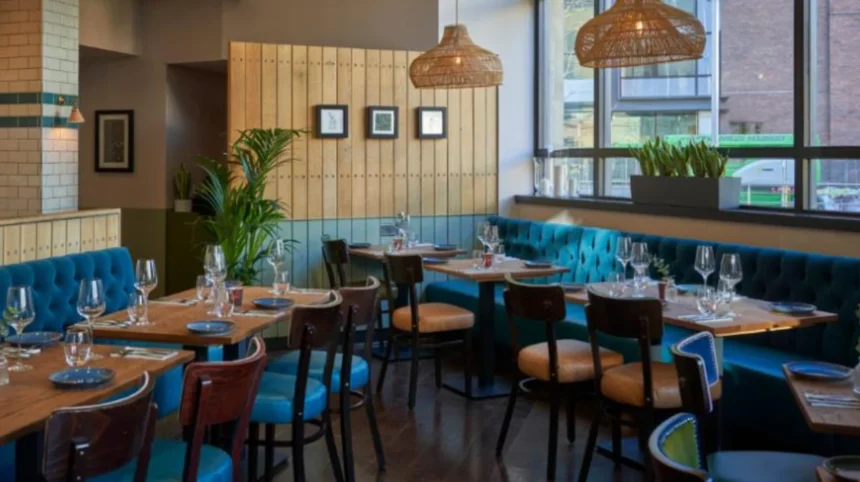
A three-course meal for two at a mid-range Bristol restaurant costs about £80 without drinks, according to June 2026 price data. The reported range is £60 to £120, showing substantial variation between restaurants and dining locations.
A mid-range restaurant provides a different spending profile from an inexpensive restaurant. The bill reflects multiple courses, table service, restaurant premises, kitchen staffing and broader menu choices.
The current £80 average for two people works out at approximately £40 per person before drinks. The lower reported price of £60 represents £30 per person, while £120 represents £60 per person.
Drinks increase the final bill. Numbeo’s Bristol data records a regular cappuccino at about £3.91, a 0.5-litre domestic draft beer at £6, an imported 0.33-litre bottled beer at £5, and a 0.33-litre soft drink at approximately £1.94.
For two diners, adding two £6 beers to an £80 meal produces a basic £92 bill before any service charge.
Alcohol is also subject to different tax treatment from many ordinary food products. HM Revenue & Customs states that catering and alcoholic drinks are standard-rated for VAT, while specific food products have different VAT rules depending on how they are supplied.
How much does a meal for two cost in Bristol?
A typical three-course mid-range meal for two costs around £80 before drinks in Bristol. A lower-priced meal for two can start around £60, while the upper reported range reaches £120, excluding additional spending such as alcohol or service charges.
The £80 figure provides a practical benchmark for couples and two-person travel budgets.
A simple calculation demonstrates the difference between meal categories. Two inexpensive restaurant meals at £15 each total about £30. Two fast-food combination meals at £7.94 each total about £15.88. A three-course mid-range meal for two averages £80.
The difference is driven by the structure of the meal rather than food quantity alone.
Mid-range dining normally involves longer service, more preparation and a larger restaurant operation. Menus often include starters, main courses and desserts. Drinks sit outside the £80 benchmark.
Service charges also require attention. Restaurants use different policies. Some include a discretionary service charge in the bill. Others leave tipping to the customer. The final amount therefore depends on the individual restaurant’s stated policy.
Visitors should check the menu and bill carefully before treating the advertised food price as the complete dining budget.
How much do drinks add to the cost of eating out in Bristol?
Drinks can add several pounds to an individual Bristol restaurant bill. Current price data records about £3.91 for a cappuccino, £6 for a domestic draft beer, £5 for an imported beer and £1.94 for a soft drink.
Drinks are one of the clearest ways to distinguish the menu price from the final restaurant bill.
A £15 meal followed by a £3.91 cappuccino produces a combined spend of approximately £18.91. Adding a £6 draft beer instead produces approximately £21.
A couple ordering two beers with an £80 mid-range meal would spend approximately £92 before service charges.
Water also carries a cost in some establishments. Bristol price data records bottled water at approximately £1.27 for 0.33 litres.
Coffee is another common post-meal expense. A cappuccino at approximately £3.91 represents more than one quarter of a £15 inexpensive meal.
The pattern matters for visitors planning a full day of eating and sightseeing. A breakfast coffee, lunch drink and evening alcoholic beverage each add separate costs.
Why has eating out become more expensive in Bristol?
Restaurant prices have increased as food, labour, energy, property and operating costs have changed. National ONS data shows the restaurant and café price index rising from 100 in 2015 to 147 in 2025, while restaurant prices increased 4% on average in 2025.
The long-term ONS index shows the scale of restaurant price changes across the UK. The CPI index for restaurants, cafés and dancing establishments reached 147.0 in 2025, compared with 100.0 in 2015.
The annual inflation rate for this category was 4.0% in 2025. The rate was considerably higher during 2022 and 2023, reaching 6.9% in 2022 and 8.9% in 2023.
These figures are national rather than Bristol-specific. They provide important context for local restaurant prices.
Food inflation also affects restaurant operating costs. ONS reported that UK food and non-alcoholic beverage prices increased 1.7% in the 12 months to June 2026.
Restaurant businesses also pay for staff, premises, utilities, equipment, insurance, cleaning, licensing, waste management and other operating requirements.
Bristol City Council’s economic strategy identifies hospitality and the night-time economy as important parts of the local economy. The council reports that hospitality, culture, warehousing, logistics, manufacturing and broadcasting together employed almost 117,000 people in Bristol in the cited 2022 data.
How does VAT affect the cost of eating out in Bristol?
Most restaurant meals and catering services in Bristol are subject to the UK standard VAT rate of 20%. Restaurants must charge VAT on food eaten on their premises, while hot takeaway food and home deliveries also generally fall under VAT rules.
Value Added Tax, or VAT, is a consumption tax applied to taxable goods and services in the United Kingdom.
The standard VAT rate is 20%. HM Revenue & Customs confirms that catering, alcoholic drinks, hot food and hot takeaways fall within standard-rated VAT rules, subject to specific conditions and exceptions.
This affects restaurant pricing because VAT forms part of the consumer price structure.
A temporary exception applied to eligible children’s meals from 25 June to 1 September 2026, when the VAT rate for qualifying children’s meals was reduced from 20% to 5%. The temporary measure ended on 1 September 2026.
For ordinary adult restaurant meals, the standard VAT framework remains the relevant reference point.
Cold takeaway food has different VAT rules from hot takeaway food. HMRC states that cold takeaway food is not generally standard-rated unless specific conditions apply, while hot takeaways and home deliveries are subject to VAT.
These distinctions explain why similar food products can have different tax treatment depending on where and how they are supplied.
Which parts of Bristol have different eating-out costs?
Eating-out prices differ across Bristol because restaurants operate at different scales and serve different customer markets. City-centre restaurants, specialist venues and premium dining businesses have different cost structures from neighbourhood cafés, pubs, takeaways and market traders.
Bristol does not have one uniform restaurant price level.
The city centre is a major visitor-economy hub. Bristol City Council describes the city centre as a primary regional visitor-economy hub with a broad retail, leisure and cultural offer.
High-footfall areas support restaurants serving visitors, workers, students and residents. Central venues also operate within commercial environments where property, staffing and operating costs influence pricing.
Neighbourhood dining provides a different market structure. Areas with strong residential populations contain cafés, pubs, independent restaurants and takeaway businesses serving repeat local customers.
Examples include Clifton, Redland, Bishopston, Southville, Bedminster, Easton, Stokes Croft and the city centre. These areas contain different combinations of restaurants, cafés, pubs and food businesses.
The price of a meal therefore reflects the individual venue rather than the postcode alone.
Bristol City Council requires food businesses operating in the city to register with the local authority. Registered food premises include restaurants, cafés, pubs, bars, shops, supermarkets, market stalls, hot-dog stalls and ice-cream vans.
This broad regulatory category demonstrates the diversity of Bristol’s food economy.
Is eating out in Bristol more expensive than cooking at home?
Eating at a restaurant normally costs more than preparing the same meal at home because the restaurant price covers ingredients plus staff, premises, utilities, equipment, tax, waste, service and business operating costs. Restaurant prices therefore represent a complete hospitality service.
Cooking at home primarily involves the cost of ingredients and household energy.
Eating out includes additional services. A restaurant provides food preparation, kitchen labour, dining space, cleaning, table service, equipment and commercial premises.
The comparison therefore needs to consider the entire service rather than the ingredients alone.
A £15 inexpensive restaurant meal is not directly equivalent to £15 of supermarket ingredients. Part of the £15 pays for the work and infrastructure required to prepare and serve the meal.
This distinction is particularly important for families and frequent diners.
Bristol City Council also operates food initiatives focused on affordability, health and sustainability. Its food programme includes Bristol Good Food 2030 and support for residents experiencing difficulty affording food.
The city also operates the Bristol Eating Better Award for qualifying food businesses. The programme focuses on healthier food, sustainability and support for the local economy.
How much should visitors budget for food in Bristol each day?
A practical Bristol restaurant budget starts around £15 for one inexpensive meal and rises to about £40 per person for an average three-course mid-range meal for two. Drinks, breakfast, snacks, service charges and additional meals increase the daily total.
A visitor eating one inexpensive restaurant meal can use £15 as a starting benchmark.
A visitor eating two inexpensive meals at £15 each would spend about £30 on those meals. Three comparable meals would total approximately £45.
A mid-range dinner for two averaging £80 represents £40 per person before drinks.
A couple choosing this option for dinner and inexpensive meals during the rest of the day would need a higher food budget.
Drinks create another variable. Two £6 beers add approximately £12 to a meal for two. Two £3.91 cappuccinos add approximately £7.82.
Visitors should also separate food spending from accommodation and transport. Restaurant expenditure is only one part of a Bristol trip budget.
The city’s large domestic and international visitor market makes food spending an important part of the local visitor economy. Bristol’s 2022 visitor data recorded millions of domestic day trips alongside staying visitors and international visitors.
Explore More Area Guide
Average House Prices in Bristol | 2026 Property Guide
Average Rent in Bristol: 2026 Rental Prices and Costs
How can residents reduce the cost of eating out in Bristol?
Residents can reduce restaurant spending by choosing inexpensive venues, limiting paid drinks, comparing menus before dining, using lunch offers and separating restaurant meals from everyday food spending. A planned dining budget prevents frequent small purchases from becoming a large monthly expense.
The simplest approach is to establish a fixed monthly restaurant budget.
A £15 meal once a week produces approximately £60 over four weeks, excluding drinks. A £40 individual mid-range meal once a week produces approximately £160 over four weeks.
Drinks create another recurring expense. A £6 drink added to four restaurant visits produces another £24 over four weeks.
Lunch can also provide a lower-cost alternative to a full evening meal because menus often contain smaller portions or fixed-price options.
Residents should compare the complete price rather than focusing only on the headline dish. A £12 main course followed by a £4 drink and £2.50 service-related charge has a different final cost from the advertised meal price.
Food markets and casual food businesses provide further options. Bristol’s official food-business registration system covers market stalls and mobile food businesses as well as conventional restaurants.
The city’s food economy also includes support for local producers and food entrepreneurs. Bristol City Council’s business support information states that Produce West launched a kitchen-brokerage service in February 2026 to support food and drink producers and connect businesses with suitable kitchen space.
This infrastructure supports continued diversity within Bristol’s food market.
What is the future of eating-out costs in Bristol?
Bristol’s eating-out market will remain closely linked to food prices, wages, commercial costs, visitor demand, hospitality investment and national inflation. The city’s economic strategy also identifies food, drink and hospitality as sectors requiring continued support and regional cooperation.
Restaurant prices do not move independently of the wider economy.
The ONS restaurant and café index increased from 100 in 2015 to 147 in 2025, demonstrating substantial long-term price growth.
Food inflation also remains an important cost factor. ONS recorded 1.7% annual food and non-alcoholic beverage inflation in June 2026.
Bristol’s Economic Strategy 2025–2035 identifies food and drink production, local supply chains and hospitality as areas for economic development. The strategy calls for stronger regional support for the food, drink and hospitality sector.
The city also has an established visitor economy. Bristol’s visitor economy reached nearly £1.2 billion in 2019, while 2022 recorded approximately 10.8 million domestic day trips.
These factors create continued demand for restaurants and food businesses.
For consumers, the most reliable measure is the actual menu price at the time of dining. The current Bristol benchmark provides a useful starting point: approximately £15 for an inexpensive restaurant meal, £7.94 for a fast-food combination meal and £80 for a three-course mid-range meal for two without drinks.
These figures give residents and visitors a practical framework for planning restaurant spending while recognising that individual venues operate at different price levels.
How much does a meal cost in Bristol?
An inexpensive restaurant meal in Bristol costs about £15 per person. Fast-food combination meals average around £7.94, while a three-course mid-range meal for two averages about £80, excluding drinks.