Dog owners in Bristol have access to professional grooming services that help maintain canine hygiene, coat condition, nail length and general comfort. Choosing the right dog groomer involves understanding coat requirements, available treatments, pricing factors, animal welfare standards and the difference between routine grooming and veterinary care.
- What services do dog groomers in Bristol provide?
- How can dog owners find reliable dog groomers in Bristol?
- Which dog grooming options are available across Bristol?
- How much do dog groomers in Bristol charge?
- How often should dogs visit a groomer in Bristol?
- Grooming schedules for different coat types
- How should Bristol owners maintain coats between appointments?
- What should owners know about puppy grooming in Bristol?
- How do dog groomers protect animal welfare and safety?
- What should owners do when a dog has matted fur?
- What should owners expect during a professional dog grooming appointment?
- What happens before the groom begins?
- What happens during grooming?
- What should owners check at collection?
- How can owners choose a groomer for nervous, elderly or special-needs dogs?
- Grooming for anxious dogs
- Grooming for senior dogs
- Grooming for assistance dogs and dogs with disabilities
- How can Bristol dog owners prepare for a grooming appointment?
- Why is professional dog grooming important for Bristol’s dog-owning community?
This guide explains how dog grooming works in Bristol, what services include, how to choose a qualified provider and how local dog owners can establish a suitable grooming routine.
What services do dog groomers in Bristol provide?
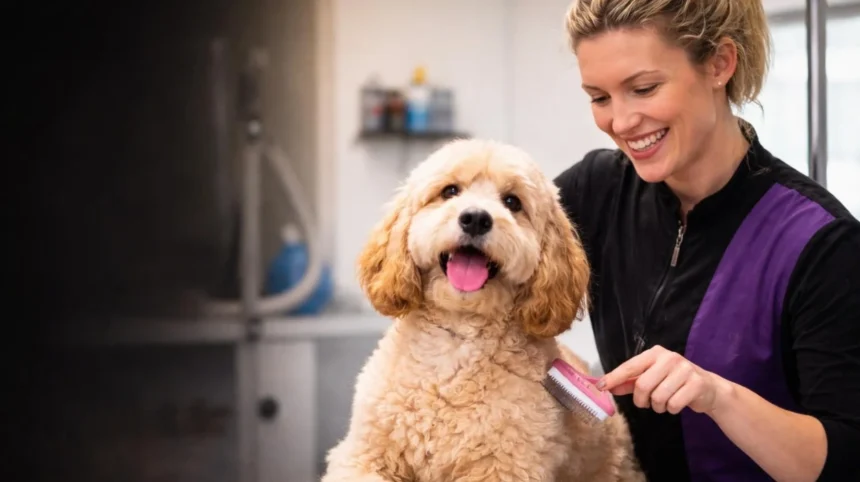
Dog groomers in Bristol provide coat washing, drying, brushing, trimming, clipping and nail care. Some salons also offer hand-stripping, puppy introductions and specialist coat treatments. The exact service depends on the dog’s breed, coat condition, temperament and individual grooming requirements.
Professional dog grooming is a routine care service designed to keep a dog’s coat clean, manageable and comfortable. Groomers work with different coat types, from the short, smooth coat of a Labrador Retriever to the dense, curly coat of a Poodle.
The most common service is a full groom. This typically combines bathing, drying, brushing, clipping or scissoring, and a finishing check. Owners should confirm exactly what the package includes before booking because salon services differ.
Full dog grooming
A full groom is suitable for dogs that need regular coat maintenance. The groomer assesses the coat, removes loose hair, washes the dog with an appropriate shampoo, dries the coat and shapes it to the owner’s requested style.
Dogs with curly or continuously growing coats, including Poodles and many Cockapoos, often need regular professional trimming. The required interval depends on coat growth, brushing at home and the length of the chosen style.
Bathing and drying
A bath-and-brush appointment focuses on removing dirt, loose hair and surface debris. The groomer uses products formulated for dogs and dries the coat using equipment appropriate for the animal.
Owners should ask how the groomer manages heat, noise and anxiety during drying. The RSPCA warns about enclosed drying boxes because dogs cannot move away from the heat source when they become uncomfortable.
Nail trimming and coat maintenance
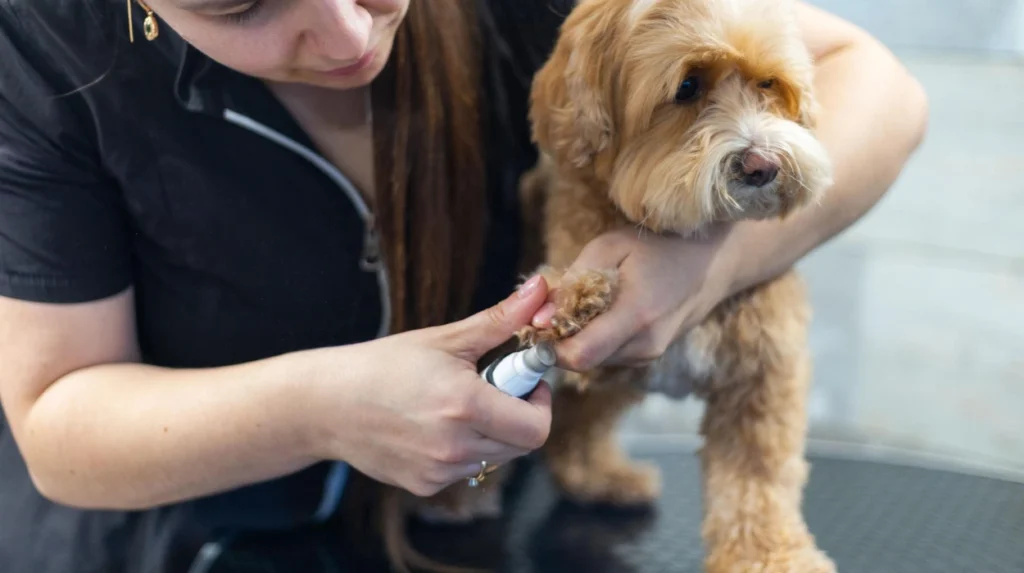
Nail trimming helps prevent excessive nail growth, which affects comfort and walking. Groomers also brush out loose hair and inspect the coat for tangles.
A groomer is not a substitute for a veterinarian. Painful skin conditions, suspected infections, unusual lumps and painful ears require veterinary assessment rather than cosmetic treatment.
How can dog owners find reliable dog groomers in Bristol?
Dog owners can find reliable Bristol dog groomers through local recommendations, professional directories, verified customer reviews and referrals from veterinary practices. Comparing experience, handling methods, hygiene, insurance and transparent prices helps owners select a service that meets their dog’s needs.
Bristol has residential neighbourhoods, busy commercial areas and surrounding communities with different travel requirements. The most suitable groomer is not necessarily the nearest salon. Owners should prioritise safe handling, appropriate experience and convenient appointment arrangements.
Start by searching for dog grooming in the relevant part of Bristol. Useful search terms include dog groomers in Clifton, dog grooming in Bedminster, mobile dog groomers in Bristol and puppy grooming in South Bristol. Confirm that the business actually serves the chosen neighbourhood.
The RSPCA recommends meeting a groomer before leaving a dog in their care. Owners should inspect the facilities, ask about vaccination requirements and establish whether the groomer can meet the animal’s physical and behavioural needs.
What should owners check before booking?
A reliable grooming business should explain its services, pricing structure, appointment length and procedures for handling nervous dogs. It should also ask relevant questions about the dog’s health, coat condition and previous grooming experiences.
Check these details before making a decision:
- Experience: Ask whether the groomer regularly works with the dog’s breed and coat type.
- Training: Request information about relevant grooming qualifications and practical experience.
- Hygiene: Look for clean equipment, secure doors and an organised grooming area.
- Safety: Ask how the business manages dogs during bathing, drying and clipping.
- Insurance: Confirm that appropriate business and public liability cover is in place, and ask about cover for animals in the groomer’s care.
- Communication: Check whether the groomer explains potential difficulties before starting work.
Customer reviews help identify recurring experiences, but individual ratings do not establish professional competence. Read recent reviews for specific information about handling, cleanliness, communication and the condition of dogs after appointments.
Which dog grooming options are available across Bristol?
Dog owners in Bristol can choose between salon grooming, mobile grooming and selected home-based grooming services. Each arrangement has different benefits for convenience, equipment and handling. The best option depends on the dog’s behaviour, mobility, coat requirements and travel tolerance.
The grooming environment influences the appointment experience. Some dogs settle more comfortably in a familiar setting, while others benefit from a purpose-equipped salon with professional bathing facilities.
Salon-based dog grooming
A grooming salon provides a dedicated workspace with bathing equipment, grooming tables, clippers and drying tools. A fixed location also makes repeat appointments easier to schedule.
Salons suit owners who can transport their dogs safely and have time to drop off and collect them. Before booking, ask whether dogs from different households share the grooming area and how staff prevent escapes or unwanted contact.
Mobile dog grooming
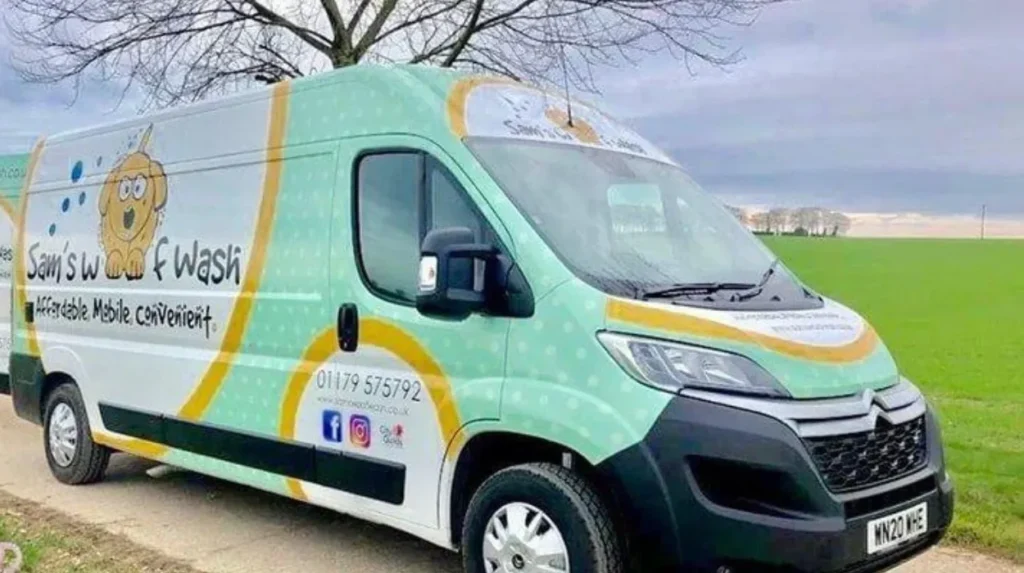
Mobile groomers travel to the owner’s address in a specially equipped vehicle or grooming unit. This arrangement reduces travel to a salon and can be useful for older dogs, owners with limited transport and dogs that become distressed during car journeys.
Some mobile services offer one-to-one appointments, although the arrangement differs between providers. Ask whether the groomer works exclusively with one dog at a time, what equipment is available and whether the vehicle has appropriate ventilation and temperature control.
Mobile grooming also depends on practical access. Confirm parking arrangements, available space and any additional travel charges before the appointment.
Home-based grooming services
Some groomers work from a dedicated grooming space at home or provide services in a client’s home. Owners should verify the exact setup rather than assuming that every home-based service provides the same equipment or safeguards.
Ask how the groomer secures the dog, cleans equipment and handles bathing and drying. A familiar environment does not automatically guarantee a safer appointment; professional handling and welfare practices remain essential.
How much do dog groomers in Bristol charge?
Dog grooming prices in Bristol depend on dog size, coat type, condition, service level and appointment format. A basic wash generally costs less than a full groom. Owners should request an individual quotation because complex coats and severe matting require additional work.
There is no single standard price for every dog grooming appointment in Bristol. A small, short-haired dog with a clean coat requires different work from a large, long-haired dog with dense tangles.
An online Bristol directory reports a broad indicative range of £25–£80 per grooming session. This is a directory estimate, not a verified price list for every local business, and individual quotations differ.
Which factors affect grooming costs?
The main pricing factors include:
- Dog size: Larger dogs generally require more shampoo, drying time and handling.
- Coat type: Dense double coats and curly coats often require more brushing and specialist techniques.
- Coat condition: Severe tangles and matting increase the time and complexity of the appointment.
- Service type: A nail trim or basic bath differs from a complete groom.
- Behaviour: Dogs that need additional settling time or specialised handling require individual assessment.
- Location and travel: Mobile appointments can include travel-related costs.
Puppy grooming introductions also follow a different pattern from a full adult groom. Early visits often focus on familiarisation with handling, brushing and grooming equipment rather than achieving a complete haircut.
How can owners compare quotations?
Ask each groomer for the price of the same service, using accurate details about the dog. Provide its breed or crossbreed, approximate weight, coat length, recent grooming history and any matting.
Confirm whether the quotation includes bathing, drying, clipping, nail trimming and any additional charges. Ask whether the groomer will contact you if the coat condition requires a change to the planned service.
A clear quotation helps prevent misunderstandings and allows owners to compare like-for-like services instead of choosing on price alone.
How often should dogs visit a groomer in Bristol?
Grooming frequency depends on coat growth, shedding, matting risk, skin health and daily activities. Curly and long-haired dogs generally need more frequent maintenance than short-haired dogs. Owners should combine professional appointments with regular home brushing and routine coat checks.
A grooming schedule should reflect the dog’s individual needs rather than follow a universal calendar. Dogs that spend time in parks, wooded areas or muddy outdoor spaces often need additional brushing and checks for debris.
Grooming schedules for different coat types
Curly and continuously growing coats: Poodles and many Cockapoos need regular brushing and professional trimming to prevent tangles from developing into tight mats. The interval depends on coat length and the owner’s home-care routine.
Long, silky coats: Yorkshire Terriers and similar long-coated dogs need frequent brushing to prevent knots around the ears, legs, belly and tail.
Double coats: Golden Retrievers and Border Collies have coats that require regular brushing to remove loose hair and manage the undercoat. Groomers should use techniques appropriate to the coat rather than automatically shaving it.
Short coats: Beagles and short-haired Staffordshire Bull Terriers generally need less trimming, but brushing, bathing when necessary and nail checks remain important.
These examples are starting points, not fixed schedules for every individual dog. The RSPCA explains that grooming needs depend on coat type and that regular grooming helps remove tangles, loose hair and debris.
How should Bristol owners maintain coats between appointments?
Brush the coat with a tool suited to its length and texture. Work gently and check areas where friction causes knots, such as behind the ears, beneath the collar, around the armpits and between the hind legs.
After walks, check for grass seeds, twigs, mud and other debris. Bristol’s parks, gardens and walking routes provide opportunities for outdoor exercise, but vegetation can become trapped in a dog’s coat or between its toes.
Stop brushing if the dog shows pain or significant distress. Never cut a tight mat close to the skin with household scissors because the skin can be pulled into the mat and injured.
What should owners know about puppy grooming in Bristol?
Puppy grooming introduces young dogs to brushing, bathing, handling and grooming equipment in gradual steps. A suitable groomer uses calm handling, short sessions and positive reinforcement. Owners should confirm vaccination guidance and discuss their puppy’s age with their veterinary practice.
Early grooming experiences help puppies become familiar with routine care. The goal is to build tolerance for gentle handling before a puppy needs a longer or more complex grooming appointment.
A first visit does not always require a full haircut. Depending on age, coat and confidence, it can focus on standing on a grooming surface, hearing equipment at a safe distance, brushing and brief handling of the paws.
How should a first appointment be prepared?
Tell the groomer the puppy’s age, vaccination status, temperament and previous experiences. Explain whether the puppy has encountered brushing, bathing, nail handling or a professional grooming environment.
Bring the puppy on a secure lead or in a suitable carrier. Allow enough time for the groomer to discuss the plan and ask about any signs of fear or sensitivity.
Follow veterinary advice about when the puppy can safely attend communal grooming settings. Vaccination requirements and infection-control arrangements vary between businesses, so confirm them before booking.
Why does gentle handling matter?
Puppies learn through repeated experiences. Reward-based handling, gradual exposure and suitable breaks help build confidence. Forcing a frightened puppy through a lengthy session can make later appointments more difficult.
The RSPCA recommends introducing dogs to grooming equipment and products gradually and using rewards where appropriate. It also advises owners not to force grooming when a dog is distressed.
Owners should tell the groomer if the puppy has previously snapped, struggled or become frightened during handling. Honest information helps the professional plan an appropriate session.
How do dog groomers protect animal welfare and safety?
Responsible dog groomers protect animal welfare through careful handling, clean equipment, appropriate products and continuous attention to each dog’s condition. Owners should ask how staff manage stress, prevent escapes, monitor drying temperatures and respond to injuries, illness or unexpected behavioural changes.
Grooming involves handling sensitive parts of a dog’s body, including its paws, ears, face and tail. Poor technique, unsuitable equipment or rushed handling can cause pain, skin irritation and distress.
The Animal Welfare Act 2006 applies in England and Wales. It establishes welfare responsibilities for animals, including dogs, and is relevant to people caring for animals during grooming appointments. The Canine and Feline Sector Group’s 2025 grooming guidance explains the welfare responsibilities of professional groomers.
What safety standards should a grooming salon follow?
A suitable grooming environment should have secure entry points, clean work surfaces, maintained equipment and safe bathing and drying arrangements. Staff should know how to handle dogs without unnecessary force and recognise when an animal needs a break.
Owners should ask how the business manages the following situations:
- A dog becomes frightened or repeatedly tries to escape.
- A dog develops signs of overheating or breathing difficulty.
- A groomer discovers a skin lesion, lump or painful area.
- A dog has severe matting that prevents comfortable brushing.
- A dog becomes unwell during an appointment.
A responsible groomer explains the available options and contacts the owner when the planned service needs to change. If the dog shows signs of illness or significant pain, veterinary assessment takes priority over completing the groom.
Are dog groomers in Bristol legally licensed?
Dog grooming itself is not generally subject to a dedicated local-authority licensing requirement in England. However, groomers must comply with applicable animal welfare, health and safety, employment and business requirements. Additional activities, such as commercial dog boarding, can trigger separate licensing rules.
Owners should distinguish between a legal licence, a professional qualification and voluntary membership of an industry organisation. These are not interchangeable. Ask about relevant training, practical experience, insurance and written safety procedures instead of assuming that a single certificate guarantees quality.
What should owners do when a dog has matted fur?
Matted fur forms when loose hair and tangles become tightly knotted. Mild tangles sometimes respond to careful brushing, but tight mats can pull the skin, cause pain and conceal irritation. Severe matting requires assessment by an experienced groomer or veterinarian.
Matting is a common reason for seeking professional dog grooming. It affects long-haired breeds, curly-coated dogs and animals whose brushing routine does not adequately remove loose hair.
Moisture, friction and trapped debris contribute to knot formation. Mats often develop behind the ears, beneath collars, under the legs and around the tail.
Can groomers remove severe matting safely?
The approach depends on the mat’s location, tightness and effect on the skin. Loose tangles can sometimes be separated gently, but tight mats often require clipping with appropriate equipment.
Trying to brush out painful mats can damage the skin and increase distress. Cutting them out with scissors is also dangerous because the skin can sit close to or inside the tangled hair.
A groomer should explain whether the coat can be maintained at its current length or needs a shorter cut. If the skin appears inflamed, infected or injured, the dog needs veterinary assessment.
How can owners prevent matting between visits?
Regular brushing is the most effective preventive measure for coats prone to tangling. Use a suitable brush and comb, work in small sections and check friction-prone areas carefully.
Ask the groomer to demonstrate the correct brushing technique for the dog’s coat. Owners should also agree on a manageable haircut length that fits the time available for home maintenance.
The RSPCA identifies mat prevention, removal of loose hair and checking for skin abnormalities as important parts of routine grooming.
What should owners expect during a professional dog grooming appointment?
A professional grooming appointment normally begins with a discussion about the dog’s coat, health, behaviour and requested style. The groomer then assesses the coat, completes the agreed services and checks the result before explaining any maintenance needs or concerns.
The exact process varies by business and service package. A full groom often takes longer than a bath and brush because clipping, scissoring and detailed coat work require additional time.
What happens before the groom begins?
The groomer should confirm the requested style, discuss coat condition and ask about relevant health or handling issues. Owners should mention allergies, skin sensitivities, previous grooming injuries and any discomfort when specific areas are touched.
Photographs can help communicate the desired haircut. However, the groomer must consider the dog’s coat condition and welfare before agreeing to a particular style.
What happens during grooming?
A typical full-groom process includes brushing, bathing, drying, clipping or trimming and a final coat check. Nail care and other finishing services depend on the package agreed at booking.
The groomer should use equipment suitable for the dog’s size, coat and temperament. Drying methods should allow appropriate monitoring of the animal’s comfort and temperature.
What should owners check at collection?
Inspect the coat and ask whether the groomer noticed any abnormalities. Check that the agreed service has been completed and request advice about brushing, future appointments and any changes needed to the grooming routine.
If the dog has an unusual reaction after the appointment, such as persistent scratching, swelling, limping or obvious pain, contact a veterinarian. Inform the grooming business about any concerns related to the service.
How can owners choose a groomer for nervous, elderly or special-needs dogs?
Nervous, elderly and special-needs dogs require grooming arrangements that account for mobility, stress, pain and individual handling needs. Owners should explain these requirements before booking and select a groomer who offers suitable appointments, patient handling and clear communication.
A dog that tolerates routine grooming comfortably might struggle when its health or behaviour changes. Arthritis, impaired vision, hearing loss and previous frightening experiences can make standing, restraint or noisy equipment difficult.
Grooming for anxious dogs
Ask whether the groomer offers introductory visits, shorter sessions or quieter appointment times. One-to-one grooming can reduce some distractions, although the right arrangement depends on the individual dog.
Provide details about triggers, such as clippers near the face, water around the head or handling of the feet. Do not conceal a history of biting or severe distress.
For persistent grooming anxiety, seek advice from a veterinarian. The vet can assess possible pain or illness and recommend suitable behavioural support.
Grooming for senior dogs
Older dogs often need more consideration when standing on grooming tables or entering bathing areas. Ask about non-slip surfaces, safe lifting procedures, breaks and the availability of lower-stress grooming arrangements.
A shorter, practical haircut can simplify maintenance when an older dog struggles with prolonged brushing. Any style should be agreed with the groomer after assessing the coat and the dog’s comfort.
Grooming for assistance dogs and dogs with disabilities
Owners should explain the dog’s role, access needs and any sensory or mobility limitations. Ask whether the groomer can provide a calm appointment and follow specific handling instructions.
For dogs with significant medical or behavioural needs, a veterinary grooming service can be appropriate. The key requirement is a grooming plan that protects welfare while addressing the animal’s practical care needs.
Explore More Area Guide
Best Vets in Bristol | Top Veterinary Practices
Dog-Friendly Day Trips From Bristol: Best Places to Visit
How can Bristol dog owners prepare for a grooming appointment?
Bristol dog owners can prepare by brushing their dog’s coat where comfortable, checking for visible skin problems, confirming the appointment details and sharing relevant health or behavioural information. Clear instructions help the groomer select suitable services and reduce avoidable stress during the visit.
Preparation improves communication and helps the groomer estimate the time required. Owners should avoid attempting complicated clipping or removing tight mats immediately before an appointment.
What information should owners provide?
Explain the dog’s breed or crossbreed, age, coat type and recent grooming history. Mention any medication, allergies, skin sensitivities, mobility difficulties or previous negative experiences.
Confirm the following details before travelling:
- The appointment time and expected collection time.
- The services included in the quoted price.
- Any vaccination or health requirements.
- Parking arrangements or access instructions for mobile grooming.
- The cancellation policy and payment methods.
Owners should also explain whether they prefer a particular haircut length. If the requested style is unsuitable for the dog’s coat condition, discuss a practical alternative before grooming begins.
How should owners maintain the results?
Follow the groomer’s advice on brushing frequency, bathing and the next appointment. Use products specifically formulated for dogs, and avoid introducing new shampoos if the dog has known skin sensitivities without appropriate advice.
Regular home care reduces the build-up of loose hair and tangles between professional visits. It also provides opportunities to identify changes in the skin, paws, ears and coat.
Why is professional dog grooming important for Bristol’s dog-owning community?
Professional dog grooming supports routine coat care, hygiene and comfort for Bristol’s dogs. It complements home brushing and veterinary care rather than replacing either. Choosing suitable grooming services helps owners maintain healthy coats, manage shedding and identify visible problems requiring further attention.
Bristol’s dog-owning community includes people living in city-centre flats, suburban homes and properties near parks and walking routes. Their dogs have different exercise routines, coat types and maintenance requirements.
Professional grooming helps owners manage these differences. A short-haired dog that needs occasional bathing has different requirements from a curly-coated dog that needs frequent brushing and regular clipping.
The future of dog grooming depends on practical welfare standards, transparent service information and better communication between owners and professionals. Owners benefit when groomers explain the reasons behind their recommendations rather than simply offering a standard package.
Routine grooming also provides opportunities to notice visible changes. However, groomers do not diagnose medical conditions, and owners should consult a veterinary professional when a dog shows signs of pain, persistent itching, skin inflammation or other health concerns.
For Bristol dog owners, the most effective approach combines regular home maintenance, an appropriate professional grooming schedule and prompt veterinary care when needed.
How much do dog groomers in Bristol charge?
Dog grooming prices in Bristol depend on the dog’s size, coat type and required services. A basic wash usually costs less than a full groom. Request a personalised quote before booking.