Electronic music in Bristol is an important part of the city’s cultural identity, connecting Caribbean sound system traditions, underground club culture, experimental production and internationally recognised music movements. Bristol has developed a distinctive electronic music scene through genres such as trip-hop, drum and bass, jungle, dubstep, house and techno. Its musical identity reflects decades of cultural exchange, independent creativity and collaboration between DJs, producers, record labels and live music venues.
- What Is Electronic Music in Bristol?
- How Did Bristol’s Electronic Music Scene Develop?
- The influence of Caribbean sound systems
- The emergence of the Wild Bunch
- The arrival of electronic production techniques
- Why Is Bristol Famous for Trip-Hop Music?
- Massive Attack and the Bristol Sound
- Portishead and experimental production
- Tricky and alternative electronic music
- Which Electronic Music Genres Are Popular in Bristol?
- Which Bristol Artists Have Influenced Electronic Music?
- Which Music Venues Support Electronic Music in Bristol?
- Where Can Visitors Experience Bristol’s Electronic Music Culture?
- Which Electronic Music Festivals and Events Take Place in Bristol?
- Which Independent Record Labels Have Shaped Bristol’s Electronic Music?
- How Is Electronic Music Produced in Bristol?
- What Impact Has Electronic Music Had on Bristol’s Cultural Identity?
- International musical recognition
- Cultural exchange and community identity
- Support for independent creative industries
- What Challenges Does Bristol’s Electronic Music Scene Face?
- Venue closures and financial pressures
- Opportunities for emerging musicians
- Protecting Bristol’s musical heritage
- What Is the Future of Electronic Music in Bristol?
- Growth of digital music production
- International collaborations
- Continued development of underground music
- Why Should Music Fans Explore Electronic Music in Bristol?
Located in South West England, Bristol has a long-established reputation as one of the UK’s influential music cities. Its electronic music heritage developed through the interaction of Caribbean communities, reggae sound systems, hip-hop, punk, soul and emerging electronic production technologies. The city became internationally recognised during the 1990s through artists including Massive Attack, Portishead, Tricky and Roni Size.
Today, Bristol’s electronic music culture extends beyond its historic trip-hop reputation. Independent record labels, specialist club nights, electronic music festivals, underground promoters and established venues support different generations of musicians and audiences. The city’s creative neighbourhoods continue to provide spaces for discovering new sounds and experiencing electronic music.
What Is Electronic Music in Bristol?
Electronic music in Bristol refers to music created, performed or produced using electronic instruments, digital software, synthesizers, samplers and DJ equipment. The city’s scene includes trip-hop, drum and bass, jungle, dubstep, house and techno, shaped by distinctive local cultural influences.
Electronic music uses electronic instruments and digital technologies to generate, modify and arrange sound. Producers use equipment such as synthesizers, drum machines, samplers, sequencers, computers and digital audio workstations to create musical compositions. DJs use turntables, controllers and mixing equipment to perform recorded music in clubs and at festivals.
Bristol has developed a distinctive approach to electronic music because its scene combines different musical traditions. Caribbean dub and reggae influenced the city’s early sound system culture. Hip-hop introduced sampling, breakbeats and DJ techniques, while punk and post-punk contributed experimental approaches and independent creative attitudes.
The result is a broad musical identity rather than one fixed genre. Bristol’s electronic music includes atmospheric trip-hop, fast breakbeat-driven drum and bass, bass-heavy dubstep, underground house and experimental electronic compositions.
The expression Bristol Sound traditionally describes the city’s distinctive musical developments during the late 1980s and 1990s. Although the term is strongly associated with trip-hop, Bristol’s electronic music culture has continued to develop through newer producers, independent labels and underground dance communities.
How Did Bristol’s Electronic Music Scene Develop?
Bristol’s electronic music scene developed through Caribbean sound system culture, underground club nights and musical experimentation during the 1970s and 1980s. These influences helped establish the Wild Bunch collective, which connected reggae, hip-hop, soul and electronic production.
The development of electronic music in Bristol cannot be separated from the city’s multicultural history. Caribbean migration after the Second World War helped establish reggae, ska and sound system culture across Bristol’s communities.
Sound systems are mobile music systems operated by DJs and selectors. They traditionally feature powerful speakers, amplifiers, mixing equipment and carefully selected records. These systems created opportunities for people to experience music outside conventional concert venues.
The influence of Caribbean sound systems
During the 1960s and 1970s, reggae and dub became important parts of Bristol’s musical culture. Neighbourhoods such as St Pauls and Easton developed strong connections with Caribbean music and community events.
Dub producers used recording studios and mixing desks to transform reggae recordings through bass-heavy arrangements, echo, reverb and instrumental effects. These production techniques later influenced Bristol’s electronic musicians.
The sound system tradition also established the importance of DJs, record collectors and independent music communities. It encouraged experimentation with different musical styles rather than strict separation between genres.
The emergence of the Wild Bunch
The Wild Bunch was a Bristol-based DJ and music collective that became central to the city’s developing underground scene during the 1980s.
Its members included Nellee Hooper, Miles Johnson, Grant Marshall and Robert Del Naja. Their musical selections combined reggae, hip-hop, funk, soul and other influences.
The collective became associated with underground parties and club culture, particularly through its connection with the Dug Out nightclub. These events helped bring together different audiences and musical communities.
The Wild Bunch influenced the development of Massive Attack and the wider Bristol Sound. Its approach established an important connection between sound system traditions, DJ culture and electronic music production. The British Council’s historical account identifies the collective as a central influence on Bristol’s trip-hop movement.
The arrival of electronic production techniques
As music technology developed during the 1980s, Bristol musicians increasingly incorporated drum machines, synthesizers, samplers and studio recording techniques into their work.
Sampling allowed producers to take sections of existing recordings and incorporate them into new compositions. This technique became particularly important in hip-hop and trip-hop.
The combination of electronic production and live instrumentation helped create a distinctive sound. Producers could combine programmed beats with vocals, guitars, keyboards, orchestral elements and recorded environmental sounds.
Why Is Bristol Famous for Trip-Hop Music?
Bristol is famous for trip-hop because local musicians combined hip-hop rhythms, reggae basslines, dub production, soul vocals and atmospheric electronic arrangements. Massive Attack, Portishead and Tricky helped establish this internationally recognised musical movement during the 1990s.
Trip-hop is an electronic music genre characterised by slower hip-hop-inspired rhythms, atmospheric production, sampled recordings and strong basslines. It emerged from the underground music culture of Bristol during the late 1980s and early 1990s.
The genre became internationally recognised through several Bristol artists whose recordings introduced the city’s musical identity to a global audience.
Massive Attack and the Bristol Sound
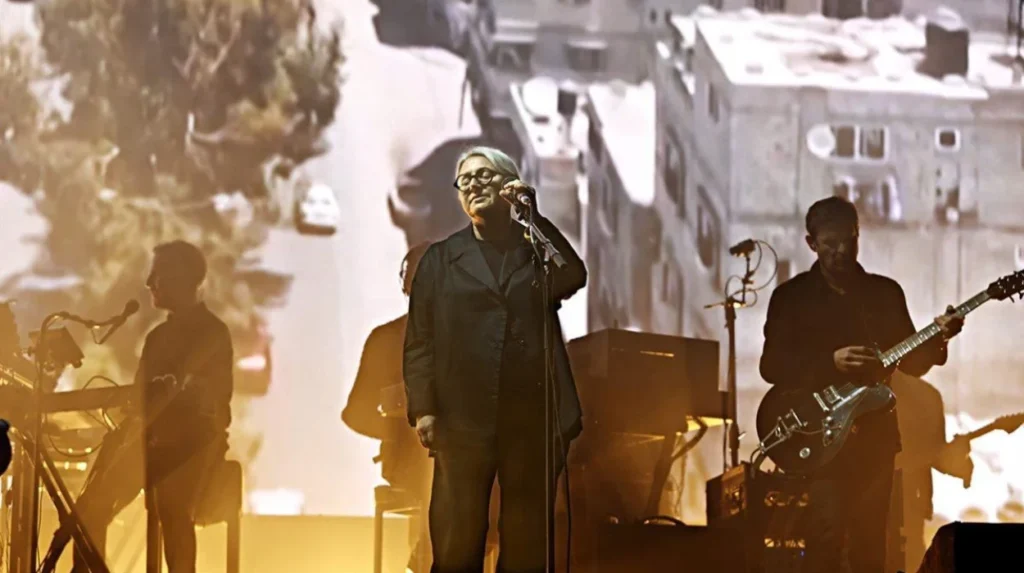
Massive Attack formed in Bristol in 1988. Their debut album, Blue Lines, was released in 1991 and became a defining recording of the Bristol Sound.
The album combined hip-hop production, reggae influences, soulful vocals and electronic arrangements. Its music demonstrated how sampling and studio experimentation could create a distinctive style.
Tracks such as Unfinished Sympathy helped introduce Bristol’s musical identity to international audiences. The group’s later album Mezzanine, released in 1998, expanded its sound through darker electronic textures and alternative influences.
Portishead and experimental production
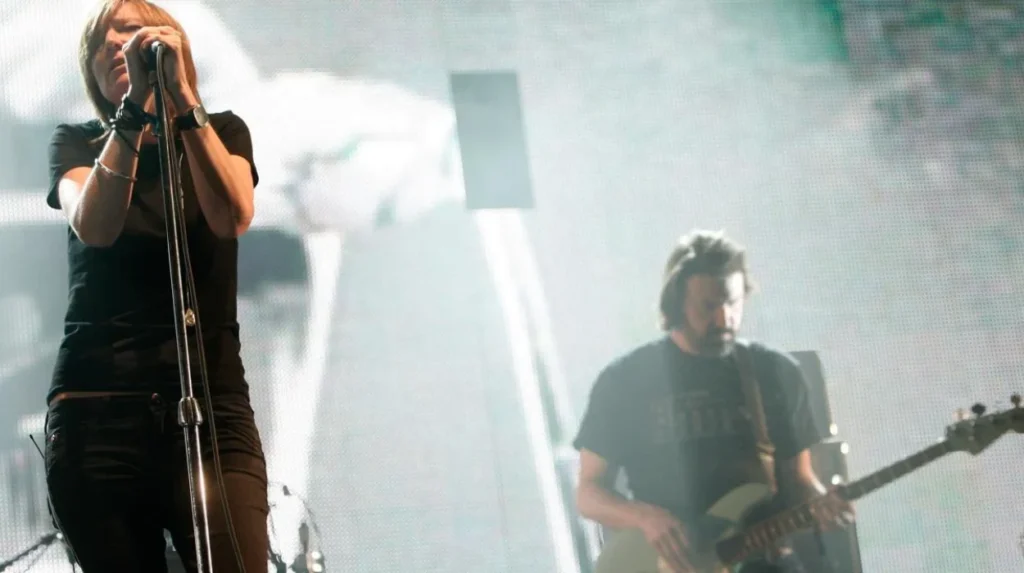
Portishead became internationally recognised through their debut album, Dummy, released in 1994. The group combined electronic sampling, cinematic arrangements and distinctive vocals.
Portishead helped expand the creative possibilities of trip-hop. Their music incorporated vintage recordings, atmospheric sound effects, turntable techniques and live instrumentation.
The album Dummy received the 1995 Mercury Music Prize. Its success established Portishead as one of the most influential groups associated with Bristol’s electronic music history.
Tricky and alternative electronic music
Tricky developed an experimental approach to electronic music through layered vocals, unconventional rhythms, hip-hop production and darker musical arrangements.
His 1995 debut album, Maxinquaye, became an important recording in the development of alternative trip-hop.
Tricky’s work demonstrated that Bristol’s electronic music scene extended beyond conventional dance music. It also supported experimental songwriting, unusual production techniques and collaborations between different musical traditions.
The Victoria and Albert Museum identifies Massive Attack, Portishead, Tricky and other Bristol-associated musicians within its historical account of trip-hop.
Which Electronic Music Genres Are Popular in Bristol?
Bristol supports several electronic music genres, including drum and bass, jungle, dubstep, trip-hop, house and techno. Each genre has developed through different musical traditions, independent producers, specialist record labels, underground club nights and dedicated audiences.
Bristol’s electronic music scene is not limited to one production style. Different genres attract different audiences and influence the programming of local clubs, festivals and independent music events.
Drum and bass
Drum and bass is an electronic dance music genre built around fast breakbeats, powerful basslines and complex rhythmic arrangements.
Bristol became an important centre for drum and bass during the 1990s. The city’s producers developed distinctive approaches to rhythm, bass and electronic sound design.
Roni Size
Roni Size is one of Bristol’s best-known drum and bass producers. His group Reprazent released New Forms in 1997, winning the Mercury Prize that year.
The album combined drum and bass production with jazz, soul and live instrumentation. Its success helped bring Bristol’s electronic music culture to a wider international audience.
Jungle
Jungle developed from early breakbeat hardcore and rave culture in the early 1990s. It features fast breakbeats, heavy basslines, chopped samples and rhythmic patterns influenced by Jamaican sound system music.
Bristol’s jungle culture developed alongside its wider drum and bass community. Local DJs and promoters helped establish opportunities for jungle artists through club events and underground parties.
Dubstep
Dubstep developed in the United Kingdom during the early 2000s. Its musical characteristics include sub-bass frequencies, syncopated drum patterns, spacious arrangements and experimental sound design.
Bristol became associated with the wider UK bass music movement. Producers and DJs explored dubstep alongside dub, garage, techno and other electronic influences.
The city’s underground culture provided opportunities for experimental bass music and independent DJ performances.
House music
House music is an electronic dance genre characterised by repetitive four-on-the-floor rhythms, electronic percussion, synthesizers and basslines.
Bristol’s house music scene includes deep house, minimal house and other club-oriented styles. DJs perform these genres at specialist club nights and electronic music events.
Techno
Techno uses repetitive electronic rhythms, synthesizers, drum machines and layered sound design. Its styles range from minimal and atmospheric productions to harder, industrial-influenced sounds.
Bristol’s techno community connects local producers with international DJs and independent electronic music promoters.
Experimental electronic music
Experimental electronic music focuses on sound manipulation, unconventional structures and creative production techniques. Bristol’s wider artistic culture provides space for ambient music, electroacoustic compositions, leftfield electronics and live audiovisual performances.
These styles demonstrate the diversity of the city’s electronic music identity.
Which Bristol Artists Have Influenced Electronic Music?
Bristol’s electronic music identity has been shaped by influential producers, DJs, vocalists and music collectives. Artists including Massive Attack, Portishead, Tricky, Roni Size, Smith & Mighty and DJ Krust have contributed to its international recognition.
The city’s electronic music history includes artists who developed different production techniques and introduced new approaches to dance music.
Smith & Mighty
Smith & Mighty are Bristol producers known for combining reggae, dub, soul, hip-hop and electronic production. Their work helped establish the musical foundations of the Bristol Sound.
Their productions influenced the development of local trip-hop and bass-oriented music. They also helped demonstrate how Jamaican musical influences could be incorporated into contemporary British electronic production.
DJ Krust
DJ Krust is an influential Bristol drum and bass producer associated with the development of the city’s underground breakbeat culture.
His productions and collaborations contributed to Bristol’s reputation as an important centre for British drum and bass. He is also associated with the Full Cycle collective and record label, which supported local electronic music talent.
DJ Die
DJ Die is a Bristol drum and bass producer recognised for his contributions to underground dance music and the development of independent production communities.
His career connects Bristol’s early drum and bass movement with later generations of electronic music producers and DJs.
More contemporary electronic musicians
Bristol’s electronic music community also includes producers and DJs working across contemporary house, techno and bass music.
Artists such as Shanti Celeste have contributed to the city’s international house music reputation. Her work combines house, techno and experimental electronic influences.
Pinch is associated with Bristol’s dubstep and bass music development. His production work and label activities helped establish connections between Bristol and the wider UK underground electronic music movement.
These musicians demonstrate how the city has continued to develop new electronic music identities beyond the original trip-hop movement.
Which Music Venues Support Electronic Music in Bristol?
Bristol’s electronic music scene operates through established nightclubs, independent performance spaces and temporary event locations. Venues including Lakota, Strange Brew, The Love Inn and The Clock Factory support different electronic genres and club communities.
Music venues are essential to Bristol’s electronic music infrastructure. They provide performance opportunities for established DJs, emerging producers, independent promoters and touring electronic musicians.
The venues below are associated with Bristol’s wider music and club culture. Their programmes, operating arrangements and event schedules change, so visitors should check current listings before travelling.
Lakota
Lakota is a longstanding Bristol nightclub associated with underground dance music. Its programme has included drum and bass, jungle, techno, house and bass music.
Located in the Stokes Croft area, Lakota has an important place in Bristol’s clubbing history. It has supported local promoters and international electronic music performers.
Strange Brew
Strange Brew is an independent music and arts venue in central Bristol. Its programme includes electronic music, experimental performances, club nights and live music.
The venue provides a platform for underground musicians and independent promoters. Its programming connects electronic dance music with Bristol’s wider experimental arts community.
The Love Inn
The Love Inn is a music-focused bar and club associated with electronic DJ performances, house music and underground dance events.
Its intimate setting offers a different experience from large nightclub environments. The venue’s music programming contributes to the independent club culture around Stokes Croft.
The Clock Factory
The Clock Factory is an event venue associated with electronic music and club nights. Its programme includes dance music events featuring local and touring performers.
The venue is part of Bristol’s wider network of spaces hosting contemporary electronic music.
Motion and its venue transition
Motion became one of Bristol’s best-known electronic music destinations through large-scale warehouse events, international DJ performances and major dance music programmes.
The original Motion site on Avon Street closed in 2025. The Motion name subsequently continued at a different Bristol location. Visitors should distinguish between the former warehouse venue and the current event operation when checking tickets and directions.
Where Can Visitors Experience Bristol’s Electronic Music Culture?
Visitors can experience Bristol’s electronic music culture through underground club nights, independent music venues, record shops, DJ performances and music festivals. Stokes Croft, central Bristol and surrounding creative neighbourhoods provide access to different parts of the scene.
Bristol’s electronic music culture extends beyond large nightclubs. Independent bars, arts spaces and community events create opportunities to discover local performers and different electronic genres.
Stokes Croft
Stokes Croft is one of Bristol’s recognised creative and nightlife districts. It has a longstanding association with alternative music, independent businesses, street art and underground cultural activities.
The neighbourhood provides access to venues such as Lakota and The Love Inn. Its surrounding streets also connect visitors with independent shops, cafes and creative spaces.
Central Bristol
Central Bristol contains several music venues and event spaces. Strange Brew provides opportunities to experience electronic performances, experimental music and independent club nights.
The city centre is also a useful starting point for visitors exploring different music events across Bristol.
St Pauls
St Pauls has particular historical importance because of its connection with Caribbean sound system culture and the development of the Wild Bunch.
The neighbourhood also hosts St Paul’s Carnival, an important annual celebration of Bristol’s African-Caribbean culture. Its wider cultural significance helps explain the community influences behind the city’s musical history.
Independent record shops
Record shops have traditionally supported electronic music communities by connecting DJs, producers and listeners with specialist releases.
Bristol’s independent music retail culture has included shops selling electronic records, reggae, hip-hop, jazz and experimental music. Collectors use these spaces to discover older recordings, independent releases and specialist labels.
Record collecting remains relevant to DJ culture because vinyl offers a physical format for building music collections and performing with turntables.
Which Electronic Music Festivals and Events Take Place in Bristol?
Bristol’s electronic music events include specialist club nights, large outdoor festivals, independent DJ performances and underground music gatherings. Love Saves The Day and other local events connect electronic music audiences with house, dance, bass and related styles.
Festivals contribute to the city’s music economy by creating opportunities for performers, event organisers, sound engineers, independent businesses and visitors.
Love Saves The Day
Love Saves The Day is a major Bristol music festival that features a range of contemporary music styles.
Its programming has included electronic dance music, house, drum and bass, hip-hop and live performances. The event attracts audiences interested in both established performers and emerging musicians.
Club nights and underground events
Bristol’s independent promoters organise specialist electronic music nights throughout the year.
These events often focus on particular genres or communities. Examples include drum and bass sessions, jungle nights, underground techno parties, house music events and experimental electronic performances.
Club nights provide an important platform for local DJs and producers. They also introduce audiences to international artists and emerging musical styles.
Electronic music at independent arts venues
Arts venues contribute to Bristol’s electronic music culture through live electronic performances, audiovisual projects and experimental sound events.
These programmes connect dance music with contemporary art, digital media and creative technology.
The city’s event calendar changes throughout the year. Resident DJs, touring performers and independent promoters regularly introduce new line-ups.
Which Independent Record Labels Have Shaped Bristol’s Electronic Music?
Independent record labels have helped Bristol’s electronic music scene develop by releasing experimental productions, supporting local DJs and connecting underground musicians with international audiences. Livity Sound, Full Cycle and Tectonic are important examples of this independent music infrastructure.
Record labels provide more than distribution. They help producers release recordings, develop artistic identities, collaborate with other musicians and reach specialist audiences.
Livity Sound
Livity Sound is a Bristol-based electronic music label associated with experimental techno, bass music and UK club production.
The label has supported producers exploring unusual rhythms, sound design and underground electronic styles. Its releases connect Bristol’s electronic music community with wider international audiences.
Full Cycle Records
Full Cycle is associated with Bristol’s influential drum and bass movement. The label helped support local producers and contributed to the development of the city’s underground dance music culture.
Its history connects closely with musicians such as Roni Size and DJ Krust.
Tectonic Recordings
Tectonic Recordings is associated with Bristol producer Pinch and the development of UK dubstep and experimental bass music.
The label has helped introduce underground productions to international electronic music audiences.
Independent labels remain important because they provide alternative routes for releasing music outside major commercial recording companies.
How Is Electronic Music Produced in Bristol?
Electronic music production in Bristol uses digital audio workstations, synthesizers, samplers, drum machines and recording equipment. Producers combine these technologies with musical influences from reggae, hip-hop, jazz and club culture to create original compositions.
Electronic music production involves several stages, beginning with musical ideas and ending with a finished recording or live performance.
Music composition and sound design
Producers begin by creating rhythms, melodies, basslines and atmospheric sounds. Digital audio workstations allow musicians to arrange these elements into complete compositions.
Common production tools include:
- Synthesizers for generating electronic sounds and melodies.
- Drum machines for creating programmed percussion and rhythms.
- Samplers for recording and manipulating existing audio.
- Sequencers for arranging musical patterns.
- Digital audio workstations for recording, editing, mixing and mastering.
Examples include Ableton Live, Logic Pro and FL Studio.
Sampling and remixing
Sampling involves using sections of existing audio recordings within new musical compositions. Producers can manipulate samples by changing their pitch, timing, length and arrangement.
This technique has a particularly important connection with Bristol’s trip-hop and hip-hop heritage.
Artists use sampling to combine historical recordings with contemporary electronic production. This creates connections between different musical periods and traditions.
DJ performance and live production
Electronic musicians perform using DJ decks, digital controllers, synthesizers and computers.
DJs combine recorded tracks through beatmatching, mixing, looping and sound manipulation. Live electronic performers also create music during performances using synthesizers and other electronic instruments.
Bristol’s club culture supports both traditional DJ performances and experimental live electronic shows.
What Impact Has Electronic Music Had on Bristol’s Cultural Identity?
Electronic music has strengthened Bristol’s international cultural identity through influential artists, independent labels, underground venues and community-based music traditions. It connects the city’s Caribbean heritage with contemporary electronic production and supports its reputation as a creative music destination.
The city’s electronic music culture has contributed to its recognition across the British and international music industries.
International musical recognition
Bristol gained international recognition through the success of Massive Attack, Portishead, Tricky and Roni Size.
Their recordings introduced audiences to musical styles developed through the city’s underground culture.
The success of Blue Lines, Dummy and New Forms also demonstrated the commercial and artistic potential of electronic music produced outside London’s established music industry.
Cultural exchange and community identity
Bristol’s electronic music history reflects the influence of Caribbean communities and their musical traditions.
Reggae, dub and sound system culture helped establish the foundations of the city’s distinctive musical identity. Hip-hop, soul, punk and electronic production subsequently expanded this cultural mixture.
This history demonstrates the importance of cultural exchange in the development of contemporary British music.
Support for independent creative industries
Electronic music contributes to Bristol’s creative economy through several connected activities, including music production, event promotion, recording, sound engineering, DJ performances and venue operations.
Independent promoters create performance opportunities for emerging musicians. Record labels help distribute local productions, while venues attract audiences from across the city and beyond.
These activities also support related businesses, including hospitality, transport, equipment suppliers and creative services.
What Challenges Does Bristol’s Electronic Music Scene Face?
Bristol’s electronic music community faces challenges involving venue closures, operating costs, changing nightlife regulations and pressure on independent cultural spaces. Maintaining affordable performance locations and supporting emerging artists remain important priorities.
Electronic music depends on accessible places where musicians can perform and audiences can gather. When established venues close or become financially difficult to operate, local promoters and artists lose important opportunities.
Venue closures and financial pressures
Nightclubs and independent music venues face operational expenses, including rent, staffing, insurance, equipment and energy costs.
These pressures affect smaller venues because their financial resources are often more limited than those of larger entertainment businesses.
The closure of the original Motion site in 2025 demonstrated the importance of understanding changes in Bristol’s nightlife infrastructure.
Opportunities for emerging musicians
New producers need access to performance opportunities, recording facilities, mentoring and professional networks.
Independent club nights and smaller music venues provide important starting points for emerging performers.
Supporting these spaces helps maintain connections between established musicians and younger generations of electronic music creators.
Protecting Bristol’s musical heritage
Bristol’s musical identity developed through specific communities, independent venues and underground events.
Preserving this heritage involves recognising the contributions of Caribbean communities, local sound system operators, independent promoters and electronic music pioneers.
Cultural organisations, educational institutions and music businesses all contribute to documenting and supporting this history.
Explore More Area Guide
Jazz in Bristol: History, Live Music Venues and Festivals
Bristol Music Scene Guide: History, Artists, Venues and Festivals
What Is the Future of Electronic Music in Bristol?
The future of electronic music in Bristol depends on independent production, accessible performance venues, emerging talent and continued experimentation. Digital music technology, international collaborations and established underground communities will influence the city’s next generation of electronic artists.
Bristol’s electronic music scene has consistently adapted to changes in musical technology and audience interests.
Digital production software has made music creation more accessible. Independent distribution platforms allow producers to release recordings internationally without relying entirely on traditional record companies.
Growth of digital music production
Modern production software allows musicians to create professional electronic recordings using computers and relatively accessible equipment.
Home studios provide opportunities for emerging producers to experiment with drum and bass, techno, house, ambient music and experimental electronics.
International collaborations
Bristol’s established electronic music reputation creates connections with international producers, record labels and festival organisers.
Collaborations allow local musicians to exchange production techniques, develop new sounds and reach audiences in different countries.
Continued development of underground music
Independent promoters and smaller venues remain essential to the city’s electronic music future.
Underground events provide opportunities to experiment with unfamiliar genres and introduce audiences to emerging performers.
Bristol’s established connections with trip-hop, drum and bass and bass music also provide a strong historical foundation for contemporary electronic experimentation.
The city’s musical identity therefore extends beyond its internationally recognised 1990s achievements. Its continued development depends on the people, organisations and creative spaces that support electronic music production and performance.
Why Should Music Fans Explore Electronic Music in Bristol?
Bristol offers music fans access to an internationally recognised electronic music heritage, independent club nights, influential artists, specialist record labels and contemporary dance events. Its combination of historic musical movements and underground creativity makes it an important UK electronic music destination.
Visitors interested in electronic music can explore the city’s history through recordings by Massive Attack, Portishead, Tricky and Roni Size.
They can also discover contemporary house, techno, jungle, drum and bass and experimental electronic performances through local event listings.
Stokes Croft, central Bristol and St Pauls provide important cultural connections to the city’s music history. Independent venues and record labels demonstrate how the local scene continues to evolve.
For residents, students, tourists and electronic music enthusiasts, Bristol offers opportunities to understand the development of modern British electronic music while experiencing its contemporary club culture.
The city’s musical legacy is not limited to one decade or genre. Its electronic music identity continues to develop through cultural exchange, independent creativity and the work of successive generations of musicians.
What is Bristol famous for in electronic music?
Bristol is famous for its influential electronic music scene, particularly trip-hop, drum and bass, jungle and dubstep. Artists such as Massive Attack, Portishead, Tricky and Roni Size helped establish its international musical reputation.