

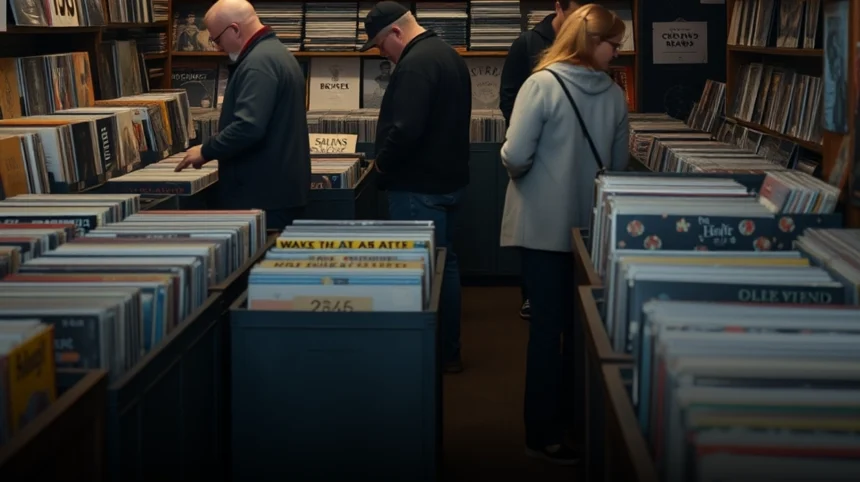
Record Shops in Bristol reflect the city’s long-standing relationship with independent music, club culture, punk, electronic sounds and vinyl collecting. From specialist dance stores and carefully curated second-hand dealers to large shops with live rooms and cafés, Bristol offers useful options for tourists exploring the city and locals searching for new, rare or affordable records.
- Why are record shops in Bristol important to the city’s music culture?
- Where are the main record-shopping areas in Bristol?
- Which record shops in Bristol should visitors know?
- What types of music can you find in Bristol record shops?
- How should you plan a record-shopping day in Bristol?
- What should beginners know before buying vinyl in Bristol?
- How do Bristol record shops support local music and tourism?
- What is the best way to explore record shops in Bristol?
- Are Bristol record shops suitable for people who do not own a turntable?
- Where can I find second-hand records in Bristol?
- Which Bristol record shop is best for electronic music?
- Can I attend live music events in a Bristol record shop?
- How long should I allow for visiting Bristol record shops?
- SEO title
- Meta description
- Strategic internal linking plan
Why are record shops in Bristol important to the city’s music culture?
Record shops in Bristol are important because they connect the city’s independent music history with contemporary listening, collecting and live performance. Their stock, events and specialist knowledge support local artists, DJs, labels, collectors and visitors seeking music beyond mainstream retail.
Bristol is widely associated with a diverse music culture that includes post-punk, trip hop, drum and bass, dubstep, reggae, house, techno, jazz, hip-hop and experimental music. Record shops provide a physical meeting point for these communities. They are places to discover unfamiliar artists, exchange recommendations and understand how local scenes develop around labels, venues and DJs.
The city’s shops also demonstrate that a record shop is more than a retail space. Some combine sales with labels, cafés, live performances, listening areas or cultural events. This makes a record-shopping trip relevant even for people who are not experienced collectors.
Where are the main record-shopping areas in Bristol?
The main record-shopping areas include Bristol city centre, Stokes Croft and St Paul’s, the Gloucester Road area, Bedminster and St Nicholas Market. Each area offers a different combination of specialist shops, second-hand stock, independent businesses, cafés, venues and cultural attractions.
The city centre is the easiest starting point for visitors arriving by train or exploring central attractions. Nelson Street, Park Row, Broadmead and nearby streets provide access to shops focusing on new releases, independent music and specialist genres. Central locations can be combined with visits to cafés, galleries, Bristol Old Vic and Harbourside attractions.
Stokes Croft, St Paul’s and the Gloucester Road area are associated with independent culture, nightlife and creative businesses. The area is particularly relevant to visitors interested in electronic music, underground scenes, punk, DIY releases and second-hand browsing. Walking distances vary, so checking the latest shop information before travelling is sensible.
Bedminster’s North Street provides a separate south-of-the-river destination. It is known for independent shops, food businesses and community-focused venues, making it suitable for a slower record-shopping trip away from the central shopping district. St Nicholas Market and nearby Old City streets can also be useful for browsing records and other vintage or specialist goods.
Which record shops in Bristol should visitors know?
Key Bristol record shops include Rough Trade Bristol, Idle Hands, Friendly Records, Plastic Wax and Wanted Records. They differ in location, stock and atmosphere, so the best choice depends on whether you want new releases, used vinyl, dance music, punk, soul, jazz, hip-hop or rare records.
Rough Trade Bristol
Rough Trade Bristol is located at New Bridewell on Nelson Street in the city centre. The shop is part of the wider Rough Trade organisation, which originated from the independent music culture of the 1970s. Its Bristol branch combines record retail with books, a café-bar and a live space.
The shop is particularly useful for new vinyl, CDs, independent releases, reissues and staff recommendations. Its event programme can include in-store performances, signings and other music activities, although schedules and availability change. Visitors interested in seeing a performance should check official event information before making a journey.
Idle Hands
Idle Hands began as a Bristol-based record label and later developed into a record shop associated with Chris Farrell and the city’s underground dance music community. Its selection is closely linked to house, techno, dubstep, grime, drum and bass, dub, disco and other club-oriented styles.
The shop has occupied different Bristol locations over time, so current opening details should be confirmed before visiting. Its importance comes from specialist curation rather than broad mainstream coverage. DJs, producers and collectors can find new releases, reissues and less familiar records selected for their relevance to electronic and bass music.
Friendly Records
Friendly Records is on North Street in Bedminster. Established in the 2010s, it is known for a varied selection of new and used vinyl, with particular interest in hip-hop, soul, funk, jazz, global music and bass-related sounds. The shop also has connections with Friendly Recordings.
Its second-hand focus makes it suitable for crate digging, where customers search through stock without knowing exactly what they will find. Condition, pricing and availability change as records are bought and sold, so the shop can offer a different experience on every visit.
Plastic Wax
Plastic Wax is associated with the Gloucester Road and Cheltenham Road area and is recognised as an established independent record shop. Its second-hand stock covers a broad range of popular and specialist music, making it useful for visitors who want time to browse rather than shop for one narrowly defined genre.
Second-hand shops require patience because records are often organised by genre, artist or format and may include albums, singles and reissues from different periods. Inspecting sleeves and vinyl surfaces carefully is part of the buying process.
Wanted Records
Wanted Records is a city-centre shop known for used records and specialist interests including dub, reggae, African music and rarities. Its location makes it convenient to combine with a visit to St Nicholas Market, the Old City and central independent businesses.
Shops specialising in older or less common music can be especially valuable for collectors seeking regional pressings, unusual compilations, obscure singles or genres that are not consistently stocked by larger retailers.
What types of music can you find in Bristol record shops?
Bristol record shops cover new releases, used albums, DJ singles, punk, indie, electronic music, dub, reggae, hip-hop, soul, funk, jazz, global music, ambient and experimental recordings. Stock varies by shop, so genre specialisation is the main factor when choosing where to go.
New-release shops are useful for current albums, label releases, chart titles, reissues and contemporary independent music. They often provide cleaner browsing and more predictable stock, particularly when a customer wants a specific new release.
Second-hand shops are better suited to discovery and value hunting. Their selections may include original pressings, budget copies, collectible editions, compilations and records that have been unavailable in mainstream shops for years. Stock is constantly changing because shops purchase collections and individual records.
Specialist dance shops serve a different purpose. Their customers may be DJs searching for club-ready 12-inch singles, producers looking for samples or collectors interested in labels, remixes and regional scenes. Electronic music stock is often organised by subgenre, label or format rather than by widely known artists.
Punk and DIY music are also important parts of Bristol’s record culture. Independent labels and venues help sustain local networks, while shops may carry limited releases, small-label records and music connected with the city’s live scene.
How should you plan a record-shopping day in Bristol?
A practical record-shopping day starts by grouping shops by area, checking opening times, carrying a suitable bag and allowing enough time to browse. Begin with priority shops, then add nearby markets, cafés, venues and cultural attractions without relying on fixed stock.
Start in the city centre if you want the simplest route from Bristol Temple Meads or central hotels. Rough Trade and nearby independent retailers can form the first part of an itinerary. From there, continue towards St Nicholas Market or the Old City, where other browsing opportunities may be available.
Choose Bedminster separately if Friendly Records is a priority. North Street can support a longer visit because it contains food, drink and independent retail alongside the record shop. The area can be reached from central Bristol by walking, bus or other local transport, depending on the route and time available.
Visitors interested in dance music should prioritise Idle Hands and allow time for specialist browsing. Those looking for broad second-hand stock may prefer Plastic Wax or Wanted Records. A focused route is more efficient than attempting every shop in one afternoon.
Opening days, addresses, events and stock can change. Confirm details through each shop’s official channels before travelling, particularly on Sundays, bank holidays and around event dates.
What should beginners know before buying vinyl in Bristol?
Beginners should decide whether they want new or used records, inspect the vinyl and sleeve, compare prices and ask staff for recommendations. A record shop is usually a welcoming place to learn about formats, genres, pressings, condition and playback requirements.
Vinyl condition affects sound quality and value. Look for deep scratches, warping, heavy surface marks and damaged sleeves. Light wear is common with used records, but significant damage may produce noise or affect playback. Staff can explain grading systems when a customer is unsure.
Record formats also matter. A 12-inch album usually contains a longer programme, while a 7-inch single commonly contains one track on each side. A 12-inch single may be intended for DJs and can contain extended mixes. These formats require compatible playback equipment and suitable storage.
New records are generally easier to assess because packaging and condition are standardised, but prices may be higher. Used records can offer better value and more historical variety, although availability is unpredictable. Buying from an independent shop also allows customers to ask questions before purchasing.
How do Bristol record shops support local music and tourism?
Bristol record shops support local music by promoting labels, artists, DJs, events and specialist communities, while also giving visitors a practical way to experience the city’s cultural identity. Their value extends beyond sales into discovery, conversation, collecting and cultural tourism.
Shops can introduce customers to artists who may not appear in mainstream charts or national retail displays. Staff recommendations, local releases and events help connect recorded music with venues, labels and performance spaces across Bristol.
For tourists, record shops provide an activity that is specific to the city rather than interchangeable with a standard shopping centre. A visitor can buy a local or Bristol-connected release, attend an in-store event and explore the neighbourhood in which the shop operates.
For residents, independent shops offer a continuing service that online marketplaces cannot fully replicate. Customers can inspect records physically, discuss music with knowledgeable staff and return to browse new stock. This helps maintain a visible music community and preserves interest in physical formats.
What is the best way to explore record shops in Bristol?
The best approach is to match your route to your musical interests, combine central and neighbourhood shops over separate visits, and treat each store as a specialist source rather than expecting identical stock. Check current details, browse patiently and allow time for discovery.
New-release shoppers should begin with Rough Trade Bristol, while electronic music collectors should investigate Idle Hands. Friendly Records suits visitors seeking varied used stock in Bedminster, and Plastic Wax offers broad second-hand browsing near the Gloucester Road area. Wanted Records is useful for specialist used music in the central area.
Bristol’s record shops are most rewarding when approached as connected parts of the city’s music geography. The shops, labels, markets, cafés, venues and neighbourhoods together explain how recorded music continues to shape local culture.
Are Bristol record shops suitable for people who do not own a turntable?
Yes. Record shops are useful for discovering artists, buying gifts, exploring music history or attending events, even without a turntable. Some shops also sell CDs, books, merchandise and other formats, although product ranges vary.
Where can I find second-hand records in Bristol?
Plastic Wax, Friendly Records and Wanted Records are associated with second-hand browsing, while other independent shops may also carry used stock. Selection and condition change regularly, so a visit is more useful than relying on a permanent catalogue.
Which Bristol record shop is best for electronic music?
Idle Hands is the clearest specialist destination for electronic and club-oriented music, including house, techno, dubstep, grime and related styles. Its stock is curated, so it is especially useful for DJs and collectors.
Can I attend live music events in a Bristol record shop?
Some shops host in-store performances, signings and other events. Rough Trade Bristol has a dedicated live space, but event schedules, capacity and ticket arrangements change. Check the organiser’s current information before travelling.
How long should I allow for visiting Bristol record shops?
Allow at least two or three hours for a focused central visit and longer for several neighbourhoods. Browsing second-hand stock takes time, and travel between the city centre, Bedminster and Gloucester Road should be included in the plan.
SEO title
Record Shops in Bristol: Best Vinyl Stores and Areas
Meta description
Discover Bristol record shops by area, genre and shopping style, including vinyl specialists, second-hand stores, electronic music shops and visitor tips.
Strategic internal linking plan
- Link “Bristol music scene” to a city music history or live music guide.
- Link “Bristol city centre” to a central Bristol visitor guide.
- Link “Stokes Croft and St Paul’s” to a neighbourhood guide covering independent culture and nightlife.
- Link “Bedminster” to a South Bristol neighbourhood or North Street guide.
- Link “St Nicholas Market” to a Bristol markets and shopping guide.
- Link “Bristol Temple Meads” to a transport or arrival guide for visitors.
- Link “Bristol live music venues” to a guide to concerts, clubs and performance spaces.

