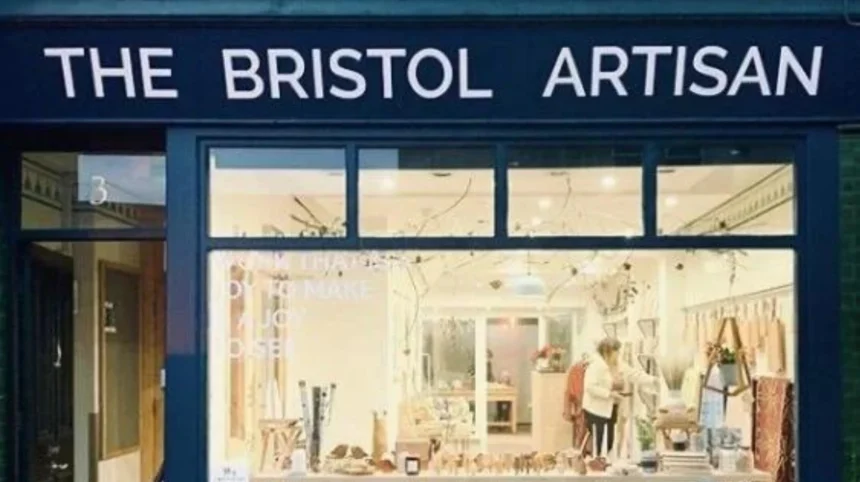
Artisan stores are specialist shops that focus on craftsmanship rather than mass-produced retail. In Bristol, these businesses include independent boutiques, craft shops, designer studios, food producers, and creative marketplaces. They connect customers directly with makers who produce jewellery, ceramics, textiles, artwork, furniture, food products, and sustainable lifestyle goods.
- How did artisan retail culture develop in Bristol?
- Which areas of Bristol are known for artisan stores?
- What types of products do artisan stores in Bristol sell?
- Why are artisan stores important to Bristol’s local economy?
- How do artisan stores support sustainable shopping in Bristol?
- How do artisan markets contribute to Bristol’s creative community?
- What role do artisan stores play in Bristol’s cultural identity?
- How will artisan stores develop in Bristol’s future?
Bristol has a long-established reputation as a creative city with strong independent business networks. The city’s artisan retail sector operates across neighbourhoods including Clifton, Stokes Croft, Gloucester Road, Bedminster, Southville, Old Market, and the Harbourside. These areas contain clusters of independent traders supported by local communities and cultural organisations.
The growth of artisan stores reflects wider changes in consumer behaviour. Customers increasingly seek products with identifiable origins, responsible production methods, and personal design value. Artisan retailers provide transparency by explaining how products are made, where materials come from, and who creates them.
Bristol’s artisan economy combines traditional skills with modern design practices. Contemporary makers use techniques including hand-building ceramics, textile production, woodworking, printmaking, illustration, natural cosmetics production, and small-batch food manufacturing.
These stores contribute to Bristol’s identity as a centre for creativity, sustainability, and independent commerce. They provide alternatives to large commercial chains while maintaining strong connections between producers and local customers.
How did artisan retail culture develop in Bristol?
Artisan retail culture in Bristol developed from the city’s maritime history, trading networks, craft traditions, and independent business movement. The city’s historic markets, creative communities, and industrial heritage created conditions for modern artisan shops and maker-led businesses.
Bristol’s artisan culture has historical foundations connected to its role as a major port city. From the medieval period onwards, Bristol supported craftsmen, traders, and skilled workers producing goods for local and international markets.
The city’s historic commercial activity included industries such as pottery, glassmaking, textiles, metalwork, leather production, and food manufacturing. These traditional crafts established knowledge networks that influenced later generations of makers.
During the eighteenth and nineteenth centuries, Bristol expanded as an industrial and trading centre. Areas around the harbour contained workshops, warehouses, and production facilities. Skilled workers developed specialised techniques that shaped the city’s manufacturing identity.
The twentieth century brought changes to Bristol’s retail landscape. Large-scale manufacturing declined in many areas, while independent creative businesses gained importance. Artists, designers, and craftspeople began establishing studios and small shops in affordable neighbourhoods.
The late twentieth and early twenty-first centuries saw significant growth in Bristol’s independent retail scene. Creative districts such as Stokes Croft and Southville became recognised for alternative shops, galleries, and handmade product businesses.
The establishment of events such as craft markets and maker fairs strengthened connections between producers and consumers. These events created platforms for emerging designers and helped artisan businesses reach wider audiences.
Today, Bristol’s artisan stores represent a combination of historical craftsmanship and modern entrepreneurial activity. The sector reflects the city’s transition from industrial production towards a creative knowledge economy.
Which areas of Bristol are known for artisan stores?
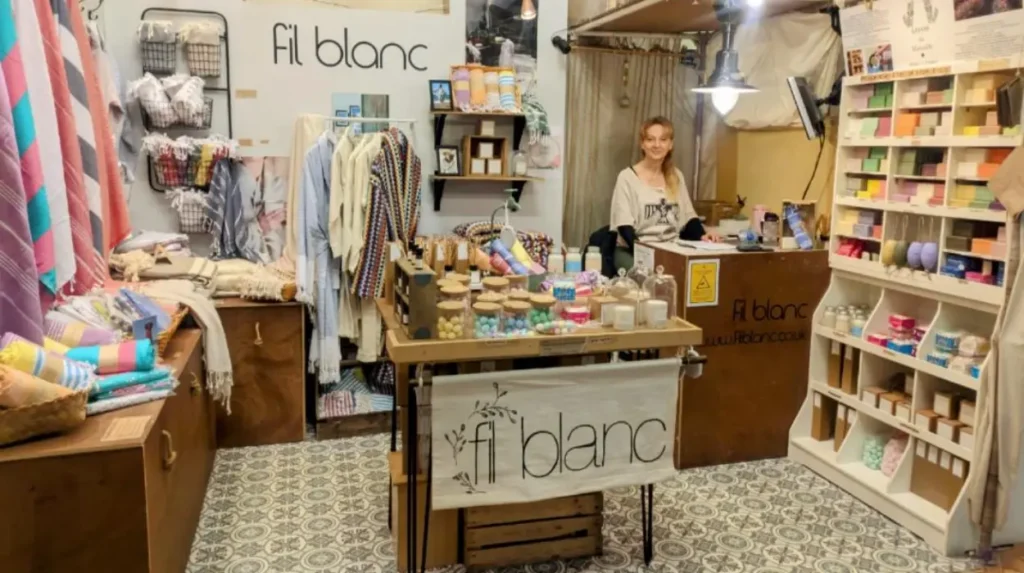
Bristol’s main artisan shopping areas include Clifton, Gloucester Road, Stokes Croft, Southville, Bedminster, Old Market, and the Harbourside. These districts contain independent boutiques, craft studios, markets, and specialist retailers serving residents and visitors.
Clifton is one of Bristol’s established independent shopping districts. The area contains boutique stores, design-led retailers, galleries, and specialist shops. Clifton’s historic architecture and affluent residential communities support a strong market for handmade and premium products.
Gloucester Road is recognised as one of the longest independent shopping streets in Europe. The area contains a diverse collection of small businesses, including vintage retailers, craft shops, independent fashion stores, and creative studios.
Stokes Croft functions as a major centre for Bristol’s alternative and creative culture. The district includes independent art spaces, handmade product stores, ethical retailers, and community-focused businesses. Its reputation developed through decades of artistic activity and cultural events.
Southville and Bedminster provide strong artisan retail environments in south Bristol. North Street, the main commercial route through Southville and Bedminster, contains independent cafés, gift shops, galleries, and local design businesses.
Old Market combines historic commercial character with modern creative enterprises. The area has experienced regeneration through independent businesses, cultural venues, and new creative developments.
The Harbourside connects Bristol’s maritime heritage with contemporary retail activity. Artisan markets and creative events frequently operate in this area, providing opportunities for local makers to sell directly to customers.
Each district contributes different characteristics to Bristol’s artisan economy. Together, these areas create a city-wide network of independent makers and retailers.
What types of products do artisan stores in Bristol sell?
Artisan stores in Bristol sell handmade products including ceramics, jewellery, clothing, artwork, home goods, food items, and sustainable lifestyle products. These categories represent the skills of local makers, designers, artists, and specialist producers.
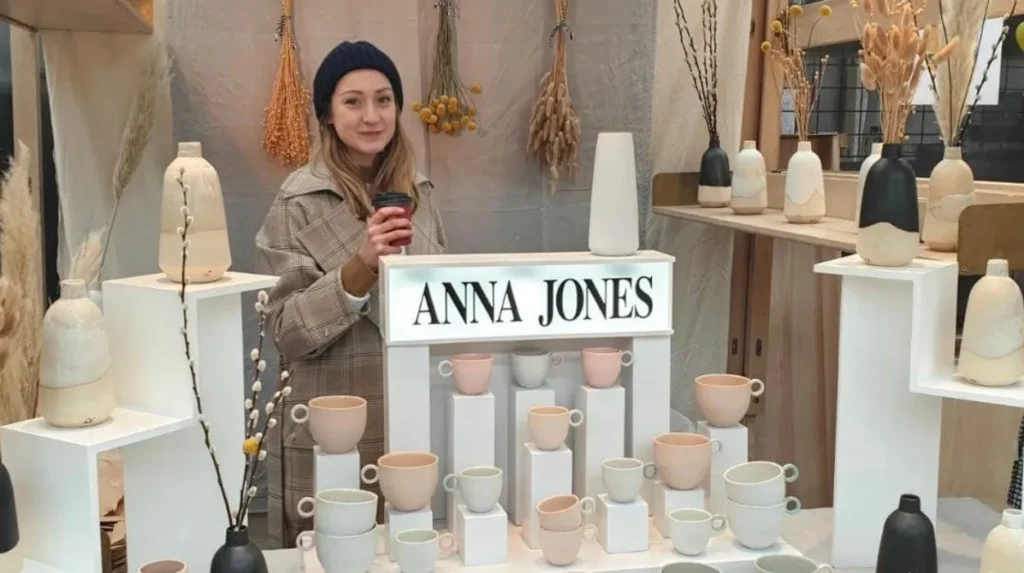
Ceramics represent one of Bristol’s significant artisan product categories. Local potters create handmade plates, bowls, decorative objects, and functional household items using traditional and contemporary techniques.
Jewellery makers produce unique pieces using materials such as silver, gemstones, recycled metals, and handcrafted components. Independent jewellery studios often provide custom designs and small production collections.
Textile artisans create clothing, accessories, woven products, and home furnishings. These makers focus on fabric quality, ethical sourcing, and individual designs rather than high-volume manufacturing.
Artwork and print products form another important part of Bristol’s creative retail sector. Independent artists produce illustrations, posters, paintings, photography prints, and limited-edition designs inspired by local culture and wider themes.
Food-based artisan businesses include producers of baked goods, speciality chocolates, preserves, sauces, coffee products, and locally manufactured beverages. These businesses often operate through independent shops, markets, and specialist food retailers.
Home and lifestyle products include handmade furniture, candles, natural cosmetics, wooden products, and decorative items. These goods appeal to customers seeking sustainable and distinctive alternatives to standard retail products.
Many Bristol artisan stores combine multiple product categories. A single shop often functions as a marketplace for several local creators, creating a wider platform for independent businesses.
Why are artisan stores important to Bristol’s local economy?
Artisan stores support Bristol’s local economy by creating employment, encouraging independent entrepreneurship, retaining spending within communities, and promoting creative industries. These businesses strengthen neighbourhood economies through direct customer relationships and locally generated economic activity.
Independent artisan businesses contribute to Bristol’s wider small business ecosystem. They create opportunities for self-employed makers, designers, artists, and entrepreneurs to commercialise creative skills.
Small retail businesses generate economic activity through shop operations, supplier relationships, local services, and customer spending. Money spent at independent stores often circulates within local supply networks.
Artisan retailers also support employment opportunities. These businesses create roles in production, retail management, marketing, design, logistics, and customer service.
The creative industries represent an important part of Bristol’s economy. The city has recognised strengths in design, digital industries, film, music, and creative entrepreneurship. Artisan stores contribute to this wider creative environment.
Independent retailers improve the character of commercial areas. Active high streets with specialist shops attract visitors, increase foot traffic, and support neighbouring businesses such as cafés, restaurants, and service providers.
Artisan businesses also provide opportunities for new entrepreneurs. Many makers begin through markets, online sales, or small-scale production before expanding into permanent retail spaces.
The economic importance of artisan stores extends beyond direct sales. These businesses contribute to Bristol’s reputation as a creative destination and strengthen connections between communities and local producers.
How do artisan stores support sustainable shopping in Bristol?
Artisan stores support sustainable shopping by promoting handmade production, responsible materials, local sourcing, repair culture, and reduced dependence on mass manufacturing. Bristol’s independent retailers provide customers with products designed for quality, durability, and conscious consumption.
Sustainable retail focuses on reducing environmental impact throughout production and consumption processes. Artisan businesses often achieve this through small-scale manufacturing methods and careful material selection.
Many Bristol makers use recycled, reclaimed, or environmentally responsible materials. Examples include recycled metals in jewellery, sustainable fabrics in clothing, and reclaimed wood in furniture production.
Local production reduces transportation requirements compared with globally distributed manufacturing systems. Shorter supply chains allow customers to understand product origins and production methods.
Artisan stores also encourage longer product lifecycles. Handmade goods are often designed with durability and repairability in mind, reducing replacement frequency.
Repair and restoration services form part of Bristol’s independent retail culture. Some makers provide maintenance, alterations, and refurbishment services that extend product lifespan.
Sustainable artisan shopping aligns with Bristol’s environmental priorities. The city has developed strong sustainability initiatives focused on reducing waste, supporting responsible consumption, and improving environmental awareness.
Customers benefit from greater transparency when purchasing artisan products. Makers often provide information about materials, techniques, and production processes that are unavailable in standard retail environments.
How do artisan markets contribute to Bristol’s creative community?
Artisan markets in Bristol provide platforms where independent makers sell products, develop customer relationships, test new ideas, and build creative businesses. These markets strengthen collaboration between artists, producers, and local communities.
Markets have played a central role in Bristol’s artisan economy. They provide accessible entry points for emerging businesses that cannot immediately operate permanent shops.
Regular markets allow makers to introduce products directly to customers. This interaction helps businesses understand customer preferences and improve product development.
Bristol hosts various creative markets featuring handmade goods, food products, artwork, and independent designs. These events attract residents and visitors while promoting local entrepreneurship.
Markets also create networking opportunities. Makers connect with other businesses, suppliers, event organisers, and creative professionals.
The social value of artisan markets extends beyond commercial activity. They create community gathering spaces where people engage with local culture and creative production.
Many successful Bristol artisan businesses begin through market participation. Markets provide practical experience in pricing, branding, customer service, and business management.
The relationship between markets and permanent stores strengthens Bristol’s independent retail ecosystem. Businesses often progress from temporary market stalls into established shops and studios.
Explore More Area Guide
Independent Shops in Bristol: Local Stores, Streets, and Shopping
River Walks in Bristol: Best Riverside Routes, Harbour Paths, and Green Trails
What role do artisan stores play in Bristol’s cultural identity?
Artisan stores contribute to Bristol’s cultural identity by preserving creative traditions, supporting independent voices, and representing the city’s values of innovation, diversity, and community participation through locally produced goods and experiences.
Bristol’s cultural identity is strongly connected to creativity and independent expression. Artisan stores reflect these characteristics through unique products and maker-led businesses.
The city has a long history of artistic activity, including visual arts, music, design, and community projects. Artisan retail provides a commercial platform for creative expression.
Independent shops contribute to neighbourhood identity. Areas with artisan businesses develop distinctive characteristics based on local makers, shop designs, and community activities.
Visitors often use artisan shopping as a way to experience Bristol’s local culture. Handmade products provide connections to the city’s creative communities and design traditions.
Artisan retailers also support cultural diversity. Bristol’s makers come from varied backgrounds and create products influenced by different cultural traditions, techniques, and experiences.
The presence of artisan stores strengthens Bristol’s reputation as a creative destination. The sector complements museums, galleries, festivals, and cultural venues across the city.
How will artisan stores develop in Bristol’s future?
Artisan stores in Bristol will continue developing through digital retail integration, sustainable production, creative entrepreneurship, and demand for locally made products. Future growth will combine traditional craftsmanship with modern business technology and changing consumer expectations.
Digital platforms are becoming increasingly important for artisan businesses. Many Bristol makers combine physical shops with online stores, social media marketing, and digital marketplaces.
Technology allows small businesses to reach wider audiences while maintaining local production methods. Online sales provide additional income streams alongside traditional retail.
Sustainability will remain a major factor influencing artisan retail development. Customers continue to seek responsible products with clear environmental and ethical information.
Collaboration between makers, community organisations, and creative industries will support future growth. Shared studios, workshops, and creative spaces provide resources for emerging businesses.
Bristol’s independent retail sector will continue adapting to changing consumer behaviour. Customers increasingly value authenticity, transparency, and meaningful purchasing experiences.
Artisan stores represent an important connection between Bristol’s historical craft traditions and its modern creative economy. Their continued development supports local businesses, cultural identity, and sustainable approaches to retail.
What are artisan stores in Bristol?
Artisan stores in Bristol are independent shops that sell handmade, locally produced, and creatively designed goods made by skilled makers. These stores offer products such as ceramics, jewellery, artwork, textiles, homeware, sustainable gifts, and speciality foods created through traditional and modern craft techniques.