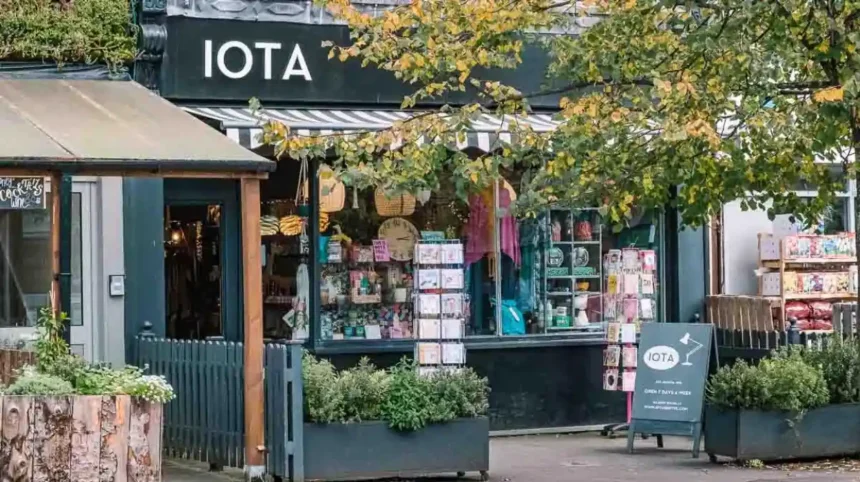
Gift shops in Bristol provide access to a wide range of products designed for birthdays, celebrations, seasonal events, corporate gifting, tourism, and personal occasions. The city’s gift retail sector combines traditional souvenir businesses with modern independent stores offering artisan products, sustainable goods, and locally inspired designs.
- How did gift shops develop in Bristol?
- Why are gift shops important to Bristol’s local economy?
- What types of products do gift shops in Bristol sell?
- Where are the best areas to find gift shops in Bristol?
- How do independent gift shops in Bristol support local makers?
- How do Bristol gift shops reflect local culture and heritage?
- How do sustainable practices influence gift shops in Bristol?
- How do customers choose the right gift shop in Bristol?
- What is the future of gift shops in Bristol?
Bristol is a major city in South West England with a population of more than 480,000 residents. The city has a strong identity shaped by maritime history, creative industries, cultural institutions, music, street art, and independent businesses. Gift shops reflect these characteristics by selling products connected to Bristol’s landmarks, communities, and creative reputation.
Modern gift shops operate through different retail models. Independent stores focus on unique collections from local makers, while larger retailers provide broader product ranges. Many Bristol gift shops combine physical stores with online platforms, allowing customers to purchase locally designed products beyond the city.
The gift retail sector supports local artists, designers, craftspeople, and small manufacturers. These businesses contribute to Bristol’s wider independent shopping environment, which includes markets, boutique stores, galleries, and specialist retailers across neighbourhoods such as Clifton, St Nicholas Market, Gloucester Road, and the city centre.
How did gift shops develop in Bristol?
Gift shops in Bristol developed from traditional souvenir trading linked to tourism, maritime commerce, and local craftsmanship. The sector expanded through Victorian shopping culture, twentieth-century tourism growth, and modern demand for independent, ethical, and locally made products.
Bristol’s gift shop history connects closely with the city’s development as a port, commercial centre, and cultural destination. During earlier centuries, traders sold practical goods, decorative objects, and items associated with Bristol’s maritime activities.
The city’s historic harbour played an important role in shaping commercial activity. Bristol Harbour connected the city with international trade routes and created demand for locally produced goods, decorative items, and souvenirs representing the city’s identity.
During the Victorian period, retail streets expanded significantly across Britain. Bristol experienced growth in dedicated shops, department stores, and specialist retailers. Increased domestic tourism created demand for souvenirs connected to important locations, including historic buildings, museums, and scenic areas.
The twentieth century transformed gift shopping through improved transport networks and increased leisure travel. Visitors arriving in Bristol searched for products representing local culture, including postcards, artwork, books, ceramics, and historical souvenirs.
The twenty-first century introduced a new phase of gift retail. Customers increasingly seek handmade products, sustainable materials, and products with clear local origins. Bristol’s reputation as a creative city strengthened demand for independent gift shops featuring designers, artists, and small businesses.
Why are gift shops important to Bristol’s local economy?
Gift shops in Bristol support the local economy by creating retail employment, promoting independent makers, attracting visitors, and keeping spending within local communities. These businesses contribute to Bristol’s creative economy and strengthen neighbourhood shopping areas through specialised products and services.
Independent gift shops form part of Bristol’s wider small business network. They provide commercial opportunities for entrepreneurs who create specialist retail concepts based on local demand and cultural interests.
Gift shops generate economic activity through several connected areas. These include product sales, local manufacturing, packaging services, design work, marketing, delivery operations, and collaborations with independent artists.
The sector also supports Bristol’s creative industries. Bristol has a nationally recognised creative economy involving graphic design, illustration, crafts, fashion, photography, and digital media. Gift shops provide marketplaces where creative professionals sell physical products to customers.
Local purchasing creates additional economic benefits. When customers buy products created by Bristol-based makers, revenue supports designers and suppliers connected to the city. This relationship strengthens independent production networks.
Gift shops also contribute to tourism. Visitors often purchase items that represent their experience of Bristol. Products featuring local landmarks, artwork, and cultural references help extend visitor spending beyond accommodation and hospitality businesses.
Neighbourhood gift shops improve high streets by increasing variety and encouraging foot traffic. Areas with independent retailers often develop stronger community identities because shops provide locally focused services and products.
What types of products do gift shops in Bristol sell?
Gift shops in Bristol sell locally themed souvenirs, handmade crafts, home accessories, artwork, clothing, stationery, food gifts, and personalised items. Product collections often reflect Bristol’s maritime heritage, creative culture, environmental values, and independent design community.
Bristol gift shops offer products for different customer needs and occasions. The product range includes traditional souvenirs alongside contemporary lifestyle items.
Local souvenirs remain an important category. These products include Bristol-themed postcards, magnets, keyrings, illustrated maps, landmark designs, and historical references connected to locations such as Clifton Suspension Bridge and Bristol Harbour.
Handmade crafts represent another major category. Examples include ceramics, jewellery, textiles, candles, wood products, and decorative items created by independent makers. These products highlight craftsmanship and limited-edition production.
Artwork and design products are strongly associated with Bristol’s creative reputation. Gift shops frequently stock prints, illustrations, posters, and designs inspired by the city’s street art, architecture, and cultural movements.
Food-related gifts provide another popular option. Examples include locally produced chocolates, speciality teas, coffee products, preserves, biscuits, and regional food items. These products connect gifting with local agriculture and food production.
Sustainable gifts have increased in popularity. Examples include reusable products, recycled materials, environmentally responsible home goods, and plastic-free alternatives. Bristol’s environmental initiatives influence demand for responsible retail choices.
Personalised gifts allow customers to purchase customised items. Examples include engraved products, personalised artwork, custom clothing, and made-to-order designs.
Where are the best areas to find gift shops in Bristol?
The best areas for gift shopping in Bristol include the city centre, Clifton, St Nicholas Market, Gloucester Road, and independent retail districts. These locations provide access to diverse shops offering souvenirs, artisan products, vintage items, and locally designed gifts.
Bristol’s shopping areas each provide different retail experiences. The city centre contains established retailers, independent shops, cultural attractions, and visitor-focused businesses.
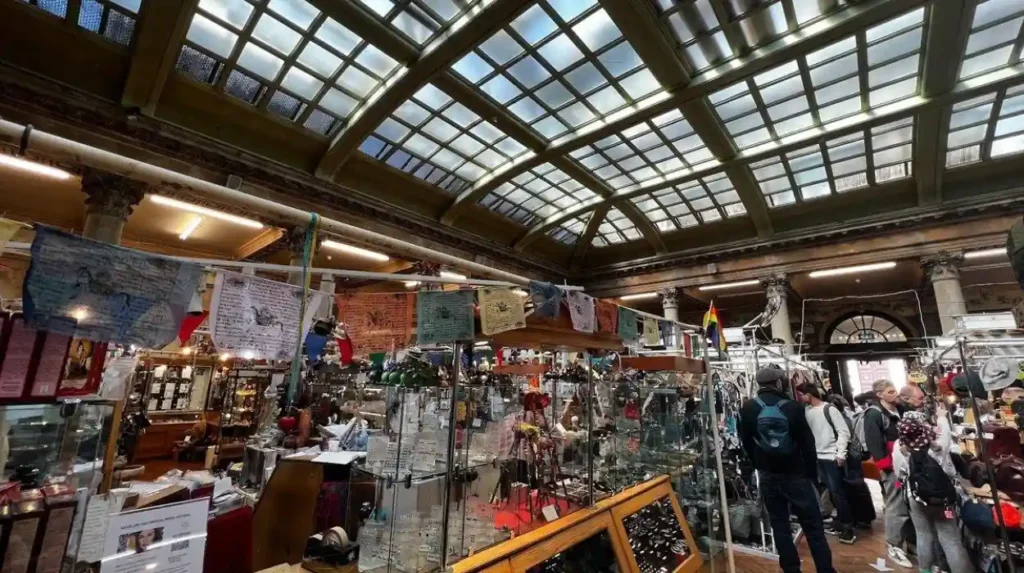
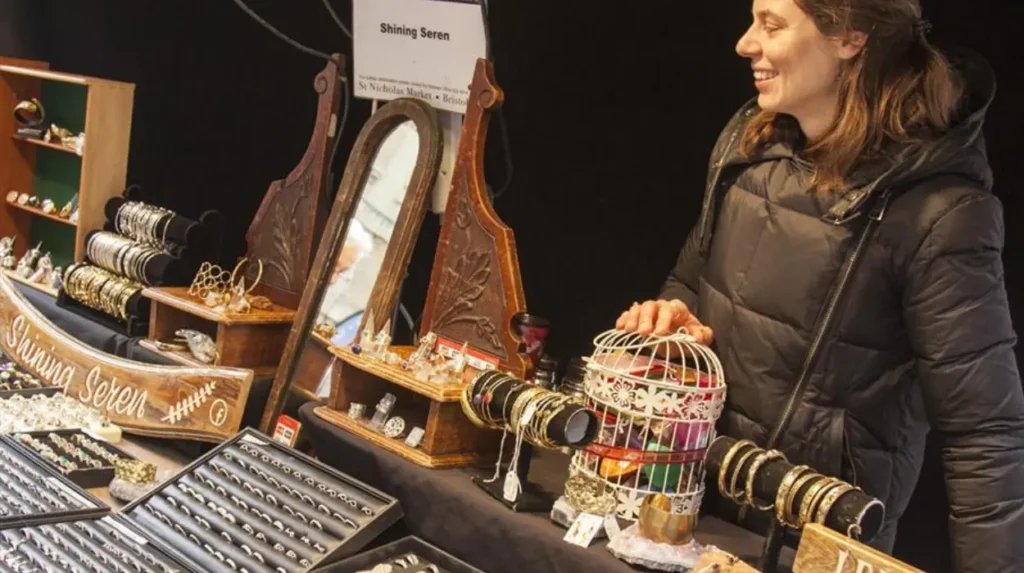
St Nicholas Market is one of Bristol’s historic trading locations. Established in the eighteenth century, the market contains independent traders selling crafts, food, clothing, artwork, and speciality products. Its historic setting attracts both residents and visitors.
Clifton is known for boutique shopping and independent businesses. The area attracts customers looking for premium gifts, design products, home accessories, and creative items connected with Bristol’s style.
Gloucester Road is recognised for its independent retail culture. The area contains small businesses offering unusual products, handmade goods, vintage items, and specialist services.
The Harbourside area combines tourism, culture, and retail. Visitors exploring museums, galleries, and waterfront attractions often purchase gifts connected to Bristol’s history and creative identity.
Bedminster and Southville also contain independent retailers. These neighbourhoods feature community-focused shops offering locally produced goods and unique gift collections.
How do independent gift shops in Bristol support local makers?
Independent gift shops in Bristol support local makers by providing retail space, customer access, promotional opportunities, and sales channels for artists, designers, and craftspeople creating handmade and small-batch products. These partnerships strengthen Bristol’s creative business ecosystem.
Many independent gift shops operate through collaborative relationships with local producers. Instead of relying only on mass-produced merchandise, these businesses often feature products created by individual makers.
Local makers include ceramic artists, jewellery designers, illustrators, textile producers, photographers, and independent brands. Gift shops provide these creators with opportunities to reach customers without operating their own standalone stores.
Retail partnerships help emerging businesses develop market knowledge. Makers receive customer feedback, understand purchasing trends, and improve product designs based on real consumer responses.
Independent shops also promote Bristol’s creative identity. Products created within the city represent local skills and contribute to Bristol’s reputation as a centre for innovation and artistic production.
Many gift retailers use seasonal collections. Examples include Christmas gifts, festival products, wedding items, and event-specific designs. These collections create opportunities for makers to introduce new products throughout the year.
How do Bristol gift shops reflect local culture and heritage?
Gift shops in Bristol reflect local culture and heritage by selling products connected to the city’s history, landmarks, artistic movements, and community identity. Their collections preserve local stories while presenting Bristol’s character through modern designs and creative products.
Bristol has a complex history shaped by maritime trade, industrial development, architecture, music, and social movements. Gift shops transform these historical elements into accessible products.
Maritime heritage appears through products featuring ships, harbour imagery, nautical designs, and historical references. Bristol’s relationship with the sea remains an important part of the city’s identity.
Architectural landmarks influence gift designs. Examples include illustrations and souvenirs representing Clifton Suspension Bridge, Bristol Cathedral, historic streets, and harbour buildings.
Street art has become another important cultural influence. Bristol is internationally recognised for its graffiti and urban art scene. Gift shops frequently sell artwork and designs inspired by this creative tradition.
Music culture also influences retail products. Bristol has contributed to genres including trip hop and electronic music. Some gift products reference the city’s musical history through artwork and memorabilia.
Local identity continues evolving as new communities, businesses, and creative movements shape Bristol. Gift shops document these changes through changing product collections.
How do sustainable practices influence gift shops in Bristol?
Sustainable practices influence Bristol gift shops through environmentally responsible products, ethical sourcing, reduced packaging, and support for local production. Many retailers respond to customer demand for gifts that minimise environmental impact and encourage responsible consumption.
Sustainability has become an important factor in modern retail. Customers increasingly consider product materials, manufacturing methods, and environmental effects when choosing gifts.
Bristol has a strong environmental culture supported by community organisations, businesses, and city initiatives. This awareness influences purchasing behaviour across independent retail sectors.
Gift shops respond by introducing products made from recycled, renewable, or biodegradable materials. Examples include recycled paper stationery, reusable household items, and sustainably produced accessories.
Local sourcing reduces transportation requirements and supports nearby businesses. Gift shops that purchase from Bristol makers create shorter supply chains between producers and customers.
Packaging improvements also contribute to sustainability. Many retailers reduce unnecessary packaging and choose recyclable materials for product presentation and delivery.
Sustainable gift retail combines environmental responsibility with commercial demand. Businesses that adopt responsible practices align with changing customer expectations while supporting wider environmental goals.
Explore More Area Guide
Woodland Walks in Bristol: Best Trails, Estates and Routes
Gardens to Visit in Bristol: Complete Guide to Historic Estates, Parks and Hidden Green Spaces
How do customers choose the right gift shop in Bristol?
Customers choose gift shops in Bristol by considering product quality, local relevance, price range, sustainability, personalisation options, and shop reputation. The best choice depends on the purpose of the gift, recipient preferences, and desired connection to Bristol culture.
Gift selection begins with understanding the occasion. Birthday gifts, business presents, souvenirs, wedding gifts, and personal purchases require different product choices.
Local relevance is important for customers seeking Bristol-themed presents. Products connected to the city provide stronger personal meaning for visitors and residents.
Quality influences purchasing decisions. Handmade products, carefully designed items, and locally produced goods often provide distinctive alternatives to standard retail products.
Price range varies across gift shops. Customers find affordable souvenirs as well as premium handmade products created by specialist designers.
Personalisation creates additional value. Custom products allow customers to create unique gifts designed specifically for individuals or events.
Sustainability has become another selection factor. Many customers prefer retailers offering ethical products and responsible production methods.
What is the future of gift shops in Bristol?
The future of gift shops in Bristol focuses on digital retail integration, personalised products, sustainable merchandise, local collaborations, and experience-based shopping. Independent retailers continue adapting to changing consumer behaviour while maintaining connections with Bristol’s creative identity.
Technology continues changing how customers discover and purchase gifts. Many Bristol gift shops now combine physical stores with online platforms, social media marketing, and digital ordering systems.
Personalisation is expected to remain significant. Customers increasingly seek products created specifically for individuals rather than standard mass-produced items.
Sustainable retail will continue influencing product development. Businesses are expanding environmentally responsible collections and improving supply chain transparency.
Local collaborations will remain central to Bristol’s gift sector. Partnerships between shops, artists, designers, and community organisations create new product opportunities.
Experience-based shopping is becoming more important. Customers value visiting independent shops because they provide discovery, interaction, and connection with local culture.
Bristol’s strong creative economy provides ongoing opportunities for gift retailers. The sector continues evolving while maintaining its role as a bridge between local creativity, tourism, and community commerce.
What are the best gift shops in Bristol?
Bristol has many independent gift shops offering handmade crafts, local artwork, souvenirs, personalised presents, and sustainable products. Popular shopping areas include St Nicholas Market, Clifton, Gloucester Road, Bedminster, and the city centre, where visitors find unique Bristol-themed gifts.