Key Points
- Fiddlers Club, a historic music venue on Willway Street in Bedminster, Bristol, is set to be auctioned on 17 June 2026 with an estimated price of £900,000.
- The venue opened in 1994 and has hosted internationally renowned artists including George Ezra, KT Tunstall, Billy Bragg, Robert Plant, and Lee ‘Scratch’ Perry.
- Bedminster Works, a community interest organisation, and Artspace Lifespace, an arts charity, have joined forces to raise funds to purchase and revitalise the venue as a community hub.
- James Perrott, director of Bedminster Works, stated: “This is far too critical to lose without a struggle.”
- The campaign aims to halt the auction process by negotiating directly with the property owners and securing a short-term lease while pursuing a long-term community acquisition.
- The venue has been inactive since the pandemic and struggled to regain its footing following Covid lockdowns, leading owners to decide to sell.
- The building is on the edge of the Bedminster Green regeneration scheme, with property listings flagging its “significant residential potential” and redevelopment opportunities.
- Campaigners warn that independent venues and creative spaces are “disappearing at an alarming rate” and are calling for expert help or financial support from Bristol’s professional community.
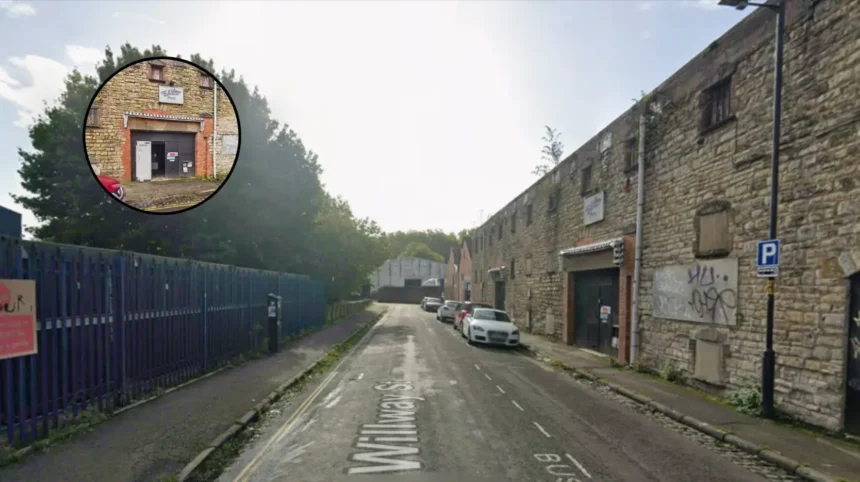
Bedminster (Bristol Express News) July 4, 2026 – Campaigners are desperately scrambling to save the old Fiddlers nightclub and music venue in Bedminster as another deadline looms. The venue on Willway Street, which opened in 1994 and hosted internationally-renowned acts such as Robert Plant, KT Tunstall, George Ezra and Billy Bragg, is now inactive and scheduled for auction on 17 June with an estimated price of £900,000.
- Key Points
- Why is Fiddlers Club up for auction and what are campaigners proposing?
- What is the history of Fiddlers Club and why does it matter to Bristol’s music scene?
- What are the redevelopment pressures facing Fiddlers Club?
- What have campaigners said about the urgency of saving Fiddlers?
- Background: How did Fiddlers Club become a focal point for Bristol’s music heritage?
- Prediction: How could the fate of Fiddlers Club affect Bristol’s music community and local residents?
As reported by BBC News, the community interest organisation Bedminster Works, along with the arts charity Artspace Lifespace, has joined forces to gather contributions aimed at purchasing Fiddlers Club and revitalising it as a communal area.
“This is far too critical to lose without a struggle,”
remarked James Perrott, the director of Bedminster Works, as quoted by BBC News.
The campaign’s objective is to halt the auction process by negotiating directly with the owners of the property, with the group aiming to thwart the sale of the venue to developers by obtaining a short-term lease while pursuing a long-term community acquisition, which would be financed through donations and investments.
Why is Fiddlers Club up for auction and what are campaigners proposing?
As reported by BBC News, Fiddlers Club, located in south Bristol, began its journey as a performance space in 1994 and has welcomed numerous artists, such as George Ezra, KT Tunstall, and Billy Bragg. Currently, the venue is no longer operational and is scheduled for auction on 17 June, with an estimated starting price of £900,000.
In response, the community interest organisation Bedminster Works and the arts charity Artspace Lifespace have collaborated to gather funds to purchase Fiddlers Club and transform it into a community hub. The campaign aims to halt the auction process by negotiating directly with the owners of the property.
The group aims to thwart the sale of the venue to developers by obtaining a short-term lease while pursuing a long-term community acquisition, which would be financed through donations and investments.
As reported by The Business Desk, campaigners behind an 11th-hour effort to save a Bristol grassroots music venue from potential redevelopment as housing are calling for expert help or financial support from the city’s professional community.
The campaign comes as independent venues and creative spaces are “disappearing at an alarming rate”, according to organisers quoted by The Business Desk.
What is the history of Fiddlers Club and why does it matter to Bristol’s music scene?
As reported by Bristol247, Fiddlers, a medium-size venue housed in a former 18th century prison, is being touted as a going concern for those in the industry with a 650 capacity, a late licence that extends to 6am closing at weekends and ‘potential for redevelopment’.
Situated in south Bristol between East Street and Victoria Park, the venue was, from its opening in 1994 until recently, a top spot for catching reggae, folk and world acts such as The Abyssinians, Roy Ayers, Lankum, Lee ‘Scratch’ Perry, Billy Bragg and Manu Chao.
As reported by The Business Desk, for more than 30 years, Fiddlers in Bristol was a cornerstone of the city’s vibrant live music scene, hosting internationally renowned artists including Robert Plant and Lee ‘Scratch’ Perry, as well as generations of emerging local musicians, DJs and performers.
But the Bedminster venue failed to re-establish itself following the pandemic, and the owners have finally decided to officially call it a day.
What are the redevelopment pressures facing Fiddlers Club?
As reported by Bristol247, the listing notes the building is on the edge of the Bedminster Green regeneration scheme, with an already completed 800-capacity student accommodation in walking distance.
However, it also flags its “significant residential potential”, with redevelopment to include three to four floors and the possibility of “a larger overall development” with adjoining owners indicating an interest in selling.
As reported by The Bristol Cable, after a recent breakthrough in securing landmark planning reforms, Bristol’s music scene faces yet another setback, with numerous other nightlife venues having either come under threat or been forced to close because of developments or noise complaints including The Fleece, Thekla, Fiddlers, Brunswick Club and the Surrey Vaults.
What have campaigners said about the urgency of saving Fiddlers?
As reported by BBC News, a representative from Artspace Lifespace pointed to Fiddlers as a chance
“to preserve a significant part of Bristol’s musical legacy while establishing a sustainable creative and community space for the future.”
“Time is of the essence, and we urgently require support, collaborations, and discussions to make this a reality,”
she urged, as quoted by BBC News.
As reported by The Business Desk, campaigners are calling for expert help or financial support from Bristol’s professional community to prevent the loss of another grassroots music venue.
The campaign comes amid wider concerns that independent venues and creative spaces are “disappearing at an alarming rate”, according to organisers quoted by The Business Desk.
Background: How did Fiddlers Club become a focal point for Bristol’s music heritage?
Fiddlers Club opened in 1994 in a former 18th century prison building on Willway Street in Bedminster, quickly establishing itself as a key mid-sized venue in Bristol’s live music ecosystem.
Over three decades, it hosted a wide range of genres, from reggae and folk to world music and rock, with acts including Robert Plant, Lee ‘Scratch’ Perry, Billy Bragg, KT Tunstall, George Ezra, The Abyssinians, Roy Ayers, Lankum and Manu Chao performing there.
The venue’s 650 capacity, late licence until 6am at weekends and central south Bristol location made it attractive to both touring acts and local promoters.
However, like many independent venues, Fiddlers struggled to regain momentum after the Covid-19 lockdowns, with reduced footfall and rising operational costs contributing to its decline.
The family owners originally put the venue up for sale for £2m at the beginning of 2025, before later reducing the expectation to around £900,000 ahead of the June 2026 auction.
The building’s location on the edge of the Bedminster Green regeneration scheme has increased its appeal to developers, with property listings highlighting its “significant residential potential” and the possibility of a larger overall development if adjoining owners also sell.
This has placed Fiddlers at the centre of a wider tension between preserving grassroots music infrastructure and accommodating housing and regeneration pressures in south Bristol.
Explore More Bedminster News
Club 3000 Bingo Licence Application in Bedminster, Bristol 2026
School Closed Over Staff Strike on Safety – Bedminster 2026
Prediction: How could the fate of Fiddlers Club affect Bristol’s music community and local residents?
If campaigners succeed in securing a community-led purchase or long-term lease for Fiddlers Club, the venue could be repositioned as a multi-use creative and community hub, potentially stabilising a key piece of Bristol’s live music infrastructure and offering rehearsal, performance and event space for local artists.
This would align with broader efforts to protect grassroots music venues, which have been identified as vital to artist development and local cultural identity.
If, however, Fiddlers is sold to developers and redeveloped primarily for residential or office use, Bristol would lose another mid-capacity venue in a city that has already seen closures at The Star and Garter, Bierkeller, The Fleece, Thekla and others.
For local musicians, promoters and crews, this would further shrink the available circuit for live performance, making it harder for emerging artists to build audiences and for touring acts to book suitable rooms in south Bristol.
For residents in Bedminster and surrounding areas, the outcome could also shape the character of future regeneration.
A community-owned Fiddlers could anchor cultural activity alongside new housing and student accommodation, while a purely residential redevelopment might reduce evening economy activity and concentrate land use around housing rather than mixed cultural and commercial uses.
The next few weeks, as the auction deadline passes and negotiations continue, are likely to be decisive in determining whether Fiddlers Club becomes a model for community-led venue rescue or another case study in the attrition of independent music spaces.