Key Points
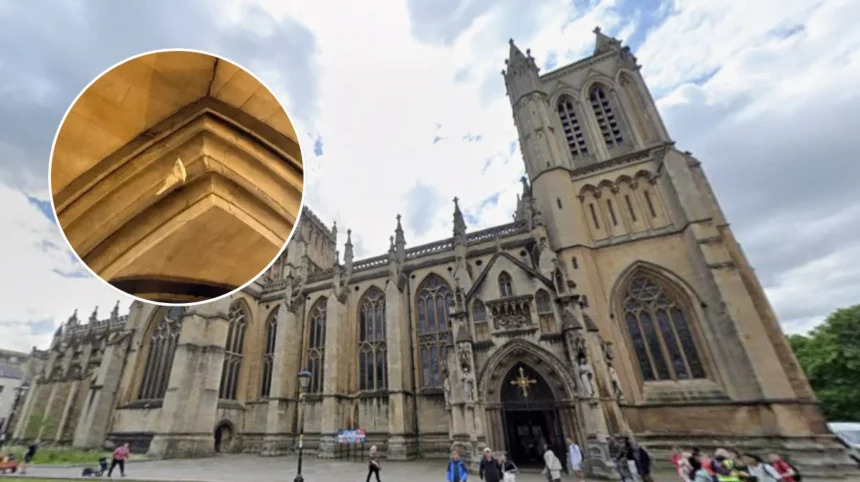
- Incident Details: An area of the south aisle of Bristol Cathedral has been cordoned off due to falling stones from the ceiling.
- Date of Closures: The area has been closed off to the public from 22 September due to fallen stones found at the site, with anticipated closures to run for several weeks.
- Safety of Individuals: It has been established by the cathedral officials that there were no people around the site during the incident, hence no injuries.
- Investigation of the Incident: Experts using a cherry picker are undertaking investigations into the source of the problem and the remedial work to be done.
- Other Activities in the Building: With the closure of only one area, the entire historic building is still fully operational and all activities will continue as planned.
Bristol (Bristol Express News) September 29, 2026 – As reported by Lucy Tegg of BBC, a portion of Bristol Cathedral will remain cordoned off for weeks after a piece of masonry fell from its ceiling. The south aisle of the historic building, which is located in the city-centre, has been closed to the public for safety reasons since 22 September after pieces of stone were discovered on the floor.
Using a cherry picker to reach the high ceiling and archways, a spokesperson from the cathedral stated that they expect the area to be closed “for a few weeks” as assessments to the damaged ceiling are carried out. Despite this localized restriction, the rest of the cathedral remains open to visitors and worshippers.
Were Any Injuries Reported Following the Masonry Fall?
Addressing public safety concerns, the cathedral administration issued a clear update regarding the incident. As reported by Lucy Tegg of BBC, a spokesperson stated,
“We can confirm no individuals were in the immediate vicinity when the masonry fell and no injuries were sustained.”
The spokesperson added that ongoing investigations will look to establish the cause and implications of the damage, as well as what remedial work is necessary to secure the affected stone arch.
Explore more Local Bristol News:
Bristol Council Faces Backlash Over Rubbish Pile-Ups in St Pauls 2026
New £4m Amtec Engineering Training Facility Opens in Filton 2026
How Are Regular Services and Activities Affected by the Damage?
Visitors and congregation members wondering about schedule disruptions can rest assured that operations continue largely as normal. As reported by Lucy Tegg of BBC, all services and activities at the site are expected to continue as normal while structural evaluations take place.
The Grade I listed Church of England building has stood as a significant place of worship and architectural heritage for around 900 years, routinely managing maintenance to preserve its historic fabric.
Background of the Particular Development
Bristol Cathedral, originally founded as the Abbey of St Augustine in the twelfth century, is a masterpiece of English Gothic architecture, particularly renowned for its unique hall church design. Being a Grade I listed structure of immense historical and architectural significance, the building requires continuous conservation efforts. Historic stone structures of this age are routinely subjected to environmental shifts, natural material settling, and structural fatigue, which can occasionally lead to localized masonry degradation. Cathedrals across the United Kingdom maintain dedicated teams of stonemasons, surveyors, and heritage experts who conduct regular fabric checks to monitor high-level architectural features, flying buttresses, ribbed vaults, and ornate ceiling arches.
This structural maintenance development is likely to prompt heightened caution and temporary visitor flow adjustments for local heritage tourists, regular churchgoers, and architectural enthusiasts visiting Bristol Cathedral over the coming weeks. While the immediate impact is restricted to the south aisle, increased visibility of scaffolding, cherry pickers, and conservation assessments may draw public interest toward the broader challenges of maintaining ancient British ecclesiastical buildings. For the local community and regular congregants, the swift, precautionary response reassures visitors of the cathedral management’s commitment to safety, ensuring that long-term structural integrity is prioritized without causing major disruptions to community worship and cultural events.