Key Points
- Omission of the Shock Kind: None of the pubs situated in Bristol made the cut on the recently published list of top 100 pubs in the country.
- Reaction from the Industry: Sam Gregory, the owner of popular pubs in Bristol, Bank Tavern and Nova Scotia, has expressed his doubts on whether the omission is indicative of the failure of the city to submit sufficient numbers of their own pubs.
- Other Nominations: Although the venues in Bristol have been left out entirely, there have been pubs situated near to the city, which included the Hop Pole in Limpley Stoke and Woolpack in Slad, which have made an appearance on the list.
- Unique Identity of the City: The industry professionals highlight the fact that Bristol is known for its independent pubs, featuring locally-sourced food and good cask ales.
Bristol (Bristol Express News) November 5, 2026 — As reported by Martin Booth of Bristol24/7, profound shock has rippled through the South West hospitality sector following the publication of the latest national rankings, which revealed that not a single pub from Bristol secured a coveted spot on the list of the UK’s top 100 pubs.
Why Did No Bristol Pubs Make the UK’s Top 100 List?
The complete absence of Bristol-based drinking establishments on the prestigious national rollout has left hospitality professionals, landlords, and patrons searching for answers. Despite the city’s fierce reputation for culinary innovation, independent breweries, and historic watering holes, judges and national ballot compilers overlooked every single candidate within the city boundaries.
The omission has highlighted potential disconnects between regional excellence and national recognition frameworks. As reported by Martin Booth of Bristol24/7, the revelation immediately prompted local publicans to evaluate how national hospitality accolades are curated, nominated, and judged.
How Have Local Publicans Responded to the Snub?
Prominent figures within the local trade have begun examining the underlying reasons for the shutout, pointing questions both at national judging criteria and local self-promotion efforts.
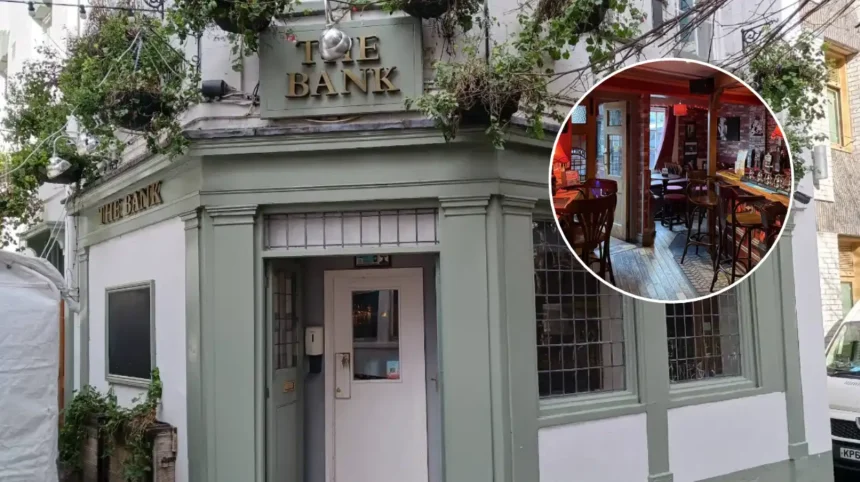
As reported by Martin Booth of Bristol24/7, Sam Gregory, landlord of several renowned Bristol pubs including the historic Bank Tavern and the Nova Scotia, voiced his perspective on the surprising results. Gregory questioned whether the city’s collective absence is ultimately “our failure as a city for not nominating enough of our own hostelries”.
Gregory further emphasized the strength of the local trade, stating as reported by Martin Booth of Bristol24/7 that:
“Bristol has a thriving independent pub scene, with a wealth of establishments combining excellent food, locally sourced produce, quality ales.”
Despite the disappointment of the clean sweep against the city, local operators have looked outward toward neighbouring regions that did manage to capture the judges’ attention. As noted by Martin Booth of Bristol24/7, industry observers pointed out that:
“Still, if these sound like the kinds of pub you’d like to visit, the Hop Pole at Limpley Stoke and the Woolpack in Slad are not too far away.”
Explore More Local Bristol News
ITV Confirms Return of Hit Crime Drama Gone Filming in Bristol 2026
Historic England Adds Grade I Listed Exchange to Risk Register Bristol 2026
Background of the Particular Development
The debate surrounding the UK’s top 100 pubs list arrives at a complex economic and cultural juncture for the British hospitality industry. In recent years, independent urban pubs have faced mounting operational pressures, including soaring energy bills, supply chain inflation, and shifting consumer spending habits. Despite these macroeconomic challenges, Bristol has consistently cultivated a proud independent drinking and dining culture, frequently celebrated for its microbreweries, historic cask ale houses, and creative food-led pubs. National lists of this scale typically rely heavily on nomination processes, industry peer reviews, and curated panel voting, meaning that high-performing establishments can occasionally slip through the net if local lobbying or formal entry submissions are underrepresented. The latest rankings have thus triggered a broader civic conversation regarding how regional food and drink hubs ensure their top-tier venues receive adequate national visibility.
How This Development Can Affect the Local Hospitality Audience
For Bristol’s pub owners, independent operators, and local hospitality patrons, this national oversight could serve as a powerful catalyst for collective mobilisation rather than a lasting setback. In the immediate term, publicans and local tourism networks are likely to increase coordinated efforts to showcase Bristol’s culinary and brewing credentials, ensuring stronger participation and nomination numbers for future industry awards. While missing out on the top 100 list may sting from a prestige standpoint, it is unlikely to dampen local consumer loyalty; Bristolians have historically prioritized independent neighbourhood locals over national accolades. However, the development places renewed pressure on venue operators to leverage digital marketing, food offerings, and peer-to-peer nominations to secure the external validation that attracts lucrative tourist traffic.