Key Points
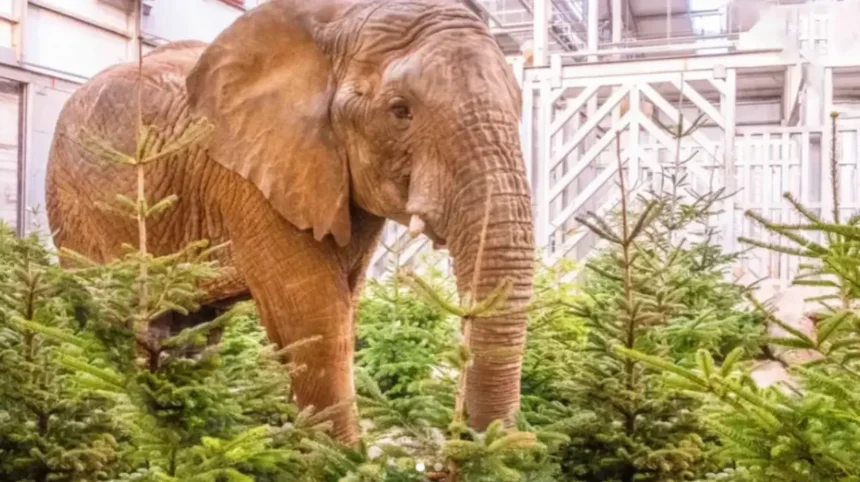
- Proposal: The Bristol Waste company leaders are contemplating adopting an innovative community recycling project where the locals would be encouraged to give their festive Christmas trees as food to the elephants at a famous local tourist destination close to Bristol.
- Background of the Idea: The ingenious idea was conceived by a city councillor who had the idea of donating her festive tree to the magnificent beasts.
- Attraction Background: The project seeks to target the animal enclosures close to Bristol, particularly those housing heavy herbivores who enjoy removing bark from branches, chewing and playing with wood.
- Impact on Environment: The green idea would help to minimize wastage in landfills during festive times and at the same time enriching the diet of the megafauna.
Bristol (Bristol Express News) November 16, 2026 — Local authorities and waste management executives are actively exploring a sustainable post-holiday scheme that would redirect discarded Christmas trees from residential living rooms to the massive residents of a major animal sanctuary situated just outside the city.
How Did the Christmas Tree Proposal for Elephants Originate?
As reported by local media channels, the unique environmental idea originated from a city councillor who put forward the proposal after deciding to donate her own household Christmas tree to the popular regional wildlife attraction. Municipal waste management teams, operating under Bristol Waste, recognized the ecological and practical potential of the suggestion, noting that pine and fir trees can serve as both a nutritional treat and a stimulating environmental toy for large herbivorous mammals. Zoo-botanical experts have long understood that large pachyderms enjoy foraging through dense conifers, as the rough texture of the bark aids in dental wear while the aromatic needles provide crucial sensory enrichment during the winter months.
Explore More Local Bristol News
Student Flat Developers Urge Bristol City Council Planning Relief Bristol 2026
Michelin-Starred Kitchen Left Ankle-Deep in Water Following Bristol Flood
What Are the Environmental and Logistical Implications for the Region?
The logistics of organizing a localized tree collection program require close coordination between municipal waste collectors and animal husbandry specialists to ensure that all donated flora are entirely free of chemical treatments, artificial snow, hooks, and lingering tinsel. Environmental coordinators emphasize that repurposing festive firs prevents thousands of tonnes of organic waste from entering local landfills immediately following the festive period. Furthermore, wildlife handlers point out that seasonal enrichment programs of this nature significantly enhance the psychological and physical well-being of captive animals by introducing novel textures, scents, and foraging challenges that mimic their natural foraging behaviors in the wild.
Background of the Particular Development
The consideration of utilizing domestic Christmas trees for captive wildlife enrichment represents a growing trend among modern European zoological facilities and municipal waste authorities aiming for circular economy solutions. Over recent decades, public interest in sustainable waste management has pushed local councils to find creative alternatives to traditional composting or incineration. Zoos and safari parks across the United Kingdom have increasingly partnered with local authorities to accept wholesome organic materials—such as un-decorated pine trees, pumpkins after Halloween, and un-sprayed garden trimmings—to maximize resource efficiency. This latest consideration in the Bristol area bridges urban municipal recycling policies with animal welfare science, reflecting a broader societal shift toward minimizing seasonal carbon footprints while directly supporting captive conservation standards.
How This Development Can Affect Residents and the Local Community
This collaborative recycling initiative is projected to foster a stronger sense of community engagement and environmental responsibility among Bristol residents. By allowing households to actively contribute to the welfare of well-known regional animals, the scheme transforms routine waste disposal into a participatory conservation effort. Residents will likely experience heightened satisfaction knowing that their holiday traditions serve a dual purpose of waste reduction and animal enrichment. Moreover, the program could pave the way for expanded municipal green-waste partnerships, encouraging local neighborhoods to adopt more conscious recycling habits while deepening public connection with regional wildlife education and ecological preservation.