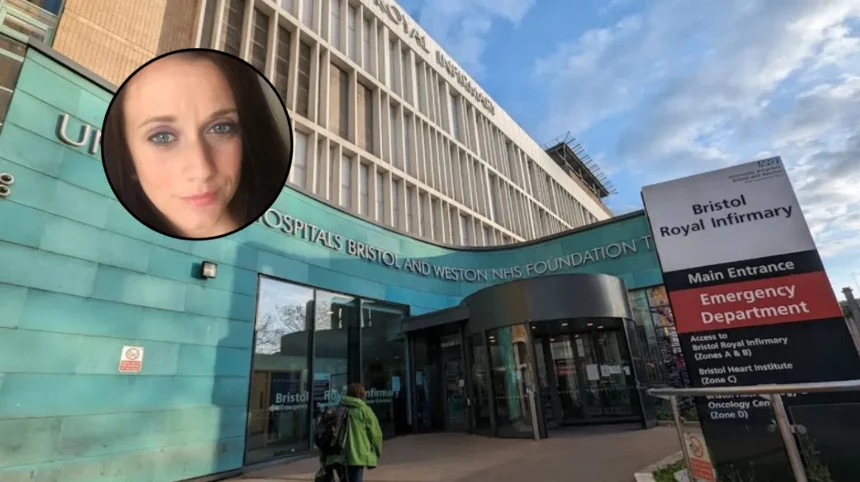
Key Points
- Leanne Williams, 41, from Bristol, was 20 weeks pregnant when diagnosed with acute lymphoblastic leukaemia (ALL) in November 2017.
- She was told she would have been “dead by Christmas” without immediate treatment, requiring termination of the pregnancy to proceed.
- Four days after diagnosis, she gave birth to her stillborn son, Theo, who was “perfectly formed”.
- Leanne underwent 11 months of chemotherapy, reaching remission in February 2018, completing treatment in October 2020.
- During treatment she developed a brain blood clot, underwent surgery, was placed in an induced coma, and told family to “say their goodbyes”.
- Her leukaemia returned in December 2022; by January 2023 all chemotherapy had failed.
- In June 2023 she received CAR-T therapy at King’s College Hospital, London, followed by full-body radiation, more chemotherapy and a stem cell transplant.
- She reached remission for a second time and is now six months post-transplant, continuing monitoring with bone marrow biopsies.
- Leanne has two teenage sons, Charlie, 16, and Archie, 13, from a previous relationship, and is with partner Ian, 39.
- She urges others to “push for things” if something feels wrong and to listen to their bodies.
Bristol (Bristol Express News) July 17, 2026 – Leanne Williams, 41, from Bristol, was 20 weeks’ pregnant when she was diagnosed with acute lymphoblastic leukaemia (ALL) – a rare type of cancer which affects the blood and bone marrow – in November 2017, according to coverage by the Bristol Post and other outlets. Just days afterwards, she was forced to make what she described as “the impossible choice” – saving her life or the baby’s – and she decided to terminate the pregnancy and gave birth to her son, Theo, who was stillborn.
- Key Points
- What happened when Leanne Williams was diagnosed with leukaemia during pregnancy?
- How did Leanne Williams’ health deteriorate during initial treatment?
- What was Leanne Williams’ experience with CAR-T therapy and stem cell transplant?
- What is Leanne Williams’ current health status and outlook?
- What advice does Leanne Williams give to others facing serious illness?
- Background of the medical situation
- Prediction: How this development can affect patients and families facing similar diagnoses
What happened when Leanne Williams was diagnosed with leukaemia during pregnancy?
As reported by journalists covering the story for the Bristol Post and Independent, Leanne reached remission in February 2018 after months of chemotherapy, but she said her leukaemia returned in December 2022, which was a “complete shock”, and by January, all treatments had failed.
Her only remaining option was a trial treatment of CAR-T therapy, which she received in June 2023 at King’s College Hospital in London, followed by further treatment including full-body radiation, chemotherapy and a stem cell transplant.
How did Leanne Williams’ health deteriorate during initial treatment?
As reported by the Independent, after reaching remission in February 2018, Leanne developed a “banging headache” in June and could not stay awake for longer than three hours a day, initially believing it was related to chemotherapy. When she could not even dress herself, she knew “something was really wrong”, leading to the discovery of a blood clot on her brain, which caused seizures.
She was then placed in an induced coma for several days, underwent surgery to remove the blood clot, and her family was told to “say their goodbyes”.
What was Leanne Williams’ experience with CAR-T therapy and stem cell transplant?
As reported by the Independent, Leanne remained at King’s College Hospital for three months for CAR-T therapy and further treatment, including full-body radiation, chemotherapy and a stem cell transplant, but her health started to deteriorate.
She developed mucositis – inflammation in the mouth – and was passing blood in her urine, losing 15kg (2stone 4lbs) in just three weeks as she could hardly eat or drink.
“I felt terrible, I couldn’t eat, I could barely talk, I couldn’t even swallow my own saliva. It was the worst experience of my life,”
What is Leanne Williams’ current health status and outlook?
As reported by the Independent and Bristol Post, despite nearly giving up and often “crying” alone in her hospital room, Leanne said, ultimately, the CAR-T therapy and stem cell transplant saved her life.
Now, having reached remission and the six-month post-transplant milestone, Leanne appreciates that she will “never” go back to normal, but she is enjoying celebrating the “little wins”.
She will continue to have bone marrow biopsies to monitor the leukaemia, but is now looking ahead to the future and is even planning a family holiday abroad for next year.
What advice does Leanne Williams give to others facing serious illness?
As reported by the Independent, speaking about her advice to others, Leanne said:
“The biggest thing that I’ve learned is, you have to push for things, you have to push if something’s not right. Listen to your body.”
She added:
“Life doesn’t go back to how it was, and it will never go back to how it was, but you get your new normal, your new routines, your new everything, and I’m really thankful for that.”
Background of the medical situation
Acute lymphoblastic leukaemia (ALL) is a rare and aggressive cancer of the blood and bone marrow that requires immediate treatment, typically intensive chemotherapy.
When diagnosed during pregnancy, particularly at 20 weeks, treatment options are severely limited because standard chemotherapy protocols can be dangerous or fatal to the fetus.
In Leanne’s case, medical professionals advised that continuing the pregnancy would likely result in the death of both mother and baby, hence the recommendation to terminate to allow life-saving treatment to begin.
CAR-T therapy, which Leanne received in 2023, is an advanced immunotherapy used for patients who have relapsed or not responded to conventional chemotherapy, involving genetically modifying a patient’s own T-cells to target cancer cells.
Stem cell transplants replace damaged blood cells with healthy ones and are often used in conjunction with CAR-T therapy to consolidate remission.
Explore More Local Bristol News
Bristol Hospitals Rank Among Costliest NHS Car Parks in 2026
Tobacco Factory market threat in Southville, Bristol 2026
Prediction: How this development can affect patients and families facing similar diagnoses
This case highlights the complex ethical and medical decisions faced by pregnant women diagnosed with aggressive cancers, and may influence how healthcare providers counsel patients in similar situations. For patients and families, understanding the availability of advanced treatments like CAR-T therapy and stem cell transplants could provide hope in cases where conventional treatments fail.
Leanne’s public account may also encourage others to seek immediate medical attention when symptoms persist, as she credited pushing for diagnosis with saving her life.
However, the emotional and physical toll of such decisions, including pregnancy termination and intensive treatment, underscores the need for robust psychological and practical support systems for families navigating these circumstances.