Key Points
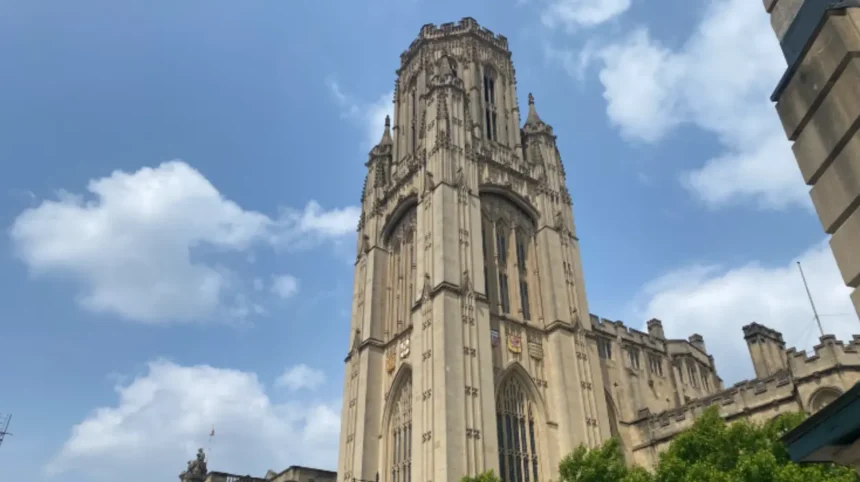
- Planning Application: New planning applications have been made to Bristol City Council regarding the hundred-year-old Wills Memorial Building situated at Queens Road.
- Scope of Development: The planned development entails the installation of new fixings for speakers used during functions held within the building.
- Possible Impact: Despite the magnitude of the building, the planned development has the potential to impact many people every year, especially students and their families during graduation functions.
- Background Information: According to Alex Seabrook of Bristol Live, the planning application is one of those included in the list of planning applications every week made across the city, including neighborhood development and conversion projects.
- Public Participation: The general public has the legal obligation to make comments regarding the planning application either in support or in opposition through the online portal of the Bristol City Council.
Bristol (Bristol Express News) October 29, 2026 – A modest yet vital upgrade is on the horizon for one of Bristol’s most recognizable architectural landmarks, with new planning documents proposing targeted modifications to the historic Wills Memorial Building. While the physical scale of the proposed changes is minimal, local authorities note that the structural addition could directly enhance the experiences of the thousands of people who walk through its doors every year for academic milestones.
What Are the Proposed Changes to the Wills Memorial Building?
According to local democracy reporter Alex Seabrook of Bristol Live, new plans recently submitted to Bristol City Council outline specific upgrades intended for the century-old landmark situated on Queens Road. The primary physical alteration involves the installation of new fixings designed specifically to support sound equipment and speakers within the building.
Although the century-old structure continues to serve its primary academic and civic purposes robustly, planning documents emphasize that this minor engineering adjustment addresses practical operational needs. As highlighted by Alex Seabrook of Bristol Live, this seemingly small upgrade carries significant operational benefits for the thousands of students, academic staff, and visiting family members who gather annually to celebrate their graduation ceremonies inside the monumental hall.
Explore more City Centre News
Cabot Circus Gaining Retail and Leisure Momentum in Bristol 2026
Bristol Road Closed As Bomb Squad Called to Assess ”Suspicious” Item
How Does This Fit Into Bristol City Council’s Planning Process?
The submission regarding the Wills Memorial Building forms part of the regular administrative cycle managed by local planning authorities. As detailed by Alex Seabrook of Bristol Live, Bristol City Council routinely receives dozens of planning applications each week, covering everything from minor architectural adjustments to major commercial and residential shifts across the region.
The local planning ecosystem allows for broad public engagement. As noted by Alex Seabrook of Bristol Live, anyone from the local community is legally permitted to submit formal comments regarding these active applications, registering either support or objection through the official planning portal hosted on the Bristol City Council website.
Administrative handling dictates that the vast majority of these routine proposals are assessed and decided upon by professional planning officers acting under delegated powers. However, applications carrying wider public interest or specific complexities may ultimately be referred directly to elected city councillors sitting on designated planning committees. At present, no definitive calendar date has been formally announced for when a final determination will be made regarding the proposed speaker fixings at the Wills Memorial Building.
Background of the Development
The Wills Memorial Building stands as a monumental landmark in Bristol’s architectural and educational landscape, heavily tied to the history and identity of the University of Bristol. Commissioned in memory of Henry Herbert Wills by his brother George Wills, construction began before the First World War, was interrupted by the conflict, and ultimately culminated in its official opening in 1925. Designed by renowned architect Sir George Oatley, the neo-Gothic skyscraper serves not only as the symbolic heart of the university but also as a vital public hub for major civic functions, cultural events, and graduation ceremonies. Over the decades, the structure has witnessed significant historical moments, including enduring structural damage during the Bristol Blitz in the Second World War before undergoing comprehensive post-war restorations. Routine updates, such as the newly proposed speaker fixings, reflect the continuous effort to balance the preservation of a century-old heritage asset with the modern technological and acoustic demands of contemporary public gatherings.
The planned upgrades to the Wills Memorial Building carry a direct, positive operational impact for students, academic faculty, and local families attending upcoming graduation ceremonies and university events in Bristol. By introducing secure and optimized fixings for modern sound systems, the development directly addresses historical acoustic challenges common in vast, high-ceilinged neo-Gothic halls. For the primary audience—graduating students and their guests—this translates to a more reliable, clear, and inclusive auditory experience during landmark life events where every name and speech must be clearly heard. Furthermore, because the planning application moves through public consultation channels, it reinforces community participation in the stewardship of Bristol’s architectural heritage, ensuring that historical landmarks remain functional and accessible for future generations without compromising their structural integrity.