Key Points
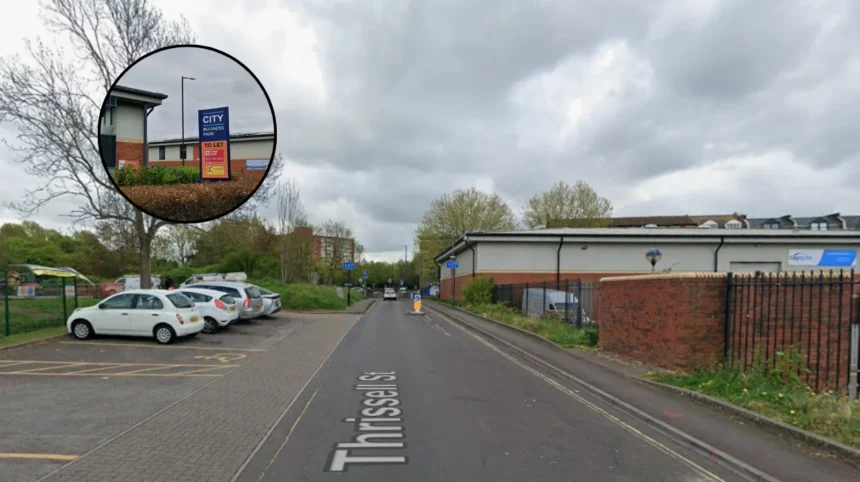
- A new recycling plant for aerospace materials has been proposed in St Judes, in an empty unit at City Business Park on Easton Road.
- The company behind the plan is Uplift360, which says it specialises in recycling high-value materials that might otherwise go to landfill.
- The proposal would involve reactor vessels and solvents to dissolve epoxy resins from carbon fibre composites.
- Planning documents say the project could support the Bristol region economy and help address carbon fibre-reinforced plastic waste from aerospace firms in Bristol and the wider South West.
- The firm is hoping to recycle 50 tonnes of carbon fibre a year.
- Bristol City Council publishes weekly lists of planning applications, and residents can view documents through the council’s planning system.
- The Bristol Post article forms part of a wider weekly round-up of notable planning applications submitted to the council.
Bristol (Bristol Express News) July 27, 2026 – Bristol’s latest planning applications include a proposal for a recycling plant aimed at aerospace parts, alongside other notable applications in the city’s weekly planning round-up.As reported by Bristol Post, the proposal is for a new cutting-edge recycling plant for aerospace materials in St Judes, with Uplift360 applying to move into an empty unit at City Business Park on Easton Road, near the Wiper and True Brewery and Taproom.
The company says the facility would pilot technology for recycling carbon fibre materials from aerospace waste. The unit would contain reactor vessels and use solvents to dissolve epoxy resins from carbon fibre composites.
The article says Uplift360 was founded five years ago and focuses on recycling high-value materials from products that would otherwise be sent to landfill. It adds that the company wants to recycle 50 tonnes of carbon fibre each year.
The planning material quoted by Bristol Post says the application matters to the Bristol region economy because much of the recycled material would be CFRP waste from companies in Bristol and the wider South West, within the UK aerospace industry.
Why does the company say it matters?
According to the planning documents quoted by Bristol Post, the development is presented as a practical answer to a regional waste problem. The documents say it would provide a solution for “many notable Bristol major companies” dealing with waste from the aerospace sector.
That framing places the proposal within Bristol’s broader industrial and environmental planning picture rather than just as a single-unit occupation.
Bristol City Council’s own planning pages explain that residents can look at planning applications, weekly lists and related documents through its online planning system. The council also publishes lists of major planning applications that are under consideration.
That context matters because this proposal sits within the routine but important process of council planning scrutiny.
What else is in the weekly round-up?
The Bristol Post piece says this week’s list of notable planning applications also included the refurbishing of a Georgian townhouse and the felling of an oak tree. However, the snippet available in search results only provides detail on the aerospace recycling plant, not the full particulars of those other applications.
On the evidence available, the article is presented as a weekly summary of several local planning items rather than a single-project report.
The council’s planning pages confirm that weekly or monthly lists of applications can be viewed online, and that older or historical files can be requested through the council if needed.
That makes it possible for local readers to follow not just headline developments but the wider pattern of applications coming through the system.
How did this story emerge?
The development appears in Bristol Post’s regular planning coverage, which highlights notable applications submitted to Bristol City Council over the previous seven days.
The article is written in the format of a weekly round-up, aiming to show what kinds of changes may be coming to different parts of the city.
Bristol City Council’s public planning search tools underpin that coverage by allowing applications and documents to be checked online.
This type of reporting is common in local journalism because planning applications can signal changes in land use, jobs, business activity and neighbourhood character.
In this case, the proposed recycling plant is notable because it links a local industrial unit to a specialist materials-recovery process for the aerospace sector.
Explore More Local Bristol News
Post-War Marshfield Homes Replaced With Social Rent Houses 2026
Bristol landlords face higher fines for harassment, evictions 2026
Background of the development
The background to this proposal is Bristol’s steady stream of planning applications, which the council publishes so residents can inspect new submissions, weekly lists and major cases.
Uplift360’s plan fits into that system as a commercial and industrial proposal focused on materials recycling, particularly carbon fibre waste connected to aerospace manufacturing.
The company’s stated aim of processing 50 tonnes a year suggests a relatively targeted operation rather than a large general waste facility.
The planning documents quoted by Bristol Post also place the scheme in a regional industrial context, saying it would help address waste from Bristol and the wider South West.
That means the application is not only about a single building on Easton Road, but also about how local industry manages specialist waste streams.
Bristol City Council’s planning pages show that such proposals are routinely available for public viewing and tracking, which is the mechanism through which developments like this move toward a decision.
Prediction: What could it mean for the audience?
For local readers, especially people in St Judes and Easton, the application could matter because it may affect how an empty business unit is used and what kind of activity takes place in the area.
For businesses in Bristol’s aerospace supply chain, the proposal could be relevant because it offers a local route for handling carbon fibre waste. For residents who follow planning news, the case shows how smaller industrial proposals can carry wider economic and environmental significance.