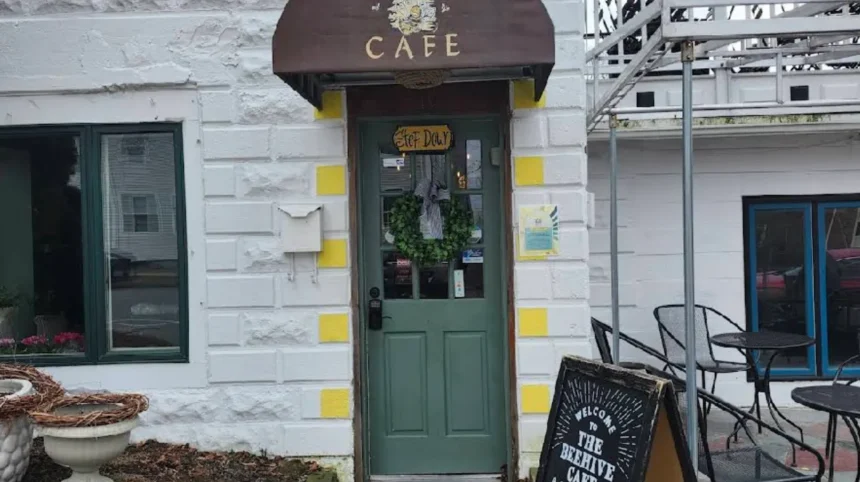
The Beehive Cafe Bristol is a premier community culinary hub located in the historic waterfront district of Bristol, Rhode Island, that serves scratch-made breakfast, lunch, and artisan baked goods. The establishment functions as a critical economic and social anchor within Bristol County.
- What Is the History and Ownership Evolution of the Beehive Cafe Bristol?
- What Design and Layout Components Define the Dining Experience?
- What Are the Core Structural Components of the Menu Architecture?
- What Specific Culinary Processes Govern Food Production?
- What Are the Signature Breakfast and Lunch Offerings?
- What Specific Data and Operational Statistics Define the Business?
- What Are the Community and Economic Impacts on the Bristol Region?
- FAQs About Beehive Cafe Bristol
- What are the most recommended breakfast items at the Beehive Cafe Bristol?
- Does the Beehive Cafe Bristol offer outdoor seating options?
- Are there vegan and gluten-free options available on the menu?
- How busy does the Beehive Cafe Bristol get on weekends?
- What is the parking situation like near the cafe in downtown Bristol?
The coastal town of Bristol, Rhode Island, maintains a distinct economic identity rooted in maritime history and historic preservation. Within this geographic context, hospitality establishments serve a dual purpose as community gathering infrastructure and drivers of local tourism. The Beehive Cafe Bristol represents a foundational component of this local commercial ecosystem. Established at 10 Franklin Street, the venue occupies a specialized niche that bridges the gap between high-volume commercial foodservice and artisan food production.
Understanding the operational structure, historical trajectory, and menu architecture of this establishment provides specific insight into New England culinary traditions. The location integrates regional agricultural sourcing with historic architectural spaces. This integration satisfies modern consumer demands for supply chain transparency and authentic localized dining experiences.
The business model utilizes a multi-tiered hospitality framework. It combines a rapid-service downstairs ordering system with a multi-level dining environment. The physical layout includes an indoor dining room, a street-level front patio, and a second-story open-air balcony. This architectural layout maximizes seating density in a compact footprint.
What Is the History and Ownership Evolution of the Beehive Cafe Bristol?
The Beehive Cafe Bristol was established in July 2007 by founder Jen Cavallaro to provide specialty coffee and pastries. The business underwent major infrastructure expansions in 2014 and transitioned to ownership by the Scott family in October 2021.
The historical trajectory of the enterprise reflects the broader growth trends observed in the New England independent culinary sector over the past two decades. In July 2007, Jen Cavallaro opened the establishment to address a market vacancy for specialty coffee and scratch-made baked products in downtown Bristol. The initial consumer response required a rapid expansion of food production capabilities. The kitchen infrastructure underwent a total structural renovation in 2014 to transition from basic pastry assembly to full-scale hot food production. This expansion coincided with the launch of a dedicated baking facility called The Beehive Pantry on Gooding Avenue.
The operational strain of the 2020 global health crisis tested the resilience of the enterprise. Head cook Steve Wallace and front-of-house manager Caitlin O’Connell maintained food output during periods of strict regulatory restrictions. In October 2021, ownership officially transitioned to Emily Scott and her parents, Sherry and John Scott. Emily Scott brought precise operational continuity to the business due to her education in Hospitality Management from Johnson & Wales University and her employment at the cafe that began at age 14. The transition preserved the core recipes while modernizing the back-end administrative frameworks.
What Design and Layout Components Define the Dining Experience?
The physical layout utilizes a two-story historic building structure designed to separate consumer ordering queues from the consumption spaces. The venue incorporates localized table markers, an open-air front patio, and an elevated second-floor outdoor viewing deck.
The spatial dynamics of 10 Franklin Street rely on specific architectural zoning principles to manage customer traffic. Upon entering the ground floor, patrons encounter an ordering station and a display case containing artisan baked goods. The facility manages table service coordination through the distribution of distinct animal figurines. These figurines serve as physical location markers for the service staff. The interior design preserves historic New England architectural elements while incorporating modern commercial foodservice equipment.
Vertical integration of the dining spaces maximizes the total usable square footage of the historic property. The second floor features an enclosed dining room alongside a small outdoor balcony deck. This elevated space provides direct views of the surrounding historic waterfront district. The exterior street-level space features an outdoor front patio utilized heavily during the peak tourism months of June, July, and August. Patrons manage their own table clearance by depositing used dinnerware into designated utility stations. This bus-it-yourself operational policy reduces table turnover times during high-volume periods.
What Are the Core Structural Components of the Menu Architecture?
The menu architecture relies on scratch-made bread formulations, regional breakfast proteins, and seasonal vegetables sourced through local agricultural networks. The selection includes standard American breakfast items alongside specialized plant-based and gluten-free dietary options.
The operational philosophy emphasizes scratch cooking techniques across all operational segments. The kitchen utilizes house-made potato buns, thick-cut sourdough toast, white bread, and custom flaxseed bread as the structural base for its sandwich offerings. This dedication to scratch baking requires continuous production schedules managed by specialized bakers. The beverage program is built around a regional partnership with New Harvest Coffee Roasters. This partnership provides a stable supply of traceable, specialty-grade coffee beans for the espresso and drip coffee selections.
Nutritional inclusivity represents a deliberate design element of the menu framework. The kitchen prepares gluten-free buttermilk pancakes and gluten-free lemon ricotta pancakes utilizing an artisan hand-blended gluten-free flour mixture. The breakfast protein items rely heavily on regional ingredients, such as sharp Vermont cheddar cheese and authentic pure Vermont maple syrup. Culinary items incorporate diverse flavor profiles, ranging from traditional smoked pork belly bacon to house-made fruit chutneys and seasoned chickpea mixtures.
What Specific Culinary Processes Govern Food Production?
Food production follows strict scratch-kitchen protocols that dictate daily bread baking, precise egg cooking controls, and house-made dressing emulsifications. The culinary staff utilizes standardized recipes to ensure flavor uniformity across hundreds of daily covers.
The daily operational lifecycle begins in the early morning hours with the preparation of dough mixtures. Bakers execute precise hydration and fermentation steps to produce the signature flaxseed and white breads. The sandwich assembly line operates under strict portion control measures. For example, the standard egg sandwich requires exactly two eggs cooked to a precise density, paired with melted Vermont cheddar cheese, fresh tomato slices, and fresh arugula.
Savory lunch items require multi-stage assembly procedures. The butternut squash sandwich requires roasting raw squash with specific oil and seasoning ratios, caramelizing sliced onions to release natural sugars, and applying a house-made nut-free basil pesto spread. Salad preparations involve precise green-to-ingredient ratios. The kitchen staff coats mixed greens uniformly using an exact measure of house-made balsamic vinaigrette or champagne vinaigrette before adding secondary ingredients such as English cucumbers, cherry tomatoes, and nutty farro grains.
What Are the Signature Breakfast and Lunch Offerings?
The signature items consist of the customized egg sandwich, the butternut cornbread hash, the butternut squash sandwich, and the cured smoked salmon BLT. These items rank highest in consumer volume and represent the culinary identity of the brand.
Culinary evaluations verify that specific menu formulations drive the reputation of the restaurant. The breakfast category features the classic egg sandwich served on a house potato bun, alongside the breakfast burrito, which contains scrambled eggs, roasted potatoes, crema, black beans, pico de gallo, and Vermont cheddar cheese inside a grilled flour tortilla. The butternut cornbread hash combines house-made crumbled cornbread, sweet roasted butternut squash, tomatoes, and baby spinach, topped with two eggs and sharp cheese.
The lunchtime menu contains innovative interpretations of classic sandwich builds. The butternut squash sandwich serves as a top-selling vegetarian entree that features roasted squash, caramelized onions, spinach, tomato, and cheese on grilled flaxseed bread. Protein-focused choices include the chicken sandwich, which features a grilled chicken breast, house-made fruit chutney, thick smoked bacon, and sharp cheese on a potato bun. The cured and smoked salmon BLT incorporates premium cured salmon lox, red onion, smoked bacon, fresh arugula, tomato, and rich herbed cream cheese on toasted flaxseed bread.
What Specific Data and Operational Statistics Define the Business?
The enterprise operates seven days a week starting at 7:00 AM, processing 300 to 400 complete meals daily during peak operational windows. The business maintains a high customer satisfaction rating based on hundreds of verified public reviews.
An analysis of commercial metrics highlights the operational scale of this compact culinary facility. The establishment manages high consumer volume within a constrained kitchen footprint. On peak weekend mornings, the line cooks consistently execute between 300 and 400 distinct meals per shift. This high output requires exceptional kitchen organization and rapid ingredient prep cycles.
The business maintains distinct operational hours throughout the week to maximize revenue across breakfast, lunch, and dinner periods. Operating hours run from 7:00 AM to 4:00 PM on Mondays, Tuesdays, Wednesdays, and Sundays. The schedule extends from 7:00 AM to 8:00 PM on Thursdays, Fridays, and Saturdays to accommodate evening diners. Quantitative analysis of customer feedback across aggregators like TripAdvisor reveals a consistent score distribution centered around excellent service and product freshness.
What Are the Community and Economic Impacts on the Bristol Region?
The cafe serves as a critical driver of downtown foot traffic, an employer for local hospitality professionals, and an economic consumer of regional agricultural products. The business reinforces the destination branding of the historic waterfront.
The economic impact of the business extends beyond simple retail food transactions. By attracting a consistent volume of visitors to 10 Franklin Street, the business generates secondary foot traffic for adjacent retail boutiques, historical museums, and waterfront parks. The operational reliance on regional supply networks ensures that a measurable portion of restaurant revenue flows directly back to local agricultural producers and specialty coffee roasters.
The establishment functions as a social stabilizer within the local municipality. It provides reliable employment opportunities for culinary graduates and hospitality professionals within Rhode Island. The preservation of an independent, scratch-kitchen business model assists the town of Bristol in resisting commercial homogenization. This resistance maintains the authentic New England charm required to sustain long-term historical tourism initiatives along the Narragansett Bay coastline.
FAQs About Beehive Cafe Bristol
What are the most recommended breakfast items at the Beehive Cafe Bristol?
Users frequently recommend the custom egg sandwich served on a house-made potato bun and the unique butternut cornbread hash. The lemon ricotta pancakes also receive significant praise for their texture and flavor. These items are consistently highlighted on forums for their scratch-made quality and regional ingredients.
Does the Beehive Cafe Bristol offer outdoor seating options?
Yes, the establishment features two distinct outdoor dining areas for its guests. Patrons can choose between a street-level front patio and an elevated second-story balcony deck. Both spaces are highly popular during the summer months because they provide excellent views of the historic waterfront district.
Are there vegan and gluten-free options available on the menu?
The cafe accommodates various dietary restrictions by offering specialized plant-based and gluten-free menu items. They prepare gluten-free buttermilk and lemon ricotta pancakes using a custom hand-blended flour mixture. Additionally, vegetarian choices like the butternut squash sandwich can often be modified to suit specific dietary preferences.
How busy does the Beehive Cafe Bristol get on weekends?
The venue experiences high consumer volume on Saturday and Sunday mornings, often processing between 300 and 400 meals per shift. Visitors on platforms like Reddit suggest arriving early to avoid long ordering queues at the ground-floor counter. Despite the crowds, the multi-level seating layout helps manage the traffic flow efficiently.
What is the parking situation like near the cafe in downtown Bristol?
Street parking is available along Franklin Street and the surrounding blocks of the historic waterfront district. Because the downtown area is highly walkable, visitors often park a short distance away near the local parks or boutiques. During peak tourism season, finding a spot directly in front of the building requires extra time.