Key Points:
- High Prevalence: Test purchasing commissioned by JTI UK revealed that 34% (one in three) of independent retailers tested in Bristol East were selling illegal tobacco.
- Covert Tactics: Seven retailers directed undercover operatives off-site to obtain illicit stock, utilizing parked cars and a neighbouring flat to store products.
- Repeat Offenders: Three of the stores caught in the latest operation had previously been identified selling illegal tobacco in earlier test-purchasing rounds.
- Price Variance: Purchased items included counterfeit and non-UK duty-paid stock, with prices ranging from £4.50 for Platinum Tobacco to between £5 and £23 for Amber Leaf 50g packs.
- Call for Action: Industry representatives and law enforcement experts are urging authorities to introduce harsher penalties and stronger enforcement mechanisms to counter evolving criminal strategies.
Bristol (Bristol Express News) August 27, 2026 – A recent undercover test-purchasing operation commissioned by tobacco manufacturer JTI UK has revealed that over a third of independent retail premises in Bristol East are engaging in the sale of illegal tobacco. The investigation monitored local businesses and recorded a 34% non-compliance rate among the retailers visited. Beyond the immediate availability of illicit goods over the counter, the test-purchasing exercise highlighted sophisticated concealment methods, including the redirection of undercover buyers to off-site locations such as vehicles parked nearby and adjacent residential flats. Several of the premises identified during this intelligence-gathering effort were repeat offenders that had been flagged during previous compliance checks in the region.
What tactics were used by Bristol retailers to sell illegal tobacco?
The investigation revealed notable changes in how illicit stock is handled at the retail level. As highlighted by JTI UK, seven of the non-compliant stores did not store the illegal products on the main shop floor or behind the counter. Instead, store personnel instructed undercover officers to wait while items were retrieved from off-site locations.
In two separate instances, retail staff retrieved illicit tobacco products from motor vehicles parked directly outside the business premises. In another case, an undercover buyer was supplied with tobacco fetched from a neighbouring residential apartment.
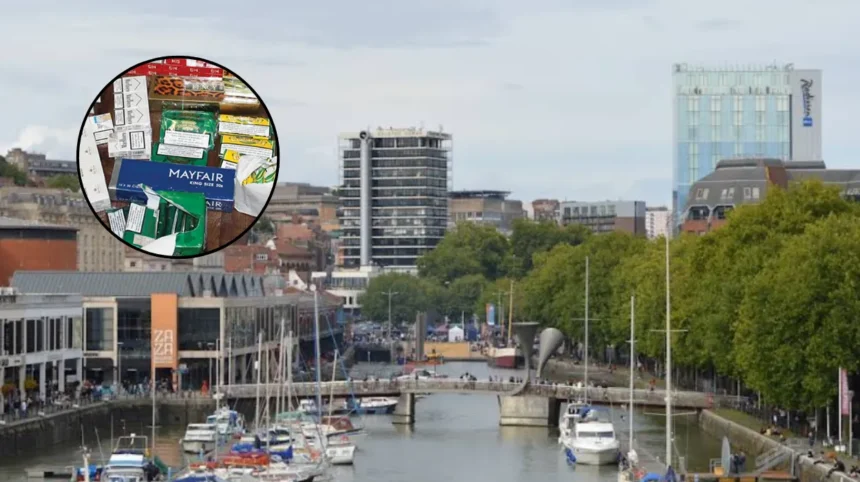
The test purchasing also mapped the range and pricing structure of illicit goods accessible to the public. Among the items acquired during the sweep were 50g pouches of Amber Leaf, which varied significantly in price depending on the product’s origin. Counterfeit Amber Leaf pouches were sold for as low as £5, whereas non-UK duty-paid (smuggled) versions of the same brand were priced up to £23. Additional items secured during the operation included Platinum Tobacco priced at £4.50 per unit and illicit packs of Marlboro cigarettes.
Why are industry leaders and law enforcement calling for tougher penalties?
The findings have prompted calls from industry representatives and former law enforcement officers for stricter regulatory measures and stronger judicial consequences for non-compliant store owners.
JTI UK Communications Manager Dale Stacey stated that current enforcement efforts must be intensified to address the systemic nature of the illicit trade. He stated that “otherwise, illegal tobacco will continue to undermine honest businesses in Bristol and fuel organised crime in the community,” adding that the company is “urgently calling for stronger penalties and more effective enforcement mechanisms to ensure these repeat offenders are held accountable.”
David Johnston, a former detective and senior officer with the Metropolitan Police Service who analysed the test-purchasing outcomes, stated that the findings indicate a clear “shift” in criminal tactics when compared to similar operations conducted in other geographic regions. He noted that retailers are increasingly keeping illegal stock away from their primary business premises in order to remain “more agile” and minimize risk during potential visits by Trading Standards or police officers. Furthermore, he observed that illicit traders are increasingly offering illicit products at higher price points to maximize profit margins while attempting to evade detection.
What is the background to the illegal tobacco market in the UK?
The trade in illegal tobacco—encompassing counterfeit goods, non-UK duty-paid products, and bootlegged cigarettes—remains a persistent issue across the United Kingdom. Local Trading Standards teams, HM Revenue & Customs (HMRC), and regional police forces regularly conduct raids and compliance checks to disrupt illicit supply chains.
Illicit tobacco generally enters the supply chain through two primary routes: criminal counterfeiting operations that produce fake branded packaging containing unregulated tobacco, and large-scale smuggling operations that import legitimate overseas products into the UK without paying domestic duties and taxes. Because UK tobacco duties are among the highest in Europe, the price differential between legally taxed retail products and illicit alternatives creates a profitable black market for organised criminal networks.
To combat this, public health authorities and trade organizations frequently utilize undercover test-purchasing operations. These exercises gather field intelligence on retail compliance, map local distribution hubs, and provide evidence to local councils and enforcement agencies to support license revocations, civil enforcement actions, and criminal prosecutions.
Explore More Local Bristol News
Hot Air Balloon Pilot Sets Guinness World Record in Bristol 2026
Bristol Tower Block Residents Confine Children Amid Severe Rat Infestation 2026
How will this development affect legitimate retailers and the local community?
The continued prevalence of illicit tobacco operations in Bristol East has direct implications for several key stakeholders within the local economy and community:
Independent Law-Abiding Retailers
Legitimate shopkeepers operating within the same target areas face severe commercial disadvantage. Compliant retailers who sell legally taxed, duty-paid tobacco products at standard retail prices are under-cut by nearby stores selling counterfeit or smuggled goods at fractionally lower prices. This loss of footfall reduces overall store revenues, impacting the financial viability of honest small businesses.
Local Law Enforcement and Trading Standards
The operational shift toward off-site storage—such as utilizing parked vehicles and private residences—presents a higher technical barrier for local enforcement agencies. Officers conducting routine shop inspections may no longer find illicit goods on the premises, requiring Trading Standards and police to secure broader search warrants, dedicate additional surveillance resources, and adjust traditional inspection protocols to catch repeat offenders.
The Wider Community
The persistence of illicit trade channels impacts public safety and local council revenue. The profits generated from non-taxed and counterfeit tobacco sales frequently flow back into broader organised crime networks. Furthermore, the availability of severely discounted counterfeit tobacco circumvents established price-barrier controls intended to regulate tobacco consumption, making such products significantly more accessible within local neighbourhoods.