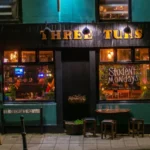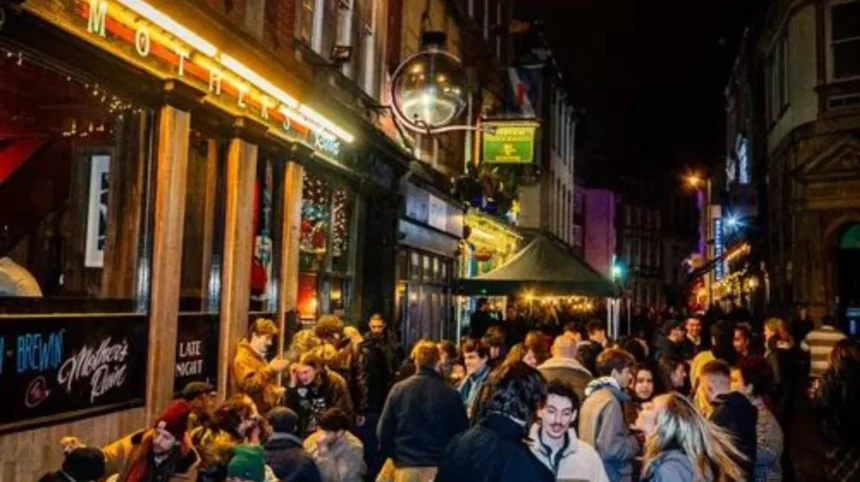
Bristol has a diverse nightlife economy spread across historic central streets, waterfront districts, independent cultural quarters and established neighbourhood centres. The city combines pubs, cocktail bars, live-music venues, nightclubs, comedy, theatre, LGBTQ+ venues, craft beer locations and late-night entertainment.
- Which are the best nightlife areas in Bristol?
- Where should visitors go for central Bristol nightlife?
- What makes Stokes Croft and Gloucester Road important nightlife areas?
- Is Harbourside good for Bristol nightlife?
- Which Bristol nightlife areas are best for live music and clubs?
- Which Bristol nightlife areas are suitable for pubs, craft beer and relaxed evenings?
- Which Bristol nightlife areas have LGBTQ+ venues and inclusive evening entertainment?
- How does Bristol’s night-time economy affect where visitors should go?
- What should visitors know before exploring Bristol nightlife?
Bristol City Council describes the city as a 24-hour city, with hospitality contributing to the visitor economy and wider economy. Its planning policy identifies the city centre, town centres, district centres and local centres as important locations for evening and night-time uses.
For visitors, the main nightlife areas include Old City, Harbourside, King Street, Stokes Croft, Gloucester Road, Clifton, Old Market, Park Street, Clifton Triangle and North Street in Bedminster. Each area has a different concentration of venues and entertainment types.
Which are the best nightlife areas in Bristol?
Bristol’s main nightlife areas include Old City, Harbourside, King Street, Stokes Croft, Gloucester Road, Clifton, Old Market, Park Street, Clifton Triangle and North Street in Bedminster. Each area combines different bars, pubs, clubs, music venues, restaurants and evening entertainment options.
The term nightlife area describes a district where several evening businesses and entertainment venues operate within walking distance. Bristol’s nightlife is not concentrated in one single entertainment quarter. It is distributed across interconnected central and neighbourhood districts.
Old City provides historic streets, cocktail bars, restaurants and late-evening entertainment. King Street is associated with historic pubs, craft beer and live music. Harbourside combines waterfront dining and drinking with major cultural attractions.
Stokes Croft and Gloucester Road form one of Bristol’s strongest independent nightlife corridors. VisitBristol identifies Stokes Croft as a cultural quarter with pubs, clubs, live music and changing street art. Gloucester Road extends north through Redland, St Andrews, Bishopston and Horfield.
Old Market has live music, clubs, theatre, pubs and LGBTQ+ venues. VisitBristol also identifies it as a nightlife area with a Purple Flag award for safe and diverse nightlife.
Clifton and Clifton Triangle provide bars, restaurants and student-oriented nightlife. North Street in Bedminster provides another established evening corridor south of the city centre.
The result is a nightlife network rather than one central strip. Visitors can choose an area according to the type of evening they want.
Where should visitors go for central Bristol nightlife?
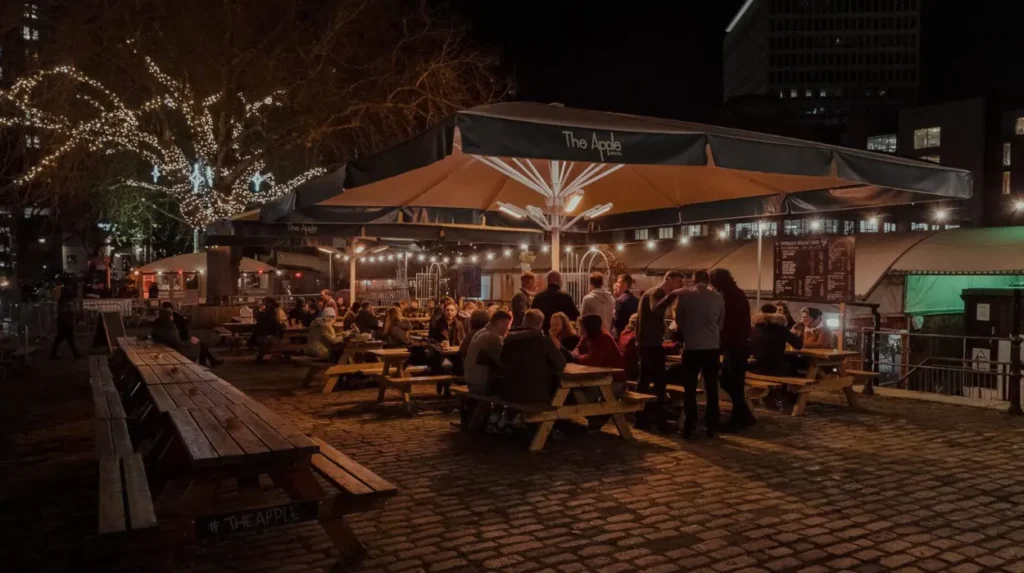
Central Bristol provides the largest concentration of easily accessible nightlife, with Old City, King Street, Harbourside, Corn Street, Park Street and nearby streets combining cocktail bars, pubs, restaurants, clubs, theatres, live music and activity-based evening entertainment.
Central Bristol is the most practical starting point for visitors staying near the city centre. Several nightlife districts sit within walking distance of each other.
Old City
Old City forms the historic core of Bristol. Bristol City Council identifies the district as being between the Broadmead retail area and Harbourside and the West End. Corn Street, St Nicholas Market and surrounding historic streets form important parts of the area.
The area has a strong cocktail-bar presence. VisitBristol lists venues such as The Milk Thistle, Gold Bar and Brozen Bar among its nightlife options. Restaurants, beer venues and immersive entertainment also operate around Corn Street and the surrounding streets.
King Street
King Street is one of the city’s established pub and drinking areas. VisitBristol specifically identifies the cobbled street for craft beer pubs, historic inns and a jazz pub. Its central position makes it suitable for combining drinks with nearby theatre, restaurants and other evening activities.
Corn Street
Corn Street sits within the Old City and has a dense hospitality offer. The surrounding streets contain restaurants, cocktail bars and entertainment venues.
Park Street and Queens Road
Park Street connects central Bristol with Clifton. VisitBristol describes it as a Georgian street with independent shops, restaurants, cafés and bars. The area also connects directly with Clifton Triangle, an important student nightlife location.
Central Bristol therefore works well for visitors who want several entertainment options without relying on long journeys between neighbourhoods.
What makes Stokes Croft and Gloucester Road important nightlife areas?
Stokes Croft and Gloucester Road form a major independent nightlife corridor north of Bristol city centre, combining pubs, clubs, live music venues, cafés, restaurants, street art and independent businesses across Stokes Croft, Montpelier, Redland, St Andrews, Bishopston and Horfield.
Stokes Croft is closely associated with Bristol’s independent cultural scene. VisitBristol describes it as a cultural quarter containing pubs, clubs, food businesses, artist studios and changing street art.
The district also has established music venues. VisitBristol identifies Lakota, The Croft, The Full Moon and The Canteen as venues connected with music and nightlife around Stokes Croft.
The area is particularly significant for visitors interested in alternative music and independent venues. Its nightlife differs from the more conventional concentration of bars in the central commercial area.
Gloucester Road extends north from Stokes Croft. VisitBristol describes it as one of Europe’s longest streets of independent shops, with businesses extending through several neighbourhoods. The wider corridor includes restaurants, cafés, bars and pubs.
Montpelier
Montpelier sits close to Stokes Croft and Gloucester Road. The neighbourhood has independent cafés, businesses, murals and evening venues.
Redland and Cotham
Redland and Cotham provide a quieter neighbourhood environment while still containing restaurants and bars. VisitBristol identifies Chandos Road and Cotham Hill as established dining and drinking locations.
This makes the wider Gloucester Road corridor useful for visitors who want to move between central nightlife and neighbourhood venues.
Is Harbourside good for Bristol nightlife?
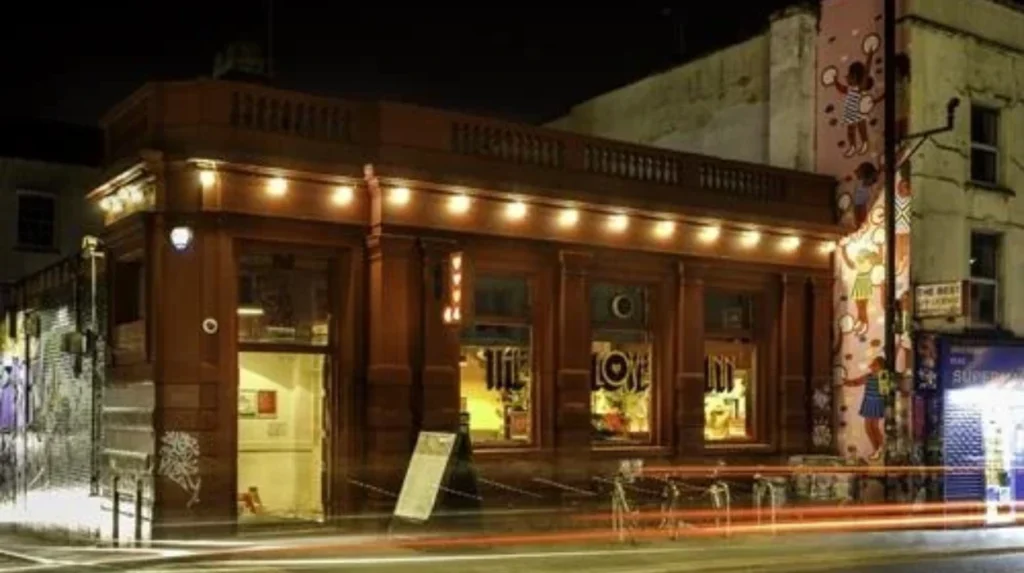
Harbourside is one of Bristol’s main evening destinations, combining waterfront restaurants, bars, cultural attractions, outdoor spaces and entertainment around the Floating Harbour. Its location connects nightlife with attractions including M Shed, Bristol Aquarium, Arnolfini and SS Great Britain.
Harbourside has a distinctive relationship with Bristol’s maritime history. The area developed from a working dock used by sailors and merchants and is now a mixed leisure district. VisitBristol identifies restaurants, bars, shops and hotels around the waterfront.
The Floating Harbour provides the physical centre of the district. Visitors can walk along the water between hospitality businesses and cultural attractions.
Evening dining
Harbourside supports restaurants and waterfront drinking venues. Its hospitality offer makes it suitable for visitors who want dinner before continuing into Bristol’s central nightlife areas.
Cultural entertainment
The district contains several major cultural attractions. VisitBristol lists SS Great Britain, We The Curious, Bristol Aquarium, Arnolfini, Spike Island, Watershed, Underfall Yard and M Shed around the wider Harbourside area.
Some attractions operate mainly during daytime or early evening hours, while nearby restaurants and bars provide later entertainment.
Harbourside therefore works particularly well as part of a longer evening itinerary. A visitor can begin with sightseeing or culture, continue with dinner and finish with drinks elsewhere in central Bristol.
Which Bristol nightlife areas are best for live music and clubs?
Stokes Croft, Old Market, central Bristol, Clifton Triangle and nearby districts contain established clubs and live-music venues. Their programmes include DJ nights, live bands, comedy, theatre, club events, alternative parties and seasonal outdoor events across different Bristol venues.
Bristol’s nightlife extends beyond conventional bars and clubs. VisitBristol identifies large clubs, underground live gigs, comedy shows, LGBTQ+ nightlife, activity bars and theatre as parts of the city’s wider evening offer.
Old Market
Old Market has a strong live-music and performance identity. Trinity Centre hosts live music, club nights and community events. Nearby venues include Lost Horizon, Document and The Jam Jar. The Wardrobe Theatre also provides theatre, comedy and cabaret.
The area has particular importance within Bristol’s music history. VisitBristol describes Trinity Centre as the birthplace of the Bristol Sound, a term associated with the city’s distinctive music culture.
Stokes Croft
Stokes Croft provides another major live-music and club cluster. Lakota is one of its best-known nightlife venues, while other nearby venues host live music and DJ events.
Central Bristol
Central Bristol includes venues such as Bristol Beacon, which hosts live music and comedy, alongside Bristol Hippodrome for major theatre productions. Smaller venues add comedy, magic and other forms of evening entertainment.
Clifton Triangle
Clifton Triangle is closely associated with student nightlife. VisitBristol identifies Park Street and Clifton Triangle as areas with lively bars and late-night clubs.
Bristol’s club scene therefore operates across multiple districts rather than a single dedicated club quarter.
Which Bristol nightlife areas are suitable for pubs, craft beer and relaxed evenings?
King Street, Old City, Gloucester Road, Stokes Croft, Clifton and Bedminster provide established choices for relaxed evenings, including historic pubs, craft beer venues, independent bars, gastropubs, cocktail bars and neighbourhood drinking spots across central and southern Bristol.
Pub culture remains an important part of Bristol’s evening economy. The city combines traditional pubs with modern beer bars, cocktail venues, taprooms and food-led establishments.
King Street and Old City
King Street provides historic pubs and craft beer venues. Its central location makes it convenient for visitors staying around Bristol city centre.
Old City adds cocktail bars and restaurants. St Nicholas Market also contributes to the district’s food identity, although its regular market activity is not primarily a late-night attraction. The market has traded since 1743.
Gloucester Road
Gloucester Road contains independent restaurants, cafés, bars and pubs extending through several neighbourhoods. The long linear layout makes it different from compact central nightlife districts.
Clifton and Cotham
Clifton, Cotham and Redland provide a combination of restaurants and bars within established residential neighbourhoods. Chandos Road and Cotham Hill are two recognised hospitality streets.
Bedminster
North Street in Bedminster is another nightlife corridor. VisitBristol specifically recommends the area for bar hopping and identifies Bedminster and Southville as major southern Bristol districts for shops and restaurants.
These areas provide alternatives to the busiest central nightlife locations.
Which Bristol nightlife areas have LGBTQ+ venues and inclusive evening entertainment?
Old Market has a particularly established LGBTQ+ nightlife identity, while central Bristol and other districts also contain LGBTQ+-friendly venues and diverse evening entertainment. Bristol’s wider nightlife economy includes dedicated venues, mixed bars, live music, theatre and cultural events.
Old Market is particularly important within Bristol’s LGBTQ+ nightlife landscape. VisitBristol describes the district as having strong connections with the LGBTQ+ community and identifies it as a welcoming gay village.
The area includes venues such as Bristol Bear Bar, The Old Castle Green, The Old Market Assembly and The Old Market Tavern, according to VisitBristol.
The district’s wider nightlife offer also includes music, theatre, cabaret and traditional pubs. This creates a mixed evening economy rather than a single venue type.
Bristol’s diversity also contributes to its broad cultural nightlife. Bristol City Council states that the city’s residents have links to 187 countries, speak 91 languages and practise at least 45 religions, based on council information. The 2021 Census recorded 18.8% of Bristol residents as born outside the UK.
These demographic facts provide context for the city’s varied hospitality and cultural environment without defining individual nightlife preferences.
Visitors should check individual venue policies, event listings, accessibility information and opening times before travelling.
Explore More Area Guide
Best Late-Night Bars in Bristol: City Centre & Harbourside
Best Date-Night Bars in Bristol: Cocktails, Harbourside & Clifton
How does Bristol’s night-time economy affect where visitors should go?
Bristol’s night-time economy operates across city-centre streets, established neighbourhood centres and cultural districts. Visitors should select an area based on venue type, location, transport connections, event schedules, dining plans and the distance between their accommodation and evening activities.
Bristol City Council formally recognises the economic and cultural importance of evening and night-time activity. Its Local Plan states that Bristol’s hospitality sector contributes to quality of life, the visitor economy and the wider economy.
The council’s current licensing policy covers the period 2025 to 2030. The policy operates under the Licensing Act 2003 and includes provisions concerning night-time safety and other licensing matters.
The city also operates Bristol Nights, a citywide partnership led by Bristol City Council. Its focus includes better jobs, safer spaces and wellbeing support for people working in the night-time economy. The programme covers businesses operating between 6pm and 6am.
Choosing an area by nightlife type
Visitors seeking cocktail bars have strong options around Old City and Corn Street.
Visitors seeking craft beer and historic pubs can consider King Street.
Visitors seeking alternative clubs and live music can explore Stokes Croft.
Visitors seeking longer neighbourhood bar routes can explore Gloucester Road.
Visitors seeking LGBTQ+ nightlife can consider Old Market.
Visitors seeking waterfront dining and drinks can choose Harbourside.
Visitors seeking student-oriented nightlife can explore Park Street and Clifton Triangle.
Visitors seeking southern Bristol bars and restaurants can consider North Street in Bedminster.
This distribution gives Bristol a flexible nightlife structure. Visitors do not need to remain in one district for an entire evening.
What should visitors know before exploring Bristol nightlife?
Visitors should check current venue opening times, ticket requirements, event schedules, transport services and licensing restrictions before going out. Bristol nightlife changes by day and venue, while different districts provide different combinations of pubs, restaurants, clubs, music and cultural entertainment.
Opening hours differ between venues. Event nights also change the character of individual districts.
Large music venues can operate according to ticketed schedules. Clubs can have specific entry requirements. Restaurants and cocktail bars have their own booking arrangements.
Transport planning also matters because Bristol’s nightlife areas are spread across the city. Central districts such as Old City, King Street and Harbourside are relatively close together, while Gloucester Road, Clifton and Bedminster extend into surrounding neighbourhoods.
Bristol City Council’s night-time planning framework also recognises the relationship between nightlife businesses and nearby residential areas. The council’s Local Plan applies the agent of change principle to developments that could affect established evening and night-time uses, including music venues and clubs.
The policy recognises that established nightlife venues form part of Bristol’s urban economy and cultural infrastructure.
For visitors, the practical approach is straightforward: choose the district according to the intended evening activity, check the specific venue information, plan transport before departure and remain aware that event schedules and opening hours change.
Bristol’s nightlife is geographically diverse. Old City and King Street provide historic central drinking districts. Harbourside combines waterfront hospitality with culture. Stokes Croft and Gloucester Road provide independent and alternative nightlife. Old Market combines music, theatre, clubs and LGBTQ+ venues. Clifton and Clifton Triangle provide bars and student-oriented nightlife. Bedminster provides another established southern corridor.
The structure of Bristol’s night-time economy makes the city suitable for different evening itineraries. The strongest choice depends on the specific type of nightlife, location and event schedule rather than a single citywide nightlife district.
What are the best nightlife areas in Bristol?
The main nightlife areas in Bristol include Old City, King Street, Harbourside, Stokes Croft, Gloucester Road, Old Market, Clifton, Clifton Triangle and North Street in Bedminster. Each area has different bars, pubs, clubs, restaurants and entertainment venues.