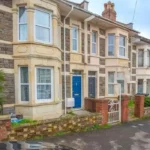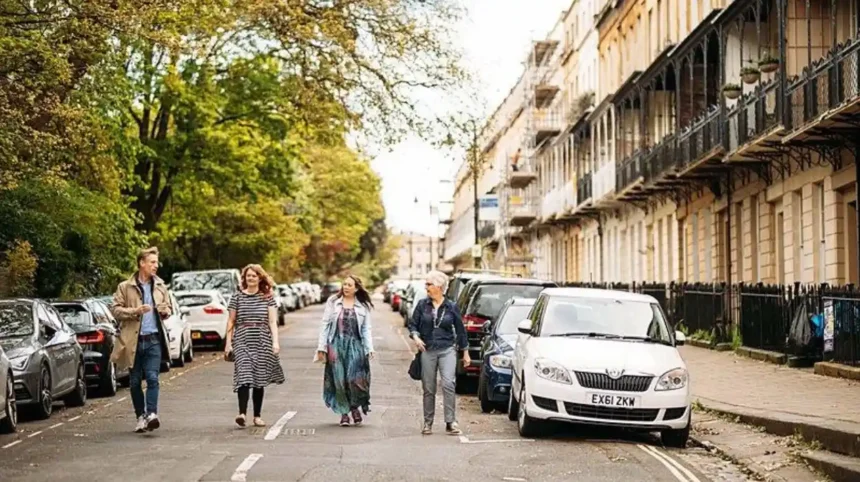
Bristol is a major employment, education and cultural centre in South West England. The city combines established business districts, creative industries, universities, transport connections and expanding regeneration areas. For young professionals, choosing where to live depends on access to work, housing type, transport, local services, green space and leisure opportunities.
- Which areas of Bristol are best suited to young professionals?
- Why is Clifton popular with young professionals in Bristol?
- Is Redland a good area for young professionals?
- What makes Cotham suitable for young professionals?
- Why do young professionals choose Southville and Bedminster?
- Is Bristol city centre a good place for young professionals?
- Why is Old Market important for young professionals?
- What is changing around Temple Quarter for young professionals?
- How does Bedminster compare with Clifton for young professionals?
- Which Bristol areas are best for professionals working in technology and innovation?
- Which Bristol areas provide good access to transport for working professionals?
- How does Bristol’s regeneration affect the choice of area for young professionals?
- What should young professionals consider before choosing an area in Bristol?
- How is Bristol likely to remain relevant to young professionals?
Bristol’s employment base includes professional services, technology, engineering, aerospace, education, healthcare, creative industries and environmental businesses. Census 2021 data recorded 58.4% of Bristol residents aged 16 and over, excluding full-time students, as employed, compared with 56.9% in 2011. The unemployment rate for the same population fell from 4.0% in 2011 to 2.5% in 2021.
The city is also undergoing major urban development. Bristol Temple Quarter is one of the largest regeneration programmes in the city. The programme covers more than 130 hectares and has plans for up to 10,000 homes and thousands of jobs around Bristol Temple Meads and St Philip’s Marsh.
These changes are increasing the importance of neighbourhoods that connect residential areas with employment centres, universities, transport hubs and leisure destinations. Clifton, Redland, Cotham, Southville, Bedminster, the city centre, Old Market and areas around Temple Quarter each offer different combinations of these features.
Which areas of Bristol are best suited to young professionals?
The strongest areas for young professionals in Bristol include Clifton, Redland, Cotham, Southville, Bedminster, the city centre, Old Market and areas around Temple Quarter because they combine employment access, transport, independent businesses, leisure facilities and established residential communities.
The term young professional generally describes an early-career worker, graduate or established professional building a career while prioritising convenient access to employment, social activities and everyday services.
Bristol offers several distinct residential environments rather than one single professional district. The city centre provides the closest access to central employment and leisure. Clifton provides historic architecture, restaurants and proximity to the University of Bristol. Redland and Cotham provide residential streets close to Clifton and central Bristol.
Southville and Bedminster sit south of the River Avon and connect residential life with independent businesses, restaurants, cultural venues and employment areas. Visit Bristol identifies Southville and Bedminster as major concentrations of shops and restaurants in southern Bristol, with venues such as Tobacco Factory Theatres, markets, breweries and festivals.
Old Market and the areas surrounding Temple Meads provide another important option. Old Market is close to the railway station and city centre, while Temple Quarter is undergoing major redevelopment focused on housing, employment, education and sustainable transport.
The most suitable neighbourhood depends on the location of the workplace. Someone working near Temple Meads has different priorities from someone working around Clifton, Filton, South Bristol or the city centre.
Why is Clifton popular with young professionals in Bristol?
Clifton is popular with young professionals because it combines central access, historic residential streets, restaurants, independent businesses, green spaces and proximity to the University of Bristol, while Clifton Village and the surrounding streets provide a strong concentration of everyday amenities.
Clifton is one of Bristol’s best-known neighbourhoods. The area developed substantially during the Georgian and Victorian periods and contains many historic buildings, terraces and villas.
The University of Bristol has a major presence in Clifton. The university describes its Clifton campus as a central student hub with most buildings within walking distance of Bristol city centre.
This university presence contributes to a large population of students, graduates, researchers and early-career professionals. The area also provides access to employers and businesses in central Bristol.
Clifton’s built environment is an important part of its identity. Clifton Suspension Bridge, Clifton Village and the surrounding Georgian streets create a distinctive urban setting. Visit Bristol describes Clifton as Bristol’s Georgian quarter and highlights its architecture, boutique shopping, bars, restaurants and Clifton Suspension Bridge.
The neighbourhood also benefits from proximity to Clifton Down, Brandon Hill and the wider central area. These spaces provide outdoor options without requiring travel to the outskirts of Bristol.
Clifton is therefore particularly relevant to professionals who value central living, historic architecture, restaurants, independent businesses and access to the University of Bristol area.
Is Redland a good area for young professionals?
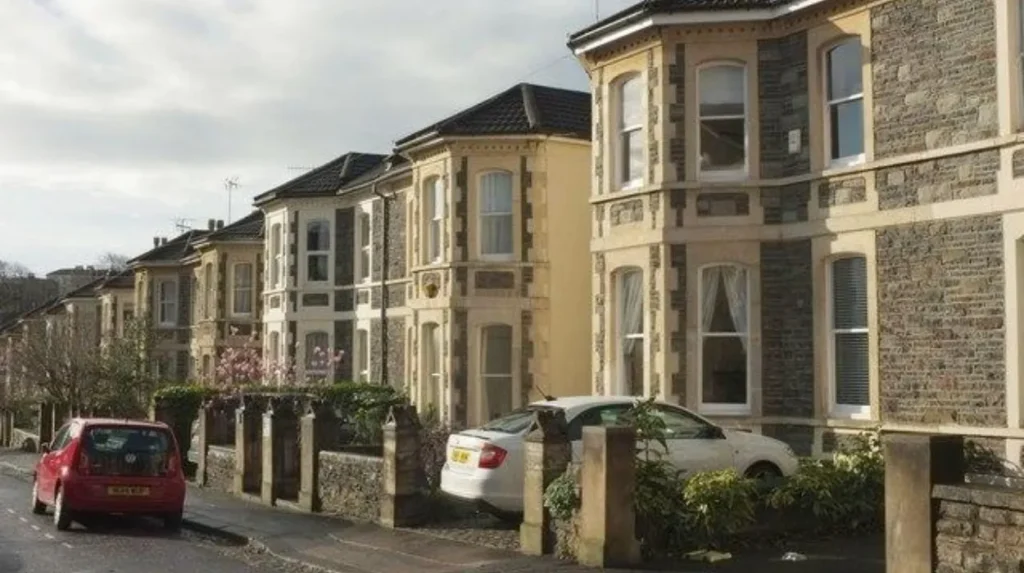
Redland is well suited to young professionals seeking a residential neighbourhood close to Clifton, Cotham and central Bristol, with Victorian and Edwardian housing, local shops, cafés, restaurants and access to employment and education districts without living directly in the city centre.
Redland sits north of central Bristol and forms part of the inner residential area surrounding Clifton and Cotham.
The neighbourhood contains substantial Victorian and Edwardian housing. Terraced properties and converted homes are common features of the local built environment.
Its location gives residents access to Clifton, Gloucester Road, Cotham and central Bristol. Gloucester Road is particularly important for independent retail, food and entertainment. Visit Bristol highlights Gloucester Road and nearby Stokes Croft for independent shopping, live music and street art.
Redland also benefits from proximity to Bristol’s university and professional employment areas. The neighbourhood provides a more residential setting than the central business district while retaining relatively direct access to central destinations.
The area suits professionals who want local cafés, shops and restaurants within an established residential environment. It also works for people who regularly travel towards Clifton, central Bristol or the north-central employment corridor.
The main practical consideration is the exact location of the workplace. Bristol’s roads and hills create significant differences in walking and cycling times between nearby neighbourhoods.
What makes Cotham suitable for young professionals?
Cotham suits young professionals who want a central residential location between Clifton, Redland and Bristol city centre, with period housing, local services, restaurants and convenient access to employment, education, healthcare and cultural destinations across inner Bristol.
Cotham is an inner Bristol neighbourhood located close to Clifton, Redland and the city centre. Its position is one of its main advantages for working professionals.
The neighbourhood contains established residential streets and period properties. Many homes are arranged in terraces and larger converted buildings.
Cotham’s location places residents close to several employment and education destinations. The University of Bristol is nearby, while central Bristol provides access to offices, public-sector organisations, professional services and cultural institutions.
The neighbourhood also connects with the wider Clifton and Gloucester Road areas. This creates access to restaurants, cafés, independent shops and other everyday services without requiring a long journey.
Cotham is particularly relevant for professionals who prioritise centrality. It provides a residential environment while remaining close to the commercial core.
The neighbourhood also has access to healthcare facilities around Bristol’s central medical district. This reinforces its position within Bristol’s inner urban area.
Why do young professionals choose Southville and Bedminster?
Southville and Bedminster attract young professionals through their combination of residential streets, independent businesses, restaurants, cultural venues, green spaces and transport connections, with the areas positioned close to Bristol city centre and the expanding Temple Quarter employment district.
Southville and Bedminster are located south of the River Avon. Together, they form one of the most prominent residential and commercial areas in South Bristol.
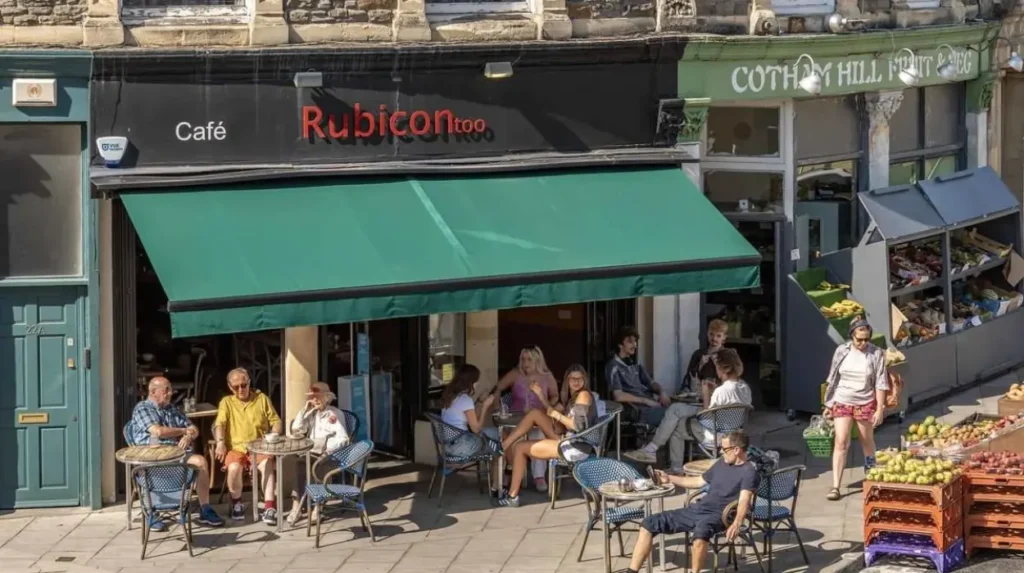
Visit Bristol identifies Southville and Bedminster as having one of the city’s largest concentrations of shops and restaurants. The area also contains Tobacco Factory Theatres, markets, breweries and festivals.
Bedminster has an established high street around East Street. Southville contains residential streets and local businesses extending towards North Street and the Tobacco Factory area.
Transport is another major factor. Bristol City Council states that the Bedminster Green area has access to MetroBus services, Bedminster railway station and bus routes serving Bristol Airport and the city centre.
Bedminster Green is also undergoing regeneration. The council identifies its proximity to the city centre and Temple Quarter as a reason for development. The project includes new housing, improvements to public spaces and work to restore the River Malago.
For young professionals, this creates a combination of established neighbourhood facilities and long-term development.
Southville and Bedminster therefore work particularly well for professionals who want an active local high street and cultural environment while remaining close to central Bristol.
Is Bristol city centre a good place for young professionals?
Bristol city centre provides the most direct access to central offices, retail, restaurants, cultural venues, public transport and employment districts, making it suitable for professionals who prioritise short journeys and immediate access to urban services over a quieter residential environment.
Bristol city centre is the most concentrated employment and commercial area in the city. It contains offices, shops, restaurants, cultural venues, hotels, public institutions and major transport connections.
Living centrally reduces the distance between home and many workplaces. It also places residents near the Harbourside, Broadmead, Cabot Circus, College Green and other major destinations.
The central area is particularly relevant to professionals working in finance, professional services, public administration, hospitality, technology and creative industries.
The city centre also provides access to Bristol’s wider public transport network. Bristol Temple Meads railway station is close to the eastern edge of the central area and connects Bristol with national and regional destinations.
The city centre is undergoing continuing regeneration. Temple Quarter is positioned immediately east and southeast of the central area and is planned as a major mixed-use district.
The advantage of city-centre living is therefore primarily geographical. Professionals working centrally can reduce daily travel distances while having direct access to restaurants, shops, entertainment and cultural venues.
Why is Old Market important for young professionals?
Old Market is important for young professionals because it sits close to Bristol city centre and Temple Meads, combines residential and commercial uses, and provides access to music venues, pubs, restaurants, independent businesses and the wider Temple Quarter regeneration area.
Old Market is located east of Bristol city centre and close to Bristol Temple Meads railway station.
The area has a long commercial history and contains historic buildings alongside newer residential and commercial development. Its position makes it an important link between the central business district, Temple Meads and eastern neighbourhoods.
Visit Bristol identifies Old Market as a historic area close to Temple Meads with music venues, LGBTQ+ venues and pubs. Nearby St Philip’s is also associated with Bristol’s brewery district.
Its location is particularly significant because of Temple Quarter regeneration. Bristol City Council describes Temple Quarter as a major regeneration programme involving housing, employment, transport, public space and education.
Old Market therefore sits beside an area experiencing significant long-term investment.
For young professionals, the neighbourhood provides access to the central area without being entirely dependent on the traditional city-centre environment. It also offers direct proximity to Bristol Temple Meads.
What is changing around Temple Quarter for young professionals?
Temple Quarter is becoming a major professional and innovation district through new housing, employment space, education facilities, public areas and transport improvements, creating a long-term connection between Bristol Temple Meads, the city centre, universities, businesses and emerging technology industries.
Temple Quarter is one of the most important areas for Bristol’s future urban development.
Bristol City Council’s regeneration programme covers more than 130 hectares of brownfield land. Its long-term vision includes up to 10,000 new homes, thousands of new jobs and £1.6 billion in annual income for the city economy.
The wider West of England Combined Authority describes the programme as a major city-centre housing and employment scheme. Its stated programme includes up to 10,000 homes and up to 22,000 jobs across the Temple Quarter and St Philip’s Marsh regeneration area.
The University of Bristol’s Temple Quarter Enterprise Campus opened in September 2026. The new campus is directly connected to Bristol Temple Meads and includes teaching, research, innovation and collaboration facilities.
The campus is also home to the Bristol Innovations Zone. In September 2026, the University announced the first eight companies joining the innovation and workspace community. The wider community is planned to bring together 4,600 students, 650 staff and up to 300 industry partners.
This development strengthens the connection between higher education, technology, entrepreneurship and employment.
Temple Quarter is therefore particularly relevant to professionals working in digital industries, business, innovation, research, education and emerging technology sectors.
How does Bedminster compare with Clifton for young professionals?
Bedminster provides a South Bristol setting with local high streets, cultural venues, restaurants and regeneration, while Clifton offers historic architecture, university connections, central access and established restaurants; workplace location, housing preferences and desired neighbourhood character determine the practical difference between them.
Bedminster and Clifton represent two different inner-city residential environments.
Clifton is north of the city centre and is strongly associated with Georgian architecture, the University of Bristol, Clifton Village, restaurants and professional residential streets.
Bedminster is south of the River Avon and is strongly associated with East Street, North Street, independent businesses, cultural venues and the Tobacco Factory area.
Transport patterns also differ. Bedminster railway station and MetroBus services provide important connections for South Bristol residents, while Clifton relies more heavily on bus services, walking and cycling connections to central Bristol.
The two areas also have different regeneration contexts. Bedminster Green is undergoing planned redevelopment focused on housing, transport, public space and local economic activity.
Clifton has a more established historic urban form. Its housing stock includes Georgian and Victorian properties, while Bedminster contains a mixture of Victorian terraces, converted buildings and newer developments.
The choice therefore depends on employment location and preferred urban environment rather than a single universal criterion.
Which Bristol areas are best for professionals working in technology and innovation?
Professionals working in technology and innovation have strong connections to Temple Quarter, the city centre, Clifton and nearby employment districts because Bristol combines universities, research organisations, technology businesses, creative industries and major regeneration focused on innovation and knowledge-based employment.
Bristol has a substantial technology and innovation ecosystem linked to universities, businesses and research institutions.
Temple Quarter is becoming a particularly significant innovation location. The University of Bristol’s new campus includes the Bristol Innovations Zone, designed to support entrepreneurship, commercialisation, research and collaboration between academia and industry.
The University of Bristol states that the Temple Quarter campus connects students, researchers, businesses and communities. Its facilities cover areas including digital innovation, business, social innovation and interdisciplinary research.
The wider Temple Quarter programme also includes employment-led development at St Philip’s Marsh. Bristol City Council identifies future opportunities for employment, residential development, maker spaces and mixed-use neighbourhoods in the area.
Clifton and the central area remain important because of the University of Bristol and established professional employers.
For technology professionals, neighbourhood selection can therefore be linked to commuting patterns rather than simply the location of a home. Temple Quarter, central Bristol and the inner neighbourhoods surrounding the university form a connected professional geography.
Which Bristol areas provide good access to transport for working professionals?
Temple Quarter, Old Market, Bedminster and central Bristol provide particularly strong transport access because they connect with Bristol Temple Meads, bus services, walking routes, cycling infrastructure and major city-centre destinations, reducing dependence on private cars for many daily journeys.
Transport is an important consideration for professionals because Bristol employment is distributed across several parts of the city and wider region.
Bristol Temple Meads is the city’s principal railway station and a major transport interchange. Bristol City Council describes it as a nationally significant station used by millions of passengers annually and identifies ongoing investment in entrances, platforms, public space and interchange facilities.
Temple Quarter is being designed around walking, cycling and public transport. The development framework identifies sustainable movement as a central part of the regeneration programme.
Bedminster provides another important transport option. Bristol City Council identifies Bedminster station, MetroBus services and bus connections as key transport assets for the area.
Old Market benefits from its location between the city centre and Temple Meads.
Clifton, Redland and Cotham provide strong access to central Bristol through walking, cycling and bus connections. Their proximity to central employment makes them relevant to professionals whose workplaces are within inner Bristol.
Transport suitability should therefore be assessed against the actual workplace rather than neighbourhood reputation.
How does Bristol’s regeneration affect the choice of area for young professionals?
Bristol’s regeneration is expanding housing, employment, education, public space and transport infrastructure around areas such as Temple Quarter and Bedminster Green, increasing the importance of neighbourhoods that connect established communities with new employment and development districts.
Regeneration is changing Bristol’s residential and employment geography.
Temple Quarter is the largest example. The programme covers more than 130 hectares and has a 25-year development horizon. Its objectives include new housing, employment, sustainable transport, green space and community facilities.
Bedminster Green is another important regeneration area. Bristol City Council identifies housing delivery, public transport, the revival of East Street and improved connections between Bedminster, Windmill Hill and Victoria Park as key objectives.
St Philip’s Marsh is also planned for major transformation. The council describes possible future development involving housing, employment, green infrastructure, active travel and community facilities.
These projects have long development periods. Not every proposed building or facility is completed at the same time. Current residents and prospective renters therefore need to distinguish between existing amenities and future proposals.
For young professionals, regeneration creates an important location factor because employment districts and transport networks influence future housing demand and everyday travel patterns.
Explore More Area Guide
Best Areas for Students in Bristol: Clifton, Redland & Frenchay
Best Areas for Families in Bristol: Top Family Neighbourhoods
What should young professionals consider before choosing an area in Bristol?
Young professionals should compare workplace location, transport time, housing type, local services, green space, leisure facilities and future development before choosing a Bristol neighbourhood, because each area provides a different balance between central access, residential character, employment connectivity and everyday convenience.
The first consideration is workplace location. A home close to the workplace can reduce commuting time and transport costs.
The second consideration is transport. Bristol Temple Meads is important for rail commuters, while Bedminster provides South Bristol rail access. Bus and active-travel connections are also important across inner Bristol.
The third consideration is housing type. Clifton, Redland and Cotham contain substantial historic housing, including terraces and converted properties. Bedminster and Southville contain a mixture of traditional housing and newer developments. Central Bristol and Temple Quarter contain more modern apartment-led development.
The fourth consideration is access to everyday services. Areas such as Southville, Bedminster, Clifton and Gloucester Road have strong concentrations of independent businesses, cafés, restaurants and shops.
The fifth consideration is leisure. Young professionals often combine work with restaurants, cultural events, green spaces and social activities. Bristol provides these facilities across several neighbourhoods rather than concentrating them in one district.
The sixth consideration is future development. Temple Quarter, Bedminster Green and St Philip’s Marsh are all subject to significant regeneration programmes.
A practical comparison should therefore consider both present-day conditions and confirmed development plans.
How is Bristol likely to remain relevant to young professionals?
Bristol’s combination of employment growth, universities, technology, creative industries, transport investment and urban regeneration supports its continued role as a major professional centre, while new districts such as Temple Quarter are expanding the city’s employment and residential geography.
Bristol’s professional economy has developed around several established sectors rather than one dominant industry. These include technology, aerospace, engineering, education, healthcare, professional services and creative industries.
The city’s universities contribute significantly to its graduate population and innovation economy. The opening of the University of Bristol’s Temple Quarter Enterprise Campus in September 2026 adds a new institutional and employment connection beside Bristol Temple Meads.
The new campus is part of a broader programme linking research, businesses, government organisations and local communities. The Bristol Innovations Zone is designed to support entrepreneurship, commercialisation and research collaboration.
Temple Quarter regeneration also provides a long-term framework for new homes, jobs and infrastructure. Bristol City Council estimates that the programme will create 10,000 new homes and thousands of jobs across the wider development area.
This means the geography of professional life in Bristol is continuing to change.
For young professionals, the established inner neighbourhoods remain important because they provide mature residential communities and everyday services. At the same time, emerging districts around Temple Quarter and St Philip’s Marsh are creating new employment and housing opportunities.
The resulting city structure provides several practical choices. Clifton and Cotham connect strongly with the university and central Bristol. Redland provides an established inner residential setting. Southville and Bedminster connect South Bristol with central employment and cultural destinations. Old Market links the city centre with Temple Meads. Temple Quarter is becoming an important location for education, innovation, employment and regeneration.
The best area therefore depends on the relationship between work, home, transport and lifestyle requirements. Bristol’s neighbourhoods offer different combinations of these factors, allowing young professionals to choose a location according to their individual working pattern and priorities.
What are the best areas for young professionals in Bristol?
Clifton, Redland, Cotham, Southville, Bedminster, Bristol city centre, Old Market and Temple Quarter are key areas for young professionals. They provide access to employment, transport, restaurants, shops, universities and leisure facilities.