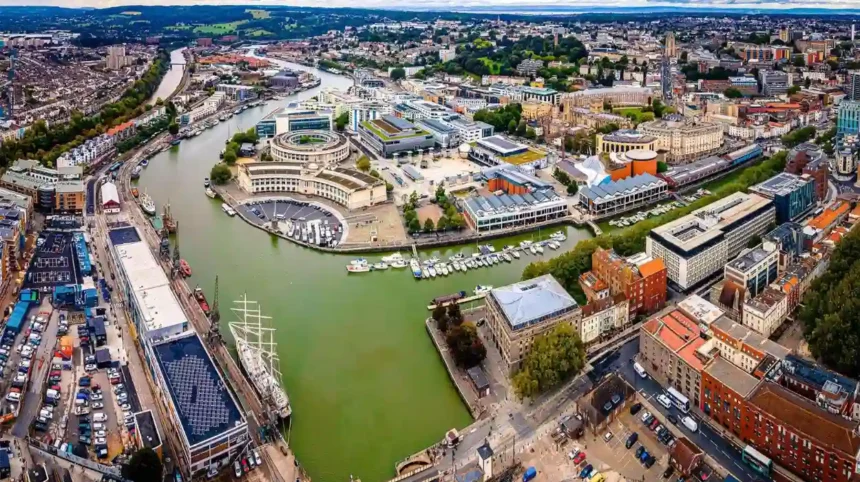
Bristol is a major city in South West England and one of the UK’s Core Cities. It combines a large employment base, two major universities, established neighbourhoods, strong transport connections, historic districts and extensive cultural facilities. The city’s estimated mid-2025 population was 495,300.
- Why are people moving to Bristol?
- What is Bristol like as a place to live?
- What is the history of Bristol?
- Which Bristol neighbourhoods are suitable for different lifestyles?
- How much does housing matter when moving to Bristol?
- How can you get around Bristol after moving?
- Is Bristol suitable for people who do not own a car?
- What are the main employment sectors in Bristol?
- What universities and education options does Bristol have?
- What public services should you arrange when moving to Bristol?
- What should you know about Bristol’s cost of living?
- What should families consider before moving to Bristol?
- What should students know before moving to Bristol?
- How can professionals prepare for a move to Bristol?
- What should you do during the first month after moving to Bristol?
- What is the long-term outlook for people moving to Bristol?
Why are people moving to Bristol?
People move to Bristol for employment, education, transport connections, neighbourhood variety and access to urban amenities. The city has almost 500,000 residents, two major universities and strong links with London, Wales, the South West and national rail networks.
Bristol is the largest city in South West England. It is also the eighth-largest of the UK’s 12 Core Cities. The city sits between Gloucestershire and Somerset, with Bath nearby to the east and Cardiff across the Bristol Channel. London is approximately 100 miles east of Bristol.
The population has grown significantly during the past decade. Bristol City Council estimates that the population increased by about 43,500 between 2015 and 2025, representing 9.6% growth. The same council data projects the population to reach approximately 526,600 by 2032.
Bristol also has a highly diverse population. Council data records more than 287 ethnic groups, more than 185 countries of birth, at least 45 religions and more than 90 languages among residents.
The city has a large student population. In the 2024/25 academic year, 68,800 students were registered at Bristol’s two main universities. This creates substantial demand for student housing, private rentals, cafés, study spaces, entertainment and transport.
What is Bristol like as a place to live?
Bristol offers a mixture of central urban districts, residential neighbourhoods, student areas, historic communities and suburban locations. Housing choice, transport access, employment location and proximity to schools shape the practical differences between neighbourhoods.
Bristol is geographically compact in its central areas but geographically diverse across the wider city. Neighbourhoods differ considerably in housing type, density, access to green space and proximity to employment centres.
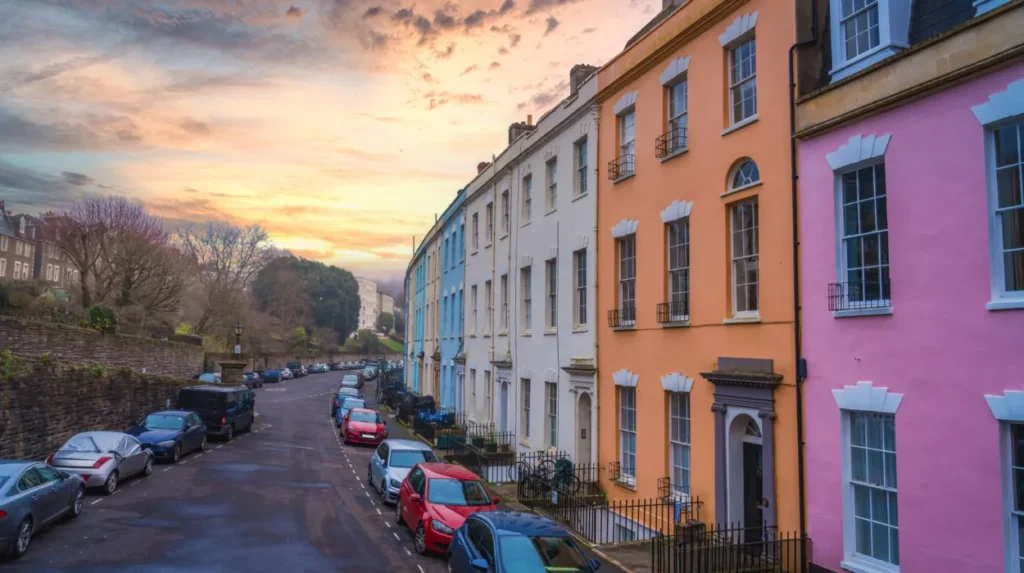
Clifton is known for Georgian architecture, the University of Bristol campus and residential streets near Clifton Village. Redland and Cotham provide established residential environments close to central Bristol and university facilities.
Bishopston and Horfield sit north of the central area and provide access to Gloucester Road and several residential communities. Bedminster and Southville are located south of the River Avon and provide connections towards the city centre and employment areas.
Easton, St George, Fishponds and St Werburghs provide further residential options east and north-east of central Bristol. Brislington extends towards the south-east, while Henleaze and Westbury-on-Trym provide established residential areas in the north-west.
The correct location depends on the purpose of the move. A student has different requirements from a family, first-time buyer, commuter or remote worker.
What is the history of Bristol?
Bristol developed as an important port and trading settlement before becoming a major industrial, commercial and cultural city. A 1373 royal charter established Bristol as a county in its own right, strengthening its independent civic status.
Bristol’s history is closely connected with the River Avon and its position near the Bristol Channel. The city’s port supported trade and maritime activity for centuries.
Edward III granted Bristol a major royal charter in 1373. The charter separated Bristol and its suburbs administratively from Gloucestershire and Somerset and established Bristol as a county in its own right. Bristol City Council’s museum records describe this as an important development in the city’s self-government.
The city’s maritime history later supported industrial development. Bristol became associated with shipbuilding, engineering, manufacturing and international trade.
The railway brought another major transformation. Bristol Temple Meads opened in 1840 as the western terminus of the Great Western Railway. It was designed by Isambard Kingdom Brunel and remains Bristol’s principal historic railway station.
Today, historic buildings exist alongside modern offices, universities, housing developments, cultural venues and transport infrastructure. This combination explains the city’s distinctive mixture of historic and contemporary urban environments.
Which Bristol neighbourhoods are suitable for different lifestyles?
Bristol has neighbourhoods serving different residential needs, including student districts, family-oriented communities, central locations and suburban areas. Clifton, Redland, Bishopston, Bedminster, Southville, Horfield and Fishponds represent distinct residential environments.
Clifton provides close access to the University of Bristol, central employment areas, shops and cultural attractions. Its housing stock includes historic terraces, flats and larger residential properties.
Redland and Cotham sit close to Clifton and the university. They have strong connections to central Bristol and are popular locations for students and professionals.
Bishopston is associated with Gloucester Road and its surrounding residential streets. The area has local shops, cafés and services alongside established housing.
Horfield provides a larger residential environment north of the city centre. Its location offers access to Gloucester Road, employment areas and public transport.
Bedminster and Southville are located south of the city centre. Their position provides access to central Bristol while retaining distinct neighbourhood identities.
Easton provides a diverse residential environment close to central Bristol. St George and Fishponds extend further east and provide additional housing options.
St Werburghs is north-east of the city centre and has a strong community identity. It also provides access to green spaces and local amenities.
Henleaze and Westbury-on-Trym are established north-western communities. They provide different housing environments from the denser inner-city neighbourhoods.
How much does housing matter when moving to Bristol?
Housing is one of the most important practical factors when moving to Bristol because neighbourhoods differ in property type, tenure, location and access to services. Renters and buyers should compare total housing costs with commuting, transport, council tax and household expenses.
Bristol’s housing market includes private rented accommodation, owner-occupied properties, student accommodation, social housing and purpose-built developments.
The Bristol Census 2021 dataset includes information on housing type, tenure and size, together with household composition and car availability. These indicators help residents compare neighbourhood characteristics rather than relying only on advertised property prices.
Renters should check the complete tenancy cost before signing an agreement. This includes monthly rent, deposit requirements, utility costs, council tax where applicable, internet, insurance and transport.
Buyers should assess property location as well as the building itself. Travel time to work, schools, stations, supermarkets, healthcare facilities and green spaces affects everyday living.
Students have a separate housing market. Bristol’s large university population creates substantial demand for accommodation. Bristol City Council maintains information on student accommodation and residential development within the city.
The University of Bristol also provides specific information covering university accommodation, contracts, rent, residence facilities and moving procedures.
How can you get around Bristol after moving?
Bristol supports travel by bus, rail, walking, cycling and shared sustainable transport. Bristol Temple Meads and Bristol Parkway provide mainline rail connections, while buses connect residential areas with central districts and major employment locations.
Public transport is an important part of life in Bristol. The city council reported 39.7 million bus passenger journeys during 2024/25, compared with 37.2 million in 2023/24.
Bristol also has active-travel infrastructure. Walking and cycling are important for short journeys, particularly in central neighbourhoods and around university campuses.
The University of Bristol states that many university buildings are within walking distance of the city centre, Bristol Temple Meads and Bristol Bus and Coach Station.
Bristol has two mainline railway stations: Bristol Temple Meads and Bristol Parkway. Temple Meads serves the central area, while Parkway is located north-east of the city.
Bristol Temple Meads provides connections to major destinations through the Great Western rail network. Network Rail describes the Great Western route as extending from London Paddington through Bristol towards Penzance and South Wales.
The city also has e-bike and e-scooter schemes. These provide additional options for shorter journeys.
Is Bristol suitable for people who do not own a car?
Bristol can support a car-free lifestyle when housing is located near employment, education, shops and public transport. Central neighbourhoods generally provide shorter walking and cycling distances, while outer districts require more attention to bus and rail connections.
Car availability varies significantly across Bristol neighbourhoods. Census data includes car availability as one of the indicators used to understand local household characteristics.
People considering a car-free move should examine their regular destinations before selecting a property.
A central apartment close to employment and shops creates different transport requirements from a house in an outer residential district.
Walking works particularly well for journeys within central Bristol and university areas. Cycling provides a longer-distance active-travel option across several parts of the city.
Bus services remain important for connections between outer neighbourhoods and the centre. The city recorded nearly 40 million bus passenger journeys in 2024/25.
The decision to keep a car also depends on work location, family requirements, parking availability and travel outside Bristol.
What are the main employment sectors in Bristol?
Bristol has a diverse employment base spanning professional services, aerospace, engineering, education, healthcare, creative industries, technology, retail and public services. The city’s universities and major institutions also contribute substantially to employment and economic activity.
Bristol has long-standing strengths in engineering and aerospace. The city also has established financial, professional and creative industries.
The University of Bristol and University of the West of England contribute to education, research, employment and innovation. The large student population also supports retail, hospitality, accommodation and local services.
Healthcare represents another major employment sector. Bristol has large hospitals and health institutions serving the city and wider South West.
The creative economy is also significant. Bristol has established links with television, film, animation, digital production and independent creative businesses.
Census 2021 data shows that the proportion of residents aged 16 and over who were employed, excluding full-time students, increased from 56.9% in 2011 to 58.4% in 2021. The unemployment rate for the same population measure fell from 4.0% to 2.5%.
These figures describe the 2021 Census period and should not be treated as current 2026 labour-market measurements.
What universities and education options does Bristol have?
Bristol has two major universities, extensive higher-education facilities and established education infrastructure. The University of Bristol and University of the West of England contribute to the city’s large student population, research activity and graduate employment base.
The University of Bristol is a research-intensive university with a central academic presence around Clifton and the wider city.
The University of the West of England, commonly known as UWE Bristol, has major facilities including its Frenchay Campus.
The two institutions together accounted for 68,800 registered students in 2024/25 according to Bristol City Council.
This student population affects housing demand and local services. Areas near university campuses contain significant student accommodation.
People moving to Bristol with children should assess schools separately from university provision. School catchment areas, admissions arrangements and availability vary by location.
Families should use official Bristol City Council and school information when assessing education options because school admissions information changes over time.
What public services should you arrange when moving to Bristol?
New residents should organise housing documentation, council services, utilities, healthcare registration, education arrangements and transport information after moving. The exact requirements depend on whether the resident is renting, buying, studying, working or relocating internationally.
Council tax is normally linked to the property rather than employment status. New residents should check their council tax responsibilities with Bristol City Council after moving.
Tenants should retain copies of tenancy agreements, inventories, deposit documentation and correspondence with landlords or letting agents.
Utility arrangements should cover electricity, gas where applicable, water, broadband and household insurance.
Healthcare arrangements include registering with a local GP practice and identifying nearby NHS services. Families should also arrange dental and other healthcare services according to their needs.
People moving from outside the UK have additional immigration and documentation requirements. International students, for example, need to check visa and registration requirements before travelling to Bristol. The University of Bristol provides specific guidance for international students arriving in the city.
What should you know about Bristol’s cost of living?
The cost of living in Bristol depends heavily on housing location, household size, transport needs and lifestyle. Rent or mortgage payments usually represent the largest expense, followed by utilities, council tax, transport, food and other household costs.
A moving budget should separate fixed and variable expenses.
Fixed housing expenses include rent or mortgage payments and council tax. Variable expenses include energy use, food, transport, entertainment and household purchases.
Location directly affects transport costs. Living closer to work can reduce regular bus, rail or car expenses. Living farther from employment centres can increase commuting time and travel costs.
Household size also changes costs. Families generally face different accommodation, energy, food and transport requirements from single professionals or students.
People moving to Bristol should calculate their monthly budget using actual property advertisements, current council tax information, utility estimates and transport fares rather than relying on general citywide averages.
What should families consider before moving to Bristol?
Families moving to Bristol should assess housing size, school arrangements, transport, healthcare, parks, childcare and daily journey times. Neighbourhood choice should reflect the locations of schools, workplaces, family services and regular activities.
Family requirements vary considerably by household.
A family with children should examine school admissions before signing a long-term tenancy or purchasing a property. School access depends on location and admission arrangements.
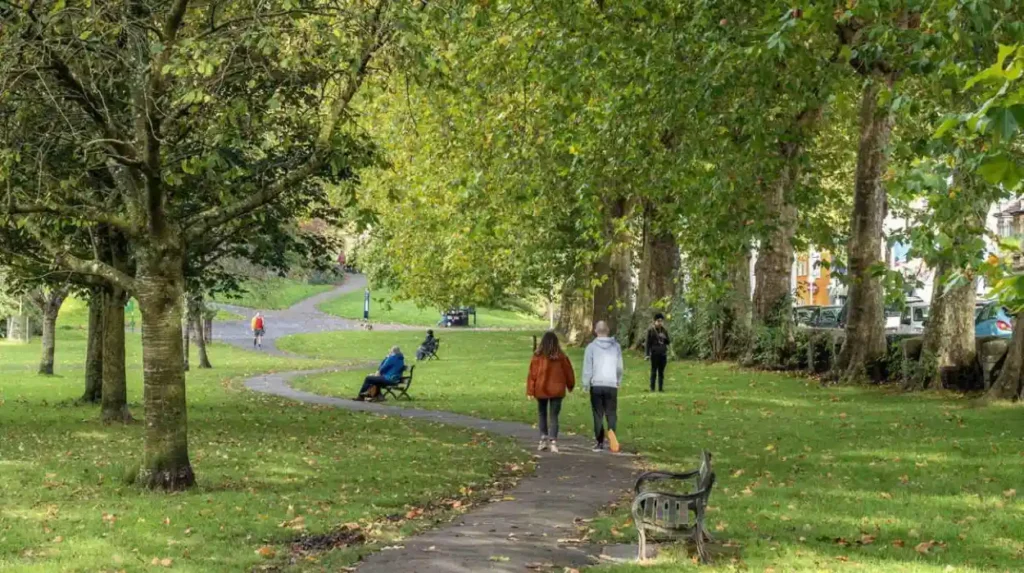
Green space is another important consideration. Bristol contains parks, recreational spaces and neighbourhood green areas across the city.
Transport should be assessed around the household’s actual routine. A property that works well for one parent commuting to the city centre can create longer journeys for another working elsewhere.
Families should also check access to supermarkets, pharmacies, GP practices, childcare providers and community facilities.
What should students know before moving to Bristol?
Students moving to Bristol should plan accommodation, university travel, budgeting, registration, household responsibilities and daily transport before arrival. Bristol’s two major universities create a large student community and substantial demand for dedicated student accommodation.
Accommodation planning is particularly important because Bristol has a large student population.
Students living in university accommodation should understand their tenancy dates, rent obligations, residence rules and moving procedures. The University of Bristol provides specific guidance covering contracts, rent, facilities, safety and moving out.
Students renting privately should understand the tenancy agreement before signing it. They should also check the property’s distance from campus and transport connections.
The University of Bristol states that many university buildings are accessible on foot from central Bristol, Temple Meads and the bus and coach station.
Budgeting should include rent, utilities, food, transport, study materials and personal expenses.
How can professionals prepare for a move to Bristol?
Professionals should select housing according to workplace location, commuting requirements, household budget and access to essential services. Bristol’s employment diversity allows workers to live across different neighbourhoods, but commute times vary substantially by location and transport mode.
A workplace near Temple Quarter creates different housing priorities from employment in north Bristol, South Bristol or outside the city.
Rail commuters should consider proximity to Bristol Temple Meads or Bristol Parkway. Bus commuters should check the specific route and service frequency rather than relying only on distance.
Remote workers should assess broadband availability, workspace and home layout. Central neighbourhoods also provide access to cafés, libraries and other work-friendly environments.
Professionals relocating from London or other major cities should compare housing costs and commuting patterns using current data rather than historic assumptions.
Explore More Area Guide
St Werburghs Bristol: Area Guide, History, Green Spaces & City Farm
Montpelier Bristol Area Guide: History, Architecture and Local Life
What should you do during the first month after moving to Bristol?
The first month should focus on establishing the household, confirming council and utility arrangements, registering for essential services, learning local transport and understanding the immediate neighbourhood. Completing these tasks creates a stable foundation for longer-term settlement.
Start with the property. Check the inventory, meter readings, appliances, locks, heating and essential fixtures.
Confirm council tax arrangements and utility accounts.
Map the nearest supermarket, pharmacy, GP practice, bus stop, railway station and green space.
Test the regular commute at the actual travel time. Morning and evening conditions differ from weekend journeys.
Explore the local neighbourhood on foot. Identify streets, shops, community facilities and transport connections that support daily life.
Residents should also keep important tenancy, purchase, insurance and service documents in a secure location.
What is the long-term outlook for people moving to Bristol?
Bristol’s population is projected to continue growing, while major transport, housing and urban development programmes are changing the city. Current planning therefore focuses on accommodating population growth while improving mobility, infrastructure, employment and public services.
Bristol City Council’s latest population information projects a population of approximately 526,600 by 2032, based on ONS population projections. The council explicitly notes that population projections are not forecasts and contain uncertainty, particularly around migration.
Transport investment is another important part of Bristol’s future. Bristol’s 2025 Key Facts report states that the wider West of England has secured £800 million for new rail infrastructure, mass transit and active-travel improvements.
The city is also changing its central transport environment through pedestrianisation, cycle infrastructure and cleaner buses. These changes affect how residents travel and how central neighbourhoods develop.
For anyone considering moving to Bristol, the most useful approach is to assess the city at neighbourhood level. Housing, work, education, transport and household requirements determine the practical experience of living in Bristol.
Is Bristol a good place to move to?
Bristol is a major South West England city with diverse employment, two major universities, established residential neighbourhoods, extensive transport connections and a large cultural sector. The city had an estimated population of 495,300 in 2025.