
Bristol’s rental market includes private flats, terraced houses, shared accommodation, purpose-built apartments and student housing. The city’s employment opportunities, universities, transport connections and neighbourhood differences shape rental demand. Understanding rent levels, tenancy agreements, legal requirements and household costs helps tenants, landlords and property investors make informed decisions.
- Why Is Bristol’s Rental Market Important for Tenants and Landlords?
- How Has Bristol’s Rental Market Developed Over Time?
- What Are the Average Rental Prices in Bristol?
- Which Bristol Neighbourhoods Offer Different Rental Options?
- What Types of Rental Properties Are Available in Bristol?
- How Can Tenants Find a Rental Property in Bristol?
- What Are the Legal Rights and Responsibilities of Bristol Tenants?
- What tenancy agreement should tenants expect?
- How are rental deposits protected?
- What rules apply to rent increases?
- Who is responsible for repairs and property safety?
- How Much Should Tenants Budget for Renting in Bristol?
- What Should Bristol Landlords Know About Renting Out Property?
- What Factors Will Shape Bristol’s Rental Market in the Future?
- How Can Tenants and Landlords Make Informed Rental Decisions?
Why Is Bristol’s Rental Market Important for Tenants and Landlords?
Bristol’s rental market connects tenants seeking homes with landlords providing accommodation across the city. Employment, education, housing supply, transport and affordability influence rental demand, while tenancy law establishes the rights and responsibilities of both parties.
Bristol is a major city in South West England and the administrative centre of the Bristol local authority area. Its economy includes professional services, aerospace, engineering, creative industries, healthcare, education and technology. These employment sectors attract people relocating for work, graduates beginning their careers and established households seeking long-term accommodation.
The city also contains the University of Bristol and the University of the West of England (UWE Bristol). Their student populations contribute to demand for shared houses, student residences, studios and flats near campuses and public transport routes.
Bristol’s rental market is not a single, uniform market. Monthly costs, property availability and tenant preferences vary between central neighbourhoods, suburban residential areas and locations close to employment centres.
For example, a professional working in central Bristol prioritises walking distance to an office or access to Temple Meads railway station. A family looks for additional bedrooms, schools, green spaces and reliable transport. A student often compares shared accommodation, university residences and private student housing.
Landlords assess different factors, including purchase costs, mortgage interest, maintenance, insurance, tax and the achievable rent. These expenses affect investment decisions and the financial viability of a rental property.
Understanding these different requirements provides the foundation for evaluating Bristol’s rental market.
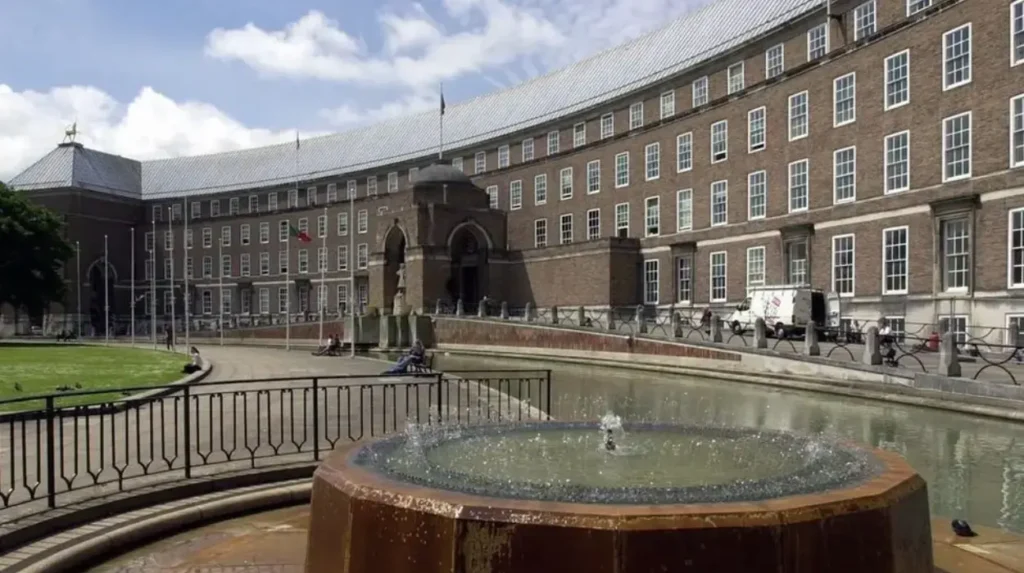
How Has Bristol’s Rental Market Developed Over Time?
Bristol’s rental market has evolved alongside industrial growth, port activity, university expansion, employment changes and residential development. Historic housing, modern apartments and suburban estates now serve different groups of tenants across the city.
Bristol developed as a trading port and industrial centre, creating demand for accommodation near workplaces, warehouses and transport connections. Victorian and Edwardian housing subsequently became an important part of the city’s residential landscape.
Terraced houses remain visible in neighbourhoods such as Bedminster, Easton and parts of Southville. Their layouts often include multiple bedrooms, separate living spaces and small gardens. Some properties accommodate families, while others are rented to professionals or shared households.
During the twentieth century, suburban development expanded the range of available housing. Residential areas farther from the city centre provided larger homes and different transport arrangements. Later regeneration projects introduced apartments and converted former commercial or industrial buildings into residential accommodation.
Bristol’s universities also contributed to demand for student housing. Private landlords, purpose-built student accommodation providers and institutional residences developed different options for students who preferred to live independently or close to campus.
In more recent decades, employment growth and urban regeneration have influenced demand around central Bristol, Temple Quarter and other accessible locations. New apartments have added housing options, although development costs, planning decisions and infrastructure requirements influence the pace of supply.
This history explains why Bristol contains several distinct rental markets rather than one standardised housing segment.
What Are the Average Rental Prices in Bristol?
Bristol’s average monthly private rent reached £1,883 in August 2026, according to the Office for National Statistics. The figure increased by 5.9% year on year, showing why tenants need to compare property sizes, neighbourhoods and total household expenses.
The Office for National Statistics (ONS) measures private rental prices across local authority areas in England and Wales. Its Bristol figures provide a useful benchmark for understanding the overall market, although individual properties rent for different amounts.
The ONS reported the following average monthly rents by bedroom count in July 2026:
- One-bedroom property: £1,223.
- Two-bedroom property: £1,541.
- Three-bedroom property: £1,755.
- Four-bedroom or larger property: £2,542.
These figures are from July 2026 and should not be confused with the August overall average. They describe different property categories and reporting periods.
Property type also affects rental costs. Flats and maisonettes averaged £1,506 per month in July 2026, compared with £2,005 for terraced properties. Semi-detached homes averaged £2,086, while detached properties averaged £2,101.
These figures represent averages across the local authority area, not guaranteed prices for advertised properties. A furnished city-centre apartment, a house with a garden and a room in a shared property serve different needs.
Which factors determine Bristol rental prices?
The principal factors include property size, location, condition, furnishing, energy efficiency and transport access. A recently refurbished apartment near Bristol Temple Meads differs from an older property farther from the centre, even when both have the same number of bedrooms.
Demand also changes throughout the year. Students often search before the academic year begins, while professionals relocate according to employment opportunities and contract dates. Landlords assess comparable rents, property condition and local demand when setting asking prices.
Tenants should compare several properties with similar characteristics rather than relying on one citywide average. The advertised rent also needs to be assessed alongside council tax, utilities, broadband and commuting expenses.
Which Bristol Neighbourhoods Offer Different Rental Options?
Bristol’s neighbourhoods provide different combinations of housing, transport, amenities and access to employment. Areas such as Clifton, Redland, Bedminster, Easton and Horfield attract different tenant groups, so location comparisons should include travel costs and everyday facilities.
Clifton is known for Georgian architecture, residential streets and proximity to the University of Bristol. Its housing includes period properties, apartments and shared student accommodation. Tenants often compare its central access with the price and size of available homes.
Redland contains Victorian and Edwardian houses, flats and residential streets with connections to local shops and public transport. Its location attracts students, professionals and households seeking access to central Bristol.
Bedminster and Southville provide terraced housing, converted properties and access to independent shops, cafés and services. Their location south of the city centre makes them relevant to tenants who travel into central Bristol for work.
Easton offers a varied housing stock that includes terraced homes and shared accommodation. Its transport connections and local businesses appeal to tenants looking for residential options with access to the city centre.
Horfield and Filton provide access to employment areas, retail facilities and transport routes in northern Bristol and neighbouring South Gloucestershire. Their rental options include flats, shared houses and family homes.
These descriptions identify general neighbourhood characteristics, not a guaranteed ranking of affordability. Rental prices vary by street, building condition, property size and the terms of the tenancy.
How should tenants compare neighbourhoods?
Tenants should assess the full cost of living in each area. A lower advertised rent does not automatically produce the lowest monthly expenditure if the property requires longer journeys or higher transport costs.
A useful comparison includes the monthly rent, estimated bills, council tax band, travel time, access to supermarkets, proximity to schools and the availability of suitable housing. Viewing properties at different times of day also helps tenants understand traffic, noise and parking conditions.
Local public transport information is available through the relevant bus and rail operators. Bristol City Council also provides information about housing, local services and private renting.
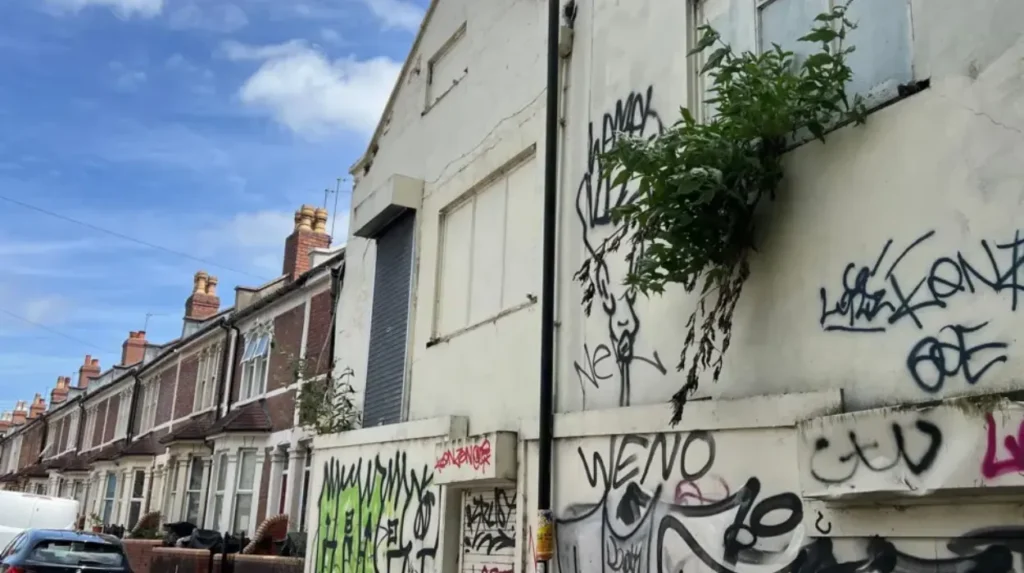
What Types of Rental Properties Are Available in Bristol?
Bristol’s rental housing includes private flats, terraced houses, family homes, shared houses and purpose-built student accommodation. Each category has different space requirements, payment arrangements and household responsibilities, making property type an important part of the rental decision.
Private flats suit individuals, couples and small households seeking a self-contained home. Options range from converted period buildings to modern apartment developments. Tenants should check heating systems, storage, communal maintenance charges where relevant and access arrangements.
Terraced houses are common in several established Bristol neighbourhoods. These properties often provide multiple bedrooms and separate living areas. Some are rented to families, while others operate as shared homes for professionals or students.
Family houses generally offer additional living space, and some include gardens or off-street parking. Their total rent is often higher than that of a smaller flat, but the cost per person can be lower when several household members share the property.
Shared houses allow unrelated tenants to occupy separate bedrooms while sharing facilities such as kitchens and bathrooms. The rental agreement determines whether each tenant rents an individual room or whether a group shares responsibility for the entire property.
Purpose-built student accommodation is designed specifically for student living. It includes private studios and en-suite bedrooms with shared communal facilities. University-managed accommodation and privately operated student residences can have different contract terms from ordinary private rentals.
What is a house in multiple occupation?
A house in multiple occupation (HMO) is a rented property occupied by people from more than one household who share facilities, subject to the applicable legal definition. A typical example is a house where unrelated tenants rent separate bedrooms and share a kitchen.
In England, mandatory HMO licensing generally applies when at least five people from two or more households occupy a property and share facilities. Bristol also operates additional licensing arrangements for certain smaller shared properties in designated circumstances. Landlords must check the applicable local requirements before letting a property.
Tenants considering a shared house should confirm whether the property requires a licence, whether the licence is valid and whether the accommodation meets relevant safety standards. They should also establish who is responsible for cleaning communal areas, paying bills and reporting repairs.
How Can Tenants Find a Rental Property in Bristol?
Tenants can find Bristol rental properties through established letting agents, property portals, university accommodation services and direct landlord listings. A structured search based on budget, location, property size and move-in date helps applicants compare suitable homes efficiently.
The search begins with a realistic budget. Tenants should calculate the amount available for rent after accounting for regular household expenses, debt payments, travel, food and savings.
Property portals allow applicants to filter listings by price, bedrooms, furnishing, property type and location. Letting agents provide another route, particularly for tenants who want help arranging viewings and submitting applications.
Students should also consult university accommodation services. These services provide information about university residences, approved accommodation resources and arrangements relevant to student housing.
Applicants should prepare identification, proof of income or funding, references and any documents requested for lawful checks. Landlords and agents can assess suitability and affordability, subject to applicable discrimination and housing laws.
Before paying money, applicants should verify the identity of the landlord or agent and arrange a viewing. They should confirm the address, advertised rent, deposit requirements and proposed tenancy terms.
A property should not be selected solely because it appears inexpensive or has attractive photographs. Applicants need to inspect its condition, heating, ventilation, windows, appliances, security and signs of damp or mould.
What should tenants check before signing?
Tenants should confirm the exact rent, payment frequency, deposit, responsibility for bills, repair arrangements and tenancy-ending procedure. They should also obtain written records of agreed terms and check whether furniture, appliances and parking are included.
A viewing checklist helps applicants record defects and compare properties consistently. Photographs taken with permission provide a useful record of the property’s condition before occupation.
Applicants should avoid transferring money to an unverified person. They should use independently verified contact details and retain receipts, correspondence and copies of the advertisement.
What Are the Legal Rights and Responsibilities of Bristol Tenants?
Private tenants in Bristol have legal protections covering tenancy terms, deposits, property safety, rent increases and eviction procedures. The Renters’ Rights Act introduced major changes on 1 May 2026, including assured periodic tenancies for most private renters covered by the new regime.
The Renters’ Rights Act changed England’s private rented sector. Bristol City Council explains how these rules apply to private tenants and landlords. The precise rights depend on the type of accommodation and tenancy, so lodgers and certain student accommodation arrangements require separate consideration.
What tenancy agreement should tenants expect?
For most private rentals covered by the new regime, assured periodic tenancies replaced fixed-term assured shorthold tenancies from 1 May 2026. Existing assured shorthold tenancies generally converted to assured periodic tenancies on that date.
A tenancy agreement sets out the rent, property address, responsibilities and other terms governing the occupation. Tenants should retain their agreement and written communications with the landlord or letting agent.
How are rental deposits protected?
Landlords must protect qualifying tenancy deposits through a government-approved tenancy deposit protection scheme. The usual maximum deposit is five weeks’ rent when annual rent is below £50,000, or six weeks’ rent when annual rent is £50,000 or more. A holding deposit is generally limited to one week’s rent.
Tenants should receive the required information about their deposit protection. They should also retain evidence of payments and record the condition of the property at the start of the tenancy.
What rules apply to rent increases?
Under the current rules for assured periodic tenancies, landlords generally cannot increase rent during the first year of the tenancy and can increase it only once a year thereafter, using the prescribed legal process. At least two months’ notice is generally required. Tenants should check the relevant statutory requirements and their circumstances before responding to a proposed increase.
The rules also prohibit landlords and letting agents from encouraging prospective tenants to bid above an advertised rent. Landlords must follow the correct possession procedure rather than removing tenants without lawful authority.
Who is responsible for repairs and property safety?
Landlords are responsible for meeting their applicable legal obligations concerning the structure, essential installations and safety of a rented home. Tenants should report problems promptly and keep copies of repair requests.
Privately rented properties generally require an Energy Performance Certificate (EPC) rating of at least E unless a valid exemption applies. Gas safety requirements apply where relevant gas installations are present. Smoke and carbon monoxide alarm requirements also apply in specified circumstances.
Bristol City Council provides guidance on reporting unsafe housing, licensing concerns and problems with landlords. Tenants should seek advice promptly when serious hazards remain unresolved.
How Much Should Tenants Budget for Renting in Bristol?
A Bristol rental budget should include monthly rent, council tax, energy, water, broadband, food, transport and household essentials. Tenants should also plan for moving costs, deposits and unexpected expenses rather than calculating affordability from rent alone.
Rent usually represents one of the largest recurring housing expenses. However, the amount left after rent depends on household income, the number of occupants and whether the rent includes any utilities or services.
The ONS reported an average Bristol private rent of £1,883 per month in August 2026. This is a useful reference point, but a tenant renting a room or a small flat faces a different cost structure from a family renting a larger house.
Council tax depends on the property’s band and the applicable local charges. Eligible households can receive reductions or exemptions in specific circumstances. Students should check the relevant council tax rules rather than assume that every shared property receives an exemption.
Energy expenses depend on the heating system, insulation, property size, energy tariffs and household behaviour. An energy-efficient flat with effective insulation can have different running costs from an older house with poor insulation.
Water charges depend on the supplier’s charging arrangements and whether the property uses a meter. Broadband costs depend on the provider, contract and available connection speeds.
Transport expenses vary with the location of the home and the tenant’s routine. Someone living within walking distance of work has different travel costs from a commuter travelling across the city every day.
How can renters reduce housing costs?
Renters can compare smaller properties, consider suitable shared accommodation and search across several neighbourhoods. They should balance potential savings against journey times, household space, property condition and the reliability of transport links.
Sharing a larger property can reduce the rent paid per person, but tenants must check the tenancy structure and understand their liability for payments. In a joint tenancy, each tenant can have responsibilities that extend beyond their individual bedroom.
Applicants should compare properties with similar features and calculate their expected monthly outgoings. A slightly higher rent that includes certain bills can be easier to budget for than a lower rent with unpredictable additional costs.
Before moving, tenants should ask for a clear breakdown of included services. They should also check meter readings, utility account arrangements and the procedure for reporting maintenance problems.
What Should Bristol Landlords Know About Renting Out Property?
Bristol landlords need to understand tenancy law, property licensing, safety requirements, deposit protection, repairs and financial obligations. Compliance affects the ability to let a property lawfully, while effective management supports clear communication and appropriate maintenance.
Landlords should establish the legal status of their property and the tenancy arrangement before advertising it. They must check whether the accommodation requires an HMO licence or falls within another local licensing scheme.
Bristol City Council publishes guidance for private landlords, including information about licensing and the responsibilities associated with renting accommodation. Requirements depend on the property, its occupants and the location within the council area.
Property safety is another essential responsibility. Landlords must comply with applicable gas and electrical safety rules, alarm requirements, energy performance standards and legal repair obligations.
Landlords should maintain records of inspections, safety certificates, repairs and communications. A documented maintenance process helps establish when issues were reported and how they were addressed.
How should landlords assess rental income?
Landlords should compare the expected rent with the complete cost of ownership. Relevant expenses include mortgage interest, insurance, repairs, maintenance, management fees, compliance work, periods without tenants and applicable taxes.
Gross rental yield is calculated by dividing annual rental income by the property’s purchase price and multiplying by 100. For example, a property bought for £250,000 and rented for £1,250 per month generates £15,000 in annual gross rent, equivalent to a gross yield of 6%.
This calculation does not represent profit. Net returns depend on operating expenses, financing, tax and other property-specific costs.
Landlords should also assess local demand, comparable properties and the condition of the housing stock. A realistic rent supports a more reliable assessment of affordability for prospective tenants and potential returns for owners.
Explore More Area Guide
Bristol Property Market Guide: Prices, Trends and Advice
Bristol Property Developments: Housing and Regeneration Guide
What Factors Will Shape Bristol’s Rental Market in the Future?
Bristol’s rental market will be influenced by housing construction, population and employment changes, university demand, transport investment, affordability and changes to rental regulation. Monitoring official housing statistics and local planning decisions helps tenants and landlords understand market conditions.
Housing supply remains a central factor in rental affordability. When demand grows faster than the available supply of suitable homes, competition for accommodation can increase. New residential development adds options, although its impact depends on location, property type, delivery rates and the needs of local households.
Employment opportunities also influence rental demand. Bristol’s professional services, engineering, technology, healthcare and education sectors attract workers with different income levels and housing requirements.
Student demand affects particular neighbourhoods and property categories. University accommodation provision, academic calendars and changes in student housing preferences influence the demand for rooms and shared houses.
Transport accessibility shapes where tenants choose to live. Connections to central employment areas, railway stations and major road routes influence commuting times and the practical value of a location.
Energy efficiency is another important consideration. Heating costs, insulation quality and energy performance affect the total cost of occupying a home. Landlords also need to monitor changes to legal standards and any applicable exemptions.
The Renters’ Rights Act has already changed tenancy arrangements and landlord responsibilities. Further implementation measures, including the planned Private Rented Sector Database, require landlords to monitor official government guidance as the relevant provisions take effect.
Future rental conditions should be assessed using published evidence rather than assumptions about continuous price growth. The ONS housing prices dashboard provides updated information about average rents, annual changes and property categories across Bristol.
How Can Tenants and Landlords Make Informed Rental Decisions?
Tenants and landlords can make informed decisions by comparing current rental data, checking legal obligations and assessing the full cost of accommodation. Official statistics, property inspections and written agreements provide a reliable foundation for evaluating Bristol’s rental market.
Tenants should begin with a clear budget and a shortlist of suitable neighbourhoods. Comparing properties by bedroom count, condition, transport access and total monthly expenditure helps identify accommodation that meets their requirements.
Before signing, tenants should verify the landlord or agent, inspect the property, review the tenancy terms and understand deposit protection. They should also retain copies of payments, inventories and repair communications.
Landlords should assess comparable rents, verify licensing requirements and maintain the property to the required standard. Accurate financial calculations should include operating expenses rather than relying on gross rental income alone.
Both parties benefit from clear communication and accurate records. Understanding the applicable tenancy rules reduces misunderstandings and helps each party meet their responsibilities.
Bristol’s rental market contains a wide range of housing options, from compact city-centre flats to larger suburban houses and shared student accommodation. The most useful assessment combines current rental statistics with property-specific information, local knowledge and a clear understanding of legal obligations.
For updated figures, the Office for National Statistics and Bristol City Council remain key sources for monitoring rental costs, housing conditions and changes to private renting rules.
What is the average rent in Bristol in 2026?
Bristol’s average private rent reached £1,883 per month in August 2026, according to the Office for National Statistics (ONS). Actual rents vary according to property size, location, condition and the number of bedrooms.