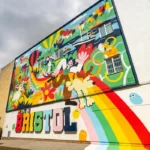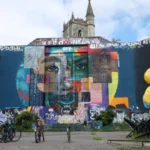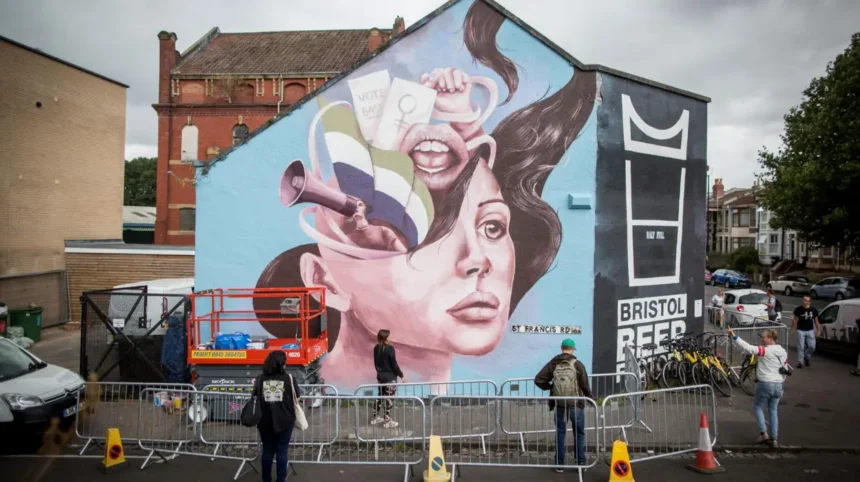
Street art in Bristol is a globally recognized subculture, artistic movement, and economic driver rooted in the city’s countercultural history. The phenomenon encompasses illegal graffiti writing, sanctioned public murals, international arts festivals, and commercial creative enterprises. Born from the convergence of hip-hop culture, punk aesthetics, and political activism during the late 1970s and 1980s, street art in Bristol has transformed the urban landscape of South West England. Today, the city serves as an international epicenter for spray-can art, housing works by world-renowned figures such as Banksy, Inkie, and Nick Walker. The movement operates at the intersection of public expression, municipal policy, heritage tourism, and gentrification, making it a critical component of Bristol’s cultural and economic identity.
- What Is the History of Street Art in Bristol?
- Who Are the Key Artists and Collectives in Bristol?
- Which Bristol Neighborhoods Host the Most Street Art?
- What Major Festivals Celebrate Street Art in Bristol?
- How Does Legal and Municipal Policy Impact Bristol Street Art?
- What Is the Economic and Tourism Impact of Bristol Street Art?
- How Is Street Art Created, Preserved, and Restored?
- What Is the Social and Political Role of Street Art in Bristol?
- What Does the Future Hold for Bristol Street Art?
What Is the History of Street Art in Bristol?
Street art in Bristol originated during the late 1970s and early 1980s as underground youth subcultures merged hip-hop, punk, and graffiti style writing. The movement evolved from illegal aerosol tags into internationally recognized public murals and commercial fine art.
The foundation of street art in Bristol aligns directly with the arrival of American hip-hop culture in the United Kingdom during the late 1970s. Local youths in districts like St Pauls, Montpelier, and Southville adapted New York style subway tagging to the brick facades of Bristol. Early pioneers formed crews such as the Barton Hill Youth Club graffiti collective, which included influential artists like 3D (Robert Del Naja, who later co-founded the band Massive Attack), Goldie, and Inkie. This era established a distinct Bristol aesthetic characterized by bold typography, political satire, and dark humor.
During the late 1980s, law enforcement agencies targeted the emerging movement. In 1989, Operation Anderson represented the United Kingdom’s largest anti-graffiti police operation, resulting in the arrest of over 70 artists across the country, including prominent Bristol writers. Despite state prosecution, the scene adapted rather than dissolved. Artists shifted toward stencil graffiti, speed-painting, and nighttime guerrilla operations to evade law enforcement.
The 1990s marked a pivotal transition as stencil techniques gained traction. Stencils allowed artists to produce complex, politically charged imagery rapidly before authorities could intervene. By the early 2000s, global attention shifted to Bristol due to the rising prominence of Banksy. Major public exhibitions, such as the 2009 Banksy versus Bristol Museum event, drew over 300,000 visitors, signaling the formal institutional acceptance of street art. Today, street art in Bristol is recognized as a vital element of the city’s heritage and visual culture.
Who Are the Key Artists and Collectives in Bristol?
Key artists and collectives in Bristol include individual painters like Banksy, Inkie, Nick Walker, and Cheba, alongside organized groups like the Barton Hill Youth Club collective. These creators define the technical styles, stencils, and murals seen worldwide.
The individual artists who developed their styles in Bristol have exerted a profound influence on international contemporary art. Banksy remains the most famous alumnus of the Bristol scene. Known for satirical, anti-establishment stencil works, Banksy’s pieces integrate architectural features with dark humor. Examples of his iconic works in Bristol include The Mild Mild West in Stokes Croft, Well Hung Lover on Frogmore Street, and Girl with a Pierced Eardrum at Hanover Place.
Tom Bingle, known professionally as Inkie, emerged from the 1980s Bristol scene alongside Banksy and 3D. Inkie combines classic graffiti lettering with Art Nouveau elements, producing intricate, decorative murals globally. Nick Walker, another key pioneer from the 1980s, utilizes freehand painting combined with multi-layered stencils. His signature figure, the bowler-hatted “Vandal,” appears on walls across Bristol, London, and New York.
Collectives and contemporary crews continue to shape the local environment. Female-led art groups, community mural collectives, and design studios maintain a active presence. Example artists defining the modern landscape include:
- Cheba: Known for abstract, space-themed compositions using spray paint, resin, and liquid gold.
- Hazee: Recognized for bold, character-driven street work across South Bristol.
- Jody Thomas: A photorealistic aerosol artist known for large-scale portraiture at street festivals.
- Sophi Odling: An artist specializing in vibrant, culturally focused mural installations.
Which Bristol Neighborhoods Host the Most Street Art?
The primary neighborhoods hosting street art in Bristol are Stokes Croft, Bedminster, Southville, the City Centre, and Easton. These districts function as open-air galleries featuring hundreds of permanent and rotating public murals.
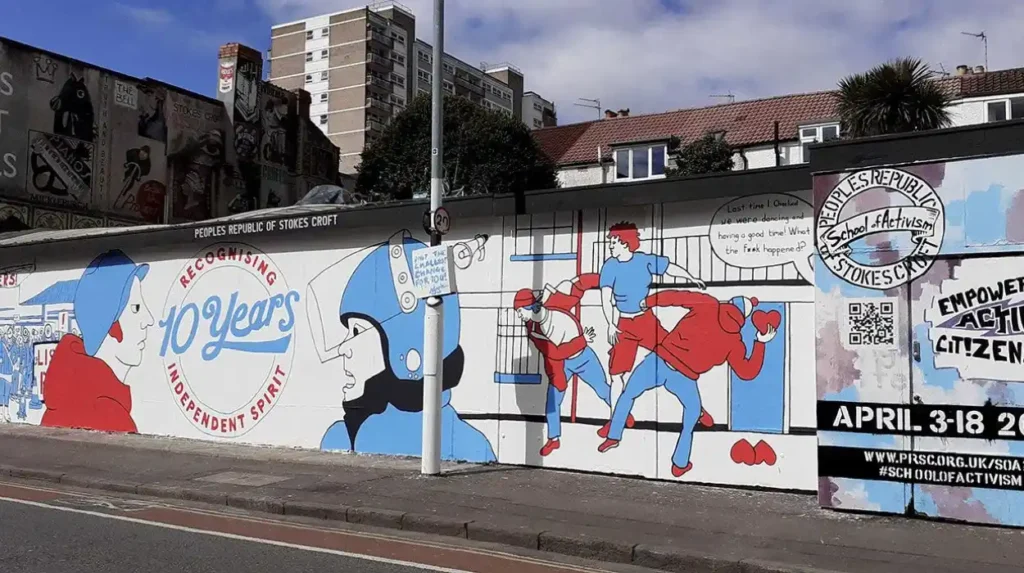
Stokes Croft, located north of the city centre, serves as the cultural heart of Bristol’s independent art scene. The area features dense concentrations of political graffiti, community murals, and commercial storefront paintings along Jamaica Street and Gloucester Road. The neighborhood’s resistance to corporate development has preserved wall space for public expression, including Banksy’s The Mild Mild West mural overlooking Hamilton House.
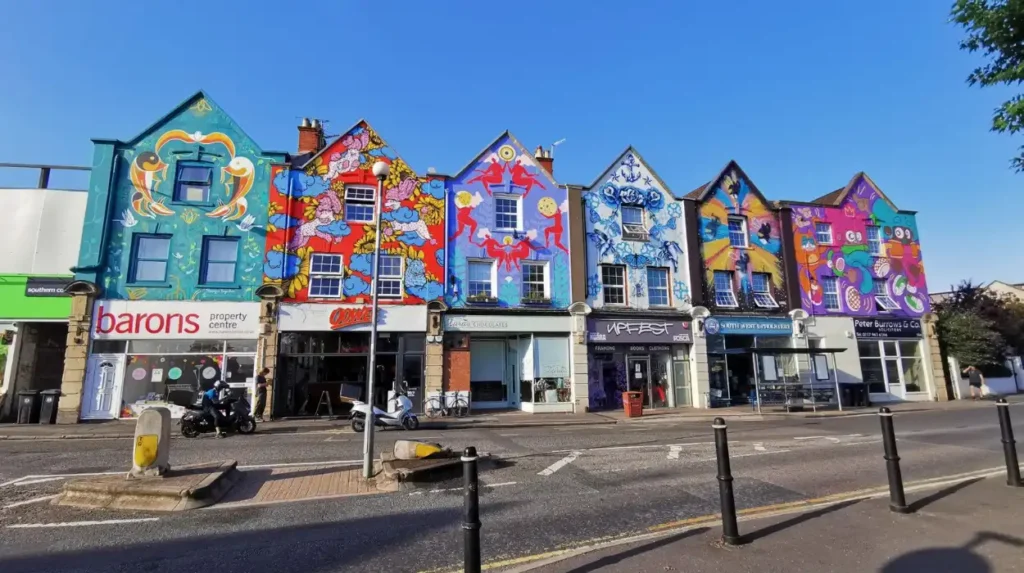
Bedminster and Southville, located south of the River Avon, represent the modern mural capital of the city. Centered around North Street, these neighborhoods host the annual Upfest festival. Buildings, shop shutters, and residential boundary walls display large-scale, multi-story paintings created by international artists. The Six Sisters project on North Street represents one of the UK’s largest contiguous street art installations painted entirely by female artists.
The City Centre and Waterfront districts contain high-profile historic installations. Nelson Street became a major street art destination following the 2011 See No Evil festival, which transformed grey concrete office blocks into multi-story canvases. Easton, an inner-city multicultural district in East Bristol, retains an authentic, underground graffiti culture, displaying early freehand work, political activism pieces, and community art projects along St Mark’s Road and the local railway bridges.
What Major Festivals Celebrate Street Art in Bristol?
Major festivals celebrating street art in Bristol include Upfest and historical events like See No Evil. These events attract hundreds of global artists and tens of thousands of visitors to paint live murals.
Upfest, short for the Urban Paint Festival, stands as Europe’s largest street art and graffiti festival. Founded in 2008 by Stephen Hayles, the non-profit event takes place across Bedminster and Southville. The festival draws over 250 artists from 25 countries to paint more than 30,000 square feet of wall space over a weekend. Upfest attracts approximately 50,000 to 80,000 visitors per edition, generating income for local businesses and funding charities like the National Association for Children of Alcoholics.
See No Evil was a landmark, municipal-backed street art event held on Nelson Street in central Bristol in August 2011 and 2012. Curated by artist Inkie and Bristol City Council, the festival brought together over 70 international street artists to repaint an entire degraded concrete corridor. See No Evil demonstrated how organized urban painting projects could regenerate brutalist urban infrastructure.
In addition to large-scale festivals, localized paint jams and community arts initiatives occur regularly. Events such as the Weston Wallz initiative in nearby coastal areas expand Bristol’s street art footprint across the West of England region. These festivals provide structured platforms where emerging talents paint alongside established street artists.
How Does Legal and Municipal Policy Impact Bristol Street Art?
Legal and municipal policy impacts Bristol street art through a dual framework that penalizes unsanctioned vandalism while funding, licensing, and protecting celebrated public artwork. The city balances property laws with public art initiatives.
Under United Kingdom law, specifically the Criminal Damage Act 1971, unauthorized painting on private or public property constitutes illegal criminal damage. Offenders face fines, community service, or custodial sentences depending on the financial cost of the damage. Bristol City Council operates active street-cleansing teams tasked with removing unwanted tagging, offensive writing, and uncommissioned graffiti from public infrastructure.
However, Bristol’s municipal government adopts a more nuanced approach toward street art compared to other major UK cities. In 2009, Bristol City Council conducted a public vote to decide whether Banksy’s Well Hung Lover stencil on Frogmore Street should be retained or removed. Over 93% of respondents voted to preserve the artwork, establishing a precedent for protecting valuable street art on council-owned property.
Property owners in Bristol frequently request planning permission or sign legal agreements allowing artists to paint on private building facades. The city council collaborates with cultural organizations, business improvement districts, and event management teams to license designated legal walls where artists practice without facing prosecution. This managed approach reduces illegal vandalism while fostering an environment for high-quality public murals.
What Is the Economic and Tourism Impact of Bristol Street Art?
The economic impact of Bristol street art includes generating millions of pounds in tourism revenue, supporting local hospitality, funding cultural initiatives, and driving creative business growth. Street art acts as a major driver for international visitors.
Street art serves as a primary driver of cultural tourism in Bristol. In October 2025, Lonely Planet designated Bristol as the only UK city on its Top 50 destinations list for 2026, explicitly citing its world-class street art ecosystem as a primary factor. Dedicated walking tour operators, such as Where The Wall and Bristol Street Art Tours, bring tens of thousands of domestic and international tourists through neighborhoods like Stokes Croft and Bedminster annually.
According to the Bristol City Council Culture Impact Survey, the broader cultural sector generated £892.9 million in total economic and social impact for the city during the 2023/2024 financial year. Within this framework, public art, festivals, and associated creative industries contributed directly through visitor spending on hotels, dining, retail, and transportation. Upfest alone operates with an event budget exceeding £250,000, funded partly by Arts Council England, crowdfunding, and private corporate sponsorships.
The financial phenomenon known as the “Banksy Effect” has increased property valuations and art market investments across Bristol. Commercial properties featuring authenticated street art pieces experience higher market valuations. Local businesses, including cafes, bars, and retail shops, routinely commission original murals to attract foot traffic and enhance brand identity, integrating visual art directly into commercial operations.
Explore more Area Guide
Museums in Bristol: Top Cultural Attractions | Bristol 2026
Best Bookshops in Bristol: Independent & Rare Finds | Bristol 2026
How Is Street Art Created, Preserved, and Restored?
Street art is created using aerosols, stencils, wheatpaste, and projection mapping, and preserved using specialized protective coatings, glass covers, and community restoration projects.
The physical creation of street art relies on diverse technical media. Artists utilize specialized low-pressure aerosol paint cans fitted with varied nozzles (caps) to control spray width, gradients, and line precision. Stencil artists design multi-layered cutouts from paper, card, or plastic sheets, spraying paint through each layer sequentially to construct complex, multi-colored images rapidly. Other techniques include paste-ups (paper prints adhered with wheatpaste), roller paint for background fills, and digital projection alignment for large-scale multi-story buildings.
Preserving outdoor artwork against weather degradation, UV radiation, and unwanted tagging presents physical challenges. Environmental conservation strategies include:
- Anti-Graffiti Clear Coatings: Transparent polyurethane coatings applied over completed murals allow authorities to wash off uncommissioned top tags using mild solvents without dissolving the underlying art.
- Physical Barriers: Transparent acrylic (Perspex) shields installed over high-value works, such as Banksy stencils, protect surfaces from physical scratching and vandalism.
- Targeted Restoration: Specialized art conservators clean dirt, remove top layers of spray paint, and re-apply original paint colors to historic murals.
Despite these preservation efforts, street art remains inherently ephemeral. Property developments, weather erosion, and painting over existing walls mean many works naturally disappear over time. Local photographic archives and digital mapping projects document these transient visual assets before they are modified or destroyed.
What Is the Social and Political Role of Street Art in Bristol?
The social and political role of street art in Bristol focuses on expressing anti-authoritarian activism, addressing community issues, campaigning against social inequality, and challenging urban gentrification.
Bristol possesses a historic tradition of political radicalism, civil rights activism, and anti-establishment protest. Street art functions as a visual medium for this political culture. Murals across the city address systemic issues including housing affordability, racial justice, environmental sustainability, climate change, and anti-war advocacy. The medium provides marginalized groups and independent creators with an accessible public platform without traditional gallery gatekeepers.
However, street art occupies a paradoxical position within urban regeneration and gentrification. While public murals enhance visual aesthetics and foster community pride, they also signal urban renewal that can raise property values and rental prices. Neighborhoods like Stokes Croft and Bedminster have experienced demographic shifts as visual art attracts private investment and commercial development. Artists in Bristol frequently debate these dynamics, creating works that directly critique real estate speculation and corporate co-optation of underground culture.
Community-led public art initiatives counter gentrification pressures by ensuring local residents participate in mural design. Projects in housing estates across East and South Bristol utilize public painting workshops to educate youth, teach aerosol art techniques, and address localized social issues through shared public art.
What Does the Future Hold for Bristol Street Art?
The future of Bristol street art involves integrating digital technologies like augmented reality, using eco-friendly materials, securing permanent public funding, and navigating corporate sponsorships.
The technical execution of street art in Bristol continues to evolve through digital technology. Artists incorporate augmented reality (AR) triggers into physical paint murals. Viewers scanning artwork with smartphones can view animated layers, audio commentary, or interactive digital stories superimposed over physical painted walls. This hybrid model bridges traditional street art with digital media.
Environmental sustainability represents another primary focus for the future of urban painting. Contemporary artists increasingly utilize eco-friendly, water-based aerosol paints, non-toxic pigment systems, and air-purifying lime-based paints that absorb atmospheric carbon dioxide as they cure. Festival organizers, including Upfest management, prioritize waste reduction, aerosol can recycling initiatives, and sustainable event logistics to minimize environmental footprints.
The economic sustainability of the movement depends on balancing grassroots authenticity with commercial support. As municipal budgets face constraints, public art events rely more on public funding from bodies like Arts Council England alongside private sponsorships. Bristol’s street art community remains committed to protecting its independent, countercultural origins while maintaining its position as a global center for public art.
What is the origin of street art in Bristol?
Street art in Bristol originated during the late 1970s and early 1980s as underground youth subcultures merged hip-hop, punk, and graffiti style writing. Early artists in areas like Barton Hill adapted New York subway tagging into a distinct Bristol style characterized by political satire and bold typography.