Bristol has one of the strongest museum networks in South West England, combining art, archaeology, natural history, industrial heritage, maritime history and social history. The city’s museums also document Bristol’s development as a port, manufacturing centre, cultural destination and modern city.
- What are the main museums in Bristol?
- Why is Bristol Museum & Art Gallery important?
- What can visitors learn at M Shed?
- Which Bristol museums are best for local history?
- What can visitors see at Bristol’s Roman museum site?
- How do Bristol museums preserve their collections?
- How large are Bristol’s museum collections?
- How do Bristol museums address colonial and slavery history?
- Are Bristol museums free to visit?
- Which museums in Bristol are suitable for families?
- How should visitors plan a museum day in Bristol?
- What makes Bristol’s museums important for the future?
- Why should museums be part of a Bristol visitor itinerary?
The main museum network is operated through Bristol Museums & Archives, part of Bristol City Council’s Culture and Creative Industries team. Its collections contain more than two million museum items, alongside approximately 10 miles of archive shelving held across museum sites, stores and Bristol Archives.
The museum story began in 1823, when collections were established through the Museum of the Bristol Institution for Science, Literature and the Arts. Bristol Archives followed in 1924. Nearly two centuries of collecting have created extensive holdings covering art, archaeology, biology, geology, history, world cultures and applied arts.
For visitors, Bristol offers several different museum experiences. Bristol Museum & Art Gallery covers art, archaeology, natural history and world cultures. M Shed focuses on Bristol itself. Blaise Museum, the Georgian House Museum and Red Lodge Museum preserve historic buildings and domestic history. Kings Weston Roman Villa provides archaeological evidence of Roman occupation.
Many Bristol museums are free to enter. Bristol City Council confirms that its museums and galleries are free, although some special exhibitions require payment and advance booking.
What are the main museums in Bristol?
Bristol’s principal museums include Bristol Museum & Art Gallery, M Shed, Blaise Museum, Georgian House Museum, Red Lodge Museum and Kings Weston Roman Villa, with Bristol Archives providing an additional major historical resource for the city.
These venues cover different periods and subjects, making Bristol’s museum offer broader than a conventional art-and-history collection.
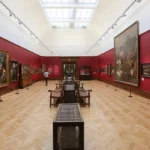
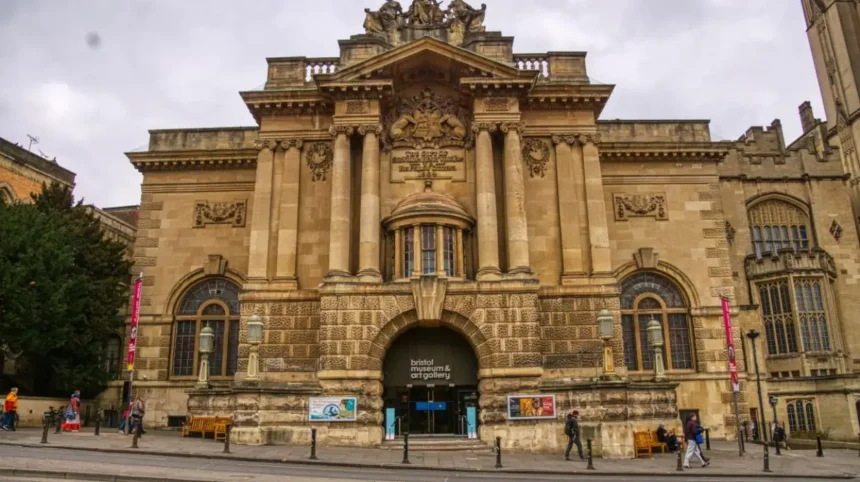
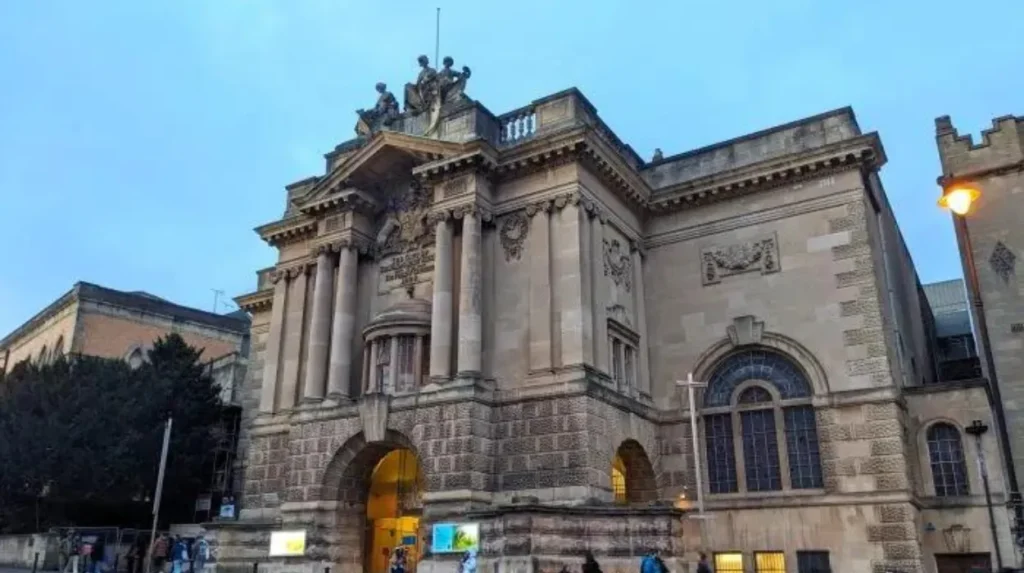
Bristol Museum & Art Gallery is the city’s major general museum. Its galleries cover art, nature and history. Displays include Egyptian mummies, dinosaurs, wildlife, geology, paintings, pottery and glass. The museum occupies a substantial historic building and provides collections across three principal floors.
M Shed is Bristol’s dedicated city museum. Its galleries examine the people, places and industries that shaped Bristol from prehistoric times to the present. The museum also interprets Bristol’s maritime and industrial heritage through working exhibits and large objects.
Blaise Museum is located within the Blaise Estate in north-west Bristol. It focuses on local social history, including clothing, toys and household life.
Georgian House Museum recreates aspects of an eighteenth-century Bristol merchant’s home. The building provides an important setting for understanding domestic life, trade and Bristol’s involvement in the transatlantic traffic in enslaved Africans.
Red Lodge Museum preserves historic rooms associated with Tudor and Elizabethan Bristol. Bristol City Council identifies its surviving interiors as including three of the city’s oldest rooms and the last complete Elizabethan room in the United Kingdom.
Kings Weston Roman Villa provides archaeological evidence of Roman life near Bristol. Visitors can see Roman architectural remains, including a bath suite and mosaic floors.
Bristol Archives is not a conventional museum but is essential for researching the city. Its collections include historic records, photographs and films covering roughly ten centuries of Bristol’s history.
Why is Bristol Museum & Art Gallery important?
Bristol Museum & Art Gallery is the city’s major multidisciplinary museum, combining art, archaeology, natural history and world cultures. Its collections range from Egyptian archaeology and dinosaurs to paintings, ceramics, geological specimens and wildlife.
The museum provides the broadest introduction to Bristol’s cultural and scientific collections.
Its ground floor includes Egyptian mummies, South West wildlife and temporary exhibition space. The first floor includes Alfred the Gorilla, a Romany wagon, dinosaurs, rocks and wildlife. The second floor contains art galleries displaying paintings, pottery, glass and other forms of craftsmanship.
The archaeology collection has developed over more than 200 years. It contains material from the Mediterranean and British Isles, with particular emphasis on archaeological discoveries from the Bristol area. The museum holds archaeological material connected with more than 3,500 archaeological sites.
The geology collection has particular scientific importance. It contains internationally significant Jurassic marine reptile specimens and material connected with the early development of geological ideas. The geology collections received Designated status in 1998 because of their historic and scientific value.
The art collections cover paintings, sculpture, works on paper, installation and moving-image art from the Renaissance period to contemporary practice. Applied art collections include ceramics, glass, furniture, metalwork, jewellery and textiles.
The Asian and Islamic art collection covers objects from China, Japan, South Asia and the Islamic world. Its holdings range from approximately 2500 BCE to the present and hold Designated status because of their national and international importance.
The museum therefore connects scientific research, archaeology, art history and social history within one institution.
What can visitors learn at M Shed?
M Shed explains Bristol through the objects, buildings, industries and personal stories that shaped the city. Its three galleries cover Bristol from prehistoric times to the present and focus on local people, places, maritime activity, industry and social history.
M Shed occupies a former dockside industrial building on Bristol’s harbourside. Its location reinforces the museum’s focus on Bristol as a port and industrial city.
The museum’s collections include thousands of objects connected with industrial, maritime and social history. Additional material is stored in the adjoining L Shed, where the collection includes large machinery, models and other objects that cannot all be displayed in the galleries.
M Shed also maintains working heritage exhibits. These include historic industrial and maritime objects that require specialist maintenance and operational knowledge. The Working Exhibits team works with volunteers to maintain and run these displays.
The museum also addresses difficult aspects of Bristol’s history. These include the city’s role in the transatlantic traffic in enslaved Africans and the wider consequences of colonialism.
Bristol Museums & Archives acknowledges that the city was a major centre in the transatlantic traffic in enslaved Africans. The museum service has incorporated this history into displays at M Shed and the Georgian House Museum while continuing work on interpretation and community collaboration.
This approach makes M Shed important for understanding both Bristol’s achievements and the historical systems that shaped its wealth and international connections.
Which Bristol museums are best for local history?
M Shed, Blaise Museum, the Georgian House Museum and Red Lodge Museum provide the strongest concentration of local-history material, covering Bristol’s communities, homes, industries, trade, domestic life and historic buildings across different periods.
Local history in Bristol extends beyond political events. Museum collections document ordinary life, work, housing, clothing, entertainment, transport and trade.
Blaise Museum focuses on social history within a historic setting. Displays include clothing and toys, providing evidence of how people lived and what children used in earlier periods.
The Georgian House Museum provides a different perspective. Its preserved rooms demonstrate aspects of domestic life around 1790 and connect the building with Bristol’s sugar trade and the history of slavery.
Red Lodge Museum represents an earlier period. Its surviving interiors provide evidence of Elizabethan architecture and elite domestic life in Bristol.
M Shed provides the widest chronological local-history overview. Its displays move from prehistoric Bristol to the modern city and examine how people and places shaped urban development.
Bristol Archives extends this research through written records, photographs, films and other historical material. The archive is particularly valuable for people researching family history, property, businesses, organisations and local communities.
Together, these institutions provide a layered record of Bristol rather than a single historical narrative.
What can visitors see at Bristol’s Roman museum site?
Kings Weston Roman Villa provides archaeological evidence of Roman occupation near Bristol, including a Roman bath suite and mosaic floors. The site forms part of Bristol Museums’ archaeological network and connects the city region with Britain’s Roman period.
Roman archaeology is an important component of Bristol’s wider museum collection.
Kings Weston Roman Villa preserves evidence of a Roman-period settlement and provides a physical connection to the landscape in which people lived during Roman Britain.
The site is particularly significant because archaeological remains provide information that written sources cannot fully explain. Buildings, floors, ceramics, environmental evidence and other archaeological materials reveal patterns of occupation, construction and daily life.
Bristol Museum’s wider archaeology collection places these local discoveries within a broader British and Mediterranean context. The archaeology department contains material from more than 3,500 archaeological sites, while Bristol Museum serves as the recognised repository for archaeological archives generated through planning processes in Bristol and South Gloucestershire.
The collection therefore supports both public education and professional archaeological research.
How do Bristol museums preserve their collections?
Bristol museums preserve collections through conservation, documentation, environmental controls, specialist storage, research and responsible loans. Conservators care for objects ranging from paintings and archaeological finds to geological specimens and industrial machinery.
Museum preservation involves more than placing objects behind glass.
Bristol Museums’ Collections Care Department includes conservation, collections documentation and working-exhibit specialists. Conservation staff care for collections across the city’s two principal museums, three historic houses, Bristol Archives and Kings Weston Roman Villa.
Preventive conservation controls environmental risks. These include light, humidity, insects and unsuitable display or storage materials. Such controls reduce deterioration and extend the usable life of historic objects.
Documentation is equally important. Museum records identify what an object is, where it came from, who donated it and why it is significant. Documentation systems also support digital access, image licensing and loans.
Large industrial objects require different conservation techniques from paper, textiles or paintings. M Shed’s working exhibits therefore require specialist maintenance to keep machinery and other heritage objects operational.
These processes allow museums to balance public access with long-term preservation.
How large are Bristol’s museum collections?
Bristol Museums & Archives holds more than two million museum items and approximately 10 miles of archive shelving. The collections span art, archaeology, biology, geology, history, world cultures and applied arts.
The scale of the collections explains why visitors see only a fraction of the material held by Bristol’s museums.
Bristol Museums states that its first collections were assembled more than 200 years ago. Collecting has continued across generations, creating holdings that include objects, artworks, specimens, photographs, oral histories, paper archives and related materials.
The current collections are organised into eight curatorial departments: Applied Art, Archaeology, Art, Asian and Islamic Art, Biology, Geology, History and World Cultures.
The collection structure supports specialist research. Archaeologists study material evidence. Geologists examine specimens and geological history. Art specialists research paintings and other visual works. Historians interpret objects and records connected with Bristol and wider societies.
The collections are also accessible digitally. Bristol Museums provides an online collections search that allows users to explore objects without visiting a museum building.
This digital access is important for researchers, students and visitors planning a museum trip.
Explore more Area Guide
Best Markets in Bristol: Top Food, Vintage & Local Shopping Guide 2026
Independent Shops in Bristol: Local Stores, Streets, and Shopping
How do Bristol museums address colonial and slavery history?
Bristol Museums openly addresses the city’s connections with colonialism and the transatlantic traffic in enslaved Africans. M Shed and the Georgian House Museum present related histories while the museum service develops decolonisation, community collaboration and repatriation work.
Bristol’s museum collections reflect the city’s position as a major historic trading port.
Bristol Museums acknowledges that the formation and development of its collections occurred during the period of the British Empire. The museum service also recognises that objects entered British collections through systems shaped by colonial power and exploitation.
The city’s relationship with slavery is particularly important. Bristol was a major centre in the transatlantic traffic in enslaved Africans, which involved the forced transportation of millions of African people to the Americas.
Museum interpretation has developed through community involvement. Examples include the Fabric Africa exhibition in 2019, which involved members of Bristol’s African community, and the Empire through the Lens project, which involved community members in interpreting historical images.
Bristol Museums also addresses repatriation. This concerns whether cultural objects should be returned to their countries or communities of origin. The museum service states that requests are considered according to the individual circumstances of particular objects.
This work demonstrates how museums increasingly combine preservation with critical historical interpretation.
Are Bristol museums free to visit?
Most Bristol City Council museums and galleries are free to enter, including Bristol Museum & Art Gallery and M Shed. Some temporary exhibitions require payment, while groups and certain activities require advance booking.
Free entry makes Bristol’s museums accessible for visitors planning a low-cost cultural itinerary.
Bristol City Council states that its museums and galleries are free to enter. Visitors sometimes need to pay for specific exhibitions, and pre-booking is recommended for some activities.
Bristol Museum & Art Gallery operates free general admission and is open Tuesday to Sunday from 10am to 5pm according to its current visitor information. Groups of 10 or more need to book in advance.
M Shed also provides free entry. Its current visitor information lists opening from Tuesday to Sunday, 10am to 5pm. Groups of 10 or more and school groups need advance arrangements.
Visitors should check official museum information before travelling because exhibition schedules, opening hours and booking requirements change.
Which museums in Bristol are suitable for families?
Bristol offers family-friendly museum experiences across science, natural history, archaeology, transport and local history. Bristol Museum & Art Gallery, M Shed, We The Curious and Kings Weston Roman Villa provide distinct educational experiences for children and adults.
Bristol Museum & Art Gallery combines dinosaurs, wildlife, Egyptian archaeology and interactive family activities. Its broad subject range allows children to encounter science, history and art in one building.
M Shed provides family access to Bristol’s history through large objects, vehicles, machinery and stories about the city. The museum also has dedicated facilities for families, including buggy parking and babycare facilities.
We The Curious is not part of Bristol Museums & Archives, but it is an important science attraction in the city. The science centre reopened in July 2024 after a period of closure and introduced more than 200 interactive things to do across two floors, alongside its Planetarium.
Kings Weston Roman Villa provides a more archaeological experience. It connects family learning with physical Roman remains and evidence of ancient settlement.
These venues demonstrate that Bristol’s museum landscape supports different learning styles rather than a single type of visitor.
How should visitors plan a museum day in Bristol?
Visitors can combine Bristol Museum & Art Gallery with nearby cultural attractions, then explore M Shed and the harbourside before visiting historic houses or archaeological sites. Checking opening hours, exhibitions, accessibility and booking requirements creates the most efficient itinerary.
The most efficient museum itinerary depends on the subjects a visitor wants to study.
For art, archaeology and natural history, Bristol Museum & Art Gallery provides the strongest starting point. Its three floors contain collections spanning science, nature, archaeology and visual culture.
For Bristol’s own history, M Shed is the natural next destination. Its harbourside position also places visitors close to other cultural and waterfront attractions.
Historic-house visitors can then explore the Georgian House Museum, Red Lodge Museum or Blaise Museum. These sites provide smaller-scale experiences focused on architecture, domestic life and local social history.
Kings Weston Roman Villa is better treated as a separate archaeological visit because it is located away from the central museum cluster.
Visitors should check official opening information before travelling. Bristol Museum & Art Gallery and M Shed currently operate Tuesday to Sunday, while individual historic houses have their own schedules.
Accessibility information is also available through individual museum services. M Shed has level entrances and three wheelchair-accessible lifts serving its floors.
What makes Bristol’s museums important for the future?
Bristol’s museums remain important because they combine historical collections with research, conservation, digital access, community participation and changing interpretations of difficult histories. Their future role extends beyond preservation to education, public research and responsible cultural stewardship.
The long-term value of Bristol’s museums rests on the combination of physical collections and professional knowledge.
More than two million museum items provide a large research resource. The collections cover local and international subjects, while Bristol Archives preserves extensive documentary evidence about the city and its communities.
Digital access is another important development. Bristol Museums provides online collection searches and digital exhibition resources, extending access beyond the physical museum buildings.
Community participation is also changing museum interpretation. Projects connected with colonial history, Black history and repatriation demonstrate a greater focus on the origins of objects and the perspectives of communities connected with them.
Conservation remains fundamental. Museum staff control environmental conditions, document collections and repair objects so that they remain available for future generations.
Bristol’s museum network therefore functions as a cultural, educational and research infrastructure. It preserves evidence of the past while continually reassessing how that evidence should be interpreted and shared.
Why should museums be part of a Bristol visitor itinerary?
Museums provide one of the clearest ways to understand Bristol’s art, science, archaeology, industry, maritime history and social development. Free admission at major council museums also makes cultural exploration accessible for visitors with different budgets and interests.
Bristol’s museums cover an unusually broad historical range.
Bristol Museum & Art Gallery provides the largest concentration of art, natural history and archaeology. M Shed explains the development of Bristol itself. The Georgian House Museum and Red Lodge Museum preserve historic domestic environments. Blaise Museum explores local social history. Kings Weston Roman Villa provides archaeological evidence of Roman Britain. Bristol Archives adds documentary depth.
The collections also provide important evidence about Bristol’s global connections. The city’s history as a port is reflected in maritime collections, while its involvement in slavery and colonial trade is addressed through museum interpretation and ongoing decolonisation work.
For visitors, the museums offer a practical way to understand the city before exploring its streets, harbourside, historic buildings and neighbourhoods.
For researchers, they provide substantial collections covering archaeology, geology, biology, art, history and world cultures.
For families, they provide accessible opportunities to learn through objects, exhibitions and historic environments.
For Bristol itself, the museums preserve a record of how the city developed and how its history continues to be understood.
Bristol’s museum network is therefore more than a collection of visitor attractions. It is a long-term public record of the city, its people, its environment and its connections with the wider world.
What are the best museums in Bristol?
Bristol’s leading museums include Bristol Museum & Art Gallery, M Shed, Blaise Museum, Georgian House Museum, Red Lodge Museum and Kings Weston Roman Villa. Each focuses on different aspects of art, archaeology, science, local history and heritage.