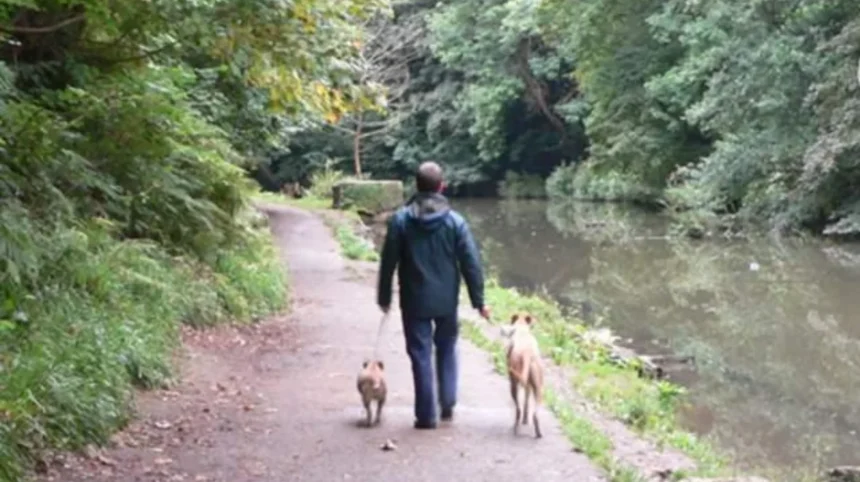
Bristol is a city in southwest England known for its historic harbour, independent food businesses, extensive green spaces and access to the countryside. It offers dog owners a wide range of places to explore, from urban parks and riverside paths to woodland trails, outdoor cafés and welcoming pubs. Visit Bristol identifies more than 400 parks and green spaces across the city, making outdoor recreation a central part of its appeal.
- What makes Bristol a dog-friendly city?
- Which parks in Bristol are best for walking dogs?
- Where can you find the best dog-friendly walks in Bristol?
- Bristol Floating Harbour
- The Frome Valley Walkway
- Stoke Park
- Harbour and city-centre walking routes
- How should you choose a walking route?
- Which dog-friendly pubs and cafés should you visit in Bristol?
- Mud Dock
- Junction at Wapping Wharf
- Harbour House
- Racks in Clifton
- KASK and Wiper and True
- What should you check before visiting a dog-friendly café?
- Which dog-friendly attractions near Bristol are worth visiting?
- Tyntesfield
- Leigh Woods nature reserve
- Bristol harbour boat trips
- Westonbirt Arboretum and other countryside destinations
- What are the dog rules in Bristol’s parks and public spaces?
- When must dogs be kept on a lead?
- Where are dogs prohibited?
- What are the penalties for breaking dog-control rules?
- How can you plan a dog-friendly day out in Bristol?
- Morning: Snuff Mills and Oldbury Court
- Midday: Bristol Floating Harbour
- Afternoon: Wapping Wharf
- What should you pack?
- Where can you stay with a dog in Bristol?
- How can you keep your dog safe while exploring Bristol?
- Protect your dog around rivers and lakes
- Protect wildlife and livestock
- Prepare for weather and changing conditions
- Why is Bristol a practical destination for dog owners?
A dog-friendly Bristol guide helps residents and visitors identify places where dogs are welcome, understand local restrictions and plan practical outings. The options include free public parks, managed country estates, dog-friendly hospitality venues and selected attractions that allow dogs in designated areas.
The most important distinction is that a dog-friendly destination does not always permit dogs everywhere on its premises. Owners need to check lead requirements, restricted areas, access conditions and individual business policies before setting out.
What makes Bristol a dog-friendly city?
Bristol is dog-friendly because it combines extensive public green space, accessible walking routes, welcoming hospitality venues and countryside destinations nearby. Dog owners can explore urban parks, historic estates, harbour paths and selected attractions while following local rules and individual venue restrictions.
Bristol’s landscape supports different types of dog outings. The city centre offers short walks around public squares and the Floating Harbour. Residential neighbourhoods provide local parks for daily exercise, while the outskirts connect visitors to woodland, open countryside and larger estates.
Visit Bristol highlights places including Ashton Court Estate, Leigh Woods, Blaise Castle Estate, Stoke Park and Snuff Mills. These destinations provide different walking environments, including open grassland, wooded paths, riverside scenery and historic parkland.
Dog-friendly facilities also extend beyond walking routes. Selected pubs, cafés, restaurants and brewery taprooms welcome dogs, with some providing outdoor seating, water bowls or dog treats. Certain boat trips and guided walking tours also accept dogs, subject to their individual terms.
This variety makes Bristol suitable for short daily walks, weekend outings and longer visits with a dog. Owners can choose activities according to their dog’s age, fitness, temperament and comfort around traffic, crowds and other animals.
Which parks in Bristol are best for walking dogs?
Bristol’s dog-walking parks include Ashton Court Estate, Blaise Castle Estate, Eastville Park, Oldbury Court, Snuff Mills and Leigh Woods. These locations provide open lawns, woodland paths, riverside scenery and longer walking routes, with local signs determining where dogs require leads.
Ashton Court Estate
Ashton Court Estate is a large historic estate west of central Bristol, known for its parkland, woodland and views across the city. It provides space for longer dog walks and outdoor recreation. The Courtyard Café is identified by Visit Bristol as a dog-friendly refreshment stop.
The estate suits owners who want to combine exercise with a café visit. Keep dogs under control around wildlife, livestock and other visitors, and follow any temporary restrictions displayed on site.
Blaise Castle Estate
Blaise Castle Estate in northwest Bristol combines historic grounds, woodland and open parkland. Its paths offer a choice of shorter strolls and more substantial walks. The estate also contains a museum and family facilities, although access for dogs depends on the specific building or area.
Owners should check the route and terrain before visiting with puppies, older dogs or animals with limited mobility. Woodland trails become muddy after rain, so suitable footwear and a towel are useful.
Eastville Park
Eastville Park in northeast Bristol contains open grassland, a lake, recreational facilities and access to riverside walking routes. It provides an option for neighbourhood walks, exercise and time outdoors without travelling to the city’s outskirts. Visit Bristol also identifies Eastville Park as a destination for grassy walks and outdoor recreation.
Dogs should be kept on a lead near the lake where local guidance requires it. Check current water-quality notices and wildlife warnings before allowing a dog near any water.
Oldbury Court and Snuff Mills
Oldbury Court Estate and Snuff Mills connect parkland with the River Frome and wooded paths. The area offers relatively flat walking sections, riverside scenery and opportunities to extend a walk through adjoining green spaces. Some routes are suitable for people using wheelchairs or pushchairs, although individual path conditions vary.
This area suits owners looking for a nature-focused walk close to residential neighbourhoods. Riverbanks can be slippery, particularly after rain, so keep dogs close to the path where the ground drops steeply.
Leigh Woods
Leigh Woods is a woodland nature reserve near the Clifton Suspension Bridge, managed by Forestry England and the National Trust. Its trails pass through woodland and offer views towards the Avon Gorge. Some routes are more demanding than paved city walks, and parking charges apply to visitors using designated car parks.
Choose a route that matches your dog’s fitness. Keep dogs close to you around cyclists, other walkers and wildlife, and check reserve notices before exploring sensitive habitats.
Where can you find the best dog-friendly walks in Bristol?
Dog-friendly walks in Bristol range from short harbour strolls to woodland trails and long countryside routes. Popular choices include the Floating Harbour, the Frome Valley Walkway, Leigh Woods, Snuff Mills and Ashton Court, with lead rules and terrain varying by location.
Bristol Floating Harbour
The Floating Harbour is a historic waterfront area in central Bristol. Its pedestrian routes pass waterside buildings, cafés, restaurants and visitor attractions. A harbour walk provides a convenient way to combine sightseeing with exercise without committing to a long countryside route.
Dogs should remain under control around busy paths, outdoor dining areas and cyclists. The water’s edge presents an additional hazard, particularly for dogs that pull on the lead or jump towards birds.
The Frome Valley Walkway
The Frome Valley Walkway follows the River Frome through green spaces and residential areas. Sections connect the wider Eastville Park and Oldbury Court area, providing options for shorter walks or longer outings.
Route conditions differ along the walkway. Some sections include woodland, uneven surfaces and narrow paths. Before starting, check the intended distance, access points and whether the chosen stretch suits your dog’s mobility.
Stoke Park
Stoke Park is an extensive historic landscape in northeast Bristol, recognised for its open slopes, views and landmark yellow Dower House. Visit Bristol includes the estate among the city’s popular dog-walking destinations.
The exposed grassland offers a different experience from sheltered woodland. In wet weather, slopes become slippery and muddy. Owners should keep dogs under control around other visitors and respect any signs relating to wildlife or protected areas.
Harbour and city-centre walking routes
City-centre routes suit visitors staying in hotels or travelling without a car. Walking around the Floating Harbour and nearby public spaces allows dogs and owners to explore Bristol’s architecture, waterside scenery and cafés in one outing.
Busy pedestrian areas require close supervision. Avoid letting dogs approach unfamiliar people, food stalls or other animals without permission. For a quieter experience, start earlier in the day and avoid the busiest periods around major attractions.
How should you choose a walking route?
The right route depends on distance, surface, shade, water access and your dog’s behaviour. A short pavement walk suits a puppy or older dog, while a fit adult dog often handles a longer woodland or estate route.
Check the weather before leaving. Hot pavements can injure paws, while heavy rain creates slippery paths and stronger currents in rivers. Carry drinking water, waste bags and a lead, even when a park normally permits off-lead exercise.
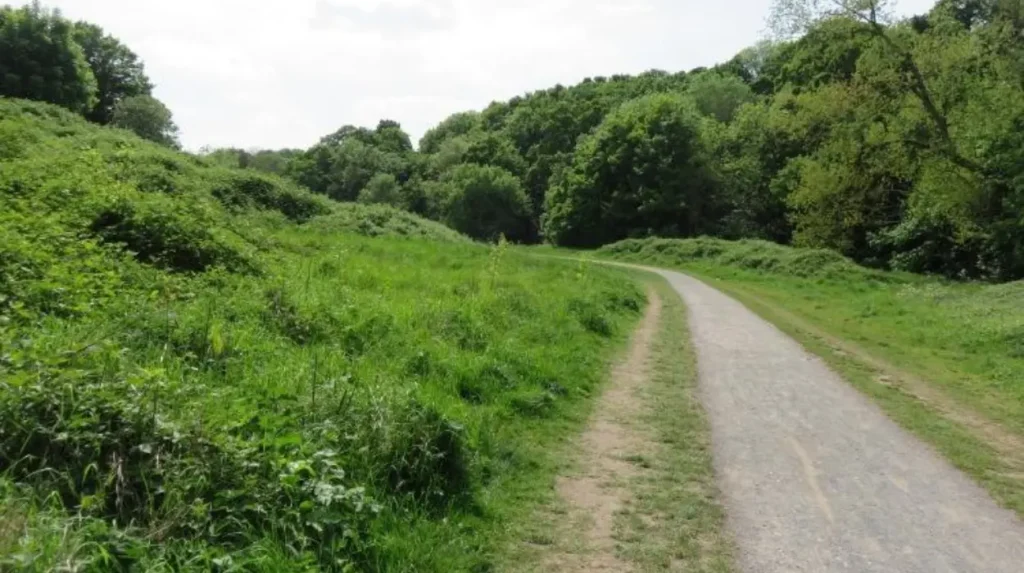
Which dog-friendly pubs and cafés should you visit in Bristol?
Bristol has dog-friendly pubs, cafés, restaurants and brewery taprooms across the harbour, Clifton, Bedminster and other neighbourhoods. Options highlighted by Visit Bristol include Mud Dock, Junction, Harbour House, Racks, KASK and Wiper and True, subject to current venue policies.
Mud Dock
Mud Dock is a restaurant and café near Bristol’s Floating Harbour. Visit Bristol lists it as a dog-friendly dining destination, including seating options overlooking the water. Its location makes it a practical stop during a waterfront walk.
Check which seating areas accept dogs before arriving. Keep your dog beside your table rather than in busy walkways, and bring a portable water bowl if the venue does not provide one.
Junction at Wapping Wharf
Junction is a bar and restaurant in Wapping Wharf, a popular food destination near the harbour. Visit Bristol identifies its outdoor terrace as a dog-friendly option. It fits naturally into a walking itinerary around the waterfront and nearby food venues.
Wapping Wharf attracts pedestrians and diners throughout the day. Keep dogs close while moving between restaurants, and check whether indoor seating is available for pets during cold or wet weather.
Harbour House
Harbour House is another waterside dining option listed by Visit Bristol. Its riverside terrace gives dog owners an opportunity to eat outdoors while exploring central Bristol. The location works well for visitors combining a meal with a harbour walk.
Confirm the latest access arrangements before visiting, especially if you require indoor seating. Outdoor availability depends on weather and the venue’s operating arrangements.
Racks in Clifton
Racks is a pub and hospitality venue in Clifton. Visit Bristol identifies it as a dog-friendly establishment, with the main bar welcoming dogs and treats available for canine visitors.
Clifton’s streets can be busy, so walk your dog on a lead when approaching the venue. Inside, choose a position where your dog can settle without obstructing staff or other customers.
KASK and Wiper and True
KASK is a wine bar in Bedminster, while Wiper and True operates brewery taprooms in Bristol. Visit Bristol lists these among places where dogs are welcome. Wiper and True’s taprooms are particularly relevant to visitors interested in combining a casual drink with a dog-friendly outing.
Hospitality policies differ between branches and events. Contact the venue before travelling, particularly if you are visiting with a large dog, several dogs or a puppy that is still learning to settle in public.
What should you check before visiting a dog-friendly café?
Look for clear confirmation that dogs are allowed in the seating area you intend to use. Some venues accept pets indoors, while others restrict access to outdoor terraces or designated sections.
Check these practical details before departure:
- Whether dogs are welcome indoors, outdoors or in both areas.
- Whether a lead is required throughout the premises.
- Whether water bowls are provided.
- Whether advance booking is necessary.
- Whether the venue has changed its pet policy for private events.
Which dog-friendly attractions near Bristol are worth visiting?
Dog-friendly attractions near Bristol include Tyntesfield, Leigh Woods, selected boat trips, outdoor heritage sites and nearby countryside destinations. Access varies by attraction, so check whether dogs are allowed throughout the grounds, only on outdoor routes or in designated visitor areas.
Tyntesfield
Tyntesfield is a National Trust estate near Wraxall, southwest of Bristol. The Victorian estate has woodland, parkland, gardens and walking paths. Dogs are welcome in many outdoor areas on short leads, but they are not permitted inside the historic house or the Walled Garden.
The estate also has designated dog-friendly facilities around Home Farm, including a section of the Cow Barn Café. Water bowls are available in specified locations. Check the National Trust’s current access information before visiting because conservation requirements and temporary restrictions affect some areas.
The Tyntesfield Tynings Walk is a one-mile (1.6-kilometre) route that takes approximately 30–40 minutes. The National Trust describes it as an easy, dog-friendly walk through woodland and seasonal wildflower areas. Some sections become muddy or uneven.
Leigh Woods nature reserve
Leigh Woods offers a nature-focused alternative to formal attractions. Its woodland trails provide opportunities to explore local habitats and view the Avon Gorge. The reserve is suitable for owners who want an outdoor visit without entering a museum or historic building.
Dogs should remain under control around wildlife and other visitors. Check route conditions and any restrictions before setting off, especially if your dog is likely to chase squirrels, birds or other animals.
Bristol harbour boat trips
Some sightseeing trips on Bristol’s harbour accept well-behaved dogs. Visit Bristol identifies Bristol Ferry Boats and certain Bristol Packet Boat Trips as options for people exploring the city with their pets.
Check the operator’s current policy before purchasing a ticket. Confirm whether dogs travel free, whether a lead or muzzle is required, and whether the dog can accompany you on the specific departure. Boat decks also require close supervision because of water, narrow gangways and other passengers.
Westonbirt Arboretum and other countryside destinations
Westonbirt Arboretum in Gloucestershire is a wider regional option for visitors planning a day trip from Bristol. Visit Bristol identifies its dog-friendly arboretum as an attraction where dogs can explore designated outdoor areas.
The surrounding region also offers countryside walks in Somerset, South Gloucestershire and the Cotswolds. These destinations provide alternatives to urban parks, but travel distance, parking arrangements and local access rules need to be checked before departure.

What are the dog rules in Bristol’s parks and public spaces?
Bristol’s dog-control rules require owners to clean up after their dogs, follow lead restrictions and respect areas where dogs are prohibited. Public Spaces Protection Orders apply in designated locations, and breaches can result in a £100 fixed penalty, reduced to £60 when paid within ten days.
Bristol City Council uses Public Spaces Protection Orders (PSPOs) to manage dog-related behaviour in specified public spaces. These orders support responsible ownership and address problems such as dog fouling, uncontrolled dogs and access to restricted areas.
When must dogs be kept on a lead?
Lead requirements depend on the location and the restrictions currently in force. Bristol City Council states that dogs can be exercised off lead in parks and green spaces not covered by the relevant Dog Control Public Space Protection Order. Owners must follow signs and instructions from authorised officers.
A lead is also important where dogs could disturb wildlife, approach livestock or create a hazard for other park users. Some privately managed estates apply their own lead rules, even when a nearby public park permits off-lead exercise.
Where are dogs prohibited?
Certain locations exclude dogs under local orders or site-specific rules. Bristol City Council identifies South Street Playing Fields as an area where dogs are excluded at all times under a PSPO. Assistance dogs for people with disabilities are treated separately under the council’s stated restrictions.
Dog owners should never assume that every lawn, playground, sports field or conservation area permits dogs. Check posted signs and the council’s current restrictions before entering a site.
What are the penalties for breaking dog-control rules?
Bristol City Council states that a fixed penalty notice can be issued for specified breaches, including failing to clean up after a dog or ignoring applicable lead and exclusion requirements. The published penalty is £100, reduced to £60 if paid within ten days. Failure to pay can lead to court proceedings and a fine of up to £1,000.
These rules make checking local notices an essential part of planning dog-friendly activities. Owners should carry waste bags, keep a lead available and ensure their dog remains under effective control throughout the visit.
How can you plan a dog-friendly day out in Bristol?
A dog-friendly day out in Bristol works best when you combine a suitable walking route, a confirmed dog-friendly café or pub, transport planning and regular water breaks. Check opening times, lead requirements, parking, weather conditions and access restrictions before leaving home.
A practical itinerary reduces unnecessary travel and helps your dog stay comfortable throughout the day. Bristol’s parks, harbour paths and hospitality venues support several types of outing, from a short morning walk to a full day exploring the city.
Morning: Snuff Mills and Oldbury Court
Start with a woodland and riverside walk. Choose a route appropriate for your dog’s fitness, and keep your dog close near the river and other walkers.
Midday: Bristol Floating Harbour
Explore the waterfront at a relaxed pace. Allow time for water breaks and avoid crowded sections if your dog is uncomfortable around busy pedestrian areas.
Afternoon: Wapping Wharf
Finish with a meal or drink at a venue that confirms its dog policy. Keep your dog settled beside your table and away from serving routes.
This itinerary combines green space, sightseeing and dining without requiring a long countryside drive. Owners travelling by car can substitute Ashton Court or Tyntesfield for the morning walk, depending on travel time and admission requirements.
What should you pack?
Bring a secure lead, waste bags, drinking water, a portable bowl and your dog’s usual treats. Pack a towel during wet weather and consider paw protection when conditions are unusually hot or cold.
Dogs with specific dietary needs should receive their normal food rather than unfamiliar treats. Carry any essential identification and ensure your dog has a current identification tag and microchip details.
Where can you stay with a dog in Bristol?
Dog-friendly accommodation in Bristol includes selected hotels, serviced apartments and self-catering properties. Visit Bristol lists options such as Hotel du Vin, The Bristol, Artist Residence and selected apartment providers, but guests must confirm pet charges, room availability and current conditions.
Choosing accommodation depends on your dog’s size, the length of your stay and access to nearby walking routes. A property close to a park or waterfront path reduces the distance needed for early-morning and late-evening walks.
Visit Bristol identifies several dog-welcoming accommodation options, including Hotel du Vin & Bistro, The Bristol, Artist Residence and selected properties operated by Premier Suites and Your Apartment.
Before booking, confirm whether dogs are permitted in the specific room category, whether an additional cleaning fee applies and whether dogs can be left unattended. Ask about nearby green space, lifts, stairs and any limits on the number of pets.
For longer stays, self-catering accommodation provides greater flexibility around feeding and walking schedules. Check the property’s outdoor-space arrangements and whether the garden is securely enclosed before relying on it for exercise.
Explore More Area Guide
Things to Do With Babies in Bristol: Family Guide
Baby-Friendly Cafés in Bristol: A Parent’s Guide
How can you keep your dog safe while exploring Bristol?
Keep your dog safe in Bristol by using leads where required, carrying fresh water, avoiding unsafe river access, cleaning up waste and respecting wildlife. Choose routes that match your dog’s fitness, check local warnings and supervise your pet around traffic and crowded public spaces.
Safety is important because Bristol’s walking environments include busy streets, steep slopes, wooded paths, rivers and open parkland. Each environment presents different risks.
Protect your dog around rivers and lakes
The Floating Harbour, River Frome and park lakes provide attractive scenery but require care. Water edges can be slippery, and currents or submerged hazards are difficult to assess from the bank.
Keep dogs away from water where signs advise against entry. Bristol City Council’s St George Park guidance, for example, has instructed visitors to keep dogs on leads near the lake and not allow them into the water during a reported avian botulism concern. Check current notices before visiting.
Protect wildlife and livestock
Woodland and countryside routes support birds, small mammals and other wildlife. Dogs chasing animals can disturb habitats, injure wildlife or put themselves at risk.
Keep dogs close in sensitive areas and follow estate-specific rules. The National Trust asks visitors to keep dogs on short leads at Tyntesfield to protect wildlife, plants and livestock.
Prepare for weather and changing conditions
In summer, schedule longer walks for cooler parts of the day and carry enough water for both you and your dog. Avoid hot surfaces when temperatures rise.
After rain, expect mud and slippery ground on woodland trails and estate paths. Check route conditions and select shorter, flatter walks when your dog has limited mobility.
Why is Bristol a practical destination for dog owners?
Bristol offers dog owners a combination of public parks, historic estates, urban walking routes, pet-welcoming hospitality and nearby countryside. Its more than 400 parks and green spaces support regular exercise, while selected attractions and businesses make longer visits with dogs easier to organise.
The city’s appeal comes from the range of experiences available within one destination. Residents can use local parks for everyday exercise, while visitors can explore the harbour, walk through woodland and stop at participating cafés or pubs.
Dog-friendly access remains site-specific. Public parks, managed nature reserves, National Trust properties, restaurants and transport operators each set conditions based on safety, conservation and the needs of other visitors.
The most useful approach is to plan around confirmed access rather than assuming that a dog-friendly label means unrestricted entry. Check the relevant council, estate or business information before travelling, particularly when visiting during events, seasonal restrictions or periods of unusual weather.
With suitable preparation, Bristol provides a range of options for short walks, outdoor meals, heritage visits and longer countryside excursions. Owners who follow local rules and respect other visitors help preserve these spaces for everyone.
Is Bristol a dog-friendly city?
Yes, Bristol is a dog-friendly city with more than 400 parks and green spaces, woodland trails, riverside walks, dog-welcoming cafés and pubs. Dogs are welcome at many outdoor destinations, subject to local rules and individual venue policies.