Key Points
- Disruption on Route: There are no trains currently running between Bath Spa and Bristol Temple Meads as a result of engineering works.
- Time Period: Suspension of service will be in effect starting Monday 26th October until Wednesday 28th October.
- Alternatives Provided: Alternative bus service will operate between Bath and Bristol, and they accept rail tickets.
- Tasks Undertaken: These include the repair of historical tunnels at Twerton and vegetation clearance between Twerton tunnel and Keynsham.
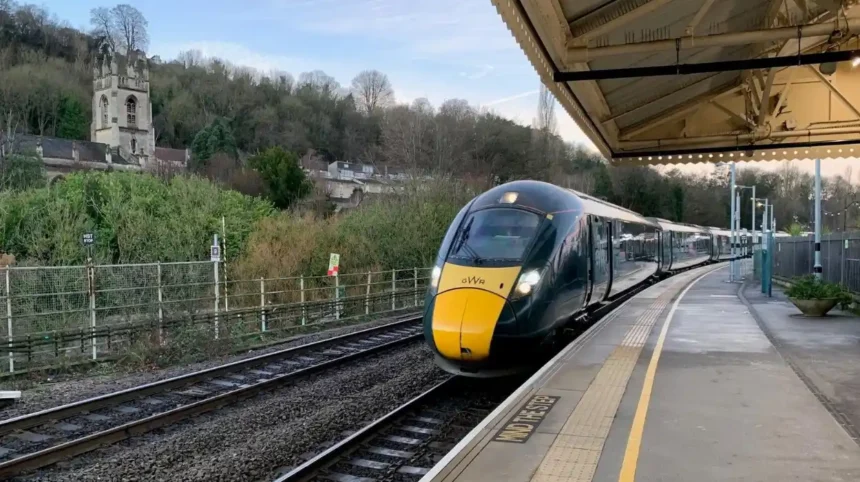
- Changes for GWR: GWR services between London Paddington and Bristol Temple Meads are re-routed and do not stop at Chippenham and Bath Spa.
- New Route: Shuttle trains are in operation between London Paddington and Bath Spa through Chippenham.
- Official Quotes: Comments from GWR Station Manager Oana Apetroaie and Network Rail Senior Portfolio Manager Claudia Philps.
Bath (Bristol Express News) October 26, 2026 – Rail passengers travelling through Somerset and the West of England face three days of disruption as engineering works halt all direct train services between Bath Spa and Bristol Temple Meads. The temporary closure, which impacts commuters and visitors alike, commenced on Monday 26th October and is scheduled to remain in effect until Wednesday 28th October, with rail replacement bus services stepping in to maintain connectivity.
What Are The Alternative Travel Arrangements And Bus Replacements?
As reported by Becky Feather of the Bath Echo, replacement buses are currently replacing trains between Bath Spa and Bristol Temple Meads for the duration of the engineering blockade. Valid rail tickets can be used to travel on First West of England bus services operating between Bath city centre and Bristol city centre, Bath city centre and Oldfield Park, and Bristol city centre and Keynsham.
The transport providers have organized two distinct bus frequencies to accommodate affected commuters. According to details published by the Bath Echo, a fast bus service running three times per hour has been deployed alongside a slower service operating one to two buses per hour, which calls specifically at Keynsham and Oldfield Park. Clear signposting has been established at the affected railway stations to guide passengers to the designated pick-up and drop-off locations for all rail replacement services.
How Are Great Western Railway Services Altered During The Engineering Work?
Train operator Great Western Railway (GWR) has introduced substantial timetable modifications and diversions across the wider regional network while the line between Bath and Bristol is closed. As detailed by Becky Feather of the Bath Echo, trains running between London Paddington and Bristol Temple Meads are utilizing an alternative route and will omit stops at Chippenham and Bath Spa.
To maintain access for passengers travelling from the capital, separate shuttle trains are running between London Paddington and Bath Spa via Chippenham. Furthermore, direct services between Oxford and Bristol Temple Meads have been suspended, with customers advised to change trains at Didcot Parkway.
Conversely, normal train operations are largely preserved on several other connecting corridors. Services continue to run between Bristol Temple Meads, Cardiff Central, Gloucester, and Worcester Shrub Hill, with select services making additional operational stops at Ashley Down. Additionally, train connections between Bath Spa, Westbury, and Portsmouth Harbour remain unaffected, while separate train services continue to operate between Westbury and Weymouth.
Why Is Network Rail Closing The Line For Essential Maintenance?
The temporary suspension of rail services has been orchestrated to facilitate comprehensive engineering and maintenance tasks managed by Network Rail. As reported by the Bath Echo, the project involves critical repairs to the historic railway tunnel located at Twerton. In addition to the structural masonry work inside the heritage tunnel, teams are utilizing the complete line closure to carry out extensive vegetation clearance along the corridor situated between Twerton tunnel and Keynsham.
Project leaders have emphasized that consolidating multiple labor-intensive tasks during a single three-day blockade minimizes the necessity for repeated weekend or evening disruptions in the future.
What Did Industry Officials Say About The Engineering Work?
Key representatives from both the train operating company and the infrastructure owner have released official statements regarding the necessity of the project and the resulting passenger disruption.
As reported by Becky Feather of the Bath Echo, GWR’s Station Manager for Bath Spa, Oana Apetroaie, stated:
“This improvement work is essential to keep trains running reliably between Bath and Bristol for the communities who depend on them.”
Oana Apetroaie further advised customers regarding journey times, stating:
“Replacement buses will serve all the affected stations, but journeys will take longer. Please check before you travel at gwr.com/upgrade and allow extra time.”
Adding to these remarks, Network Rail’s Great Western route Senior Portfolio Manager, Claudia Philps, explained the scope of the maintenance schedule. As reported by the Bath Echo, Claudia Philps stated:
“We’re carrying out essential maintenance between Bristol and Bath this October, including repairs to the historic tunnel at Twerton.”
Claudia Philps also highlighted the logistical efficiency of the blockade, stating:
“We’ll also make the most of the line closure to complete a range of important work, including vegetation management between Twerton tunnel and Keynsham, helping to keep journeys safe and reliable for passengers.”
Background Of The Development
The recent suspension of rail services between Bath Spa and Bristol Temple Meads forms part of an ongoing, nationwide infrastructure upgrade program overseen by Network Rail across the Great Western main line and its connecting regional branches. The rail corridor connecting Bristol Temple Meads through Bath Spa toward London Paddington is one of the busiest and most historically significant arterial routes in the West of England, supporting heavy commuter, intercity, and freight traffic daily.
Engineering works on this specific section frequently require total line closures because of the physical constraints posed by Victorian-era infrastructure, including complex cutting geometries, embankments, and historic masonry structures such as the Twerton tunnel. Over successive decades, managing vegetation growth and preserving heritage brickwork have remained vital maintenance priorities for Network Rail to prevent weather-related delays, leaf-fall adhesion issues, and structural degradation. Coordinated line blockades of this nature allow engineers unhindered access to track beds and overhead or adjacent structures that cannot be safely or efficiently maintained during standard overnight maintenance windows when regular train services resume.
The temporary three-day closure of the line between Bath Spa and Bristol Temple Meads directly impacts local commuters, university students, and regional tourists who rely on the direct rail link for daily travel, employment, and commerce between Somerset and Bristol. While the implementation of First West of England replacement buses and diverted GWR services provides alternative transit options, the extended journey times and mandatory transfers are expected to introduce localized congestion on regional roadways and platforms during the morning and evening peak hours.
Over the medium to long term, however, the completion of structural repairs at the historic Twerton tunnel and comprehensive vegetation clearance along the corridor are projected to enhance overall network reliability, reduce unplanned signalling or weather-related delays, and safeguard the structural integrity of the track. For regular passengers, these short-term logistical inconveniences contribute to a more resilient and dependable rail service, ultimately minimizing unexpected cancellations and ensuring smoother connectivity across the West of England transport network in the future.