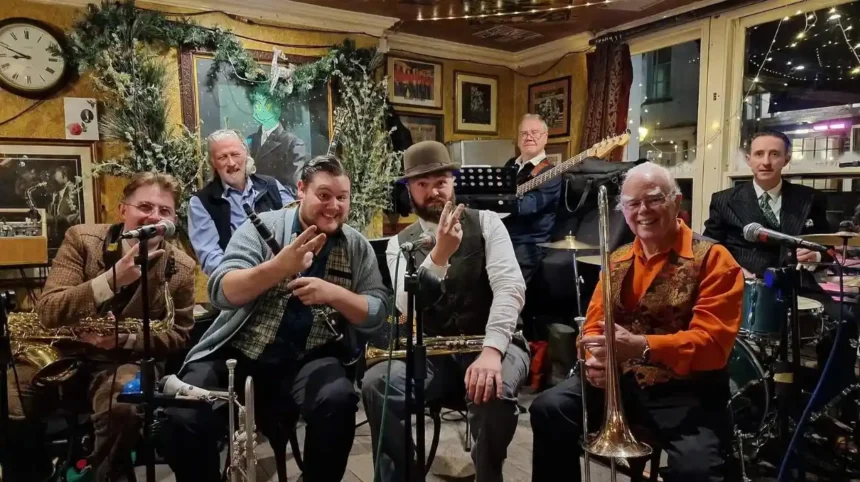
Jazz in Bristol is an established part of the city’s live music culture, connecting traditional New Orleans jazz, swing, blues, bebop, contemporary jazz and experimental sounds. Bristol, in South West England, has a long history of supporting jazz musicians through independent pubs, specialist music venues, community organisations, festivals and local performance spaces.
- What Is the Jazz Scene in Bristol Known For?
- How Did Jazz Develop in Bristol?
- Bristol Jazz During the Post-War Period
- Early Jazz Clubs and Performance Spaces
- The Rise of The Old Duke
- Which Are the Best Places to Hear Live Jazz in Bristol?
- The Old Duke, King Street
- The Canteen, Stokes Croft
- The Gallimaufry, Gloucester Road
- The Jam Jar, St Jude’s
- The Be-Bop Club
- The Old Fish Market
- What Types of Jazz Can You Experience in Bristol?
- Traditional New Orleans Jazz
- Swing Jazz
- Bebop and Modern Jazz
- Latin Jazz
- Jazz Fusion and Experimental Jazz
- What Is the Bristol Jazz Festival?
- Where Can You Find Jazz Jam Sessions in Bristol?
- The Role of Jam Sessions
- Where Are Bristol’s Jam Sessions Held?
- Can Beginners Participate in Jazz Jam Sessions?
- Which Bristol Musicians Have Contributed to the City’s Jazz Heritage?
- How Does Bristol Support Emerging Jazz Musicians?
- How Can You Enjoy Jazz in Bristol as a Visitor?
- What Is the Future of Jazz in Bristol?
- Preservation of Musical Heritage
- Support for Independent Venues
- Contemporary Musical Influences
- Wider Audience Participation
- Why Is Jazz an Important Part of Bristol’s Cultural Identity?
The city’s jazz culture combines historical traditions with modern musical influences. Longstanding venues such as The Old Duke have provided regular stages for traditional jazz musicians, while independent spaces across Stokes Croft, Easton and central Bristol support contemporary performers and emerging artists.
Bristol also has an important musical heritage preserved through Bristol Archives. Interviews with local musicians document how jazz developed in the city throughout the twentieth century. These historical records provide insight into the musicians, clubs, audiences and working conditions that shaped the local scene.
For residents, students and visitors, Bristol offers opportunities to experience jazz through live performances, informal jam sessions, specialist events and larger concerts. Its jazz culture remains connected to independent music communities and the city’s wider cultural identity.
What Is the Jazz Scene in Bristol Known For?
Bristol’s jazz scene is known for traditional jazz, swing, blues, contemporary improvisation and independent live music. Its identity centres on historic pubs, specialist venues, local musicians and community-led performances that connect established jazz traditions with newer musical styles.
Jazz is a musical genre built around improvisation, rhythmic variation, expressive performance and interaction between musicians. It developed in the United States during the late nineteenth and early twentieth centuries, particularly within African American communities in New Orleans.
Bristol’s relationship with jazz reflects the genre’s international development. Local musicians adopted traditional jazz styles before exploring modern jazz, bebop, fusion and experimental approaches.
The city has several characteristics that distinguish its jazz culture.
Traditional and New Orleans Jazz
Traditional jazz is an important part of Bristol’s musical heritage. This style draws on early New Orleans jazz, collective improvisation, syncopated rhythms and recognisable melodies.
Performances frequently feature trumpets, clarinets, trombones, banjos, double basses and drums. The Old Duke remains particularly associated with this musical tradition.
Contemporary and Modern Jazz
Contemporary jazz incorporates influences from several musical traditions, including funk, electronic music, soul, hip-hop and world music.
Bristol’s independent venues provide spaces for musicians exploring these combinations. Performances range from small acoustic ensembles to experimental projects involving electronic instruments and unconventional arrangements.
Community-Based Performances
Community participation is another important feature of Bristol jazz. Regular pub performances, open-mic events and jam sessions give local musicians opportunities to perform alongside established artists.
These events also make jazz accessible to audiences who do not regularly attend specialist concerts.
How Did Jazz Develop in Bristol?
Jazz developed in Bristol through touring musicians, dance bands, pub performances, local clubs and post-war musical communities. During the twentieth century, musicians established regular performance opportunities that gradually created a recognisable local jazz network.
Bristol’s jazz history forms part of the wider arrival and development of jazz in Britain. American jazz recordings, touring performers and British dance bands introduced new musical approaches to audiences across the country.
During the early twentieth century, dance orchestras and entertainment venues provided employment for musicians. Jazz-influenced arrangements became increasingly familiar through popular entertainment.
Bristol’s historical development is documented in research by jazz musician and academic John Berry. His work, Gigging, Busking and Bending the Dots: How People Learn to Be Jazz Musicians, examines the experiences of Bristol jazz musicians between 1945 and 2012.
The research records how musicians developed their skills through performance, observation, interaction and participation in local musical communities.
Bristol Jazz During the Post-War Period
Following the Second World War, Bristol’s jazz community developed through pubs, clubs, dance venues and informal performance networks.
Musicians learned through practical experience. They listened to recordings, attended performances, played with other musicians and developed their improvisational abilities.
Bristol Archives preserves interviews with musicians who worked in the city during this period. Some interviewees began performing in the 1930s and played for the Entertainments National Service Association (ENSA), an organisation that provided entertainment for service personnel during wartime.
The interviews also document changing attitudes towards jazz. Bristol musician Jeff Smith recalled receiving punishment at school in 1938 for playing a jazz record. By 1966, the same school had introduced a jazz society.
These accounts demonstrate how jazz gradually gained wider cultural acceptance.
Early Jazz Clubs and Performance Spaces
The historical Bristol jazz scene developed around smaller venues rather than relying exclusively on large concert halls.
The White Horse in Ashley Road is identified in Bristol’s archival research as an early pub to organise jazz nights.
Other locations mentioned in musicians’ accounts include venues in Stokes Croft, Lawrence Hill, Totterdown and College Green.
These spaces provided opportunities for musicians to develop performance experience and establish relationships with audiences.
The Rise of The Old Duke
The Old Duke became one of Bristol’s most recognisable jazz institutions.
The pub’s music history dates particularly from its development as a dedicated jazz venue in 1967. Its location on King Street and its association with traditional jazz helped establish it as an important meeting point for local musicians.
The venue’s name references Duke Ellington, the influential American jazz composer, pianist and bandleader.
The Old Duke also became associated with established Bristol groups, including the Severn Jazzmen and Blue Notes.
Which Are the Best Places to Hear Live Jazz in Bristol?
The best-known places to experience live jazz in Bristol include The Old Duke, The Canteen, The Gallimaufry, The Jam Jar and specialist jazz performance spaces. Each venue offers a different atmosphere, programme and approach to live music.
Bristol’s jazz performances take place across traditional pubs, independent music venues, bars and dedicated concert spaces.
The programme at each location changes according to performers, event organisers and seasonal schedules. Checking individual venue listings before travelling provides the most reliable information.
The Old Duke, King Street
The Old Duke is one of the most established destinations for jazz in Bristol.
Located at 45 King Street, the historic pub is known for its regular live music programme. Jazz, blues, soul, country and funk feature in its performances.
Traditional jazz has a particularly strong presence. The venue’s published programme includes regular traditional jazz sessions, while other evenings feature blues musicians, guest performers and open-mic events.
The Old Duke states that live music takes place every night and admission is free. This makes it an accessible option for residents and visitors interested in experiencing Bristol’s pub jazz culture.
The Canteen, Stokes Croft
The Canteen combines food, community activity and independent live music.
Its programme covers different musical styles, including jazz-related performances. The venue is particularly relevant to people interested in contemporary and alternative music rather than exclusively traditional jazz.
Its location in Stokes Croft also places it within one of Bristol’s best-known independent cultural districts.
The Gallimaufry, Gloucester Road
The Gallimaufry is an independent bar and live music space associated with eclectic programming.
Its musical activities have included jazz performances and artist residencies. Bristol jazz musicians have also appeared through projects such as Snazzback.
The venue offers an alternative setting for audiences interested in jazz-influenced music, independent artists and experimental sounds.
The Jam Jar, St Jude’s
The Jam Jar is an independent community arts and music venue.
Its programme features artists from different countries and musical backgrounds. Although it is not exclusively a jazz venue, its wider music programme provides opportunities to discover jazz-related performances, international sounds and experimental projects.
The venue also operates as a creative hub with workspaces and studio facilities.
The Be-Bop Club
The Be-Bop Club is a specialist jazz organisation and performance destination in Bristol.
Its focus on jazz makes it particularly relevant to audiences seeking dedicated jazz concerts rather than general live music events.
The club’s programme has included contemporary jazz musicians and specialist performances. Checking its current listings helps visitors identify upcoming concerts and participating artists.
The Old Fish Market
The Old Fish Market hosts a regular Sunday jazz session from 7pm, according to its published programme.
The venue describes performances featuring rotating musicians, jazz standards and modern favourites.
Its central location on Baldwin Street makes it convenient for people exploring Bristol city centre. The venue also states that advance booking is not required for its regular jazz sessions.
What Types of Jazz Can You Experience in Bristol?
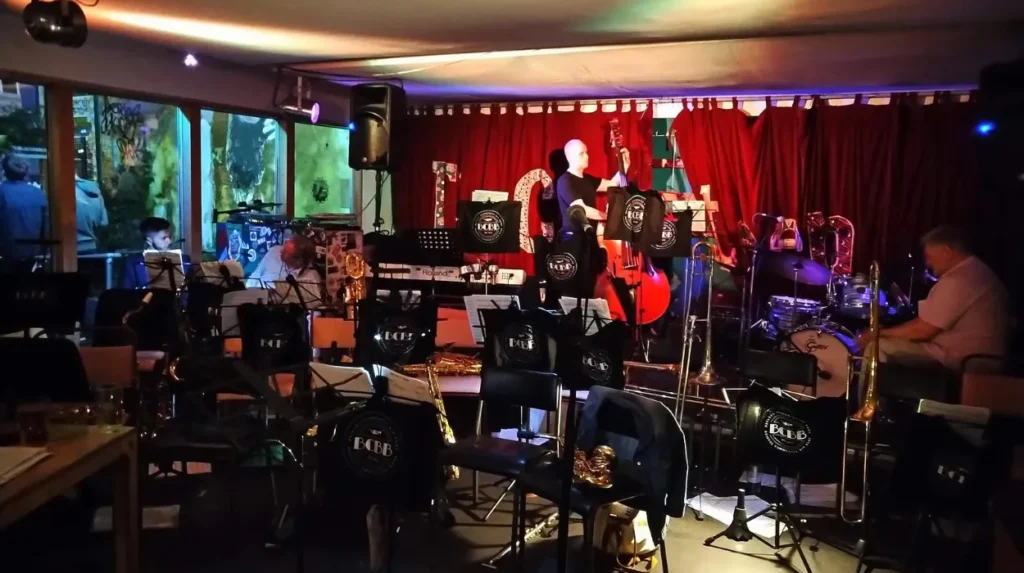
Bristol offers several jazz styles, including traditional New Orleans jazz, swing, bebop, contemporary jazz, Latin jazz and jazz fusion. Local venues and musicians connect these traditions through live concerts, improvisation, jam sessions and experimental performances.
The variety of jazz available in Bristol reflects the genre’s development over more than a century. Each style has distinctive musical characteristics, instrumentation and performance techniques.
Traditional New Orleans Jazz
Traditional New Orleans jazz developed from early jazz traditions in Louisiana. It features collective improvisation, syncopated rhythms and ensemble playing.
In Bristol, this style has a strong association with The Old Duke. Traditional jazz bands regularly perform arrangements influenced by early American jazz.
Instruments include trumpet, clarinet, trombone, banjo, piano, double bass and drums.
Swing Jazz
Swing became popular during the 1930s and 1940s. It features a distinctive rhythmic feel, melodic arrangements and opportunities for instrumental improvisation.
Swing performances often involve larger ensembles, although smaller groups also perform this style.
Bristol’s traditional jazz venues provide opportunities to hear swing standards and arrangements influenced by the big-band era.
Bebop and Modern Jazz
Bebop developed during the 1940s through musicians who explored complex harmonies, fast tempos and advanced improvisation.
Modern jazz performances frequently feature saxophones, trumpets, piano, bass and drums.
Specialist jazz programmes, including events associated with The Be-Bop Club, provide opportunities to discover musicians working within modern jazz traditions.
Latin Jazz
Latin jazz combines jazz improvisation with rhythms and musical traditions from Latin America and the Caribbean.
Its musical influences include Afro-Cuban rhythms, Brazilian bossa nova and salsa.
Performances can feature percussion, piano, bass, brass instruments and guitar. Bristol’s international music culture provides an environment for Latin jazz and related musical projects.
Jazz Fusion and Experimental Jazz
Jazz fusion combines jazz with other genres, including rock, funk, electronic music and soul.
Experimental jazz focuses on unconventional structures, sound textures, improvisation and alternative approaches to composition.
Independent Bristol venues provide spaces for musicians exploring these styles. Such performances attract listeners interested in contemporary music beyond conventional jazz arrangements.
What Is the Bristol Jazz Festival?
The Bristol International Jazz and Blues Festival is a major event in the city’s jazz history, established in 2012. It brought internationally recognised performers and local musicians together through concerts and performances at venues including Bristol Beacon.
Jazz festivals provide concentrated opportunities to experience different performers, musical styles and collaborative projects.
Bristol’s International Jazz and Blues Festival became an important part of the city’s cultural programme. Academic research into British music festivals identifies the event as a significant jazz and blues festival established in 2012.
The research also identifies Bristol Beacon, formerly Colston Hall, as its main venue during the period examined.
What Happens at a Jazz Festival?
Jazz festivals generally combine different types of performances and activities.
These include:
- Concert performances: Professional jazz musicians present prepared musical programmes.
- Local artist showcases: Bristol-based musicians perform original compositions and established jazz standards.
- Collaborative performances: Musicians from different backgrounds perform together.
- Educational activities: Workshops and discussions introduce audiences to jazz instruments, improvisation and musical techniques.
- Specialist performances: Traditional jazz, contemporary jazz, blues and experimental music receive dedicated stages or programme slots.
These activities create opportunities for professional musicians, emerging performers and audiences to participate in the city’s musical culture.
How Can Visitors Find Bristol Jazz Festival Events?
Festival schedules and future event arrangements change between editions. Visitors should check official event announcements, Bristol music listings and venue websites before making plans.
The distinction between a historical festival and a currently scheduled edition is important. The establishment of the festival in 2012 does not establish that a new edition takes place every year.
For regular jazz performances outside festival periods, The Old Duke and independent Bristol music venues provide alternative options.
Where Can You Find Jazz Jam Sessions in Bristol?
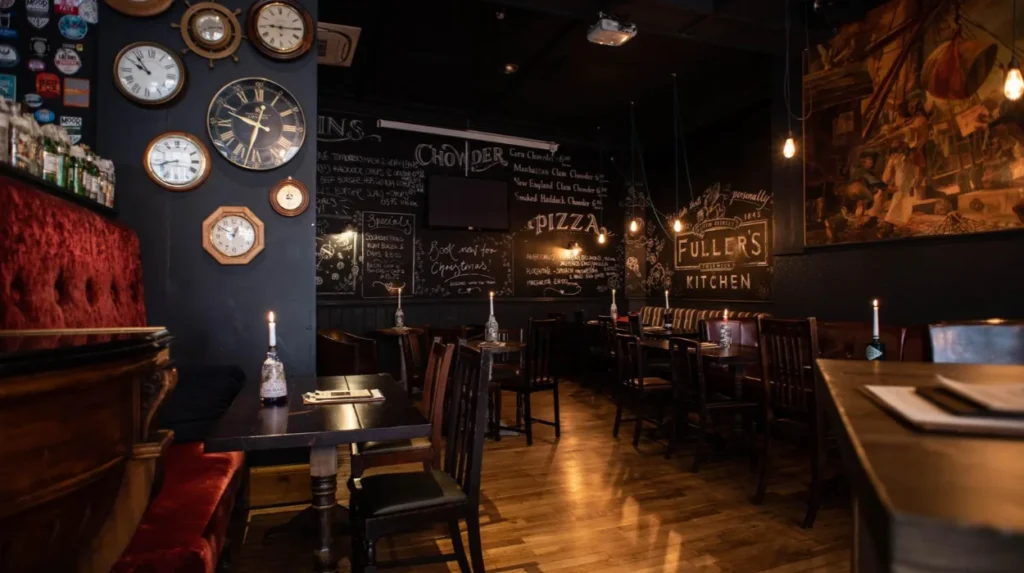
Jazz jam sessions in Bristol provide informal opportunities for musicians to perform together without following a completely fixed concert programme. Local pubs and independent music venues organise sessions featuring improvisation, guest performers and spontaneous musical collaboration.
A jazz jam session is an informal musical gathering where musicians perform together, often using familiar jazz standards.
Unlike a conventional concert, a jam session allows musicians to join performances and contribute improvisations.
Bristol’s jazz community uses these events to support musical development and maintain connections between performers.
The Role of Jam Sessions
Jam sessions support the practical development of jazz musicians.
Participants learn how to communicate musically, follow chord progressions, maintain tempo and respond to other performers.
They also provide opportunities for musicians to meet potential collaborators and develop professional relationships.
Regular participation helps musicians build confidence and improve their improvisational skills.
Where Are Bristol’s Jam Sessions Held?
Bristol Jazz Live identifies several venues associated with local jam sessions and informal jazz performances.
These include The Canteen in Stokes Croft, The Stag and Hounds, The Old Stillage in Redfield, Mr Wolf’s and The Fringe.
The programme and frequency of sessions vary between venues. Some events are regular, while others depend on individual organisers and musicians.
People interested in participating should check the venue’s latest announcements rather than assume that a previous session schedule remains unchanged.
Can Beginners Participate in Jazz Jam Sessions?
Beginners can develop their understanding of jazz through listening and participation. However, musicians joining a public jam session benefit from basic instrumental ability and familiarity with common jazz standards.
A practical starting point involves learning basic chord progressions, understanding jazz rhythms and listening to recordings of established performers.
New musicians can also attend sessions as audience members before deciding to participate.
Which Bristol Musicians Have Contributed to the City’s Jazz Heritage?
Bristol’s jazz heritage includes musicians, bandleaders, instrumentalists and educators whose performances shaped local musical communities. Historical interviews preserved by Bristol Archives document their experiences and provide evidence of the city’s changing jazz culture.
The development of jazz in Bristol depends on the musicians who performed in local venues, organised bands and passed musical knowledge between generations.
John Berry’s interviews provide valuable historical evidence about these individuals and their experiences.
Sidney Sager
Sidney Sager was a trombonist, composer and conductor associated with Bristol’s musical history.
He led the BBC West of England Light Orchestra during the 1950s. He also worked as a television composer.
His best-known television work includes the title music for the 1977 children’s drama Children of the Stones.
An interview preserved in Bristol Archives includes his recollections of playing in a band with Acker Bilk, the internationally recognised English clarinettist and bandleader.
Sager’s career demonstrates the connections between jazz performance, broadcasting and wider British entertainment.
Acker Bilk
Acker Bilk was an English clarinettist closely associated with traditional jazz and the British trad jazz movement.
His musical career contributed to the popularity of traditional jazz in Britain.
His connection with Bristol’s musical history appears in Sidney Sager’s archival interview, which recalls their experience performing together.
The Severn Jazzmen
The Severn Jazzmen are among the longstanding groups associated with The Old Duke.
Their connection with the venue reflects the importance of established local bands in maintaining Bristol’s traditional jazz culture.
The group is also mentioned in Bristol Jazz Society’s historical account of the city’s jazz community.
The Blue Notes
The Blue Notes are another established band associated with Bristol’s traditional jazz scene.
Their performances at The Old Duke illustrate how recurring live music programmes help preserve relationships between musicians and audiences.
The continuity of local bands is an important part of Bristol’s jazz identity.
How Does Bristol Support Emerging Jazz Musicians?
Bristol supports emerging jazz musicians through live performance opportunities, informal learning, independent venues, community organisations and musical collaboration. These activities help developing performers gain experience, establish professional contacts and connect with established local musicians.
Jazz education involves more than learning musical theory. Musicians develop through repeated listening, practice, collaboration and live performance.
Bristol’s independent music culture provides several routes for developing these skills.
Learning Through Live Performance
Small music venues give emerging performers opportunities to experience real audiences and professional performance environments.
Musicians learn to manage stage arrangements, communicate with other performers and adapt to different musical situations.
Jam sessions provide particularly useful opportunities to practise improvisation.
Community Organisations
The Bristol Jazz Society was established in March 1995.
Originally known as the Old Duke Jazz Society, it developed following public support for preserving jazz at The Old Duke.
The organisation subsequently adopted the Bristol Jazz Society name to reflect its wider involvement in supporting jazz across Bristol and beyond.
Its history demonstrates the importance of community organisation in maintaining local jazz activities. BristolJazzSociety
Music Education and Academic Research
Universities, music educators and independent researchers contribute to the understanding and development of jazz.
John Berry’s research is particularly relevant because it examines how musicians learn through social interaction, performance and practical experience.
His work documents the importance of informal musical education within Bristol’s jazz community.
These learning processes remain relevant to musicians entering the scene today.
How Can You Enjoy Jazz in Bristol as a Visitor?
Visitors can experience Bristol jazz by attending pub performances, visiting independent music venues, exploring specialist concerts and checking local event listings. Central Bristol provides convenient access to established jazz destinations, including King Street and nearby independent music districts.
Bristol’s jazz venues suit different types of visitors. Some offer informal pub performances, while others organise dedicated concerts and contemporary music events.
Explore King Street
King Street is an important destination for people interested in Bristol’s traditional pub culture.
The Old Duke provides an opportunity to experience live jazz in a historic setting. Visitors can combine a music evening with exploring nearby restaurants, pubs and historic streets.
Visit Stokes Croft
Stokes Croft is associated with independent arts, alternative music and creative businesses.
The Canteen is a useful destination for visitors interested in jazz-influenced performances and experimental live music.
The surrounding district also offers independent cafés, street art and cultural spaces.
Check Local Music Listings
Online event listings help visitors identify upcoming jazz performances.
Useful resources include:
- Bristol Jazz Live: Specialist information about local jazz venues, musicians and jam sessions.
- Headfirst Bristol: Listings for jazz concerts, contemporary music and independent performances.
- The Old Duke: Official information about traditional jazz, blues and live music.
- Bristol Jazz Society: Information about the local jazz community and its activities.
Checking these resources before travelling helps visitors confirm performance times, admission arrangements and available events.
Explore More Area Guide
Bristol Music Scene Guide: History, Artists, Venues and Festivals
Bristol Bands to Know: Legendary and Emerging Local Music Acts
What Is the Future of Jazz in Bristol?
The future of jazz in Bristol depends on independent venues, emerging musicians, community participation, musical education and historical preservation. Contemporary performances and digital archive projects help connect the city’s established jazz heritage with new audiences and future generations.
Bristol’s jazz culture continues to benefit from its established musical institutions and independent performance spaces.
Several developments are particularly relevant to its future.
Preservation of Musical Heritage
Bristol Archives plays an important role in preserving the city’s musical history.
The Sounds of the South West project, supported by The National Lottery Heritage Fund and operated through Archives South West, is digitising and cataloguing historical audio recordings.
In May 2026, Bristol Museums reported that approximately 1,000 recordings had been digitised during the project’s development year.
The collection includes John Berry’s interviews with Bristol jazz musicians from different generations.
These recordings preserve first-hand accounts of musical careers, historical venues and changing cultural attitudes. Bristol Museums
Support for Independent Venues
Independent music venues provide essential performance opportunities for local musicians.
They create spaces for emerging artists, established bands and experimental musical projects.
Maintaining these venues supports the wider cultural infrastructure that allows Bristol’s jazz scene to develop.
Contemporary Musical Influences
Modern jazz continues to incorporate influences from electronic music, hip-hop, funk, soul and international musical traditions.
Bristol’s broader independent music culture provides opportunities for these styles to reach audiences.
The connection between traditional jazz and contemporary experimentation helps maintain musical diversity within the city.
Wider Audience Participation
Accessible performances, community activities and informal sessions introduce jazz to people who do not regularly attend specialist concerts.
The Old Duke’s free-entry live music policy provides one example of how venues make performances accessible.
Greater audience participation also helps maintain demand for local musicians and independent music spaces.
Why Is Jazz an Important Part of Bristol’s Cultural Identity?
Jazz contributes to Bristol’s cultural identity through its musical heritage, independent venues, community organisations and creative collaborations. It connects generations of performers while supporting cultural participation, artistic experimentation and the preservation of the city’s musical history.
Bristol is widely recognised for its diverse independent music culture. Its musical identity includes electronic music, trip-hop, reggae, punk, folk, blues and jazz.
Jazz contributes a distinct historical dimension to this environment.
The city’s traditional jazz pubs preserve musical practices associated with earlier generations. Contemporary venues introduce audiences to newer interpretations and international influences.
Community organisations also help maintain connections between musicians, audiences and local cultural institutions.
The historical material preserved by Bristol Archives demonstrates that the city’s jazz scene developed through everyday musical activity. Pubs, dance venues, informal clubs and personal relationships all contributed to its growth.
This history provides an important foundation for understanding Bristol’s present-day music culture.
For residents, jazz offers opportunities to participate in local cultural activities. For students, it provides access to live musical learning and collaboration. For visitors, it creates another way to explore Bristol beyond its better-known tourist attractions.
Bristol’s jazz scene therefore represents both a historical tradition and an active part of the city’s independent music landscape.
Where can you listen to live jazz in Bristol?
The Old Duke on King Street is one of Bristol’s best-known jazz venues. Other places to explore include The Canteen, The Gallimaufry, The Jam Jar and The Old Fish Market, depending on their current music programmes.