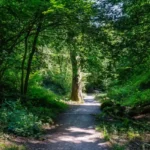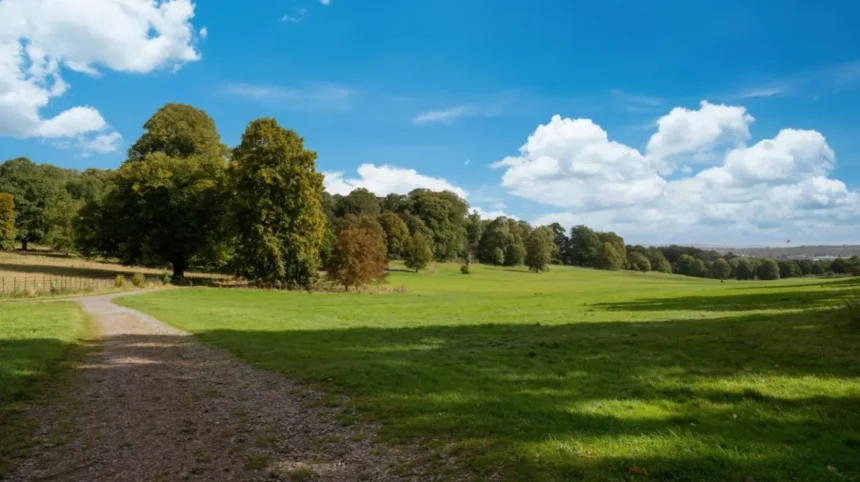
Bristol and its surrounding countryside offer a wide range of dog-walking routes, from accessible city parks and historic estates to woodland trails, riverside paths and open countryside. The best dog walks near Bristol depend on walking distance, terrain, parking, public transport, water access and local rules governing dogs.
- Which dog walks near Bristol are best for different needs?
- What makes Ashton Court Estate one of the best dog walks near Bristol?
- Is Leigh Woods a good woodland walk for dogs?
- Why is Blaise Castle Estate suitable for varied dog walks?
- Which Blaise Castle walking routes are available?
- What facilities are available at Blaise Castle Estate?
- Where can dog owners enjoy riverside walks near Bristol?
- Is Snuff Mills a good short dog walk?
- What can dog owners expect at Oldbury Court Estate?
- Is Conham River Park suitable for dogs?
- Where can dogs enjoy open countryside and panoramic views in Bristol?
- Why choose The Downs for a dog walk?
- What makes Stoke Park suitable for dog walking?
- Is Purdown worth visiting with a dog?
- Which dog walks near Bristol are best for longer distances?
- Can dogs walk the Bristol and Bath Railway Path?
- How can owners use the Frome Valley Walkway?
- How should a long dog walk be planned?
- Which dog walks near Bristol are suitable for puppies and older dogs?
- Where can dog owners find walks near Bristol with woodland and wildlife?
- What dog-walking rules apply in Bristol’s parks and countryside?
- When should a dog be kept on a lead?
- What are the rules for dog waste?
- Can dogs enter nature reserves and conservation areas?
- What should dog owners pack before walking near Bristol?
- When is the best time of year to explore dog walks near Bristol?
- Are spring and summer good seasons for dog walks?
- What should owners expect during autumn and winter?
- How can visitors reach Bristol’s best dog walks without a car?
- How should dog owners choose the best walk near Bristol?
This guide covers established walking destinations around Bristol, including Ashton Court Estate, Leigh Woods, Blaise Castle Estate, the Bristol and Bath Railway Path, the River Avon Trail and the countryside around the Chew Valley. It also explains how to choose a suitable route, protect local wildlife, follow countryside access rules and plan a safe walk in every season.
Which dog walks near Bristol are best for different needs?
The best dog walks near Bristol include Ashton Court for open parkland, Leigh Woods for shaded woodland, Blaise Castle Estate for varied trails, Snuff Mills for riverside paths and The Downs for panoramic views. Each location offers different terrain, facilities and opportunities for exercise.
Bristol is surrounded by green spaces that support everyday dog walking, weekend countryside trips and longer outdoor adventures. The city’s public parks provide convenient routes close to residential neighbourhoods, while its woodland estates and river valleys offer a more rural environment without requiring a long journey.
Visit Bristol identifies Ashton Court Estate, Leigh Woods, Blaise Castle Estate, Stoke Park and Snuff Mills among the area’s established dog-walking destinations.
Choosing a suitable walk involves more than finding a green space. Owners need to consider the dog’s age, fitness, recall training, comfort around livestock and ability to manage uneven ground. A short, level park circuit suits a different dog from a long woodland hike with steep slopes.
The most useful starting point is to match the route to the dog’s needs, check the latest access information and plan a distance that allows regular water and rest breaks.
What makes Ashton Court Estate one of the best dog walks near Bristol?
Ashton Court Estate is a major dog-walking destination near Bristol, covering approximately 850 acres of woodland and grassland. Its extensive paths, open parkland and historic setting support short strolls and longer outings, although dogs require close control near deer and protected wildlife areas.
Located in Long Ashton, southwest of Bristol city centre, Ashton Court Estate combines historic parkland, wooded paths and broad grassy areas. The estate covers approximately 850 acres, giving visitors flexibility to create a short walk or spend several hours exploring.
The estate suits dogs that enjoy varied surroundings. Open areas provide space for walking and training, while woodland paths offer shade during warmer weather. The landscape also includes a historic mansion, formal gardens and deer enclosures.
How long is an Ashton Court dog walk?
There is no single compulsory walking circuit across the estate. Owners can select paths according to available time, ground conditions and their dog’s stamina. A short visit can focus on the grounds near a car park, while a longer outing combines grassland and woodland trails.
Walking distance increases quickly when visitors explore different sections. Checking an estate map before departure helps avoid unintentionally extending the walk beyond the dog’s comfortable range.
What should dog owners know before visiting?
Bristol City Council provides three principal car parks: Mansion House, Clifton Lodge and Church Lodge. Parking charges apply, and prices and closing times should be checked on the council’s official estate page before travelling. The estate normally opens from 8am, with closing times changing seasonally.
Deer require particular care. Keep dogs on short leads inside deer enclosures, maintain a safe distance and never allow a dog to chase wildlife. The council also identifies risks from stagnant pond water and blue-green algae, which can harm dogs. Prevent drinking or swimming in estate ponds, especially during warm weather.
Ashton Court is particularly suitable for owners seeking a substantial outdoor space close to the city. It is less appropriate for dogs that cannot remain under control around deer or other wildlife.
Is Leigh Woods a good woodland walk for dogs?
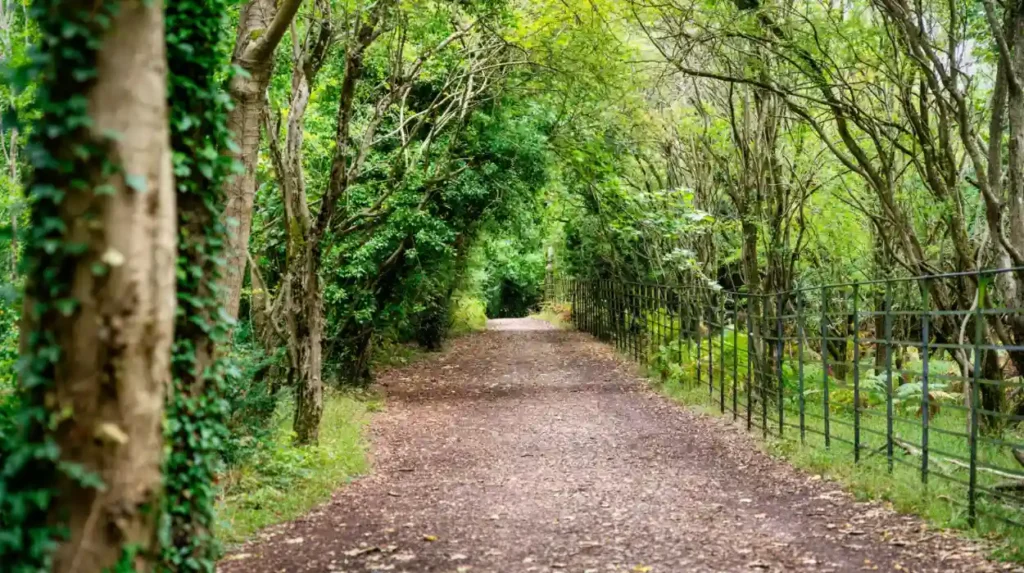
Leigh Woods is an established woodland walking destination beside the Avon Gorge, near Clifton Suspension Bridge. Its shaded paths, veteran trees and scenic viewpoints suit dogs and owners seeking a nature-focused outing, provided they follow access signs, control their dogs and respect sensitive habitats.
Leigh Woods lies across the River Avon from central Bristol, close to the Clifton Suspension Bridge. The woodland includes broadleaf trees, open glades and habitats associated with the Avon Gorge. Forestry England and the National Trust manage areas of this landscape.
The woodland setting provides shade and shelter compared with exposed grassland. Walking routes pass through trees and open sections, with opportunities to see wildlife and enjoy views towards the gorge.
How long is the Leigh Woods Woodland Wander?
The National Trust’s published Woodland Wander is approximately 1 mile (1.6 kilometres) and takes around 30–45 minutes. It is a circular route with surfaced paths and grass, plus some uneven or rocky sections that become slippery in wet weather.
This route is a useful option for a moderate walk rather than an extended hike. Dogs that are unfamiliar with woodland terrain benefit from a slower pace, particularly around slopes and narrow paths.
Are dogs allowed off the lead at Leigh Woods?
The National Trust asks visitors to keep dogs on leads in its Leigh Woods area. Forestry England also advises keeping dogs in sight and on main paths to protect sensitive wildlife. Follow the rules displayed for the specific section you enter rather than assuming the same conditions apply throughout the woodland.
Leigh Woods is a strong choice for owners who prioritise shade, nature and a defined walking route. It requires more attention to footing than a level urban park, especially after rainfall.
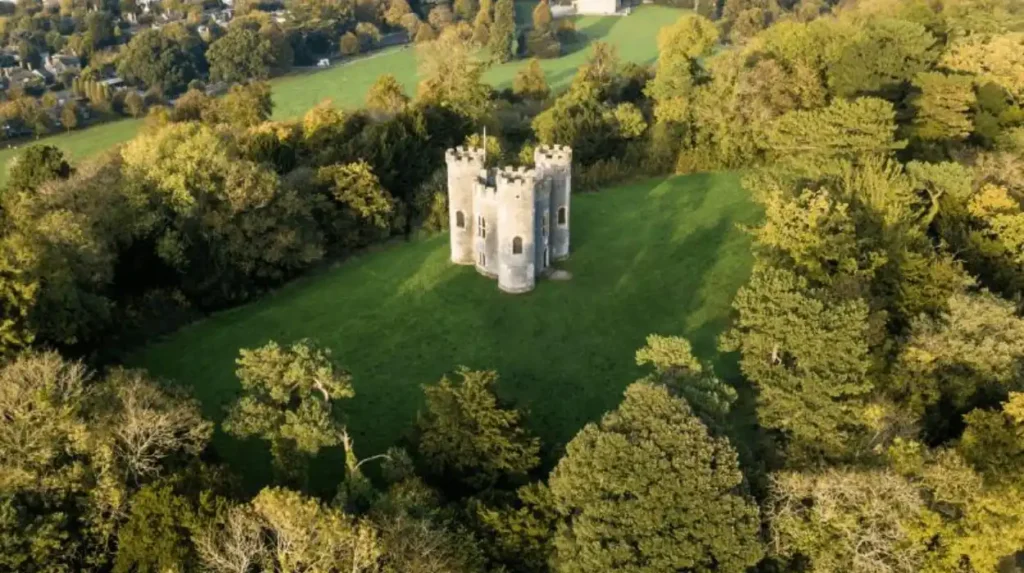
Why is Blaise Castle Estate suitable for varied dog walks?
Blaise Castle Estate in northwest Bristol offers approximately 650 acres of historic parkland, woodland and open grassland. Its waymarked routes range from short walks to longer circuits, giving dog owners options for different fitness levels, although some trails include steep slopes and muddy sections.
Blaise Castle Estate is a large public green space in Henbury, northwest Bristol. Bristol City Council describes it as a Grade II* registered parkland containing a museum, children’s play area and historic landscape features. Admission to the estate is free, although parking and some facilities have separate conditions.
The combination of open grassland and woodland makes Blaise Castle a practical option for owners who want to change scenery without visiting several locations.
Which Blaise Castle walking routes are available?
The council publishes walking routes with different distances and terrain:
- Castle Walk: approximately 1 mile, with woodland and some steep inclines.
- Gorge Walk: approximately 1 mile, with gorge views and steep sections.
- Kings Weston Down Walk: approximately 1 mile, combining grassland, woodland and an Iron Age hill fort.
- Rhododendron Walk: approximately 3 miles, covering historic features and varied terrain.
- The Royals and St Mary’s Church Walk: approximately 1 mile, passing historic landscape features and using a mixture of surfaced paths, grass and woodland.
The council lists estimated durations of around 35 minutes to 1 hour 45 minutes, depending on the route.
These published distances help owners plan realistic outings. Dogs accustomed to longer walks can explore the extended route, while puppies, older dogs and those recovering from activity benefit from shorter circuits.
What facilities are available at Blaise Castle Estate?
The estate has two principal car parks, one off Kings Weston Road and another off The Dingle. Bus services serving the area include routes 1, 3, 4, 76 and MC5, although timetables and stops should be confirmed before travelling.
Blaise Castle is useful for a half-day visit because owners can combine a walk with the historic grounds and nearby facilities. Keep dogs under control near other visitors, children’s play areas and wildlife. Check the route conditions before choosing steep woodland paths after heavy rain.
Where can dog owners enjoy riverside walks near Bristol?
Snuff Mills, Oldbury Court and Conham River Park provide riverside walking options around Bristol. Their paths follow the River Frome or River Avon through wooded valleys and green spaces, offering varied scenery close to residential areas, with wet ground and riverbank hazards requiring care.
Riverside walks offer a different environment from open parkland. Trees provide shade, flowing water adds natural interest and paths connect green spaces that support longer walks. However, riverbanks can be slippery, water levels change after rainfall, and fast-moving water presents risks even when the surface appears calm.
Is Snuff Mills a good short dog walk?
Snuff Mills is a woodland park beside the River Frome in north Bristol. Its riverside setting, footbridges and historic mill features make it suitable for a nature-focused stroll. The area also connects with walking routes towards Oldbury Court.
The route can be adapted to the time available. A short visit focuses on the mill and nearby river paths, while a longer walk continues along the river corridor. Paths in the valley are uneven in places, and slopes require care in wet weather.
Snuff Mills is especially useful for routine walks because it offers a woodland environment without requiring a journey far into the countryside. Arrive early or choose quieter periods if the dog becomes excitable around other dogs or busy paths.
What can dog owners expect at Oldbury Court Estate?
Oldbury Court Estate includes open lawns, woodland and paths beside the River Frome. Its green spaces provide options for short local outings and longer walks that link with the surrounding valley.
The park is particularly useful for owners who want to vary their usual route. Riverside sections offer shade and changing scenery, while open areas provide room for controlled training and walking.
Keep dogs close to the water, especially where banks are steep or muddy. Do not assume every stretch of river is safe for swimming. Check water conditions and discourage dogs from drinking untreated river water.
Is Conham River Park suitable for dogs?
Conham River Park lies beside the River Avon on the eastern side of Bristol. The park provides riverside paths and woodland scenery, making it an option for owners seeking a quieter green space beyond the city centre.
Its location connects with the wider River Avon walking network. Route length depends on the section selected, so visitors should check a map and return options before starting a long walk.
Conham is suitable for owners who enjoy waterside scenery and natural terrain. Dogs should remain under control near cyclists, other walkers and river access points. After heavy rain, inspect the ground carefully and avoid slippery banks.
Where can dogs enjoy open countryside and panoramic views in Bristol?
The Downs, Stoke Park and Purdown provide open grassland, broad views and flexible walking routes within Bristol. These locations suit dogs that enjoy spacious surroundings, but exposed terrain, hills, livestock and busy shared paths mean owners must follow signs and maintain reliable control.
Open countryside-style walks give dogs more space to explore than narrow woodland trails. They also expose dogs to greater wind, direct sunlight and seasonal changes in ground conditions. Owners should choose routes according to weather, fitness and the dog’s response to wildlife and other visitors.
Why choose The Downs for a dog walk?
The Downs is a large area of open grassland in Clifton and Westbury Park. The landscape includes the Sea Walls viewpoint overlooking the Avon Gorge, making it suitable for a flexible walk with scenic views.
The open layout allows owners to create a short circuit or extend the outing across different sections. Its proximity to Clifton makes it a practical option for people who prefer to walk from home or combine a visit with a trip into the neighbourhood.
The Downs is exposed in windy weather, and busy periods bring other walkers, runners and cyclists. Keep dogs close on shared paths and use a lead when approaching unfamiliar dogs or crowded areas.
What makes Stoke Park suitable for dog walking?
Stoke Park is a historic landscape in northeast Bristol known for open hills, grassland and views across the city. It provides an alternative to flatter city parks, with slopes that add physical challenge to a walk.
The landscape is suitable for dogs accustomed to walking uphill and across grass. Owners should account for the extra effort required when climbing, particularly with older dogs or animals that struggle with joints or breathing.
Stay on permitted paths and follow signs around livestock or wildlife-sensitive areas. Wet slopes can become slippery, while exposed sections offer limited shade during hot weather.
Is Purdown worth visiting with a dog?
Purdown offers open hillside walking and views over Bristol. It is often explored as part of the wider Stoke Park landscape, allowing owners to create a longer route through open ground and paths.
Its open character makes it suitable for energetic dogs that respond reliably to commands. However, the route is not uniformly level, and livestock or wildlife restrictions apply where indicated. A lead is the safer choice when passing animals, crossing busy paths or approaching road access points.
Which dog walks near Bristol are best for longer distances?
Longer dog walks near Bristol include the Bristol and Bath Railway Path, sections of the Frome Valley Walkway and extended circuits at Ashton Court or Blaise Castle. These routes suit fit adult dogs accustomed to sustained exercise, provided owners plan rest stops, water supplies and safe return transport.
Long-distance walking requires more preparation than a short park visit. Owners need to consider total distance, elevation, surface type and whether the dog can comfortably complete the return journey.
Can dogs walk the Bristol and Bath Railway Path?
The Bristol and Bath Railway Path is a shared walking and cycling route that follows a former railway corridor between Bristol and Bath. The full route is approximately 13.9 miles (22.4 kilometres) one way, making it a substantial outing rather than a routine short walk.
Much of the path has a relatively consistent gradient, but the full distance requires significant stamina. Dogs and owners must share the route with cyclists and other users, so dogs should remain close and under control.
For a more manageable outing, choose a shorter section and turn back at a planned point. A one-way journey requires transport arrangements, and owners should not assume that a train operator permits dogs under every condition without checking its current policy.
How can owners use the Frome Valley Walkway?
The Frome Valley Walkway is a long-distance walking route following the River Frome through north and northeast Bristol. Its connections with Eastville Park, Snuff Mills and Oldbury Court make it possible to combine riverside and parkland sections.
Owners do not need to complete the entire walkway. Selecting a local section creates a more practical walk and allows the dog to become familiar with the terrain gradually.
Check the map before departure because paths vary in width, surface and gradient. The route’s riverside sections also require close supervision near water and muddy banks.
How should a long dog walk be planned?
Start with a distance the dog already manages comfortably. Increase duration gradually instead of moving directly from short neighbourhood walks to a full-day route. Carry drinking water, a portable bowl, waste bags and a lead.
Plan rest stops in shaded locations, particularly during warm weather. Watch for persistent panting, slowing down, limping or reluctance to continue. End the walk early if the dog shows signs of exhaustion or discomfort.
Long-distance walks are most successful when the route fits the dog’s ability rather than the owner’s target distance.
Which dog walks near Bristol are suitable for puppies and older dogs?
Puppies and older dogs generally benefit from shorter walks with manageable surfaces, limited steep climbs and opportunities to rest. Choose accessible sections of The Downs, suitable paths at Blaise Castle or short parkland circuits, adjusting duration to veterinary advice, age, fitness and individual mobility.
Not every dog benefits from the same walking routine. Puppies are still developing, while older dogs can experience reduced stamina, joint discomfort or difficulty managing uneven ground. A route that suits a healthy adult dog does not automatically suit either group.
What should puppy owners consider?
Young dogs need gradual exposure to different environments, people, traffic and other animals. Short walks allow puppies to explore without becoming overwhelmed or overtired. Follow veterinary advice on exercise and vaccination before visiting busy public spaces.
Choose paths that allow easy turning back. Avoid forcing a puppy to complete a long circuit simply because the route is marked on a map. Reward calm behaviour and practise recall in appropriate areas before allowing greater freedom.
Which routes are better for older dogs?
Flat, predictable paths are generally easier for dogs with reduced mobility. The Downs offers open areas with flexible walking distances, while the surfaced sections of suitable park routes can provide a more controlled alternative to steep woodland trails.
At Blaise Castle, select a suitable path rather than automatically following a full circuit. Some published routes include steep inclines and muddy ground. At Leigh Woods, uneven and rocky sections require additional care, particularly after rain.
Owners should consult a vet if a dog develops persistent stiffness, limping or unusual fatigue. Shorter, regular walks often provide a more manageable routine than occasional strenuous outings.
Where can dog owners find walks near Bristol with woodland and wildlife?
Leigh Woods, Snuff Mills, Blaise Castle Estate and Manor Woods Valley provide woodland, streams, meadows or other wildlife habitats near Bristol. These environments offer sensory enrichment and seasonal scenery, but dogs must remain controlled to reduce disturbance to nesting birds, mammals and sensitive vegetation.
Wildlife-rich routes offer more than physical exercise. Dogs encounter new scents, changing surfaces and natural sounds, while owners can observe seasonal changes in woodland and meadow habitats.
Manor Woods Valley is a Local Nature Reserve in southwest Bristol, with woodland, meadows and the Malago stream. Its mixture of open and sheltered paths provides an alternative to the larger estates on the city’s outskirts.
How can dog owners protect wildlife?
Ground-nesting birds are vulnerable when dogs run through vegetation during breeding periods. Mammals and other wildlife also require space to feed, shelter and move through their habitats.
Responsible dog walking involves keeping to established paths, observing seasonal notices and using a lead wherever signs require it. Do not allow dogs to chase birds, deer or other animals. Avoid entering fenced conservation areas, trampling wildflowers or disturbing streams and ponds.
At Ashton Court, Bristol City Council identifies a seasonal conservation zone intended to protect wildflowers and ground-nesting birds. The council instructs visitors to stay outside roped-off areas and keep dogs on short leads there.
Are woodland walks suitable in every season?
Woodland routes remain useful throughout the year, but weather changes the walking conditions. Autumn brings fallen leaves and slippery ground. Winter rainfall increases mud, while spring and summer bring denser vegetation and greater wildlife activity.
Check the forecast and wear footwear suitable for uneven surfaces. After a walk, inspect the dog’s coat and skin for ticks, especially around the ears, neck and legs. Bristol City Council specifically advises visitors to remain aware of ticks in parks and open spaces.
What dog-walking rules apply in Bristol’s parks and countryside?
Dog owners in Bristol must follow site-specific signs, park byelaws and applicable countryside access rules. Dogs must remain under effective control, waste must be disposed of responsibly, and restrictions apply in certain wildlife areas, around livestock and at locations where dogs are expressly prohibited.
Dog access is not identical across every park, nature reserve, public footpath or managed estate. Some areas welcome dogs on leads, while other spaces permit off-lead exercise under particular conditions. Temporary restrictions can also apply during events or conservation work.
When should a dog be kept on a lead?
A lead is essential wherever site signs require it. It is also the responsible choice near livestock, wildlife, roads, crowded paths and dogs that appear uncomfortable with an approaching animal.
Under the Countryside Code for England, visitors are expected to keep dogs under effective control and follow signs indicating where dogs need to be on leads or excluded. Livestock encounters require particular care, and access rules can differ between public rights of way and open-access land.
At Ashton Court, dogs must be kept on short leads inside deer enclosures and the designated summer conservation zone. At Leigh Woods, the National Trust asks visitors to keep dogs on leads.
Owners should not assume that a dog-friendly destination permits unrestricted off-lead exercise throughout its grounds.
What are the rules for dog waste?
Dog owners should collect waste immediately and place it in an appropriate bin or take it home where suitable disposal facilities are unavailable. Leaving dog waste on grass, paths or woodland trails creates hygiene problems and reduces the quality of public spaces.
Carry enough waste bags for the whole walk. Do not leave tied bags beside trees, gates or benches with the intention of collecting them later.
Responsible waste disposal is particularly important near streams and rivers, where pollution can affect water quality and wildlife habitats.
Can dogs enter nature reserves and conservation areas?
Dog access depends on the reserve’s management arrangements and designated restrictions. Some reserves welcome dogs on leads, while particular sections exclude dogs to protect wildlife or livestock.
Read the entrance signs before starting the walk. Keep dogs out of fenced areas and avoid disturbing birds, grazing animals and other wildlife. Where access conditions are unclear, consult the relevant land manager rather than assuming that a public path allows access to adjoining land.
What should dog owners pack before walking near Bristol?
A well-prepared dog walk requires drinking water, a portable bowl, waste bags, a suitable lead, identification and basic first-aid supplies. Longer routes also need weather-appropriate equipment, a planned return journey and enough time for rest breaks, particularly when terrain or conditions change.
Preparation reduces the risk of avoidable problems on woodland paths, open hillsides and riverside trails. The required equipment depends on the distance, weather, terrain and dog’s health.
What essentials should every dog walker carry?
A practical walking kit includes:
- A secure collar or harness and lead.
- Drinking water and a portable bowl.
- Dog-waste bags.
- Identification details and a charged mobile phone.
- Small treats for recall and controlled training.
- A towel for wet or muddy fur.
- A basic pet first-aid kit and details for contacting a vet.
For longer walks, add extra water, a suitable snack if needed, a map or downloaded route and a lightweight layer for changing weather. A reflective lead or visibility accessory is useful when walking in low light.
How can owners prepare for rain and hot weather?
Wet weather makes grass, roots, rocks and sloping paths slippery. Choose a route with easier surfaces when conditions deteriorate, and avoid steep riverbanks after heavy rain.
In warm weather, prioritise shaded routes, carry sufficient water and walk during cooler parts of the day. Avoid forcing a dog to exercise on hot surfaces or continue when it shows signs of overheating.
Never assume that a stream or pond is safe for drinking or swimming. Stagnant water can contain harmful bacteria or blue-green algae, and flowing water can present drowning risks. Bristol City Council specifically warns about pond-related hazards at Ashton Court.
When is the best time of year to explore dog walks near Bristol?
Bristol’s dog walks are accessible throughout much of the year, but the best route depends on daylight, rainfall, temperature and seasonal wildlife activity. Woodland paths provide shade in summer, open parks offer flexible winter circuits, and spring walks require extra care around nesting birds and young wildlife.
Each season changes the experience of walking outdoors. Planning around those conditions helps owners choose a comfortable route and avoid unnecessary risks.
Are spring and summer good seasons for dog walks?
Spring brings fresh vegetation, flowering plants and active wildlife. Summer provides longer daylight hours and more opportunities for extended outings, but high temperatures increase the risk of overheating.
Choose shaded routes such as Leigh Woods during warmer conditions. Start early or walk later in the day when temperatures are lower. Keep dogs away from stagnant ponds and follow conservation notices during bird-nesting and wildflower seasons.
What should owners expect during autumn and winter?
Autumn offers woodland colour and cooler temperatures, but fallen leaves can conceal uneven ground. Winter brings shorter daylight hours, muddy paths and colder conditions.
Ashton Court and Blaise Castle offer route options that can be shortened when the weather changes. Check opening and car-park times before leaving, especially for estates with seasonal closing schedules.
Carry a torch for low-light conditions, use visible clothing and avoid unfamiliar routes after dark. After muddy walks, clean the dog’s paws and check for small cuts, grit or debris.
Explore More Area Guide
Best Hiking Routes Near Bristol: Top Trails and Walks
Best Cycling Routes in Bristol: Paths, Trails and Scenic Rides
How can visitors reach Bristol’s best dog walks without a car?
Visitors can reach several Bristol dog-walking destinations by bus, on foot or through connections with local walking and cycling networks. Leigh Woods, The Downs and some urban riverside parks offer practical alternatives to driving, while transport access and dog policies should be checked before departure.
Bristol’s green spaces vary in their transport connections. Choosing a destination near a bus stop or residential neighbourhood can make regular walking easier and reduce the need for parking.
Which dog walks have public transport access?
Blaise Castle Estate is served by local bus routes, including services 1, 3, 4, 76 and MC5, according to Bristol City Council. Leigh Woods can be reached using the X4 bus towards Portishead, with access from North Road. Ashton Court is also accessible by bus and on foot from the Clifton Suspension Bridge area.
Before setting off, check the latest route, timetable, stop location and operator rules for travelling with dogs. Some routes require a longer walk between the stop and the trail entrance.
What should drivers know about parking?
Ashton Court and Blaise Castle have designated car parks, but charges and closing times differ. Ashton Court lists separate parking charges for its three main car parks, while Blaise Castle has two principal car parks.
Check official information before travelling during busy weekends, special events or seasonal holidays. Arriving with enough time to park, prepare the dog and identify the correct trail entrance makes the outing easier to manage.
For a one-way long-distance walk, arrange transport in advance rather than relying on an unconfirmed return connection.
How should dog owners choose the best walk near Bristol?
The best dog walk near Bristol matches the dog’s fitness, walking experience and behaviour with the route’s distance, terrain and access rules. Ashton Court suits varied outdoor exercise, Leigh Woods offers woodland, Blaise Castle provides marked trails, and Snuff Mills delivers riverside scenery.
A useful route-selection process starts with the dog’s needs rather than the destination’s popularity. Consider how long the dog normally walks, whether it responds reliably to recall, how it behaves around other animals and whether it manages hills comfortably.
For a first visit, choose a shorter route with clear paths and straightforward return access. Gradually introduce longer walks as the dog becomes accustomed to different surfaces and environments.
Owners should also check current weather conditions, parking arrangements and site-specific restrictions. Official information from Bristol City Council, the National Trust and Forestry England provides a reliable starting point for checking access and conservation guidance.
Bristol’s walking network makes it possible to vary a dog’s routine without travelling far. Open parkland, woodland, river valleys and historic estates all provide different environments for regular exercise. Selecting routes responsibly helps owners enjoy these spaces while protecting the wildlife and landscapes that make them valuable.
What are the best dog walks near Bristol?
Ashton Court Estate, Leigh Woods, Blaise Castle Estate, Snuff Mills and The Downs are among the best dog walks near Bristol. They offer open parkland, woodland trails, riverside paths and scenic viewpoints.