Bristol offers photography locations that combine historic architecture, waterfront views, street art, green spaces and distinctive urban landscapes. From Clifton Suspension Bridge and the Harbourside to colourful houses in Cliftonwood and the murals of Stokes Croft, the city provides settings for landscape, architectural, street, portrait and travel photography.
- Why Is Bristol a Good City for Photography?
- Why Is Clifton Suspension Bridge One of the Best Photography Spots in Bristol?
- What makes the bridge historically significant?
- Where are the best viewpoints?
- When should photographers visit?
- Where Can Photographers Capture Bristol’s Best Harbourside Views?
- What is the historical background of Bristol Harbourside?
- Which compositions work best?
- When is the best time to photograph the waterfront?
- Where Can You Photograph Bristol’s Colourful Houses?
- Which Bristol Park Offers the Best Cityscape Photography?
- What is Cabot Tower?
- What photography opportunities does Brandon Hill provide?
- How should photographers plan a visit?
- Where Can You Photograph Bristol’s Most Recognisable Street Art?
- What makes Bristol’s street art significant?
- Which techniques work well for murals?
- What should photographers consider?
- Where Can You Photograph Historic Architecture in Clifton Village?
- Is Leigh Woods a Good Place for Nature and Landscape Photography?
- What makes Leigh Woods distinctive?
- Which seasons are best for woodland photographs?
- What should visitors know before walking there?
- Where Can You Photograph Bristol’s Green Landscapes at Ashton Court Estate?
- Where Can You Photograph Bristol Cathedral and the City’s Historic Centre?
- Where Can You Photograph Bristol’s Modern Waterfront and Industrial Heritage?
- How Can You Take Better Photographs at Bristol’s Best Locations?
- Which camera settings should you use?
- What is the best time of day for photography?
- How does weather affect Bristol photography?
- How Can You Plan a Photography Day Around Bristol?
- What Are the Rules for Responsible Photography in Bristol?
- Can you photograph buildings and people in public?
- Are there restrictions on drones and tripods?
- How can photographers protect natural environments?
- Which Bristol Photography Locations Should You Prioritise?
This guide identifies the best places for photography in Bristol, explains their historical significance, and provides practical information about composition, lighting, access and responsible photography.
Why Is Bristol a Good City for Photography?
Bristol is a strong photography destination because it combines historic engineering, maritime heritage, colourful residential streets, contemporary street art and accessible green spaces. Its varied landscapes support architectural, travel, portrait, wildlife and urban photography within a relatively compact city.
Bristol is a city in South West England, located near the River Avon and the Bristol Channel. Its development as a port shaped its waterfront, warehouses, industrial buildings and commercial districts. Later engineering achievements and cultural movements added further visual character.
The city offers several distinct photography environments. Clifton features Georgian architecture and elevated views. The Harbourside contains historic docks and converted industrial buildings. Stokes Croft is associated with street art and independent culture, while Brandon Hill provides greenery and elevated city views.
Photographers benefit from planning locations according to light, weather and subject. Early mornings generally provide quieter streets, while overcast conditions help control contrast when photographing colourful buildings and murals. Sunset creates warm light across the Avon Gorge, and blue hour brings artificial lighting into the urban landscape.
Why Is Clifton Suspension Bridge One of the Best Photography Spots in Bristol?
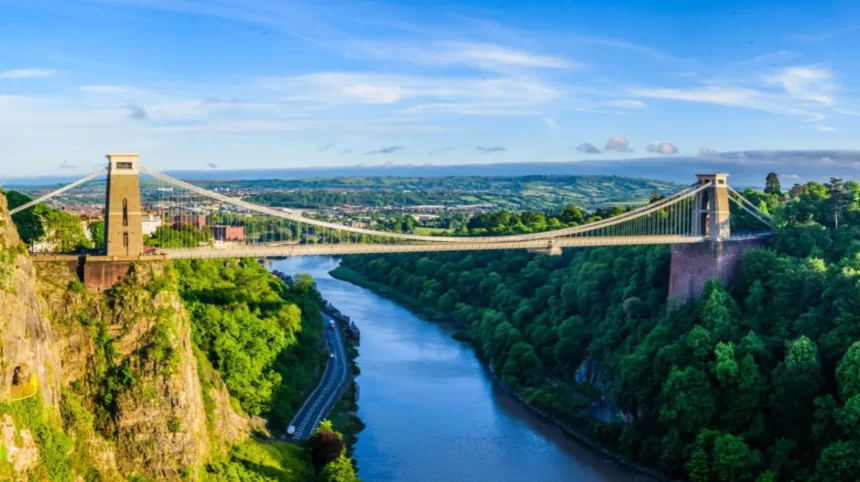
Clifton Suspension Bridge is one of Bristol’s most recognisable photographic landmarks, spanning the Avon Gorge between Clifton and Leigh Woods. Its nineteenth-century engineering, stone towers and elevated viewpoints create opportunities for wide-angle landscapes, architectural details and sunset photography.
What makes the bridge historically significant?
The bridge was designed by engineer Isambard Kingdom Brunel, whose work influenced British civil engineering. Construction began in the nineteenth century, and the bridge opened in 1864, after Brunel’s death. It became an enduring symbol of Bristol’s engineering heritage. National Trust+1
Its suspension cables, masonry towers and position above the Avon Gorge create strong compositional lines. Photographers can use these structural features to lead the viewer’s eye through a landscape image.
Where are the best viewpoints?
Observatory Hill, near Clifton Observatory, provides an elevated view of the bridge and gorge. The Clifton-side approach offers close-up views of the stone tower, while Leigh Woods provides perspectives from the opposite side of the gorge. Visit Bristol identifies Observatory Hill as a key viewpoint. visitbristol.co.uk+1
When should photographers visit?
Early morning offers quieter viewpoints and softer light. Late afternoon and sunset produce warm tones on the stonework, while blue hour emphasises the bridge’s illuminated structure when lighting conditions permit.
The bridge remains an active crossing, so photographers should stay on designated pedestrian routes and avoid obstructing other users. Check official visitor information before travelling, particularly when planning evening photography or a visit to the museum.
Where Can Photographers Capture Bristol’s Best Harbourside Views?
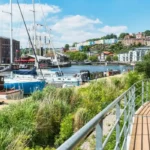
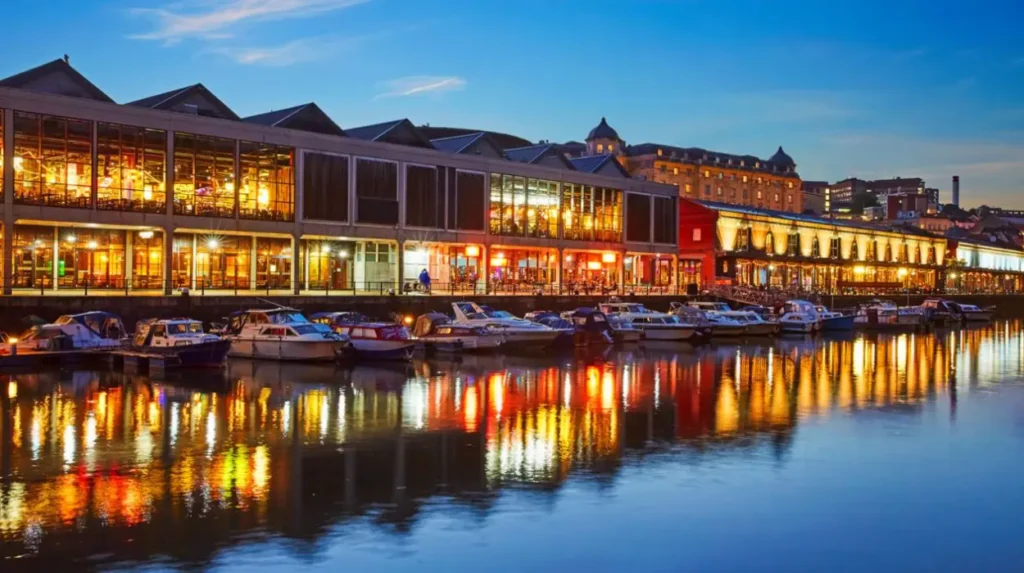
Bristol Harbourside is a waterfront district built around the city’s historic harbour, with boats, waterside walkways, converted warehouses and cultural attractions. It is well suited to reflections, architectural photography, waterfront portraits and wide cityscape images during daylight and evening.
What is the historical background of Bristol Harbourside?
Bristol’s harbour played a major role in the city’s maritime and commercial development. The historic docks connected local trade with national and international shipping. As port activity changed, former industrial and dockside buildings gained new uses, including museums, leisure venues and cultural spaces.
The Floating Harbour is particularly important to Bristol’s waterfront identity. Its relatively sheltered water creates opportunities to photograph boats and buildings reflected on the surface.
Which compositions work best?
Photographers can frame moored boats against warehouse façades, use railings to create foreground lines, or capture reflections from the water’s edge. Wider views help establish the relationship between the harbour and surrounding architecture.
The area around Millennium Square and the waterfront near M Shed provides different urban perspectives. M Shed, a museum exploring Bristol’s history, also adds a cultural landmark to harbour photography.
When is the best time to photograph the waterfront?
Early morning is suitable for quieter walkways and calmer reflections. Sunset adds warm colour to buildings, while blue hour balances the remaining daylight with illuminated windows and streetlights.
Rain creates additional opportunities for close-up photographs of wet paving, reflections and harbour details. Photographers should remain aware of cycle routes, mooring areas and busy pedestrian paths.
Where Can You Photograph Bristol’s Colourful Houses?
Cliftonwood and the streets around Hotwells are known for colourful residential façades overlooking parts of Bristol. Their painted houses, sloping streets and layered rooftops create distinctive compositions for travel photography, architectural studies and cityscape images without requiring specialist equipment.
Why are these streets popular with photographers?
The houses create blocks of contrasting colour against Bristol’s hillside landscape. Their arrangement offers visual depth, especially when foreground rooftops frame the wider city.
Cliftonwood is a residential neighbourhood rather than a purpose-built tourist attraction. Its visual appeal comes from ordinary homes, street patterns and changing daylight. This makes it useful for photographers studying urban form and everyday residential architecture.
How can photographers compose the scene?
A slightly elevated viewpoint helps show several rows of houses together. A standard zoom lens provides flexibility for capturing both individual façades and the larger streetscape.
Photographers should avoid treating private gardens, windows and doorways as public photo sets. Use public viewpoints, keep access routes clear and ask permission before making identifiable portraits of residents.
Overcast weather often produces balanced colour across painted façades. In direct sunlight, side lighting adds depth to brickwork and rooflines, although strong midday light creates deeper shadows.
Which Bristol Park Offers the Best Cityscape Photography?
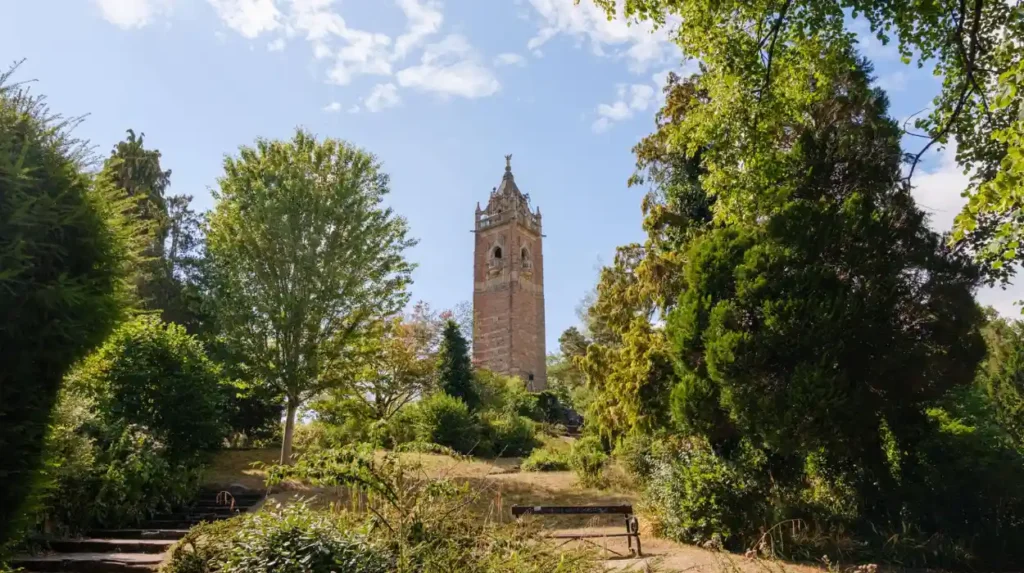
Brandon Hill is one of Bristol’s most useful green-space locations for photography, combining mature trees, landscaped paths and views from Cabot Tower. Its elevated position supports panoramic cityscapes, seasonal landscape images, architectural compositions and photographs of Bristol’s changing skyline.
What is Cabot Tower?
Cabot Tower is a historic tower on Brandon Hill, built to commemorate John Cabot’s 1497 voyage from Bristol towards North America. It was opened in 1898, marking the 400th anniversary of the voyage.
The tower is a prominent feature of Bristol’s skyline. Its position within a public park gives photographers the opportunity to combine historic architecture with trees, paths and distant buildings.
What photography opportunities does Brandon Hill provide?
The park supports several photographic approaches. Wide-angle images show the tower within the landscape, while longer focal lengths isolate architectural details and compress distant buildings.
Seasonal changes also affect the photographs. Spring brings fresh foliage, summer provides dense greenery, autumn introduces warm leaf colours, and winter exposes more of the surrounding architecture.
How should photographers plan a visit?
Visit during the morning for softer light filtering through the trees. After rainfall, look for reflections on paths and close-up details of leaves and bark.
Check access arrangements before relying on entry to Cabot Tower itself. The surrounding park and views remain useful subjects independently of access to the tower’s interior.
Where Can You Photograph Bristol’s Most Recognisable Street Art?
Stokes Croft and the surrounding St Paul’s area are central locations for photographing Bristol’s street art and urban culture. Murals, painted shutters, independent shopfronts and layered visual details provide subjects for documentary photography, colour studies and street-level compositions.
What makes Bristol’s street art significant?
Bristol has an internationally recognised street-art culture associated with graffiti, mural painting and public visual expression. Artists have used walls and buildings to explore social issues, identity and local culture. The city also attracts visitors interested in urban art and guided street-art walks.
Street art is not static. Property owners repaint walls, artists create new work, and older murals disappear. Photographers should therefore treat specific artworks as time-sensitive subjects rather than permanent landmarks.
Which techniques work well for murals?
A straight-on photograph records the full design, while a closer crop emphasises colour, lettering and texture. Including a passer-by in the frame establishes scale when the person is photographed appropriately and without disrupting the scene.
Architectural context is also valuable. A mural photographed with nearby shopfronts, road markings or brickwork communicates its location rather than presenting it as an isolated artwork.
What should photographers consider?
Respect private property, avoid blocking pavements and follow any posted restrictions. Street art can contain copyrighted artwork, so commercial use requires particular attention to permissions and applicable rights.
Check current local street-art guides before visiting to identify works that remain accessible.
Where Can You Photograph Historic Architecture in Clifton Village?
Clifton Village offers Georgian and Victorian architecture, elegant terraces, historic shopfronts and narrow streets that suit architectural and lifestyle photography. The neighbourhood’s stone façades, decorative doorways and independent businesses provide varied compositions for visitors interested in Bristol’s built heritage.
Which architectural features deserve attention?
Clifton Village contains historic residential streets and commercial buildings that reflect the area’s development as an established Bristol neighbourhood. Its architectural character includes stone façades, sash windows, traditional shopfronts and decorative ironwork.
Clifton Arcade is another useful subject. This Victorian shopping arcade provides an indoor architectural setting, with shop displays and a historic passageway creating opportunities for detailed compositions. Ask before photographing inside individual businesses.
How can photographers capture the area effectively?
Photograph entire building façades from public pavements, then move closer to record doors, windows, railings and masonry. Vertical framing emphasises the height of narrow terraces, while wider framing captures the relationship between buildings and streets.
Morning light is useful for quieter street scenes. On overcast days, soft illumination helps preserve detail across pale stone and darker window recesses.
Clifton Village is an active residential and commercial area. Avoid blocking shop entrances, photographing through private windows or using tripods where they obstruct pedestrian movement.
Is Leigh Woods a Good Place for Nature and Landscape Photography?
Leigh Woods is an ancient woodland area beside the Avon Gorge, offering veteran trees, seasonal flowers, woodland trails and views towards Clifton Suspension Bridge. It is suitable for landscape, wildlife, close-up botanical and woodland photography throughout the year.
What makes Leigh Woods distinctive?
Leigh Woods includes broadleaf woodland, veteran oak trees, grassland and areas overlooking the Avon Gorge. The National Trust manages part of the site, which is recognised for its natural environment and historical significance.
The woodland also contains the remains of Stokeleigh Camp, an ancient hillfort with archaeological evidence of occupation dating back to the Iron Age. This combination of nature and heritage gives photographers subjects beyond conventional woodland scenes.
Which seasons are best for woodland photographs?
Spring brings bluebells and wood anemones, while summer offers dense green foliage. Autumn produces changing leaf colours, and winter reveals tree structure and wider views through bare branches.
A macro lens or close-focusing camera is useful for plants, fungi and bark textures. A wide-angle lens captures woodland paths and large trees, while a telephoto lens helps photograph wildlife without approaching too closely.
What should visitors know before walking there?
The National Trust describes a circular woodland route of approximately one mile (1.6 kilometres), with a typical walking time of 30–45 minutes. Some sections are uneven or muddy when wet. National Trust+1
Wear suitable footwear, remain on permitted paths and avoid disturbing wildlife. Dawn and dusk offer interesting natural light, but visitors should plan around site access and daylight conditions.
Where Can You Photograph Bristol’s Green Landscapes at Ashton Court Estate?
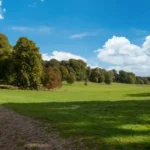
Ashton Court Estate is a large historic estate west of central Bristol, known for its parkland, mature trees, open grassland and woodland. Its varied landscape supports panoramic photography, wildlife observation, seasonal foliage, architectural details and outdoor portrait sessions.
What makes Ashton Court suitable for photography?
The estate offers a different visual environment from Bristol’s streets and harbour. Open grassland creates clean compositions, while tree-lined routes provide natural framing. The historic mansion adds architectural interest, and the wider estate includes habitats suitable for observing wildlife.
Photographers can create wide landscape images with the rolling parkland in the foreground and the city in the distance. Close-up work focuses on tree bark, fallen leaves, wildflowers and seasonal textures.
When should photographers visit?
Spring and summer provide fresh vegetation and longer daylight hours. Autumn offers contrasting leaf colours, while winter provides clearer views through the trees.
Early morning is particularly useful for landscape photography because the light is often softer and visitor numbers are lower. Mist, when present, also creates atmospheric separation between trees and distant features.
Check the estate’s official visitor information for opening arrangements, parking, access restrictions and event closures. Do not approach deer or other wildlife closely for photographs, and respect any signs protecting sensitive areas.
Where Can You Photograph Bristol Cathedral and the City’s Historic Centre?
Bristol Cathedral and the surrounding historic centre provide architectural subjects ranging from medieval religious buildings to civic spaces and historic streets. These locations suit detail photography, heritage documentation, urban compositions and travel images that illustrate Bristol’s long development.
Why is Bristol Cathedral important?
Bristol Cathedral is a major historic religious building with architectural features associated with different periods. Its origins are connected to the medieval Abbey of St Augustine, founded in the twelfth century. The building later became a cathedral in 1542.
Its Gothic architectural elements, stonework and interior spaces offer opportunities to study symmetry, texture and light. The surrounding historic centre adds further context to photographs of Bristol’s built heritage.
How can photographers capture architectural details?
Start with an exterior image that establishes the building’s overall form. Then photograph details such as carved stone, windows, arches and decorative features where access permits.
Inside, use available light and stabilisation techniques where photography is allowed. Check current cathedral visitor rules before photographing worshippers, services or restricted areas. Avoid flash where it is prohibited or disruptive.
Historic buildings are especially useful for editorial and educational photography because their architectural details connect present-day Bristol with its religious, cultural and urban history.
Where Can You Photograph Bristol’s Modern Waterfront and Industrial Heritage?
The area around M Shed, the former industrial buildings of the harbourside and nearby waterfront walkways combines Bristol’s maritime past with contemporary public spaces. It provides opportunities for documentary photography, architectural studies, transport subjects and photographs showing the reuse of historic infrastructure.
What subjects define this part of Bristol?
M Shed explores the history of Bristol and its people. Its waterfront setting places the museum alongside harbour infrastructure, historic vessels and former dockside buildings.
These elements help photographers document how the city has changed from a commercial port into a centre for culture, education, business and leisure. Industrial structures provide strong geometric lines, while boats and waterfront activity introduce movement.
Which photographic techniques are useful?
Use a wide-angle lens to capture the relationship between cranes, vessels and buildings. A telephoto lens isolates industrial details, such as metalwork, ropes, windows and structural joints.
Long exposures record movement in water and passing boats, provided the camera remains stable. Reflections and changing cloud patterns also create opportunities to revisit the same location under different conditions.
Photograph public spaces responsibly and check the rules of individual museums, vessels and businesses before taking pictures inside or undertaking commercial shoots.
How Can You Take Better Photographs at Bristol’s Best Locations?
Good Bristol photography depends on choosing suitable light, composing around the subject and understanding the location. Camera settings, weather, access and timing affect the final image. Planning these factors before arrival helps photographers capture more consistent results across the city.
Which camera settings should you use?
The best settings depend on the subject, available light and desired effect. A smartphone camera is sufficient for most daylight travel photographs, while interchangeable-lens cameras provide greater control over exposure and depth of field.
These settings are starting points rather than fixed rules. Adjust them according to light, movement and the effect you want to achieve.
What is the best time of day for photography?
Golden hour refers to the period shortly after sunrise or before sunset, when sunlight often appears warmer and softer. Blue hour is the period around twilight when the sky takes on deeper blue tones while artificial lights become more prominent.
For Clifton Suspension Bridge, sunset and twilight create strong landscape compositions. For Clifton Village, morning is useful for photographing streets before they become busy. At Leigh Woods, filtered daylight helps reveal woodland textures without harsh shadows.
How does weather affect Bristol photography?
Cloud cover produces soft light for colourful buildings, portraits and street art. Rain creates reflections on pavements and roads, while clear skies help define architectural silhouettes and distant landscapes.
Bristol’s weather changes throughout the year, so check the forecast before travelling to elevated viewpoints or woodland locations. Protect camera equipment from rain and keep paths and road crossings safe.
How Can You Plan a Photography Day Around Bristol?
A practical Bristol photography itinerary groups nearby locations together to reduce travel time and provide different subjects throughout the day. Combining the Harbourside, historic centre, Clifton and one green space creates a balanced collection of urban, architectural and landscape photographs.
Which route covers the main photography locations?
A city-centre route works well for visitors who want to photograph several landmarks without travelling across the wider area.
Morning: Bristol Harbourside and M Shed
Begin with waterfront reflections, historic vessels and industrial architecture. Continue towards the historic centre for exterior photographs of Bristol Cathedral and surrounding streets.
Midday: Clifton Village
Photograph historic shopfronts, terraces and architectural details. Use overcast conditions for even exposure across façades, or focus on shaded streets when sunlight is strong.
Late afternoon: Clifton Suspension Bridge
Walk to an established viewpoint for bridge and gorge compositions. Stay for sunset when weather and daylight conditions allow, and check your route back before it gets dark.
For a nature-focused alternative, dedicate a separate half-day to Leigh Woods or Ashton Court Estate. Both locations benefit from time to explore paths and wait for suitable light.
What should you bring?
A useful photography kit includes a charged phone or camera, spare battery, adequate storage, a lens cloth and weather protection. A tripod is helpful for long exposures, but check local restrictions and avoid obstructing public routes.
Comfortable walking shoes are important for the hills around Clifton and the uneven paths in woodland areas. Carry water and check public transport schedules when connecting locations.
Explore More Area Guide
Best Dog Walks Near Bristol: Parks and Woodland Trails
Best Hiking Routes Near Bristol: Top Trails and Walks
What Are the Rules for Responsible Photography in Bristol?
Responsible photography in Bristol means respecting privacy, following access restrictions, protecting wildlife and avoiding obstruction in public spaces. Photographers should check venue rules before entering buildings, distinguish public areas from private property and obtain appropriate permission for organised commercial shoots.
Can you photograph buildings and people in public?
Photography from public places is generally permitted in the UK, subject to applicable laws and specific restrictions. However, access conditions, privacy considerations and the intended use of an image matter.
Ask permission before photographing identifiable people in situations where consent is appropriate, particularly for portraits, children or sensitive circumstances. Commercial publication also requires consideration of image rights, property rules and the context in which a photograph appears.
Are there restrictions on drones and tripods?
Drone flights are subject to UK Civil Aviation Authority rules, including applicable requirements relating to aircraft registration, operator responsibilities, flight locations and separation from people. Check the current rules before using a drone around Bristol’s landmarks or public parks.
Tripods and other equipment can obstruct narrow pavements and busy viewpoints. Check the rules of the relevant venue or land manager before arranging a staged or commercial photography session.
How can photographers protect natural environments?
Remain on permitted paths, avoid damaging vegetation and do not disturb nesting birds or other wildlife. Never move protected plants or interfere with habitats to improve a composition.
These practices are particularly important at Leigh Woods and Ashton Court Estate, where photographs often depend on the presence of healthy woodland, grassland and wildlife.
Which Bristol Photography Locations Should You Prioritise?
The best places for photography in Bristol cover a broad range of subjects, from engineering landmarks and historic architecture to colourful residential streets, waterfront scenes and natural landscapes. Clifton Suspension Bridge is a strong starting point for iconic views, while the Harbourside offers accessible urban photography.
Clifton Village and Cliftonwood provide architectural variety, Stokes Croft offers street-art subjects, and Brandon Hill delivers elevated city views. Leigh Woods and Ashton Court Estate suit photographers who prefer woodland, parkland and wildlife.
Choose locations according to your subject, available light and travel time. With thoughtful planning and respect for local communities, Bristol provides opportunities for photography throughout the year.
What are the best places for photography in Bristol?
The best places for photography in Bristol include Clifton Suspension Bridge, Bristol Harbourside, Clifton Village, Cliftonwood, Brandon Hill, Stokes Croft, Leigh Woods and Ashton Court Estate. These locations offer scenic views, historic architecture, colourful houses, street art and natural landscapes.