Bristol offers a wide range of outdoor activities for children, from playgrounds and woodland walks to cycling routes, wildlife watching and family adventures. The city has more than 400 parks and green spaces, giving families opportunities to explore nature, enjoy free play and spend time outdoors throughout the year.
- What outdoor activities can families enjoy with kids in Bristol?
- Which parks in Bristol are best for outdoor play?
- Where can children explore nature and wildlife in Bristol?
- Which outdoor activities are suitable for toddlers and preschool children?
- Where can children enjoy cycling and scootering in Bristol?
- Choose a route that matches ability
- Use parks for scooter practice
- Build cycling into a family day out
- What outdoor adventure activities are available for older children in Bristol?
- High-ropes and climbing-style challenges
- Mountain biking and trail skills
- Surfing and supervised water sports
- Where can children enjoy outdoor sports and active games in Bristol?
- Which Bristol outdoor activities help children learn about nature?
- Which outdoor activities in Bristol are free for families?
- How can families choose outdoor activities for different ages?
- What should parents pack for outdoor activities in Bristol?
- How can families plan an outdoor day in Bristol throughout the year?
- How can families travel to Bristol’s outdoor attractions?
- How can parents keep children safe during outdoor activities in Bristol?
Outdoor activities for kids in Bristol suit different ages, interests and abilities. Toddlers benefit from accessible play areas and short nature walks. Primary-school children enjoy treasure hunts, cycling and wildlife spotting. Older children often prefer mountain biking, longer walking routes and supervised adventure activities.
Families can choose from free public parks, countryside estates, nature reserves and paid attractions. The best choice depends on children’s ages, the weather, accessibility requirements, transport arrangements and the time available for a day out.
What outdoor activities can families enjoy with kids in Bristol?
Families in Bristol can enjoy playgrounds, woodland walks, cycling, wildlife watching, picnics, outdoor sports and adventure activities. Popular destinations include Blaise Castle Estate, Ashton Court Estate, Brandon Hill, The Downs and Bristol’s local nature reserves. Many public green spaces offer free entry.
Bristol’s outdoor recreation includes both structured activities and independent play. Structured activities include cycling sessions, supervised climbing experiences and organised nature events. Independent activities include exploring park paths, playing ball games, watching birds and completing family walking challenges.
The city’s green spaces provide different environments for outdoor learning. Large estates offer woodland trails and open grassland. Neighbourhood parks provide playgrounds close to residential areas. Nature reserves protect habitats where children can observe plants, insects and birds without travelling far from the city.
Families do not need to spend money on every outdoor visit. Walking, picnicking, playground visits and many nature activities are available without an admission charge. Paid attractions provide additional facilities, equipment or supervision when families want a more structured experience.
A practical family outing starts with a suitable location, a realistic route and enough time for breaks. Checking facilities before leaving also helps parents plan around toilets, refreshments, pushchairs and children’s energy levels.
Which parks in Bristol are best for outdoor play?
Bristol has parks for different types of family outings, including Blaise Castle Estate for woodland exploration, Ashton Court Estate for countryside adventures, Brandon Hill for city views and Hengrove Park for active play. Each location offers a different combination of open space, facilities and recreation.
Blaise Castle Estate
Blaise Castle Estate is a historic parkland covering approximately 650 acres. Bristol City Council identifies a children’s play area, woodland walks, ponds, grassland, picnic areas and Blaise Museum among its features. Admission to the estate is free.
Children can combine playground time with a short walk through the grounds. Older children can explore the wider landscape with adults and learn about the relationship between historic buildings, woodland and wildlife.
The estate accommodates different activity levels because families can choose between play equipment, open grassy areas and longer walks. Parents should plan their route according to children’s stamina and check the location of toilets and refreshments before setting off.
Ashton Court Estate
Ashton Court Estate covers approximately 850 acres of woodland and grassland. The estate offers walking routes, deer-spotting opportunities, mountain biking, a miniature railway and a high-ropes adventure course operated separately.
Families can begin with a gentle walk and a picnic before choosing an additional activity. Children can look for deer from a suitable distance and observe how open grassland differs from woodland habitat.
The estate’s varied terrain requires preparation. Some routes are uneven or hilly, so parents using pushchairs or planning an accessible visit should check the route and access information in advance. Car parking charges apply in designated car parks, although general estate admission is normally free.
Brandon Hill and Cabot Tower
Brandon Hill is a central green space known for its hillside setting and views from Cabot Tower. It is suitable for combining outdoor exercise with a visit to Bristol’s city centre.
Children can explore the paths, enjoy a short walk and identify visible landmarks from suitable viewpoints. The sloping ground provides a more active walk than a flat urban square, so families should choose paths according to the children’s mobility.
Cabot Tower access arrangements should be checked before visiting, especially if climbing the tower is an important part of the plan.
Hengrove Park
Hengrove Park includes a large adventure play park and a wheels park for activities such as skateboarding and BMX riding. These facilities make it a useful destination for children who prefer movement-based play to a quiet walk.
Younger children can focus on age-appropriate play equipment, while older children can explore wheeled sports in suitable designated areas. Helmets and protective equipment are important for activities involving bikes, skateboards and scooters.
Parents should check current facility information and any age, equipment or supervision requirements before travelling.
Where can children explore nature and wildlife in Bristol?
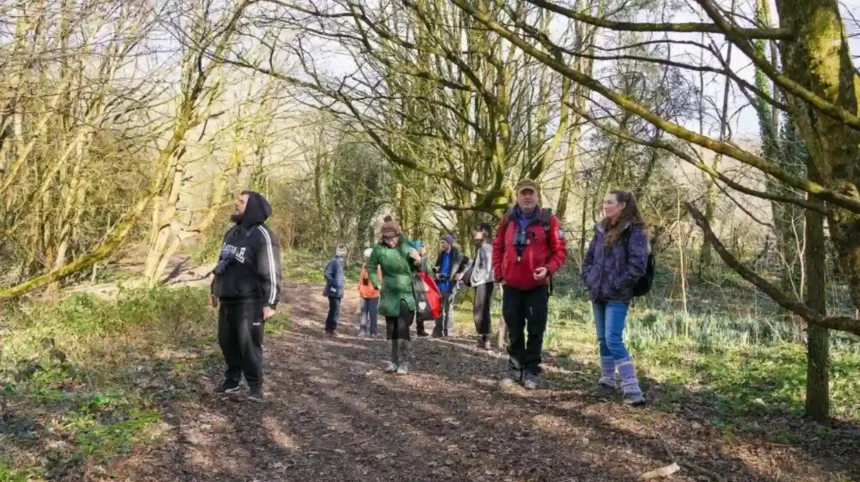
Children can discover Bristol’s natural environment at local nature reserves, woodland trails, riverside green spaces and wildflower meadows. Eastwood Farm, Badock’s Wood, Manor Woods Valley and Troopers Hill provide opportunities to observe habitats, identify plants and practise responsible wildlife watching.
Bristol City Council lists 13 local nature reserves across the city. These protected or managed spaces support wildlife and provide places for walking and environmental education. Different reserves feature different combinations of woodland, streams, meadows, ponds and riverside habitats.
Eastwood Farm Nature Reserve
Eastwood Farm Nature Reserve offers a riverside setting with woodland, ponds and wildlife. Children can look for signs of animal activity, examine different leaf shapes and listen for birds while following appropriate paths.
Parents can turn a visit into a simple nature investigation. Children can record the weather, draw a leaf, count birds from a stationary viewpoint or compare plants growing in shaded and open areas. Observations should not involve removing plants, disturbing nests or handling unknown animals.
Badock’s Wood
Badock’s Wood features woodland, streams and meadow areas in north Bristol. It provides a setting for short family walks and supervised exploration of woodland habitats.
Children can search for fallen leaves, identify different tree shapes and observe how a stream moves around stones. Adults should keep children away from steep stream banks and supervise them closely near water, particularly after heavy rain.
Manor Woods Valley
Manor Woods Valley includes wildflower meadows, woodland and wildlife habitats in south-west Bristol. It is useful for introducing children to the relationship between plants, insects and the wider environment.
A seasonal visit helps children notice changes in vegetation and insect activity. Families should keep to suitable paths and avoid picking wildflowers. Staying on established routes also reduces disturbance to sensitive areas.
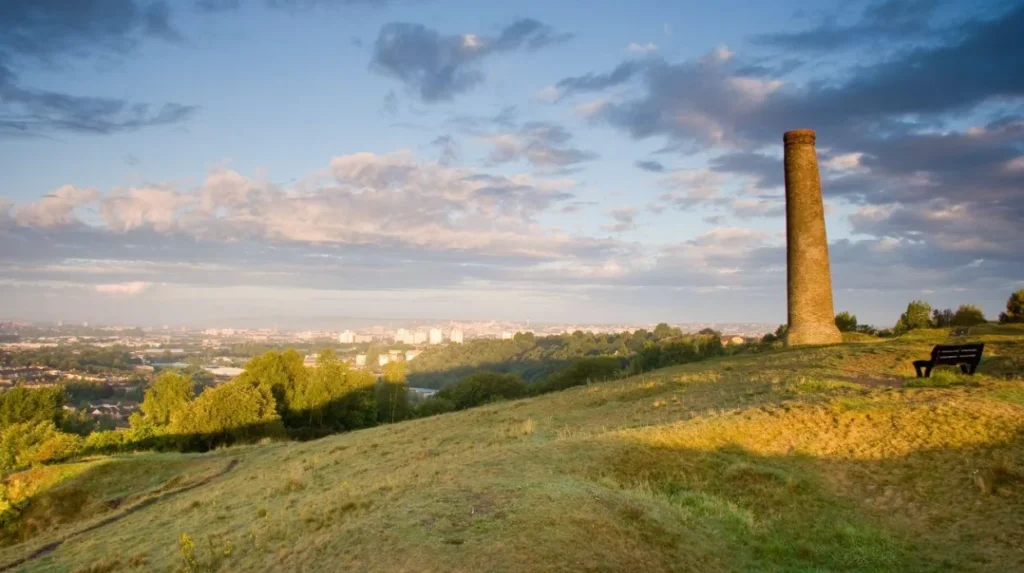
Troopers Hill
Troopers Hill is a hillside green space with views across the city and opportunities to observe wildlife. The elevated landscape makes it suitable for combining a walk with geography and nature activities.
Children can identify landmarks, compare the shapes of distant buildings and observe the vegetation on the hillside. The sloping terrain requires appropriate footwear and close supervision, especially when the ground is wet.
Which outdoor activities are suitable for toddlers and preschool children?
Toddlers and preschool children benefit from short walks, playground visits, sensory nature activities, ball games and supervised outdoor exploration. Bristol’s neighbourhood parks and estates provide space for these activities, while nearby facilities help parents manage rest breaks, changing needs and refreshments.
Young children develop physical coordination and environmental awareness through movement and hands-on exploration. A suitable outdoor session does not need complicated equipment. A safe grassy area, a short walking route or a playground can provide enough variety for a meaningful family outing.
Playground exploration
Choose a play area with equipment appropriate to the child’s age and physical ability. Younger children benefit from low climbing structures, suitable swings and simple balancing activities. Parents should inspect equipment for visible damage and supervise children according to the equipment’s design and the child’s abilities.
Bristol City Council provides a park finder for locating green spaces with play equipment. Families can use it to identify options near home instead of travelling across the city for every outing.
Sensory nature walks
A sensory walk encourages children to notice sounds, textures, colours and smells without damaging the environment. They can listen for birds, observe clouds, compare tree bark visually and look for different leaf shapes.
Adults should avoid encouraging children to taste wild plants, touch fungi or handle unfamiliar insects. Children with sensory sensitivities benefit from quieter routes and the option to pause or leave when the environment becomes overwhelming.
Simple outdoor games
A short park visit can include rolling a ball, following a chalk-free path challenge, counting steps or searching for objects by colour. These activities need little preparation and can be adjusted to a child’s attention span.
For toddlers, keep the route short and build in frequent breaks. Carry water, weather-appropriate clothing and essential childcare supplies. Choose parks with suitable toilets and baby-changing facilities when those amenities are important to the outing.
Where can children enjoy cycling and scootering in Bristol?
Children can practise cycling and scootering on suitable traffic-free paths, park routes and designated wheeled-sport facilities in Bristol. Families should choose routes according to riding ability, surface quality and pedestrian activity, with helmets, adult supervision and clear road-safety rules.
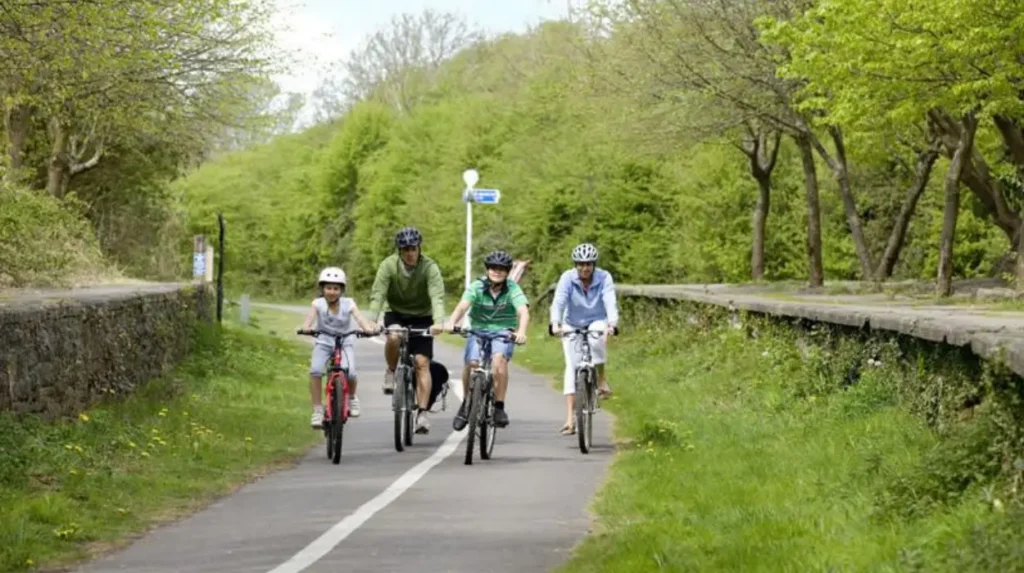
Cycling develops balance, coordination and confidence while allowing families to cover more ground than walking alone. Bristol also has established walking and cycling routes, including the Bristol and Bath Railway Path, which provides a longer-distance option for families whose children are ready for a sustained ride.
Choose a route that matches ability
Beginner riders need flat, predictable surfaces with enough space to practise starting, stopping and turning. Confident riders can progress to longer routes after families check distance, crossings, surface conditions and available stopping points.
The Bristol and Bath Railway Path is an established route, but families should not assume that every section is suitable for every age. Shared paths also carry other users. Children must ride at a controlled speed and give pedestrians adequate space.
Use parks for scooter practice
A park with suitable paved paths or a designated wheels area provides a place to practise steering and braking. Hengrove Park is an option for families interested in wheeled activities, including skateboarding and BMX riding.
Children should use a helmet and appropriate protective equipment. Parents should check local rules and ensure that children use equipment suited to their height and ability. Scooters and bikes should not be ridden through crowded playgrounds or on steep slopes beyond the child’s control.
Build cycling into a family day out
Families can combine a short ride with a picnic, a playground stop or a nature activity. Plan a return route that fits the youngest rider’s endurance and leave time for breaks.
Before departure, inspect brakes, tyres and helmet fit. Carry water and a basic repair kit when undertaking a longer ride. Check route updates and weather conditions, particularly when the path is muddy or visibility is poor.
What outdoor adventure activities are available for older children in Bristol?
Older children can explore mountain biking, supervised high-ropes courses, longer woodland walks, organised water sports and outdoor fitness activities in and around Bristol. Ashton Court Estate and nearby adventure providers offer options that require families to check age limits, booking conditions and safety requirements.
Children who want more challenge often enjoy activities that combine physical effort, problem-solving and skill development. The best option depends on confidence, fitness, age and whether an activity requires specialist equipment or an instructor.
High-ropes and climbing-style challenges
Ashton Court Estate features a tree-based high-ropes adventure course operated by Adventure Bristol. The council describes the course as suitable for participants aged six and above, but families should verify the operator’s current restrictions, booking rules and safety requirements before attending.
High-ropes activities involve moving through elevated obstacles using specialist safety equipment. Children must follow instructor directions and meet the operator’s participation requirements. Parents should check height restrictions, clothing guidance, weather-related cancellations and whether an adult must participate alongside a child.
Mountain biking and trail skills
Ashton Court Estate offers mountain biking opportunities. Children should use routes that match their experience and follow the current guidance provided by the relevant trail or facility operator.
Beginners benefit from learning braking, cornering and speed control before attempting more technical terrain. A suitable helmet, a well-maintained bike and appropriate footwear are essential. Wet conditions increase the risk of slipping, so families should adapt plans to the surface and the rider’s ability.
Surfing and supervised water sports
The Wave, an inland surfing destination near Bristol, is listed among the region’s family attractions. Other providers around Bristol offer outdoor adventure sessions, including activities on water.
Water-based activities require particular attention to supervision and operator rules. Parents should confirm the minimum age, swimming requirements, equipment provision and session format before booking. Children must follow instructions from qualified staff and use the safety equipment provided.
For younger or inexperienced participants, a supervised introductory session is more suitable than attempting a new activity independently. Families should also check cancellation policies because outdoor water activities depend on operating conditions.
Where can children enjoy outdoor sports and active games in Bristol?
Bristol provides parks and recreation spaces for football, running, tennis, skateboarding, cycling and informal family games. Hengrove Park, Canford Park, Redcatch Park and The Downs offer different combinations of open space and sports facilities, subject to local conditions and facility availability.
Outdoor sport helps children practise movement, teamwork, coordination and following rules. Families do not need to join a club for every activity. Informal games in an appropriate public space provide a simple starting point, while organised sessions offer structured coaching for children who want to improve.
Football and ball games
Open grass areas in suitable parks provide space for practising passing, dribbling and shooting. Parents should choose an area away from roads, crowded paths, wildlife-sensitive zones and other park users.
A small ball and a few cones are enough for a short skills session. Families should check park rules and avoid using sports equipment where it creates a risk for other visitors.
Tennis and playground-based fitness
Canford Park and Redcatch Park are among Bristol’s parks listed with tennis courts or other active recreation facilities. Availability, access arrangements and any booking requirements should be checked before visiting.
Children can also create a simple movement circuit involving walking, balancing, hopping and gentle running. Activities should be adapted to individual ability, and children should have access to drinking water and rest breaks.
Skateboarding and BMX
Hengrove Park includes a wheels park designed for activities such as skateboarding and BMX riding.
Use designated areas rather than ordinary pedestrian paths. Children should wear suitable protective gear and understand how to wait their turn, maintain space and avoid attempting obstacles beyond their skill level. Adults should confirm the facility’s current rules before travelling.
Which Bristol outdoor activities help children learn about nature?
Nature-based activities help children learn about wildlife, habitats, seasons and conservation through direct observation. Bristol’s nature reserves, woodland estates and wildflower meadows provide practical settings for birdwatching, nature journaling, plant identification and supervised environmental exploration.
Outdoor learning connects children’s everyday experiences with environmental science. A walk through woodland introduces differences between trees and ground plants. A visit to a meadow reveals flowering plants and insects. A riverside walk provides opportunities to discuss water, erosion and the habitats supported by waterways.
Birdwatching and wildlife spotting
Children can watch birds from paths and open viewpoints at suitable green spaces. Give them a short checklist containing familiar birds, such as robins, blackbirds and magpies, while explaining that sightings depend on habitat and season.
Binoculars are useful but not essential. Children can record observations in a notebook by drawing a bird, noting its colour or describing its call. Keep a respectful distance from nests and animals, and never feed wildlife unless a specific site expressly permits it.
Nature scavenger hunts
A nature scavenger hunt turns an ordinary walk into a focused activity. Children can search visually for a fallen leaf, a feather on the ground, a seed, a patch of moss or evidence of insect activity.
Use photographs or drawings rather than collecting living specimens. This approach protects habitats and allows other visitors to enjoy the same environment.
Seasonal observation
Repeated visits to the same park help children recognise seasonal changes. Spring brings new growth and flowering plants. Summer offers longer daylight hours for outdoor play. Autumn provides fallen leaves and seed heads to observe, while winter walks reveal changes in tree cover and animal activity.
Families can maintain a simple nature diary with dates, weather observations and drawings. Over several visits, children learn to distinguish direct observations from assumptions and recognise that wildlife activity changes throughout the year.
Which outdoor activities in Bristol are free for families?
Free outdoor activities in Bristol include visiting public parks, exploring suitable nature trails, playing in public playgrounds, walking through green spaces and organising family picnics. Blaise Castle Estate normally has free admission, while most informal park visits do not require an entry ticket.
A family can plan a complete day outdoors without paying for an attraction. The main costs depend on transport, food, parking and any optional equipment or refreshments.
Plan a low-cost park day
Start with a local playground, continue with a short walk and finish with a packed lunch. Families can bring a ball, bubbles or a nature checklist to add variety without buying admission tickets.
Blaise Castle Estate offers playgrounds, woodland walks and picnic areas, making it a useful destination for combining several free activities in one visit. Admission to the estate is free, although some separate services and facilities have their own conditions.
Explore public green spaces
Bristol’s parks include neighbourhood play areas, larger estates and nature reserves. Choosing a location close to home reduces transport costs and makes shorter outings easier to organise.
The council’s parks directory and play-equipment finder help families identify suitable locations. Check current access arrangements and facilities before travelling, especially when a playground or specific activity is the main reason for the visit.
Understand which costs are optional
Parking, refreshments, equipment hire and organised adventure sessions can add to a family outing’s cost. Ashton Court Estate normally has no general admission charge, but its designated car parks charge for parking and certain activities operate separately.
Families should check current charges rather than rely on older online recommendations. Bringing water, snacks and weather-appropriate clothing helps reduce unplanned spending.
How can families choose outdoor activities for different ages?
Families should select Bristol outdoor activities according to a child’s age, physical ability, interests, supervision needs and tolerance for walking. Toddlers generally need short visits and accessible play. School-age children benefit from varied challenges, while teenagers often prefer cycling and adventure sports.
Age provides a useful starting point, but children develop at different rates. Parents should consider confidence, balance, stamina, sensory needs and previous experience before choosing an activity.
For mixed-age families, choose a destination that offers more than one type of activity. Blaise Castle Estate combines play equipment, open space and woodland walking. Ashton Court Estate offers walking, wildlife observation and additional recreational options.
Plan a shared activity first, then allow older children an additional challenge when supervision and site rules permit. Younger children should not be expected to complete the same distance or difficulty level as teenagers.
Families should also consider disability access. Some parks have uneven paths, slopes or natural obstacles. Check accessibility information for the exact route and facilities rather than assuming an entire estate is suitable for every mobility need.
What should parents pack for outdoor activities in Bristol?
Parents should pack drinking water, weather-appropriate clothing, suitable footwear, snacks, sun protection and basic first-aid supplies for a family outdoor outing in Bristol. Longer walks and cycling trips also require route planning, charged phones and activity-specific safety equipment.
Bristol’s outdoor conditions change throughout the year. Rain can make woodland paths slippery, while exposed parks can feel colder and windier than sheltered streets. Children need clothing that supports movement and matches the forecast.
A practical family packing list includes:
- Water bottles and snacks suited to the duration of the outing.
- Waterproof jackets, spare clothing and suitable shoes.
- Sun hats and sunscreen during periods of strong sunshine.
- A small first-aid kit and essential personal medication.
- A charged mobile phone and the planned route.
- Helmets and protective equipment for cycling or wheeled sports.
- Nappies, wipes and changing supplies for younger children.
Check the weather forecast before leaving and adjust the route when heavy rain, strong winds or other adverse conditions affect safety. During warm weather, schedule breaks in shaded areas and encourage children to drink regularly.
For woodland visits, stay on established paths where practical and check for ticks after returning home. Bristol City Council specifically advises park visitors to be aware of ticks and provides guidance on reducing exposure.
Water safety also requires careful planning. Keep children within close reach near rivers, ponds and the harbour. Never treat a public waterway as a swimming area unless the activity is explicitly authorised and suitable safety arrangements are in place.
How can families plan an outdoor day in Bristol throughout the year?
Families can enjoy Bristol’s outdoor spaces throughout the year by matching activities to daylight, weather and ground conditions. Spring and summer suit longer walks and picnics, autumn supports leaf and wildlife observation, and winter is best planned around shorter routes and suitable clothing.
Seasonal planning makes outdoor activities more comfortable and manageable. It also gives children different opportunities to observe changes in nature.
Spring
Spring is suitable for short woodland walks, flower observation and nature journaling. Families should avoid trampling wildflowers or disturbing wildlife during breeding seasons.
Choose a route with firm paths if recent rain has left the ground muddy. A short visit followed by a playground stop works well for younger children.
Summer
Longer daylight hours support cycling, picnics, outdoor games and organised adventure activities. Visit exposed areas earlier or later in the day when conditions are more comfortable, and carry enough drinking water.
Check the opening arrangements for paid attractions and facilities before travelling. Popular destinations can be busier during school holidays, so arriving early helps families make better use of their visit.
Autumn
Autumn offers opportunities for leaf identification, woodland walks and observing seasonal changes. Choose footwear with good grip because wet leaves and muddy paths can become slippery.
Children can compare leaf shapes and colours without removing material from protected habitats. A simple observation notebook helps turn a walk into a learning activity.
Winter
Winter visits work best with shorter routes, warm layers and clear turnaround points. Check daylight hours and weather conditions before choosing a woodland or countryside walk.
A brief outdoor session still gives children an opportunity to move and explore. Families should avoid exposed routes during severe weather and choose a more sheltered public park when conditions are unsuitable for a longer trip.
Explore More Area Guide
Indoor Play Areas in Bristol: Soft Play and Kids’ Activities
Best Playgrounds in Bristol: Family Parks and Play Areas Guide
How can families travel to Bristol’s outdoor attractions?
Families can reach Bristol’s outdoor destinations by walking, cycling, bus or car, depending on the location and the needs of the group. Checking public transport stops, parking arrangements, route gradients and walking distances before departure helps make outdoor trips more practical.
Transport affects the time and cost of a family outing. A neighbourhood park often suits a short walk from home, while larger estates require more planning for families travelling with small children or equipment.
Blaise Castle Estate is served by nearby bus routes identified by Bristol City Council, and the estate is also connected to National Cycle Network Route 4. Families should check current timetables and route conditions before travelling.
Ashton Court Estate has designated car parks, with charges and closing times that vary according to the location and time of year. Check the council’s latest guidance if arriving by car.
For cycling trips, identify safe access points and suitable parking for bikes. For public transport journeys, confirm the walking distance between the stop and the intended activity, particularly when travelling with a pushchair or a child who tires easily.
Allow additional time for toilets, food breaks and unexpected delays. A realistic schedule helps children enjoy the outing without rushing between activities.
How can parents keep children safe during outdoor activities in Bristol?
Parents can improve outdoor safety by supervising children closely, choosing age-appropriate routes, checking weather conditions, following site rules and using the correct equipment. Extra care is essential near roads, steep slopes, cycling areas, rivers, ponds and adventure-course obstacles.
Safety begins with choosing a suitable activity. Check the condition of playground equipment before use and follow signs explaining age limits or restrictions. Keep younger children within sight and maintain closer supervision where hazards are present.
For cycling and skateboarding, helmets and suitable protective equipment reduce the risk of certain injuries. Children should practise in appropriate areas and understand how to stop safely.
Nature reserves require respect for wildlife and habitats. Stay on permitted paths, avoid handling unknown plants or animals and leave natural features undisturbed. At Ashton Court Estate, visitors should keep away from marked seasonal conservation zones intended to protect wildflowers and ground-nesting birds.
Families should also establish a meeting point in busy public spaces and ensure children know how to identify their accompanying adult. Carry a charged phone and know the location of the nearest suitable exit or access point.
Outdoor activities should remain flexible. If rain, poor visibility, slippery ground or fatigue creates a safety concern, shorten the route or leave the site.
Outdoor activities for kids in Bristol include free playground visits, woodland walks, nature reserves, cycling, family sports and supervised adventure experiences. Blaise Castle Estate, Ashton Court Estate, Brandon Hill, Hengrove Park and the city’s local nature reserves provide different settings for children to explore, exercise and learn.
Families can make outdoor recreation part of their regular routine by choosing nearby parks, planning age-appropriate activities and adapting visits to the weather. Checking accessibility, transport, facilities and safety requirements before leaving helps create enjoyable and practical family outings throughout the year.
What are the best outdoor activities for kids in Bristol?
The best outdoor activities for kids in Bristol include playground visits, woodland walks, cycling, wildlife watching, picnics and outdoor sports. Blaise Castle Estate and Ashton Court Estate offer space for family walks, nature exploration and active play.