Bristol has one of the most diverse theatre and performing arts scenes in South West England. The city offers historic theatres, large touring venues, independent performance spaces, contemporary drama, comedy, musicals, ballet, circus and family entertainment. Its theatre culture combines centuries of theatrical heritage with a strong independent arts community.
- What Makes Bristol’s Theatre Scene Important?
- Which Are the Best Theatres in Bristol?
- 1. Bristol Old Vic
- 2. Bristol Hippodrome
- 3. Tobacco Factory Theatres
- 4. The Wardrobe Theatre
- 5. Redgrave Theatre
- 6. Circomedia
- 7. Bristol Improv Theatre
- How Did Bristol Develop Its Historic Theatre Tradition?
- How did theatre architecture change in Bristol?
- What is the relationship between Bristol Old Vic and Bristol Old Vic Theatre School?
- Which Bristol Theatre Is Best for Different Types of Performances?
- Which theatre is best for musicals?
- Which theatre is best for independent drama?
- Which theatre is best for families?
- Which theatre is best for comedy?
- Which theatre is best for contemporary circus?
- Where Are Bristol’s Main Theatres Located?
- Which theatres are in central Bristol?
- Which theatres are in South Bristol?
- Which theatres are in Clifton and St Paul’s?
- How Can Visitors Book Tickets for Theatres in Bristol?
- How early should visitors book theatre tickets?
- Are discounted theatre tickets available in Bristol?
- Can visitors buy tickets directly from theatre box offices?
- What Accessibility Facilities Do Bristol Theatres Provide?
- What accessibility information should visitors check?
- Do Bristol theatres offer accessible performances?
- How Do Bristol Theatres Support Local Artists and Creative Industries?
- How do independent theatres support emerging performers?
- How does theatre education contribute to Bristol’s creative economy?
- When Is the Best Time to Visit Bristol’s Theatres?
- What theatre performances take place during winter?
- What can visitors expect during spring and summer?
- Are theatre performances available throughout the week?
- Why Should Theatre Be Part of a Visit to Bristol?
The best theatres in Bristol include Bristol Old Vic, Bristol Hippodrome, Tobacco Factory Theatres, The Wardrobe Theatre, Redgrave Theatre and Circomedia. Each venue serves a different audience, from visitors seeking major West End productions to residents interested in experimental theatre and performances by emerging artists.
Bristol’s theatre scene also contributes to the city’s tourism, creative industries, education and cultural identity. Visitors can explore traditional Georgian theatre architecture, watch contemporary productions, attend comedy performances and discover independent companies developing new work.
Choosing the right theatre depends on the production, venue size, location, accessibility and preferred performance style. Understanding these differences helps residents and visitors plan a suitable cultural experience.
What Makes Bristol’s Theatre Scene Important?
Bristol’s theatre scene is important because it combines historic performance buildings, professional theatre companies, independent venues and specialist arts organisations. These institutions support cultural tourism, creative employment, artistic education and community participation across different parts of the city.
Bristol has a long history of public entertainment and theatrical performance. Its cultural development reflects the city’s commercial importance, population growth and changing artistic interests.
The city’s theatre infrastructure includes large auditoriums, traditional stage buildings, converted industrial properties and smaller experimental performance spaces. These different environments allow productions to reach audiences with varied interests and budgets.
Theatre also contributes to Bristol’s wider cultural economy. Productions attract visitors who spend money at restaurants, hotels, shops and transport services. Local performances provide opportunities for actors, directors, musicians, technicians, designers and independent production companies.
Visit Bristol identifies several major venues, including Bristol Old Vic, Bristol Hippodrome, Tobacco Factory Theatres, Redgrave Theatre and The Wardrobe Theatre. Their programmes cover established productions, independent drama, comedy and family entertainment.
How does theatre contribute to Bristol’s cultural identity?
Bristol’s theatrical identity comes from the relationship between historical institutions and contemporary artistic activity.
Bristol Old Vic represents the city’s historic theatre tradition. Tobacco Factory Theatres demonstrates how industrial buildings support modern cultural activity. The Wardrobe Theatre represents the independent performance sector.
These institutions create opportunities for local artists to develop productions and reach audiences without relying entirely on large commercial touring companies.
The city’s performing arts identity also extends beyond conventional drama. Contemporary circus, physical theatre, improvisation, spoken-word performances and experimental productions form part of its wider cultural offer.
Which Are the Best Theatres in Bristol?
The best theatres in Bristol include Bristol Old Vic for historic and contemporary drama, Bristol Hippodrome for major touring musicals, Tobacco Factory Theatres for independent productions, The Wardrobe Theatre for fringe performances, and Redgrave Theatre for touring entertainment.
Bristol’s leading theatres have different architectural characteristics, programming approaches and audience experiences. The following venues provide a useful starting point for anyone exploring live entertainment in the city.
1. Bristol Old Vic
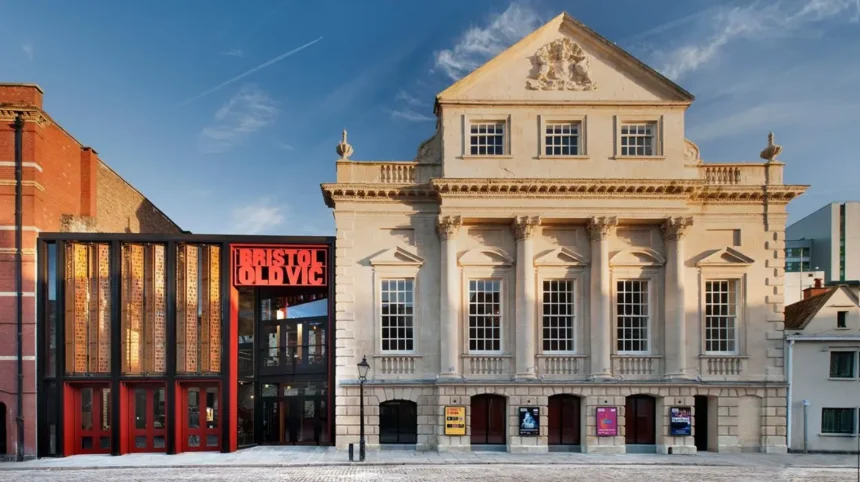
Bristol Old Vic is one of the most historically significant theatres in Britain. It stands on King Street in central Bristol and occupies a building that first opened in 1766.
The theatre is recognised as the oldest continuously working theatre in the English-speaking world. Its historic Georgian auditorium remains an important part of the building’s architectural identity.
The theatre underwent a major transformation in 2018. The redevelopment improved audience facilities, restored historic features and expanded the building’s public spaces.
Its programme includes:
- Classical and contemporary drama.
- New writing and experimental productions.
- Family theatre and seasonal performances.
- Visiting theatre companies.
- Workshops and educational activities.
Bristol Old Vic also operates the Weston Studio, a smaller performance space used for productions and creative projects. The main auditorium and studio allow the organisation to present performances at different scales.
The venue is particularly suitable for visitors interested in British theatre history, contemporary drama and original productions.
Its guided building tours also introduce visitors to the architecture and heritage of the theatre.
2. Bristol Hippodrome
Bristol Hippodrome is one of the city’s principal destinations for major touring productions. Located on St Augustine’s Parade, the theatre opened in 1912 and is associated with theatre architect Frank Matcham.
Its large auditorium and traditional theatre design provide an established setting for touring entertainment.
The Hippodrome regularly hosts large-scale productions and performances, including:
- West End touring musicals.
- Ballet and opera.
- Touring plays.
- Stand-up comedy.
- Family entertainment.
- Seasonal pantomimes.
The venue is particularly important for audiences who want to watch nationally recognised productions without travelling to London.
Its central location also makes it convenient for visitors exploring Bristol’s shopping districts, restaurants and historic attractions.
Because popular touring productions attract substantial audiences, advance ticket booking is advisable. Visitors should check the seating plan before purchasing tickets, particularly when selecting seats in the upper levels.
The Hippodrome’s large-scale programming makes it different from independent theatres that focus on smaller productions and emerging performers.
3. Tobacco Factory Theatres
Tobacco Factory Theatres is an independent performing arts organisation based in Southville. Its venue occupies part of a former industrial tobacco factory, connecting Bristol’s industrial heritage with contemporary cultural activity.
The theatre operates different performance spaces, including the Factory Theatre and Spielman Theatre. These spaces accommodate productions with different staging and audience requirements.
Its programme includes Shakespeare, contemporary drama, comedy, dance, opera, puppetry and family entertainment.
The organisation also supports artists and creative development. Its programming provides opportunities for independent performers and theatre companies to present work outside the traditional commercial theatre circuit.
Tobacco Factory Theatres is particularly relevant for people interested in:
- Contemporary British theatre.
- Independent productions.
- Shakespeare performances.
- Experimental performance.
- Family-friendly entertainment.
- Local creative projects.
The surrounding Southville neighbourhood also offers independent cafés, restaurants and shops. Visitors can combine a theatre performance with an evening exploring North Street and the wider area.
The venue demonstrates how historic industrial buildings can serve modern cultural purposes while maintaining connections with Bristol’s architectural heritage.
4. The Wardrobe Theatre
The Wardrobe Theatre is an independent fringe theatre located within The Old Market Assembly at 25 West Street in Old Market.
The venue has developed a reputation for supporting independent performers, emerging artists and experimental entertainment. Its programming differs from the large touring productions presented at Bristol Hippodrome.
The Wardrobe Theatre presents:
- Comedy and improvisation.
- Contemporary drama.
- Storytelling.
- Poetry and spoken word.
- Puppetry and family shows.
- Cabaret and drag performances.
- Live music and experimental productions.
Its programming provides a platform for creative work that benefits from an intimate performance environment.
The theatre also supports Bristol’s independent cultural community. Local performers and emerging production companies use smaller venues to develop ideas, test material and build audiences.
The Wardrobe Theatre is located in Old Market, an area with historic streets, independent businesses and established entertainment venues.
Its location also makes it accessible from central Bristol and Bristol Temple Meads railway station.
5. Redgrave Theatre
Redgrave Theatre is a performance venue in Clifton, located within the Clifton College campus. It has operated since 1966 and provides an established space for touring entertainment and community performances.
The theatre has 318 seats and a tiered auditorium. Its relatively compact design creates a different experience from the much larger Bristol Hippodrome.
Its programme includes:
- Touring theatre productions.
- Musicals and opera.
- Stand-up comedy.
- Live music.
- Dance performances.
- Community events.
The theatre attracts audiences from Clifton and other parts of Bristol. Its location also allows visitors to explore Clifton’s historic streets, independent shops and nearby attractions.
Redgrave Theatre is suitable for people who prefer a smaller auditorium and a varied programme of performances.
Visitors requiring wheelchair seating should contact the venue before booking. The theatre identifies a designated wheelchair space in its seating information, so advance accessibility arrangements are important.
6. Circomedia
Circomedia is a specialist performing arts organisation based at St Paul’s Church in Portland Square. It focuses on contemporary circus, physical theatre and movement-based performance.
The organisation was established in 1984 and has become an important part of Bristol’s specialist performing arts community.
Unlike conventional theatres that concentrate on scripted drama, Circomedia explores physical performance and circus techniques. Its activities combine professional performances, artist development and training.
Its artistic programme includes:
- Contemporary circus performances.
- Aerial arts and acrobatics.
- Physical theatre.
- Movement-based productions.
- Workshops and training.
- Experimental performance projects.
The historic church building provides a distinctive performance environment. Its interior accommodates artistic activities that combine movement, physical expression and theatrical production.
Circomedia is particularly suitable for audiences interested in alternative forms of live entertainment. It also contributes to Bristol’s reputation as a centre for creative experimentation and specialist performing arts.
7. Bristol Improv Theatre
Bristol Improv Theatre is a specialist venue dedicated to improvisational comedy and performance. Improvisation is a theatrical technique in which performers develop scenes and dialogue spontaneously rather than following a fully predetermined script.
The venue supports local and visiting performers through public shows, workshops and training activities.
Its performance programme introduces audiences to different approaches to comedy and spontaneous storytelling.
Examples of its activities include:
- Improvised comedy shows.
- Interactive performance.
- Improvisational musical theatre.
- Comedy workshops.
- Training for developing performers.
The venue contributes to Bristol’s independent comedy culture and offers opportunities for people interested in developing performance skills.
It is particularly relevant for visitors seeking something different from traditional scripted theatre. Audiences can experience performances shaped by spontaneous ideas, audience suggestions and performers’ interactions.
Visit Bristol identifies Bristol Improv Theatre as an important part of the city’s specialist performance scene.
How Did Bristol Develop Its Historic Theatre Tradition?
Bristol developed its theatre tradition through Georgian commercial growth, the establishment of permanent performance buildings and the expansion of professional theatre companies. Bristol Old Vic’s opening in 1766 represents a major milestone in the city’s continuing theatrical history.
Theatre became an established part of Bristol’s cultural life during the eighteenth century. The city’s commercial activity, growing population and connections with other British cities helped create demand for public entertainment.
Bristol Old Vic, originally known as the Theatre Royal, opened on King Street on 30 May 1766. Its establishment marked an important development in the city’s permanent theatrical infrastructure.
The historic building provided a dedicated space for dramatic performances and helped strengthen Bristol’s position as a regional cultural centre.
The Georgian auditorium remains central to the theatre’s historical significance. Its architecture reflects the theatrical traditions of the eighteenth century.
How did theatre architecture change in Bristol?
Bristol’s theatre buildings reflect different periods of architectural and cultural development.
The eighteenth-century Bristol Old Vic represents Georgian theatre architecture. Its traditional auditorium demonstrates the historical relationship between stage design, audience seating and theatrical performance.
The Bristol Hippodrome represents a later period of large-scale entertainment architecture. Designed by Frank Matcham, it opened in 1912 and was developed to accommodate major productions.
Tobacco Factory Theatres represents another stage in the city’s cultural development. Its use of a former industrial property demonstrates the conversion of commercial buildings into contemporary arts spaces.
These architectural differences help explain why Bristol offers different theatre experiences. Historic auditoriums, large touring theatres and converted industrial spaces each support particular performance formats.
What is the relationship between Bristol Old Vic and Bristol Old Vic Theatre School?
Bristol Old Vic Theatre School is a separate educational institution associated with professional training in the performing arts. It develops skills in acting, directing, writing, costume, design and technical theatre.
Bristol Old Vic is the historic producing and presenting theatre on King Street. Although the institutions share a historical association and name, they have distinct organisational roles.
The theatre school contributes to the wider regional creative sector by training people for careers in theatre, film and television.
This educational infrastructure supports Bristol’s theatre industry by developing new generations of performers and production professionals.
Which Bristol Theatre Is Best for Different Types of Performances?
The right Bristol theatre depends on the performance category, audience preferences and venue atmosphere. Bristol Hippodrome specialises in large touring productions, Bristol Old Vic presents established and new drama, while independent venues support comedy, experimental theatre and emerging performers.
Different theatres have different programming priorities. Understanding these distinctions helps audiences select an appropriate venue.
Which theatre is best for musicals?
Bristol Hippodrome is the principal choice for large touring musicals. Its auditorium and production facilities accommodate major commercial productions.
Its programme includes well-known musical theatre productions, seasonal pantomimes and other large-scale entertainment.
Bristol Old Vic and Redgrave Theatre also present musical productions, although their programmes and production scales differ.
Which theatre is best for independent drama?
Tobacco Factory Theatres and The Wardrobe Theatre are important destinations for independent performance.
Tobacco Factory Theatres combines contemporary productions with established theatrical works. Its programming also includes productions by visiting companies and performances from emerging artists.
The Wardrobe Theatre provides an intimate environment for fringe productions, experimental comedy and new writing.
Which theatre is best for families?
Bristol Old Vic, Tobacco Factory Theatres and The Wardrobe Theatre all present family-oriented entertainment.
Family productions include children’s plays, seasonal performances, puppetry and interactive shows.
Parents should check the recommended age range, running time and content information before booking. Some productions are designed for younger children, while others suit older children and teenagers.
Which theatre is best for comedy?
The Wardrobe Theatre and Bristol Improv Theatre are important choices for comedy audiences.
The Wardrobe Theatre presents stand-up, cabaret, improvisation and alternative comedy. Bristol Improv Theatre focuses on spontaneous performance and improvisational entertainment.
Bristol Hippodrome and Redgrave Theatre also host touring comedians and established comedy productions.
Which theatre is best for contemporary circus?
Circomedia is the specialist destination for contemporary circus and physical theatre.
Its performances combine movement, acrobatics and theatrical techniques. This makes it particularly suitable for audiences interested in experimental and non-traditional performance.

Where Are Bristol’s Main Theatres Located?
Bristol’s main theatres are distributed across the city centre, Old Market, Southville, Clifton and St Paul’s. Bristol Old Vic and Bristol Hippodrome serve central Bristol, while Tobacco Factory Theatres, Redgrave Theatre and independent venues extend cultural activity into surrounding neighbourhoods.
The geographical distribution of these venues gives visitors several options when planning a cultural visit.
Which theatres are in central Bristol?
Bristol Old Vic and Bristol Hippodrome are located close to the city centre.
Their locations make them convenient for visitors staying in central hotels or exploring Bristol’s shopping and historic districts.
The Wardrobe Theatre is in Old Market, east of the main shopping area. It is also accessible from Bristol Temple Meads railway station.
Which theatres are in South Bristol?
Tobacco Factory Theatres is located in Southville.
The surrounding neighbourhood includes independent businesses, restaurants and cafés. North Street provides additional opportunities for visitors planning an evening out.
Which theatres are in Clifton and St Paul’s?
Redgrave Theatre is in Clifton, while Circomedia is based at Portland Square in St Paul’s.
These venues extend Bristol’s performing arts activities beyond the central commercial entertainment district.
Visitors should check public transport routes and individual venue directions before travelling.
How Can Visitors Book Tickets for Theatres in Bristol?
Visitors can book Bristol theatre tickets through official venue websites, authorised ticketing platforms and individual box offices. Checking performance dates, seating arrangements, ticket conditions and accessibility information before payment helps audiences select suitable performances and avoid booking problems.
Most established theatres provide online ticket booking. Their official websites display upcoming productions, performance dates, ticket prices and seating information.
The booking process generally follows these steps:
- Select a theatre and production.
- Check available performance dates and times.
- Review the seating plan.
- Compare ticket prices and available concessions.
- Check accessibility requirements.
- Complete the booking through an authorised ticketing service.
- Keep the booking confirmation for entry.
How early should visitors book theatre tickets?
Booking times depend on the production and venue. Popular musicals, Christmas performances and well-known touring productions attract strong demand.
Visitors planning to attend major productions at Bristol Hippodrome should check availability early. Smaller independent theatres sometimes offer more flexible availability, although limited seating makes advance booking useful.
Family performances during school holidays also attract demand from local residents and visitors.
Are discounted theatre tickets available in Bristol?
Some Bristol theatres offer concessions, reduced-price performances and other audience access schemes.
These opportunities depend on the individual venue and production.
Examples include student discounts, age-based concessions, group offers and selected reduced-price performances.
Visitors should examine the official ticketing information before purchasing. Discount eligibility, booking restrictions and available seating vary between productions.
Can visitors buy tickets directly from theatre box offices?
Several Bristol theatres provide direct box-office services.
For example, Redgrave Theatre offers ticket purchases through its website and box office. Its published box-office information identifies weekday opening hours and additional availability before performances.
Visitors should check current box-office arrangements before travelling to purchase tickets.
What Accessibility Facilities Do Bristol Theatres Provide?
Accessibility at Bristol theatres varies according to building design, seating arrangements and available visitor services. Major venues provide accessibility information covering wheelchair access, companion arrangements, hearing assistance and accessible facilities, which visitors should check before booking.
Accessibility is an important consideration when choosing a performance venue.
Modern theatre facilities often include step-free routes, accessible toilets, designated wheelchair spaces and assistance for visitors with different access requirements.
Historic buildings sometimes have architectural restrictions because of their original construction.
Bristol Old Vic has invested in improving its historic building and public facilities through its redevelopment programme.
The Redgrave Theatre identifies a designated wheelchair space in its seating information. Visitors requiring this facility should contact the box office before booking.
The Wardrobe Theatre also provides information about accessibility and essential companion ticket arrangements.
What accessibility information should visitors check?
Visitors should consider the following facilities:
- Step-free access to the auditorium.
- Wheelchair seating positions.
- Accessible toilets.
- Essential companion ticket arrangements.
- Hearing assistance systems.
- Accessible parking and transport.
- Relaxed or captioned performances where available.
These facilities are not identical across all venues.
Visitors with specific requirements should contact the theatre directly. Staff can explain the available seating, entrance arrangements and additional assistance.
Do Bristol theatres offer accessible performances?
Some theatres schedule performances with additional accessibility features.
Examples include captioned performances, audio-described productions, relaxed performances and British Sign Language interpretation.
Availability depends on the production and its touring arrangements.
A relaxed performance is designed to provide a more flexible environment for audiences who benefit from reduced sensory restrictions. Audio description provides spoken information about visual elements of a production for blind and partially sighted audiences.
Visitors should check individual theatre programmes for confirmed dates and arrangements.
How Do Bristol Theatres Support Local Artists and Creative Industries?
Bristol theatres support local artists through production opportunities, performance spaces, professional training, workshops and partnerships. Independent venues such as Tobacco Factory Theatres and The Wardrobe Theatre help emerging performers develop productions and connect with audiences.
The theatre industry depends on more than actors and directors. Every production involves a wider group of creative and technical professionals.
These include:
- Playwrights and scriptwriters.
- Actors and performers.
- Directors and producers.
- Lighting and sound technicians.
- Costume and set designers.
- Stage managers.
- Marketing and production staff.
Bristol’s different theatre organisations provide opportunities for these professionals to develop their careers.
How do independent theatres support emerging performers?
Independent theatres provide smaller performance environments where developing companies can present original work.
The Wardrobe Theatre supports fringe productions, comedy, new writing and experimental performances. Tobacco Factory Theatres also presents independent productions and supports contemporary creative activity.
Smaller venues often provide opportunities for artists to experiment with staging and performance techniques.
This activity strengthens Bristol’s creative ecosystem by encouraging new ideas and supporting artistic development.
How does theatre education contribute to Bristol’s creative economy?
Bristol Old Vic Theatre School provides specialist education for people pursuing careers in performing arts.
Training in acting, costume, directing, writing and technical production helps prepare students for professional work.
Circomedia contributes through specialist circus and physical theatre training.
Together, these institutions demonstrate how Bristol’s cultural infrastructure combines professional performance with artistic education.
The presence of educational organisations also helps maintain a skilled workforce for theatres, production companies and related creative businesses.
Explore More Area Guide
Independent Cinemas in Bristol: Best Venues for Film Lovers
Best Cinemas in Bristol: Top Movie Theatres and Film Venues
When Is the Best Time to Visit Bristol’s Theatres?
Bristol’s theatres operate throughout the year, with performances scheduled across different seasons. Winter brings Christmas productions and pantomimes, summer features additional touring and festival activity, while spring and autumn offer varied programmes of drama, comedy and independent performance.
The best time to visit depends on the type of production and the preferred audience experience.
What theatre performances take place during winter?
Winter is an important season for family entertainment and traditional theatre.
Bristol Hippodrome regularly features seasonal pantomimes and major touring productions. Bristol Old Vic and other independent venues also present Christmas performances.
Family audiences often choose winter productions because theatres schedule shows around the school holiday period.
What can visitors expect during spring and summer?
Spring and summer programmes include touring productions, contemporary theatre, comedy and performances by independent companies.
Some venues also connect their programmes with wider Bristol cultural events.
The Bristol Comedy Garden, for example, is an established comedy festival held in the city. It demonstrates how Bristol’s live performance culture extends beyond conventional theatre buildings.
Are theatre performances available throughout the week?
Performance schedules vary between venues and productions.
Evening performances are common, while weekend schedules frequently include matinee shows.
Some family productions offer afternoon performances, making them suitable for visitors who prefer daytime entertainment.
Checking the official programme provides the most reliable information about performance dates and ticket availability.
Why Should Theatre Be Part of a Visit to Bristol?
Theatre adds an important cultural dimension to visiting Bristol by connecting audiences with historic architecture, contemporary creativity and live entertainment. Its diverse venues provide experiences for tourists, families, students and residents throughout the year.
A theatre visit also provides an opportunity to explore different parts of the city.
Visitors attending Bristol Old Vic can explore King Street and the historic Harbourside. Those visiting Bristol Hippodrome can discover central shopping and dining areas. Audiences attending Tobacco Factory Theatres can explore Southville and North Street.
Theatre also complements Bristol’s wider cultural attractions, including museums, galleries, music venues and historic buildings.
For tourists, live performances provide an opportunity to experience Bristol’s cultural identity beyond its most recognised visitor attractions.
For residents, local theatres provide year-round entertainment and opportunities to engage with independent artists.
What is the future of Bristol’s theatre scene?
Bristol’s theatre sector continues to benefit from its combination of historic institutions, independent companies and specialist performing arts organisations.
Several developments are important to its future:
- Continued investment in historic theatre buildings.
- Greater opportunities for emerging performers.
- Development of accessible performance programmes.
- Growth in independent theatre and experimental productions.
- Increased collaboration between educational institutions and professional organisations.
- Wider participation in family and community entertainment.
Digital ticketing and online promotion also make it easier for audiences to discover performances and access booking information.
The long-term strength of Bristol’s theatre scene depends on maintaining historic venues while supporting new creative work.
Bristol offers a wide selection of theatres for different audiences and performance interests. Bristol Old Vic stands out for its historic significance and contemporary drama, while Bristol Hippodrome provides major touring musicals and large-scale entertainment.
Tobacco Factory Theatres and The Wardrobe Theatre support independent productions and emerging performers. Redgrave Theatre offers touring entertainment in Clifton, while Circomedia and Bristol Improv Theatre introduce audiences to specialist performance styles.
Together, these venues make Bristol an important destination for live theatre and performing arts in South West England.
Whether visitors are interested in traditional drama, musicals, comedy, circus or family performances, Bristol’s theatres provide opportunities to experience the city’s cultural heritage and contemporary creative community.
What is the best theatre in Bristol?
Bristol Old Vic is one of the best theatres in Bristol because of its historic significance, contemporary productions and Georgian auditorium. Bristol Hippodrome is another leading choice for major musicals and touring performances.