Bristol has an extensive bus network connecting the city centre with residential districts, employment areas, universities, hospitals, shopping destinations, transport hubs and surrounding communities. The network serves both everyday journeys and visitor travel, with conventional local buses, metrobus services, airport connections, Park & Ride links and longer-distance routes forming the main public transport structure.
- What is the Bristol bus network?
- How did bus transport develop in Bristol?
- Which bus operators serve Bristol?
- Which Bristol bus routes are important for visitors?
- What is metrobus in Bristol?
- How much does a Bristol bus ticket cost?
- How does Tap On Tap Off work on Bristol buses?
- Which Bristol bus tickets are available?
- How can passengers plan a Bristol bus journey?
- Where can visitors catch buses in central Bristol?
- How does Bristol Airport connect to the bus network?
- How do Bristol Park & Ride bus services work?
- How accessible are Bristol buses?
- How do bus lanes improve Bristol bus travel?
- How important are buses to Bristol’s transport system?
- What should visitors know before using Bristol buses?
- What is the future of Bristol bus travel?
First Bus operates the majority of bus services in the West of England, while other operators also contribute to the regional network. The West of England Combined Authority and Travelwest provide regional transport information, journey planning, ticketing and network guidance.
Bristol is also a significant bus-use city within the wider West of England transport system. Regional transport planning data recorded 87.0 local bus passenger journeys per head in Bristol in 2019/20, compared with an average of 50.8 across the West of England authorities.
For visitors, the bus network provides direct access to destinations including Clifton, Temple Meads, Cabot Circus, Broadmead, Southmead, Cribbs Causeway, the University of Bristol, UWE Bristol and Bristol Airport. For residents, buses provide connections between neighbourhoods and major employment, education and healthcare centres.
What is the Bristol bus network?
The Bristol bus network is a regional public transport system connecting Bristol with surrounding communities through local buses, metrobus routes, airport services, Park & Ride links and longer-distance routes operated by several transport providers.
The network extends beyond Bristol’s administrative boundary. Services connect the city with South Gloucestershire, North Somerset, Bath and surrounding towns. This regional structure reflects Bristol’s role as the main employment, education and commercial centre for a wider urban area.
First Bus provides the largest share of services. Its current network contains more than 100 routes across Bristol, Bath and the West, covering areas from Thornbury and Westbury to Clevedon and Bristol Airport.
The network contains several service categories. Local routes provide neighbourhood connections. Metrobus routes provide higher-quality corridors with dedicated infrastructure on sections of their journeys. Airport services connect Bristol Airport with the city. Longer-distance routes connect Bristol with places such as Thornbury, Yate, Weston-super-Mare and Portishead.
Travelwest acts as an important regional information platform. It provides bus routes, timetables, live arrivals, fares, Travelcards and network maps for the West of England.
How did bus transport develop in Bristol?
Bristol’s modern bus system developed from earlier public transport networks that included trams and buses, with the city progressively shifting toward motor buses and later developing integrated regional services, modern ticketing, bus priority infrastructure and metrobus corridors.
Public transport has played a central role in Bristol’s urban development for more than a century. Bristol Museums’ M Shed documents how the city’s transport systems changed alongside its neighbourhoods, workplaces and commercial areas, including the development of buses, trains and other vehicles.
The historical development of Bristol’s transport system reflects changes in the city’s physical geography. Bristol contains hills, narrow historic streets, major radial roads, river crossings and expanding suburban districts. Public transport routes therefore developed around corridors linking the central area with surrounding communities.
The transition from traditional tram-based transport to motor buses gave operators greater route flexibility. Buses could serve streets without fixed tracks and could be redirected as new residential and commercial districts developed.
Modern Bristol bus transport now combines conventional buses with higher-capacity and bus-priority systems. The metrobus programme represents a major stage in this development, introducing dedicated infrastructure, modern vehicles and routes designed around strategic corridors.
Bristol’s transport planning also increasingly focuses on bus priority. Bristol City Council identifies bus lanes and related measures as important tools for protecting public transport from congestion and improving service reliability.
Which bus operators serve Bristol?
First Bus operates the majority of Bristol’s bus services, while other operators provide additional commercial, contracted and regional routes. Travelwest brings operator and service information together for journey planning across the wider West of England network.
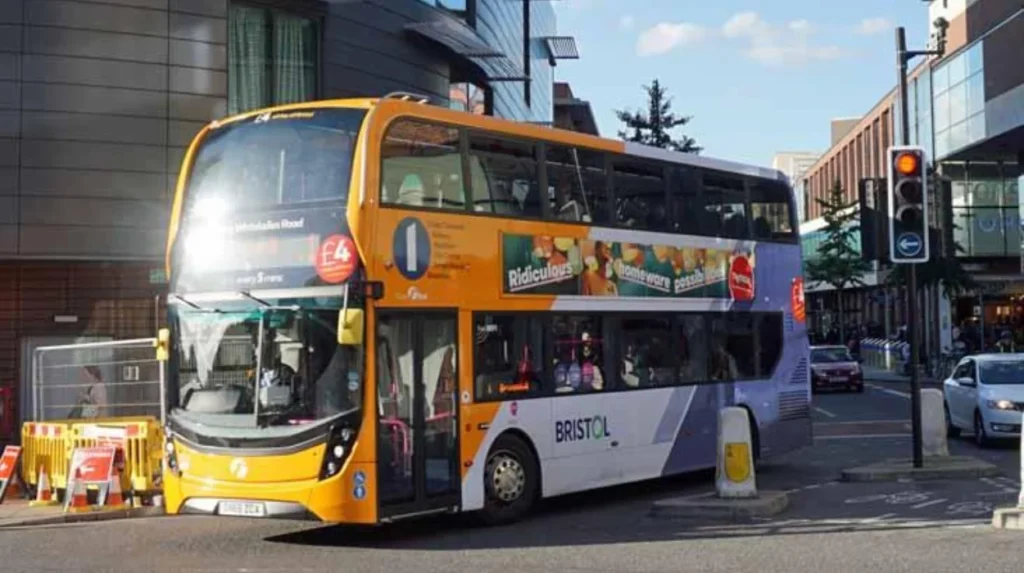
First Bus is the dominant operator in Bristol. Its Bristol, Bath and West network includes local city routes, metrobus services, airport connections and regional services.
Other operators also contribute to the regional network. The exact operator depends on the route and area. Travelwest maintains operator and service information so passengers can identify the provider for a particular journey.
This multi-operator structure matters for passengers travelling across administrative boundaries. A journey from a Bristol suburb to a neighbouring town can involve different operators, fare products or ticket acceptance rules.
Passengers should therefore check the operator before purchasing a ticket. Travelwest provides a regional fares and operator search, while First Bus provides detailed timetables and route maps for its own services.
Which Bristol bus routes are important for visitors?
Important Bristol bus routes include services connecting the city centre with Clifton, Temple Meads, Cribbs Causeway, Southmead, Stockwood, Broomhill, UWE, Bristol Airport and surrounding towns such as Yate, Thornbury and Weston-super-Mare.
The exact best route depends on the starting point and destination. Bristol’s network is designed around several major transport corridors.
Route 1 connects Cribbs Causeway with Broomhill through Henbury, Westbury-on-Trym, Clifton Down, Bristol city centre and Temple Meads Station.
Routes 2 and 2a connect Cribbs Causeway or Brentry with Stockwood. Their route includes Southmead, Henleaze, Clifton Down, the city centre and Temple Meads.
Route 8 connects Bristol Temple Meads with Clifton through the city centre. This makes it relevant for passengers travelling between the principal railway station and Clifton.
The A1 Airport Flyer connects Bristol Airport with Bristol city centre and Temple Meads via Bedminster. It provides a direct airport-to-city connection and is one of the most important bus services for air travellers.
The T1 connects Bristol with Thornbury through Bradley Stoke, Aztec West, Almondsbury and Alveston.
The Y1 connects Bristol with Yate through Winterbourne, Frampton Cotterell and Yate Park & Ride.
Passengers should always check the current timetable before travelling because route numbers, stopping patterns and timetables change.
What is metrobus in Bristol?
Metrobus is Bristol’s modern bus rapid transit system, using dedicated infrastructure and priority measures on parts of its routes to connect major residential, employment, education, shopping and transport destinations across Greater Bristol.
Metrobus forms an important part of the Bristol public transport network. It is designed around strategic corridors rather than conventional local streets.
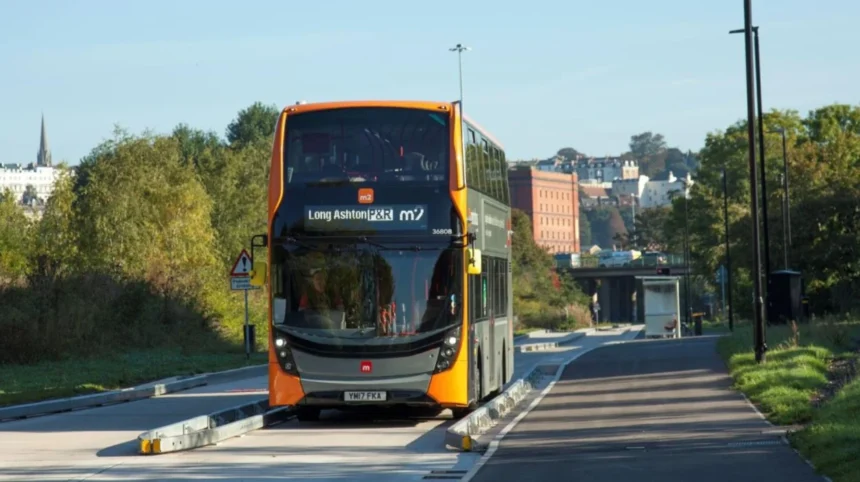
The current metrobus network includes m2, m3, m3x and m4 services. The m2 operates between Long Ashton Park & Ride and Bristol city centre through Ashton Vale, Ashton Gate, Cumberland Basin, Spike Island, Temple Meads, Cabot Circus, Broadmead and the city centre.
The m3 connects Emersons Green with the city centre through Lyde Green Park & Ride, Bristol & Bath Science Park, Emerald Park Industrial Estate, UWE Frenchay, Cabot Circus and Broadmead. The m3x follows the m3 corridor but operates as an express commuter service with fewer stops.
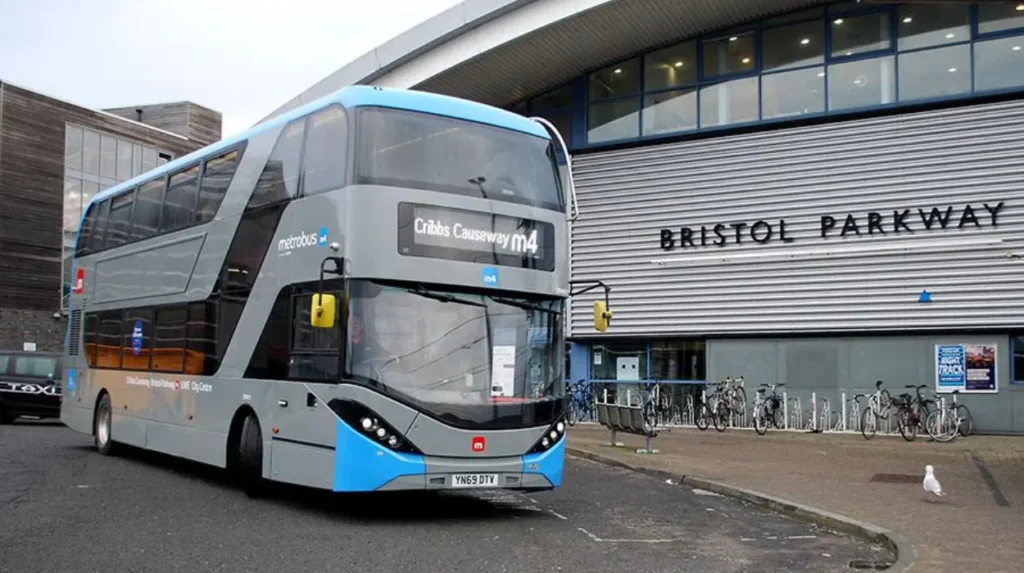
The m4 connects Cribbs Causeway with the city centre through Brabazon, Little Stoke, Stoke Gifford, Bristol Parkway, UWE Frenchay, Cabot Circus and Broadmead.
Metrobus services use modern vehicles with passenger features including Wi-Fi and USB charging.
Metrobus also uses different boarding procedures from many conventional bus services. It operates as a Buy Before You Board service, although passengers using Tap On, Tap Off can pay through the contactless system.
How much does a Bristol bus ticket cost?
From 1 January 2026, the standard adult Bristol Zone fare on First Bus and metrobus is £2.60 for one journey, while the Bristol Zone Tap On Tap Off day cap is £6.80 and the seven-day cap is £28.
Fares depend on the operator, passenger category, zone and ticket type. First Bus introduced its current Bristol fare structure from 4 January 2026. The Bristol adult single fare increased from £2.50 to £2.60, while the Bristol Day ticket increased from £6.50 to £6.80.
The current Tap On Tap Off structure provides a straightforward option for passengers who do not want to choose a ticket in advance. In Bristol, one trip costs £2.60, two trips cost £5.20, and three or more trips reach the £6.80 day-ticket level.
The Bristol weekly Tap On Tap Off cap is £28. This means repeated Bristol travel over seven days reaches the weekly maximum rather than continuing to increase with every journey.
Fare levels differ outside the Bristol Zone. West of England journeys are calculated according to the applicable fare structure, with a wider-area day cap of £7 on Tap On Tap Off services.
Children, young people and students have separate fares. Children aged 5 to 15 receive reduced fares, while children under 5 travel free on metrobus when accompanied by a fare-paying adult.
Because fares are periodically reviewed, passengers should check the latest operator or Travelwest information before purchasing tickets.
How does Tap On Tap Off work on Bristol buses?
Tap On Tap Off allows passengers to use a contactless bank card or compatible device when boarding and leaving, with the system calculating the applicable fare and applying daily or weekly caps according to the journeys made.
The system is designed to remove the need to select a paper or mobile ticket before every journey. Passengers tap when boarding and tap again when leaving.
The same card or device should be used for both taps. Using different cards between boarding and exiting can prevent the system from correctly linking the journey.
For Bristol travel, Tap On Tap Off calculates journeys throughout the day and applies the relevant cap. The current Bristol daily cap is £6.80 and the seven-day cap is £28.
The system also operates across First Bus and metrobus services. Travelwest states that Tap On Tap Off is available across First West of England bus services and metrobus services.
Passengers should keep their payment card or device separate from other contactless cards when tapping. Travelwest specifically recommends separating the intended payment device from other cards or devices to avoid incorrect contactless transactions.
Which Bristol bus tickets are available?
Bristol passengers can choose from single fares, day tickets, weekly tickets, Travelcards, BristolRider products and concessionary travel options, with the appropriate choice depending on travel frequency, operator coverage and passenger eligibility.
Single tickets suit passengers making one journey. Day tickets suit passengers making several journeys during the same day.
Weekly tickets provide seven days of travel and are particularly relevant to regular visitors, students and commuters. First Bus lists the Bristol weekly price at £28 from January 2026.
BristolRider provides multi-operator ticketing. This is important because Bristol has more than one bus operator. A multi-operator product reduces the need to purchase separate operator-specific tickets where the ticket is accepted.
Travelwest Travelcards provide another regional ticketing option. Travelwest states that Travelcards can be used on buses across the West of England, including metrobus services, subject to the applicable ticket and operator conditions.
Concessionary passes are available to eligible passengers. Metrobus accepts English concessionary bus passes for older and disabled passengers.
The correct ticket depends on the journey pattern. A single journey does not require a day ticket. A passenger making several Bristol journeys in one day can compare the £6.80 day cap with individual fares.
How can passengers plan a Bristol bus journey?
Passengers can plan Bristol bus journeys through Travelwest journey planning tools, First Bus route maps and timetables, live arrival information, operator apps and digital journey planners that combine routes, stops and service information.
Travelwest provides journey planning, bus and rail live arrivals, bus routes and timetables, fares and interactive network maps.
First Bus provides route maps and detailed timetables. Its timetable system allows passengers to search by route number, town or bus stop and select the relevant day.
The First Bus timetable system also allows passengers to personalise information according to their start point, destination and time of travel.
Passengers should check the date attached to the timetable. Bristol bus schedules are periodically revised, and First Bus publishes separate timetables for weekdays, Fridays, Saturdays and Sundays on many routes.
This is particularly important during school holidays, public holidays, major events and planned roadworks.
Where can visitors catch buses in central Bristol?
Central Bristol contains major bus stops serving the city centre, Temple Meads, Broadmead, Cabot Circus, Bristol Bus Station and surrounding neighbourhoods, with stop locations varying according to route direction and service number.
Bristol city centre has a complex street pattern. Different services use different central stops, so passengers should check the exact stop rather than relying only on a destination name.
Temple Meads is one of the city’s main transport interchanges. Multiple bus routes connect the railway station with central Bristol and surrounding neighbourhoods.
For example, routes 1, 2, 8 and 9 serve areas around Bristol Museum & Art Gallery, while the museum advises visitors to check current bus information before travelling.
Broadmead and Cabot Circus are also important central destinations. Several metrobus corridors pass through or near these areas, creating interchange opportunities between local and strategic services.
Bristol Bus Station provides another major interchange. Passengers travelling to suburbs and regional destinations should verify whether their service departs from the bus station, a city-centre roadside stop or another transport hub.
How does Bristol Airport connect to the bus network?
Bristol Airport connects with central Bristol through the A1 Airport Flyer, which operates between Bristol Airport, Bristol city centre and Temple Meads via Bedminster and provides a direct public transport option for air travellers.
The A1 is one of the clearest airport connections within the Bristol bus system. First Bus lists the route as Bristol Airport to Bristol city centre via Bedminster and Temple Meads Station.
The Airport Flyer integrates with the wider First Bus fare system. Tap On Tap Off can be used on the A1, and the operator states that connecting travel on other First Bus services is included within the applicable daily cap when using the system.
Airport passengers should allow sufficient time for traffic conditions, luggage handling and check-in requirements. Bus journey times are affected by road conditions.
The A1 is therefore particularly useful for passengers travelling between the airport and Temple Meads or the central area without using a private car.
How do Bristol Park & Ride bus services work?
Bristol Park & Ride combines peripheral car parking with bus transport into the city, reducing the need to drive through congested central roads and providing connections from strategic locations into Bristol.
Park & Ride sites form part of the wider West of England transport system. They are designed for passengers who want to leave a car outside the central area and continue by bus.
Several strategic corridors connect Park & Ride locations with Bristol. The m2 connects Long Ashton Park & Ride with the city centre, while the m3 serves Lyde Green Park & Ride.
The Lyde Green Park & Ride corridor provides access to Bristol & Bath Science Park, UWE Frenchay, Cabot Circus and the city centre through the m3.
Park & Ride is relevant for commuters, visitors and event travellers because it separates the parking stage of a journey from the central public transport stage.
Passengers should check current parking availability, operating times, fares and service information before travelling.
How accessible are Bristol buses?
Bristol buses are designed to accommodate wheelchair users and pushchairs, while accessible boarding arrangements, concessionary travel and modern vehicles support passengers with different mobility requirements across conventional and metrobus services.
Accessible bus design is an important component of Bristol’s public transport system. The Greater Bristol Travel Guide states that buses provide space for wheelchairs and pushchairs, subject to available space and the driver’s discretion.
Metrobus services also accept concessionary passes for eligible older and disabled passengers.
Passengers requiring specific accessibility arrangements should check the route and vehicle information before travelling. Bus stop design, road conditions and boarding locations can affect accessibility.
Modern buses increasingly incorporate low-floor access and dedicated spaces. However, passenger demand can affect the availability of wheelchair and pushchair spaces at busy times.
How do bus lanes improve Bristol bus travel?
Bus lanes and bus priority measures give public transport vehicles protected road space, helping reduce the impact of general traffic congestion and supporting more reliable journeys through busy Bristol corridors.
Bristol’s road network experiences congestion on major radial routes and central streets. Buses operating in mixed traffic are directly affected by these conditions.
Bristol City Council’s transport planning identifies bus lanes and related measures as important mechanisms for improving bus reliability. The city’s transport strategy also links bus priority with the development of a more attractive public transport network.
Bus priority is particularly significant because a single congested road can affect passengers across an entire route. Delays accumulate when buses encounter repeated traffic restrictions.
Dedicated lanes, bus gates and other priority measures provide buses with more consistent access through constrained sections of the road network.
Bristol’s long-term transport planning also connects enhanced bus priority with broader regional mass-transit objectives.
How important are buses to Bristol’s transport system?
Buses are a major component of Bristol’s transport system, supporting commuting, education, healthcare, shopping and leisure travel while connecting the city with surrounding communities across the wider West of England region.
Bristol has historically recorded higher bus use per head than several neighbouring West of England authorities. Regional data shows Bristol recorded 92.3 passenger journeys per head in 2018/19 and 87.0 in 2019/20.
Bus use fell sharply during the COVID-19 pandemic. The West of England Bus Service Improvement Plan reports that regional passenger numbers subsequently recovered to 85% of pre-pandemic levels by the second quarter of 2023/24.
The same regional plan states that the number of individual passengers had surpassed pre-pandemic levels, although passengers were making fewer journeys. Changes in hybrid working, online shopping and other travel patterns contributed to this difference.
These trends show why Bristol’s bus network remains important beyond traditional commuting. Leisure journeys, education, healthcare, shopping and airport travel all contribute to demand.
Explore More Area Guide
Parking in Bristol: Car Parks, Charges and Rules 2026
Bristol Public Transport Guide: Buses, Metrobus and Rail 2026
What should visitors know before using Bristol buses?
Visitors should check the exact route, stop, direction, timetable date and fare before travelling, then use contactless payment or an appropriate ticket and monitor live service information for disruptions, diversions and cancellations.
The first step is to identify the exact destination. Bristol has multiple stops with similar names, and a route can serve different stops in opposite directions.
The second step is to check the service number and destination displayed on the bus. Route numbers such as 1, 2, 8, A1, m2, m3 and m4 serve substantially different corridors.
The third step is to check the fare. For frequent Bristol travel, the £6.80 daily Tap On Tap Off cap can be more relevant than paying individual fares throughout the day.
The fourth step is to check disruptions. First Bus publishes service updates and cancellations, while Travelwest provides regional travel information.
The fifth step is to allow additional journey time when travelling during busy periods or major events. Bristol’s bus services operate on public roads, so congestion and road restrictions can affect journey times.
What is the future of Bristol bus travel?
The future of Bristol bus travel centres on higher-quality bus corridors, improved priority measures, integrated ticketing, modern vehicles, Park & Ride connections and stronger links between buses and wider regional mass-transit planning.
Bristol’s transport authorities continue to develop bus services as a core component of regional mobility.
Metrobus provides an existing model for higher-quality bus corridors. Its network connects major destinations such as UWE, Bristol Parkway, Cribbs Causeway, Emersons Green, Long Ashton and the city centre.
Bus priority remains a major planning objective. Bristol City Council identifies enhanced bus priority as an important part of improving public transport reliability and supporting future mass-transit development.
Fare integration is another important development. Tap On Tap Off, BristolRider and Travelwest Travelcards provide mechanisms for simplifying payment and supporting travel across services and operators.
The regional network is also adapting to changing passenger behaviour. The West of England Bus Service Improvement Plan identifies the need to attract passengers back to public transport for a wider range of journeys, including leisure travel, rather than relying exclusively on traditional weekday commuting.
For passengers, the practical result is a Bristol bus system increasingly built around digital journey planning, contactless payment, live information, modern buses, strategic metrobus corridors and coordinated regional transport planning.
A reliable Bristol bus journey begins with the same basic process: identify the destination, check the current route, confirm the stop, select the correct fare and verify live service information. Using these steps makes the city’s extensive network easier to navigate for residents, students, commuters and visitors.
What is the main bus operator in Bristol?
First Bus operates the majority of local bus services across Bristol, Bath and the surrounding West of England area. Other operators also provide selected regional services.