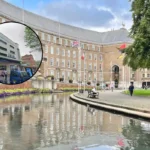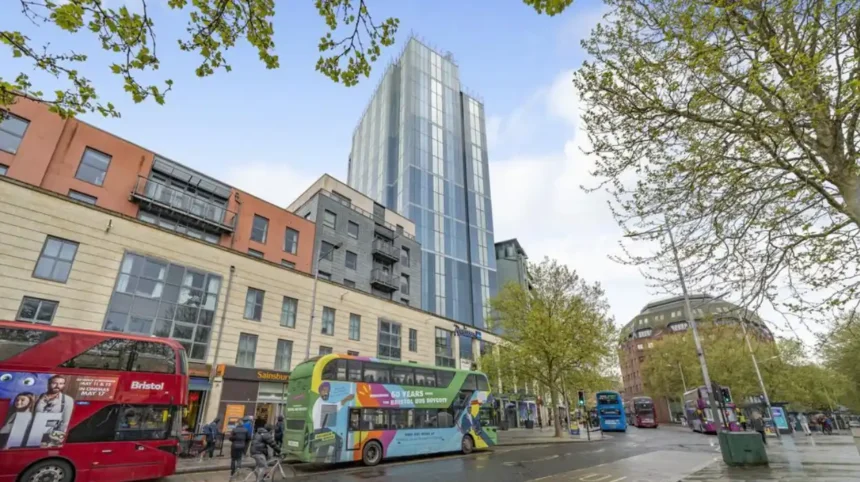
Bristol has a diverse public transport network covering buses, metrobus, local and regional rail, Park & Ride services, community transport, coaches, and airport connections. The system links the city centre with residential districts, employment areas, universities, shopping destinations, hospitals, neighbouring towns, and regional transport hubs.
- What is public transport in Bristol?
- How did public transport develop in Bristol?
- Which public transport services operate in Bristol?
- How does Bristol’s bus network work?
- What is Bristol metrobus and where does it go?
- How much does public transport cost in Bristol?
- How can visitors travel around Bristol without a car?
- How does Park & Ride work in Bristol?
- Which train stations are important for Bristol?
- How accessible is public transport in Bristol?
- How does public transport support Bristol’s clean-air and climate policies?
- What is the future of public transport in Bristol?
The city’s public transport network is shaped by Bristol’s geography, its position in the West of England, and its role as a major regional employment and visitor destination. Bristol City Council, the West of England Mayoral Combined Authority, transport operators, Network Rail, and national transport bodies all have roles in planning, operating, regulating, or funding different parts of the system.
For visitors, the main transport choices are bus, metrobus and train. For residents, the network also includes Park & Ride, community transport, concessionary travel, cycling connections and longer-distance coach services. Travelwest provides journey-planning information for buses and trains across the West of England.
What is public transport in Bristol?
Public transport in Bristol is a coordinated network of buses, metrobus, trains, Park & Ride, coaches and community services connecting Bristol with surrounding communities, transport hubs, employment centres, universities, hospitals and visitor destinations.
Public transport means shared passenger services operating according to scheduled routes or organised transport arrangements. In Bristol, the network combines road-based services with the national railway system.
Buses form the largest part of the urban network. Local bus services connect neighbourhoods with Bristol city centre and major destinations such as Southmead Hospital, the University of Bristol, UWE Bristol, Broadmead, Cabot Circus, Bedminster and employment areas.
Metrobus is Bristol’s bus-based rapid transit system. It uses limited-stop routes, dedicated infrastructure in selected locations, bus priority measures and high-quality stops. The West of England Combined Authority describes metrobus as a rapid public transport network designed around faster and more reliable journeys.
Rail provides longer-distance connections and important links between Bristol and destinations across South West England and the wider United Kingdom. Bristol Temple Meads is the principal railway station and a major interchange.
Park & Ride services allow passengers to leave cars outside the central area and continue by bus. This reduces the need to drive into busy central streets and provides an interchange between private vehicles and public transport.
Coaches provide longer-distance travel to destinations outside the local transport area. Community transport supports specific passenger groups and areas that require additional mobility services.
How did public transport develop in Bristol?
Bristol’s public transport developed from horse-drawn and electric tramways into extensive bus and railway networks, followed by modern rapid transit and integrated travel planning. Historical transport records held by Bristol Archives document tramways, buses, routes, regulations and infrastructure.
Bristol has a long history of organised urban transport. Bristol Archives holds records covering the development and operation of transport services, including tramway material, route maps, timetables and company records.
The Bristol Tramways and Carriage Company became an important part of the city’s early public transport history. Bristol Museums records a surviving tram body associated with the Bristol Tramways & Carriage Company and dating from the late nineteenth century.
The development of electric tramways changed urban mobility by allowing larger numbers of passengers to travel through established corridors. Tram infrastructure connected residential districts with commercial areas and supported the expansion of Bristol beyond the historic centre.
Buses subsequently became increasingly important. Road-based services provided greater flexibility because routes could be changed without the fixed infrastructure required by tramways.
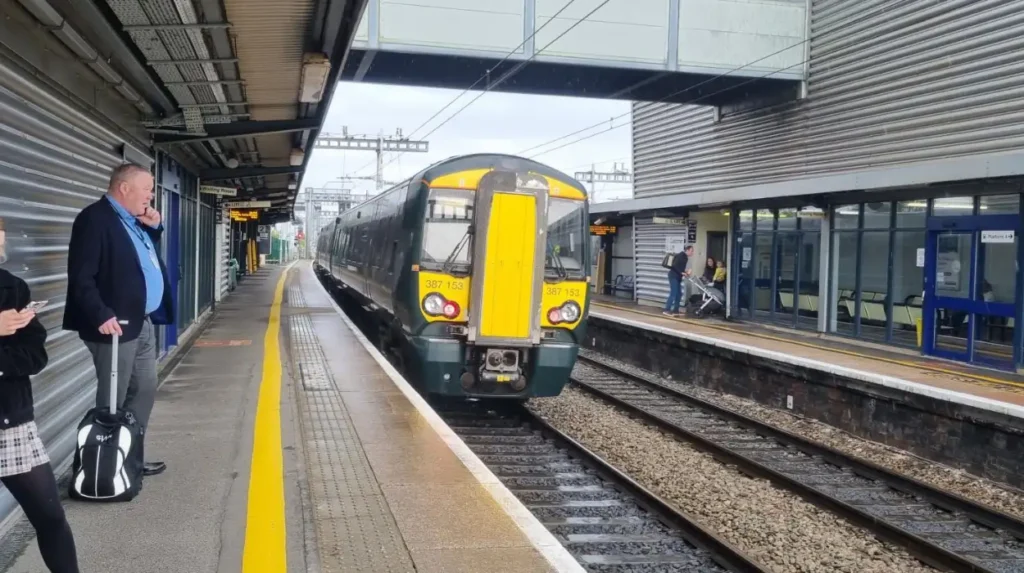
Railways also transformed Bristol’s regional connections. Bristol Temple Meads became the central railway gateway for the city. Bristol Parkway later became an important station serving northern Bristol, South Gloucestershire and wider regional connections.
The modern network reflects this layered history. Fixed railway corridors provide regional connectivity, while buses provide extensive local coverage. Metrobus adds higher-quality rapid bus corridors to the conventional bus network.
Bristol’s transport history remains documented through local archives. Bristol Archives holds almost two million documents covering the history of Bristol and surrounding areas from the twelfth century to the present day, including maps, photographs, plans and organisational records.
Which public transport services operate in Bristol?
Bristol’s main public transport services include conventional buses, metrobus, local trains, Park & Ride, community transport, regional coaches and airport services. Each mode serves a different role within the wider transport network and regional travel system.
Conventional buses provide the broadest local coverage. They serve central Bristol and residential communities across the city and neighbouring authorities.
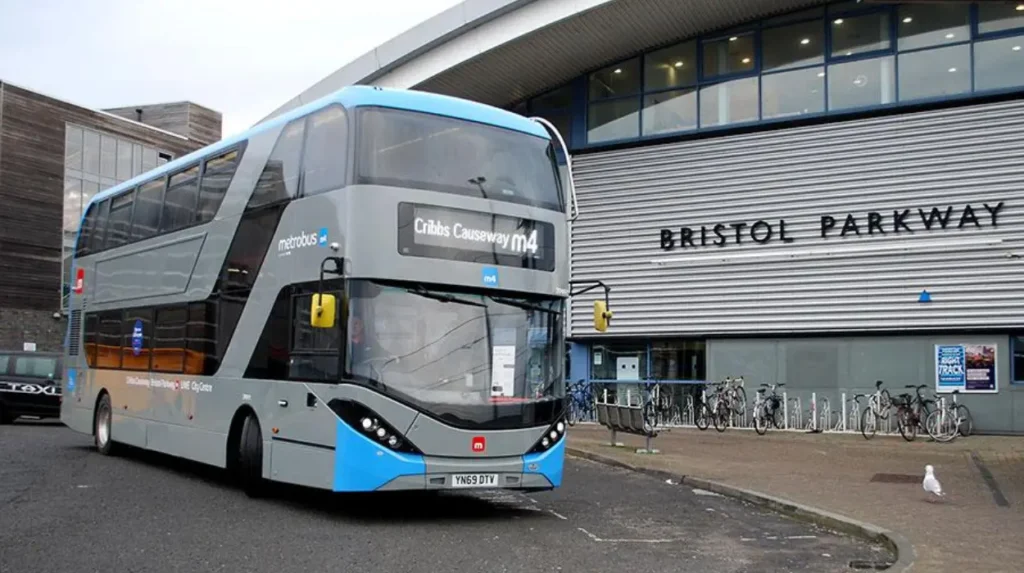
Metrobus provides faster services on selected corridors. Current metrobus routes include m1, m2, m3/m3x and m4. The m1 connects Cribbs Causeway with Hengrove Park. The m2 links Long Ashton Park & Ride with Bristol city centre. The m3 and m3x connect Emersons Green with the city centre, while the m4 connects Cribbs Causeway with the city centre.
Rail services provide connections beyond Bristol. Bristol Temple Meads is the city’s major railway station, while Bristol Parkway serves northern Bristol and surrounding communities.
Park & Ride services operate from strategic locations around the city and wider region. They provide an alternative to driving into central Bristol.
Community transport services provide additional accessibility for passengers who need specialised transport arrangements.
Long-distance coaches connect Bristol with other cities and towns. These services operate separately from local bus networks but form part of the wider public transport system.
Airport services provide links between Bristol and Bristol Airport. Dedicated airport buses are separate from standard local bus arrangements and have their own fares and ticket conditions.
How does Bristol’s bus network work?
Bristol’s bus network uses scheduled routes connecting residential areas, city-centre destinations, hospitals, universities, shopping districts and employment centres. Services operate through conventional stops, interchanges, bus lanes and selected bus-priority infrastructure.
Local buses are the most extensive public transport mode for journeys within Bristol. They provide frequent connections between neighbourhoods and central destinations.
The network includes services operated by First Bus and other providers. Route numbers identify individual services, while stops provide designated boarding and alighting locations.
Passengers can plan journeys using Travelwest, which provides bus and rail journey planning, live travel information, route information and timetables.
Bus fares depend on the service, passenger category and ticket type. A Bristol city-centre travel guide published by Travelwest in 2026 states that standard bus fares start from £2.60 for singles and £6.80 for a day ticket. Fares change over time, so passengers should check current information before travelling.
Payment options include cash and contactless payment on applicable bus services. Operator apps and Travelwest products also provide ticketing options.
Metrobus has a different boarding process from many conventional bus services. Passengers must purchase a ticket before boarding or use the Tap On, Tap Off system where available. Travelwest states that passengers using First Bus and metrobus services can use the same card or device when tapping on and off for automatic fare calculation.
This distinction is important because metrobus operates as a rapid transit system. Off-board ticketing supports faster passenger boarding at busy stops.
What is Bristol metrobus and where does it go?
Metrobus is Bristol’s rapid bus transit network, providing faster limited-stop journeys across major corridors. Current routes include m1, m2, m3/m3x and m4, connecting areas such as Cribbs Causeway, Hengrove, Long Ashton, Emersons Green and Bristol city centre.
Metrobus was introduced in phases from 2018. The m3 began operating in May 2018 between Emersons Green and Bristol city centre. The m2 followed later in 2018, linking Long Ashton Park & Ride with the city centre. The m1 opened in early 2019 and created a major north-south corridor.
The modern metrobus network includes four principal service groups.
The m1 connects Cribbs Causeway and Hengrove Park. It serves major destinations including Bristol city centre, Bedminster and UWE Bristol.
The m2 connects Long Ashton Park & Ride with Bristol city centre and provides access towards Temple Meads.
The m3 and m3x connect Emersons Green with the city centre. The m3 serves locations including UWE Frenchay, Cabot Circus and Broadmead, while the m3x provides an express version with fewer stops.
The m4 connects Cribbs Causeway with Bristol city centre through areas including Brabazon, Little Stoke, Stoke Gifford, Bristol Parkway and UWE Frenchay.
Metrobus infrastructure includes dedicated stops, real-time information and selected segregated sections. A West of England Combined Authority document identifies 90 metrobus stops with high-quality shelters and information points.
How much does public transport cost in Bristol?
Public transport fares in Bristol depend on the operator, route, passenger category, ticket type and travel zone. In 2026, metrobus adult single fares start at £2.60, while city-centre bus information lists day tickets from £6.80.
Fare structures change periodically. Passengers should check the current fare before purchasing a ticket, particularly when travelling across different operators or between local and regional services.
For metrobus, Travelwest lists an adult single fare of £2.60 from January 2026. The listed fare for passengers aged 16–21 is £2.34, while children aged 5–15 are charged £1 on the relevant metrobus fare structure.
Day tickets provide unlimited travel within their applicable conditions. They are useful for passengers making multiple journeys during one day.
Contactless payment provides another option. On applicable First Bus and metrobus services, passengers can use Tap On, Tap Off. The system calculates the applicable fare based on the journey.
Travelcards provide another ticketing option. Their value depends on the number of journeys, travel period and applicable network.
Concessionary travel provides free or discounted travel for eligible passengers. Bristol City Council states that eligible concessionary bus-pass holders can use local buses in England during qualifying periods. In the Bristol area, the concession covers First Bus, metrobus, Park & Ride and community transport services under the relevant rules.
Passengers should distinguish bus tickets from rail tickets. A local bus pass does not automatically provide free travel on trains. Bristol City Council specifically states that concessionary bus passes cannot be used on trains.
How can visitors travel around Bristol without a car?
Visitors can travel around Bristol without a car by combining local buses, metrobus and trains with walking. City-centre bus routes provide access to major attractions, while rail and Park & Ride services support journeys between central Bristol and surrounding areas.
Bristol city centre contains many destinations within walking distance of major bus stops and Temple Meads.
Visitors arriving by train can use Bristol Temple Meads as a central interchange. The station handled approximately 10.2 million passenger entries and exits between April 2023 and March 2024, making it the busiest station in South West England according to the Office of Rail and Road.
Bristol Temple Meads connects with local buses and metrobus services, allowing passengers to continue towards the city centre and surrounding neighbourhoods.
Bristol Parkway provides another important rail interchange, particularly for journeys involving northern Bristol, South Gloucestershire and destinations along the main railway corridors.
For city-centre sightseeing, buses provide direct access to areas such as Broadmead, Cabot Circus, the Harbourside area and other central districts. Walking completes many shorter journeys.
Visitors should check live departures before setting out. Bus and rail services operate according to different timetables, and temporary roadworks or railway engineering work can alter normal routes.
How does Park & Ride work in Bristol?
Park & Ride allows drivers to leave vehicles at designated sites outside central Bristol and continue by bus. It combines private transport with scheduled public transport and reduces the need to drive directly into congested central streets.
Park & Ride is designed for passengers who need access to central Bristol but do not want to drive through the city centre.
The system works through designated car parks linked to bus services. Passengers park their vehicle, walk to the bus stop, purchase or validate the appropriate ticket, and continue into the city.
Long Ashton Park & Ride is particularly important because it connects with the m2 metrobus route. The m2 provides a direct rapid-bus connection between Long Ashton and Bristol city centre.
Park & Ride also forms part of wider regional transport planning. The West of England Bus Strategy identifies Park & Ride as an important component of the transport network and links it with high-frequency bus provision and interchange between transport modes.
Park & Ride is particularly relevant for visitors travelling from outside Bristol. It provides an alternative to searching for central parking and avoids unnecessary vehicle journeys through the busiest parts of the city.
Passengers should check the current operating days, fares and first and last departures before travelling because Park & Ride schedules differ between locations.
Which train stations are important for Bristol?
Bristol Temple Meads is the city’s principal railway station, while Bristol Parkway is another major interchange. Together with smaller local stations, they connect Bristol with regional destinations including Bath, Cardiff, South Wales, London and cities across England.
Bristol Temple Meads is the principal rail gateway for central Bristol. It provides access to services operated by several train companies and connects the city with major destinations across the national railway network.
The station’s scale reflects Bristol’s importance as a regional transport centre. Office of Rail and Road data records 10.2 million passenger entries and exits at Bristol Temple Meads during April 2023 to March 2024.
Bristol Parkway is positioned north of the city centre near Stoke Gifford and provides connections for northern Bristol, South Gloucestershire and surrounding communities.
Local railway stations extend public transport coverage into neighbourhoods and neighbouring towns. These stations support commuting, education, leisure and regional travel.
Rail is particularly useful for journeys between Bristol and Bath, Cardiff, South Wales and London. It also provides connections towards destinations across the South West and Midlands.
Passengers using rail should check the train operator and current timetable before travel. Planned engineering works can affect routes, platforms and departure times.
How accessible is public transport in Bristol?
Bristol’s public transport system includes accessibility provisions across buses, metrobus, railway stations and concessionary services. Accessible vehicles, assistance arrangements, priority facilities and travel information support passengers with different mobility and accessibility requirements.
Accessibility varies by transport mode and individual vehicle or station.
Buses and metrobus vehicles are designed to support accessible boarding, although passengers should check specific arrangements when they require assistance.
Bristol Temple Meads provides passenger assistance services. Office of Rail and Road data records 28,969 passenger-assistance requests at the station during April 2023 to March 2024.
Concessionary travel is another important part of accessibility. Eligible disabled passengers can receive concessionary travel benefits under the applicable rules.
Bristol City Council states that disabled-persons concessionary passes receive broader travel permissions on journeys beginning within Bristol, Bath and North East Somerset, North Somerset or South Gloucestershire during the relevant period.
Passengers who need specific assistance should check requirements before travelling. Rail assistance can involve station support, boarding assistance and help when changing trains.
Travel information should also be checked in advance because temporary changes can affect accessible routes, stops or stations.
Explore More Area Guide
Commuting from Bristol: Transport, Rail and Travel Guide 2026
Transport in Bristol: Buses, Rail and Travel Guide 2026
How does public transport support Bristol’s clean-air and climate policies?
Public transport supports Bristol’s environmental policy by providing alternatives to private car travel. The city’s Clean Air Zone also encourages cleaner vehicles and funds transport improvements, including bus services and sustainable travel initiatives.
Bristol introduced its Clean Air Zone on 28 November 2022. The zone targets nitrogen dioxide pollution by charging certain older and more polluting vehicles while encouraging cleaner transport choices.
The Clean Air Zone does not ban vehicles from entering Bristol. Instead, vehicles that do not meet the required emissions standards face daily charges.
Bristol City Council states that more than 88% of vehicles entering Bristol already meet the applicable air-quality requirements.
The policy also supports public transport. Bristol City Council states that Clean Air Zone revenue can fund transport improvements and sustainable travel measures. Funding has supported bus services and other transport schemes.
The council’s climate action programme identifies public transport as part of efforts to make travel easier, greener and safer. It also identifies £4.7 million from Clean Air Zone charges for new bus services.
These policies connect transport planning with air quality. More effective public transport gives residents and visitors an alternative to private vehicle journeys.
What is the future of public transport in Bristol?
Bristol’s future public transport development focuses on stronger bus priority, expanded rapid transit, improved rail connectivity, sustainable travel and higher-capacity transport. Regional planning also includes proposals for a future mass-transit network serving major Bristol corridors.
Transport planning in Bristol extends beyond existing buses and trains.
The West of England Combined Authority has developed plans for a higher-capacity mass-transit system. Earlier regional planning identified corridors linking Bristol city centre with Bath, Bristol Airport, and the northern and eastern fringes of the city region.
Future transport planning also includes improvements to bus priority. Bristol City Council identifies bus lanes, bus gates and upgraded pedestrian infrastructure among planned transport measures.
Metrobus remains part of the current rapid-transit framework. The m4, which links Cribbs Causeway with Bristol city centre through Bristol Parkway and UWE Frenchay, demonstrates the continued development of rapid bus connectivity.
Rail investment also remains important. Bristol Temple Meads has undergone major investment and infrastructure improvements designed to improve passenger access and the station environment. The West of England Combined Authority has previously identified a £24 million new entrance project at Temple Meads.
The long-term direction is an integrated transport system in which buses, metrobus, rail, Park & Ride, walking and cycling work together.
For passengers, the practical priority remains simple: check the current timetable, use the correct ticket, allow time for interchange, and verify service information before travelling.
Bristol’s public transport network therefore serves both local and regional travel. Buses provide extensive neighbourhood coverage, metrobus supplies rapid connections on strategic corridors, rail connects Bristol with the wider national network, and Park & Ride provides an alternative to central car travel. Together, these services form the core of Bristol’s public transport system and remain central to the city’s future mobility strategy.
What is the main public transport in Bristol?
Buses are the main form of public transport in Bristol. The city also has metrobus services, local and regional trains, Park & Ride facilities, community transport and long-distance coaches.