
Finding flats for sale in Bristol involves comparing property prices, neighbourhoods, transport links, building conditions and ongoing ownership costs. Bristol is a major city in South West England, offering a wide range of properties, including modern city-centre apartments, waterfront homes, converted period flats and purpose-built residential developments.
- Why Are Flats for Sale in Bristol Popular With Property Buyers?
- How Much Do Flats for Sale in Bristol Cost?
- Which Bristol Areas Are Best for Buying a Flat?
- Bristol city centre
- Harbourside
- Clifton
- Redland and Cotham
- Bedminster and Southville
- Fishponds and other suburban neighbourhoods
- What Types of Flats Can Buyers Find in Bristol?
- How Can First-Time Buyers Purchase a Flat in Bristol?
- What Should Buyers Check Before Purchasing a Leasehold Flat in Bristol?
- Are Flats for Sale in Bristol Suitable for Property Investment?
- How Can Buyers Find and Compare Flats for Sale in Bristol?
- What Is the Outlook for Flats for Sale in Bristol?
According to the Office for National Statistics (ONS), the average price of flats and maisonettes in Bristol was approximately £241,000 in July 2026. This figure represents the wider local authority area rather than the asking price of every flat listed for sale.
For prospective buyers, the most suitable property depends on budget, preferred location, bedroom requirements, lease terms and access to employment, education and public transport. Understanding these factors helps buyers compare Bristol apartments and calculate the full cost of ownership.
Why Are Flats for Sale in Bristol Popular With Property Buyers?
Flats for sale in Bristol attract first-time buyers, professionals, investors and downsizers because the city combines employment opportunities, universities, transport connections and varied residential neighbourhoods. Buyers can compare compact apartments, larger flats and converted properties across different price ranges.
Bristol has an established economy supported by industries such as aerospace, engineering, creative services, technology, education and healthcare. These employment sectors contribute to demand for housing close to workplaces, transport connections and city amenities.
The city also has two major universities: the University of Bristol and the University of the West of England (UWE Bristol). Their student populations support demand for accommodation, particularly in areas with convenient transport links and access to university facilities. However, student demand does not guarantee rental income or investment returns for individual flat owners.
Bristol’s housing stock includes Georgian and Victorian conversions, post-war apartment blocks and contemporary developments. This variety allows buyers to compare architectural character, building facilities, internal layouts and maintenance requirements.
The local property market should also be understood in its regional context. According to official housing statistics, Bristol’s overall average property price was approximately £352,000 in July 2026, while flats and maisonettes averaged around £241,000. These figures provide a starting point for research rather than a valuation for a particular apartment.
Individual asking prices depend on location, floor area, condition, service charges, tenure and the availability of comparable properties.
How Much Do Flats for Sale in Bristol Cost?
The average price of flats and maisonettes in Bristol was approximately £241,000 in July 2026, according to provisional official statistics. Actual asking prices vary with location, bedrooms, building condition, outdoor space, tenure and facilities.
The Office for National Statistics and HM Land Registry provide official housing-price statistics based on completed transactions. Estate-agent listings, by contrast, advertise properties at asking prices. These measurements serve different purposes: sold-price statistics describe past transactions, while asking prices show what sellers currently seek.
Bristol’s average flat price differs from its overall average property price because the housing categories contain different property types. Detached houses, semi-detached houses, terraced houses, flats and maisonettes have different typical sizes and characteristics.
Buyers should compare flats with similar specifications rather than relying on a citywide average. A one-bedroom apartment in a central development is not directly comparable with a larger conversion in a residential suburb.
Which factors influence flat prices?
Location is one of the principal influences on property value. Flats close to employment centres, transport connections, shopping streets and popular amenities attract buyers seeking convenient access to everyday services.
Internal floor area also matters. A larger two-bedroom flat typically serves a different market from a compact studio, even when both properties occupy the same building.
Building condition affects the price and future maintenance budget. Buyers need to examine windows, roofing, communal hallways, lifts, heating systems, fire-safety arrangements and any planned major works.
Tenure is another important factor. Many flats in England are leasehold, meaning the owner holds a time-limited lease rather than outright ownership of the land and building. Lease length, ground rent provisions, service charges and restrictions on alterations can influence affordability and mortgage eligibility.
Other considerations include allocated parking, balconies, communal gardens and energy efficiency. These features affect convenience and running costs, so buyers should assess them alongside the advertised price.
How should buyers compare asking prices with sold prices?
Buyers should compare the asking price with recent completed sales of similar flats in the same neighbourhood. A meaningful comparison considers bedroom count, floor area, tenure, building age, condition and the date of each transaction.
HM Land Registry’s Price Paid Data records residential property transactions in England and Wales. Its records help buyers investigate previous sale prices, although transaction timing and differences between individual properties must be considered.
Online estate-agent listings provide another source of information, including photographs, descriptions, floor plans and advertised prices. Buyers should treat asking prices as the seller’s initial position rather than proof of a property’s final market value.
A property valuation from a qualified professional provides additional evidence when the asking price appears inconsistent with comparable sales. Mortgage lenders also arrange valuations to assess whether a property provides adequate security for the proposed loan.
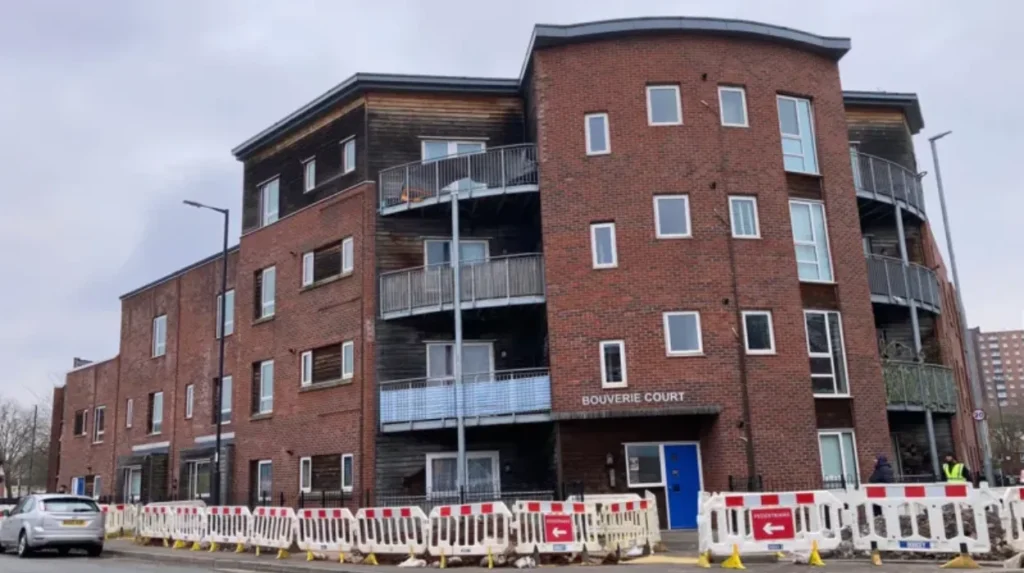
Which Bristol Areas Are Best for Buying a Flat?
The best Bristol neighbourhood depends on budget, commute, lifestyle and property type. Buyers can compare the city centre, Harbourside, Clifton, Redland, Bedminster, Southville and Fishponds for different combinations of amenities, housing styles and transport connections.
Bristol contains central neighbourhoods, established residential districts and suburban communities. Each offers a different balance of property costs, access to services and residential character. Buyers should compare individual streets and buildings because prices and conditions vary within the same neighbourhood.
Bristol city centre
Bristol city centre suits buyers who want to live close to offices, shopping areas, restaurants and cultural venues. Apartment buildings include modern developments and converted properties in older buildings.
Central flats appeal to professionals who prioritise short commutes and access to city amenities. However, buyers should inspect noise levels, parking arrangements, communal facilities and service charges before making an offer.
Harbourside
Harbourside offers waterfront apartments close to restaurants, museums, cultural venues and walking routes around Bristol’s historic harbour. Properties range from contemporary apartment developments to converted buildings.
Buyers should investigate the building’s management arrangements, maintenance history and insurance. Properties near water also require appropriate checks for flood risk and the implications of any relevant insurance conditions.
Clifton
Clifton is known for Georgian and Victorian architecture, independent shops, cafés and access to green spaces. Its housing stock includes period conversions and apartments in traditional buildings.
Buyers interested in Clifton flats should examine the condition of older buildings, including roofs, windows, external walls and shared staircases. Listed-building status or conservation-area restrictions can affect renovation work, so buyers should check relevant planning requirements.
Redland and Cotham
Redland and Cotham offer established residential streets with period houses, converted flats and access to local shops and public transport. Their location between central Bristol and northern residential districts makes them relevant to buyers seeking a balance between city access and neighbourhood amenities.
A converted flat in an older house requires careful assessment of sound insulation, shared maintenance responsibilities, heating efficiency and the lease. Buyers should also check whether the building has adequate communal access and clearly documented arrangements for repairs.
Bedminster and Southville
Bedminster and Southville offer residential streets, local shopping areas, cafés and access to central Bristol. Property options include flats within converted buildings and apartments in newer developments.
These neighbourhoods suit buyers who want local amenities without choosing a property directly in the city centre. Before making an offer, compare walking routes, public transport services, parking availability and the property’s distance from everyday destinations.
Fishponds and other suburban neighbourhoods
Fishponds and other suburban districts provide alternatives to central apartments. Buyers can investigate areas such as Horfield, Kingswood, Brislington and parts of Easton, depending on their budget and commuting requirements.
Suburban properties differ in their access to buses, local shops, parks and major roads. Buyers should compare door-to-door journey times rather than relying solely on the distance shown on a map. A lower purchase price also needs to be assessed alongside commuting expenses and building maintenance.
What Types of Flats Can Buyers Find in Bristol?
Bristol’s flat market includes studios, one-bedroom apartments, two-bedroom flats, larger apartments and converted period properties. Each type offers different levels of space, privacy, maintenance responsibility and suitability for first-time buyers, families or property investors.
The property type affects both the purchase price and the way a home functions in everyday life. A buyer who works from home, for example, has different space requirements from someone who mainly needs a convenient base near an office.
Studio flats
A studio combines living, sleeping and often kitchen facilities in one principal room, with a separate bathroom. Studios usually have less internal space than one-bedroom apartments.
Buyers should assess storage, ventilation, natural light and the separation between cooking and sleeping areas. The advertised floor area and layout matter more than the marketing description alone.
One-bedroom flats
A one-bedroom flat normally has a separate bedroom, a living area, a kitchen and a bathroom. It suits many single occupants and couples who need a distinct sleeping space.
Buyers should check whether the living room accommodates a dining table or work area, and whether the bedroom provides adequate storage. Floor plans help establish whether the layout makes effective use of the available space.
Two-bedroom flats
A two-bedroom flat provides an additional room for a child, guest, home office or another occupant. The second bedroom’s dimensions determine how practical the layout is.
Buyers should check whether both bedrooms have suitable windows, ventilation and access. Where the property will be shared, the layout of the bathroom, kitchen and living area also affects everyday convenience.
Converted period flats
A converted flat occupies part of a building originally constructed for another purpose, such as a Georgian or Victorian house. These properties often retain architectural features such as high ceilings, sash windows and original fireplaces.
The condition of the wider building is important because owners share responsibility for certain structural elements and communal spaces through the arrangements set out in their leases. Buyers should request information about previous repairs, planned works and the building’s management.
New-build apartments
New-build apartments are homes constructed as part of a recent development. Depending on the scheme, facilities include lifts, secure entrances, bicycle storage, parking and shared outdoor areas.
Buyers should review the developer’s specifications, warranties, lease terms, service charges and completion documentation. A new interior does not remove the need to check building safety, sound insulation, energy performance and the financial sustainability of communal facilities.

How Can First-Time Buyers Purchase a Flat in Bristol?
First-time buyers can prepare for a Bristol flat purchase by calculating their deposit, checking mortgage affordability, comparing properties and reviewing legal documents. They should budget for taxes, conveyancing, surveys, service charges and moving expenses before committing.
The first step is to establish a realistic purchase budget. Buyers should calculate their deposit and estimate mortgage repayments using an appropriate interest rate and repayment term. Mortgage affordability depends on income, existing debts, household spending, credit history and the lender’s criteria.
A mortgage agreement in principle provides an initial indication of how much a lender is prepared to consider lending. It is not a final mortgage offer, and the lender still assesses the chosen property and the buyer’s financial circumstances.
The next step is to compare properties using a consistent checklist. Relevant criteria include location, floor area, tenure, lease length, building condition, service charges, transport links and expected maintenance expenses.
After an offer is accepted, the buyer appoints a conveyancing solicitor or licensed conveyancer. The legal professional investigates ownership, title documents, lease provisions, building management, searches and other matters affecting the purchase.
The mortgage lender arranges a valuation where required. Buyers can also commission an independent survey appropriate to the building’s age and condition. A survey helps identify defects that require further investigation or repairs.
What deposit do buyers need?
The deposit depends on the lender’s requirements, the purchase price and the buyer’s financial position. A larger deposit generally reduces the amount borrowed, although it does not automatically guarantee mortgage approval or the lowest available interest rate.
For example, a 10% deposit on a £240,000 flat is £24,000, leaving a mortgage requirement of £216,000 before fees and other purchase costs. A 15% deposit on the same property is £36,000, leaving £204,000 to borrow.
These examples illustrate the arithmetic rather than a guarantee of a particular mortgage product. Buyers should compare the interest rate, arrangement fees, early repayment conditions and total borrowing cost across suitable offers.
What additional purchase costs apply?
Buying a flat involves expenses beyond the deposit. The total depends on the transaction, mortgage arrangements and the property’s condition.
Typical costs include:
- Conveyancing and legal fees.
- Mortgage arrangement and valuation fees, where applicable.
- A property survey.
- Removals and initial repairs.
- Buildings-related charges due at completion.
- Stamp Duty Land Tax (SDLT), where payable.
In England, SDLT applies according to the purchase price, the buyer’s circumstances and the applicable reliefs. Under the rules effective from 1 April 2025, eligible first-time buyers purchasing a home for £500,000 or less pay no SDLT on the first £300,000 and 5% on the portion above £300,000. Different rules apply to additional properties and certain non-UK-resident transactions. Buyers should verify eligibility using official HM Revenue & Customs guidance before completion.
What Should Buyers Check Before Purchasing a Leasehold Flat in Bristol?
Buyers should check the remaining lease term, ground rent, annual service charges, building insurance, planned repairs and management arrangements before purchasing a leasehold flat in Bristol. These obligations affect affordability, mortgage eligibility and the property’s future resale prospects.
Leasehold is a form of property ownership in which the buyer acquires the right to occupy a property for the remaining term of a lease. Most flats in England are leasehold, although other ownership arrangements exist.
The lease sets out the responsibilities of the leaseholder and the freeholder, who owns the land or building interest above the leasehold interest. A managing agent often handles day-to-day building administration.
How important is the remaining lease length?
The remaining lease term affects a property’s marketability and mortgage options. A lease originally granted for 99, 125 or 999 years becomes shorter as time passes, even when the flat changes owners.
Mortgage lenders often become less willing to lend when fewer than 80 years remain, and extending a lease can become substantially more expensive around that threshold. Buyers should obtain legal advice about the specific lease and applicable rights.
How do service charges affect affordability?
Service charges contribute towards the costs of maintaining and managing shared parts of a building. They commonly cover communal cleaning, repairs, building insurance and maintenance of facilities such as lifts or gardens.
Buyers should request the current annual charge, previous accounts, details of reserve funds and information about planned major works. A building with lifts or extensive communal facilities can have different running costs from a small conversion with limited shared areas.
The lease and supporting documents determine which costs are recoverable and how they are allocated. Buyers should also ask whether major repairs are planned and whether the building has sufficient funds to meet its maintenance obligations.
Are Flats for Sale in Bristol Suitable for Property Investment?
Bristol flats can suit property investors seeking rental income, but investment performance depends on purchase price, achievable rent, vacancy periods, financing costs, taxes and maintenance. Buyers should calculate net returns rather than relying on advertised rents or projected price growth.
Bristol’s universities, employment centres and transport connections support demand for rented accommodation. However, rental demand differs by neighbourhood, property size, tenant profile and proximity to workplaces or education.
Investors should research comparable rental listings and, where available, completed rental evidence for similar properties. They should also account for letting-agent fees, repairs, periods without tenants, insurance, service charges and applicable tax obligations.
A simple gross rental yield calculation is:
Gross rental yield = (Annual rent ÷ Purchase price) × 100
For example, a flat purchased for £240,000 and rented for £1,200 per month generates £14,400 in annual rent. Its gross rental yield is 6%.
This calculation excludes mortgage interest, maintenance, service charges, taxes, insurance and vacancy periods. The net return is therefore lower whenever these costs apply.
Investors should also check the lease for restrictions on subletting, short-term letting or occupancy. Mortgage conditions, building insurance and applicable rental regulations require separate consideration. Rental income and future capital growth are not guaranteed.
Explore More Area Guide
House Prices in Bristol: Latest Trends and Property Market Guide
Cost of Commuting in Bristol: Bus, Train and Car Costs
How Can Buyers Find and Compare Flats for Sale in Bristol?
Buyers can compare Bristol flats by reviewing estate-agent listings, checking recent sold prices, arranging property viewings and verifying legal documents. A consistent comparison of price, floor area, tenure, running costs and location helps identify suitable properties.
Online property portals allow buyers to filter listings by price, bedroom count, property type and location. Estate agents can provide further information about a property’s availability, viewing arrangements and the seller’s position.
During a viewing, buyers should inspect the condition of windows, walls, ceilings, plumbing, heating and electrical fittings. They should also assess natural light, ventilation, noise levels, storage and mobile connectivity.
For flats in shared buildings, buyers should examine entrances, corridors, staircases, lifts, communal gardens and refuse-storage areas. These features provide useful information about building maintenance and day-to-day convenience.
Before making an offer, buyers should request the floor plan, lease details, service-charge information and available building-management documents. The conveyancer then investigates the legal position and identifies issues that require clarification.
Buyers can also consult the official ONS housing-price service and HM Land Registry transaction data to understand local market trends. These sources provide historical evidence rather than a guarantee of future prices.
What Is the Outlook for Flats for Sale in Bristol?
The outlook for Bristol flats depends on mortgage affordability, housing supply, employment, population needs and wider economic conditions. Buyers should assess long-term suitability and current market evidence instead of assuming that property prices or rental income will increase.
Bristol remains an important employment and education centre in South West England. Its established neighbourhoods, universities, transport connections and varied housing stock continue to shape the residential market.
Official figures provide a useful way to compare Bristol’s flat prices with its wider housing market. However, market conditions vary by property type and location, so buyers should examine recent transactions and comparable properties before deciding how much to offer.
Future market conditions will depend partly on borrowing costs and household purchasing power. Changes in mortgage rates affect monthly repayments, while construction costs, planning decisions and the supply of homes influence the range of properties available.
For buyers planning to remain in Bristol for several years, practical considerations include the suitability of the location, commuting costs, building maintenance and the ability to manage ongoing expenses. For investors, rental demand and realistic net returns remain central considerations.
No citywide statistic establishes the correct price for an individual flat. Buyers should compare recent transactions, review the property’s legal and physical condition, and seek independent professional advice where necessary.
Flats for sale in Bristol offer a range of options, from compact city-centre studios to larger apartments and period conversions in established residential neighbourhoods. The city’s average flat price provides a useful benchmark, but individual property values depend on location, size, condition, tenure and building costs.
The most effective buying process combines local market research with mortgage planning, property inspections and legal checks. Reviewing lease length, service charges, planned repairs and SDLT obligations before committing helps buyers understand the complete financial commitment.
Whether purchasing a first home, moving to a different neighbourhood or assessing a rental investment, buyers should prioritise comparable evidence and the long-term affordability of the property.
What is the average price of flats for sale in Bristol?
The average price of flats and maisonettes in Bristol was approximately £241,000 in July 2026, according to provisional Office for National Statistics data. Actual prices depend on location, property size, condition and tenure.