Bristol has one of the United Kingdom’s most distinctive live music scenes. The city combines independent music venues, historic concert halls, grassroots performance spaces, established festivals and internationally recognised artists. Its musical identity spans rock, indie, jazz, electronic music, hip-hop, reggae, folk, classical and experimental performance.
- What Makes Bristol’s Live Music Scene Unique?
- A Strong Independent Music Culture
- International Musical Recognition
- Music Across Different Communities
- How Did Bristol Develop Its Reputation for Live Music?
- The Development of the Bristol Sound
- The Growth of Independent Music
- Bristol’s Contribution to British Music
- Which Venues Are Best for Live Music in Bristol?
- Bristol Beacon
- O2 Academy Bristol
- Thekla
- The Fleece
- Trinity Centre
- Exchange
- The Louisiana
- Other Important Music Spaces
- What Types of Live Music Can Visitors Experience in Bristol?
- Rock, Indie and Alternative Music
- Electronic Music and Drum and Bass
- Jazz and Blues
- Reggae and Sound System Culture
- Hip-Hop and Urban Music
- Classical and Orchestral Music
- Folk and Acoustic Performances
- Where Can Visitors Find Live Music in Bristol’s Neighbourhoods?
- Bristol City Centre
- Stokes Croft
- Old Market
- Bristol Harbourside
- Bedminster and South Bristol
- Easton and St Pauls
- Which Music Festivals Feature Live Performances in Bristol?
- Bristol Sounds
- Love Saves the Day
- FORWARDS Festival
- Bristol Harbour Festival
- St Paul’s Carnival
- Bristol Jazz Festival
- How Can Visitors Find Live Music Events in Bristol?
- Check Official Venue Websites
- Use Local Bristol Event Directories
- Explore Social Media Announcements
- Book Tickets in Advance
- What Should Visitors Know Before Attending a Live Music Event in Bristol?
- Check Age Restrictions
- Understand Venue Accessibility
- Plan Transport Before the Concert
- Consider Noise and Personal Comfort
- Arrive Before the Performance
- How Important Is Live Music to Bristol’s Economy and Cultural Identity?
- Economic Contribution of Live Music
- Benefits for Local Businesses
- Support for Emerging Musicians
- Cultural Participation and Community Identity
- What Challenges Affect Bristol’s Live Music Venues?
- Rising Operating Costs
- Property Development and Planning
- Financial Sustainability of Grassroots Venues
- How Is Bristol’s Live Music Scene Developing for the Future?
- Investment in Music Venues
- Opportunities for Emerging Artists
- Greater Cultural Accessibility
- Continued Recognition of Bristol Music
- Why Should Visitors Explore Live Music in Bristol?
Live music in Bristol is part of the city’s wider cultural identity. Performances take place throughout the year in central Bristol, Clifton, Stokes Croft, Bedminster, Easton and other neighbourhoods. Visitors experience everything from intimate acoustic concerts to large-scale performances by internationally touring musicians.
The city’s music culture also reflects its industrial history, Caribbean heritage, independent arts movement and creative communities. Venues such as Bristol Beacon, Thekla, The Fleece, Trinity Centre and Exchange provide different settings for musicians and audiences.
Whether visitors are looking for emerging local bands, established performers, underground electronic music or orchestral concerts, Bristol offers a broad range of live entertainment.
What Makes Bristol’s Live Music Scene Unique?
Bristol’s live music scene combines independent venues, established concert spaces, underground clubs and community-led performances. Its musical identity reflects diverse cultural influences, strong grassroots activity and internationally recognised genres, including trip-hop, drum and bass, punk, reggae, jazz and electronic music.
Bristol has developed a strong reputation as a music destination because its cultural infrastructure supports different performance styles. The city has small independent venues alongside professional concert halls and community arts centres.
Its music scene is not concentrated in one entertainment district. Performances take place across the city, allowing visitors to explore different neighbourhoods while attending concerts.
A Strong Independent Music Culture
Independent venues play an important role in Bristol’s music ecosystem. These spaces provide opportunities for emerging musicians, touring performers and local promoters.
The Fleece, Exchange and The Louisiana are examples of venues associated with smaller-scale live performances. They regularly feature alternative music, rock, punk, indie, metal and experimental acts.
Independent venues also support the development of new audiences. Smaller rooms create opportunities for people to discover musicians before they perform at larger concert halls or festivals.
International Musical Recognition
Bristol has international recognition for its contribution to electronic music and trip-hop. Artists and producers associated with the city helped establish its reputation within British music culture.
The city’s musical identity includes influential names such as Massive Attack, Portishead and Tricky. Their work connected Bristol with trip-hop, a genre combining hip-hop rhythms, electronic production, atmospheric sound and other musical influences.
Bristol also developed a major drum and bass community. Its clubs, record labels, DJs and producers contributed to the genre’s growth in the United Kingdom.
Music Across Different Communities
Bristol’s multicultural population contributes to its live performance culture. Caribbean musical traditions, reggae, sound system culture, African music, South Asian influences and contemporary urban genres form part of the city’s wider musical landscape.
Community venues and cultural organisations help bring these traditions to public audiences. This diversity makes Bristol’s live music programme broader than conventional rock and pop concerts.
How Did Bristol Develop Its Reputation for Live Music?
Bristol’s modern music reputation developed through its port history, multicultural communities and independent music movements. During the 1980s and 1990s, local musicians combined reggae, dub, punk, hip-hop, soul and electronic production, creating the distinctive Bristol Sound.
Bristol’s musical development is closely connected to its history as a major port city. Maritime trade brought different communities, cultural traditions and musical influences into the city.
The arrival and growth of Caribbean communities helped establish reggae, dub and sound system culture within Bristol. These influences became important foundations for later musical experimentation.
The Development of the Bristol Sound
The Bristol Sound is a term associated with the city’s distinctive approach to electronic and alternative music. It became internationally recognised during the late 1980s and early 1990s.
The Wild Bunch, a collective of musicians and DJs, played an important role in this development. Its members brought together hip-hop, reggae, soul, funk and electronic music.
Artists associated with this musical movement include:
- Massive Attack: The group helped establish Bristol’s international trip-hop reputation through its atmospheric production and influential recordings.
- Tricky: The Bristol-born musician became known for experimental production and distinctive vocal performances.
- Portishead: The group combined atmospheric arrangements, electronic production and influences from older film soundtracks and popular music.
- Smith & Mighty: The Bristol production duo contributed to the development of the city’s electronic and bass music traditions.
- Roni Size: The producer and DJ became internationally recognised for his contribution to drum and bass.
The Victoria and Albert Museum’s research on Black British music identifies dub, soul, reggae, rap and sampling as important influences on Bristol’s trip-hop movement.
The Growth of Independent Music
Bristol’s independent music movement expanded beyond electronic music. Punk, post-punk, indie rock, alternative music and experimental performance gained audiences through local venues and record labels.
The Pop Group, formed in Bristol in the late 1970s, became influential in post-punk music. Its experimental approach combined punk energy with funk, dub and free jazz.
Independent promoters and small venues subsequently helped establish a platform for new performers. This culture continues through contemporary gig programmes across the city.
Bristol’s Contribution to British Music
Bristol’s influence extends beyond individual performers. The city helped demonstrate how local music communities create internationally recognised musical movements.
Its contribution includes electronic production, independent recording, live performance, DJ culture and experimental collaborations. These developments continue to shape the city’s music identity.
Which Venues Are Best for Live Music in Bristol?
Bristol offers live music venues for different audiences, including major concert halls, independent clubs, converted buildings and waterfront stages. Bristol Beacon, O2 Academy Bristol, Thekla, The Fleece, Trinity Centre, Exchange and The Louisiana provide varied performance experiences.
The choice of venue influences the type of music, audience atmosphere and concert experience. Large concert halls accommodate established performers, while smaller independent spaces regularly feature emerging musicians and alternative acts.
Bristol Beacon
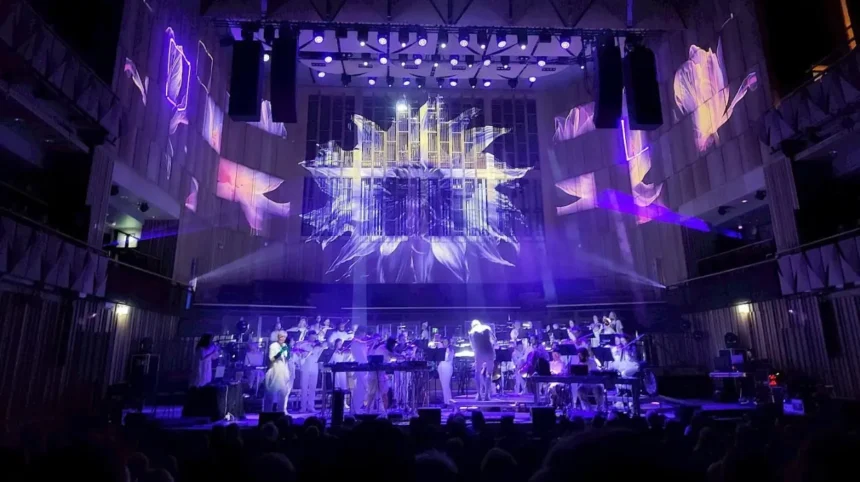
Bristol Beacon is one of the city’s principal music venues. Located on Colston Street, the venue underwent extensive redevelopment and reopened in 2023.
Its programme includes popular music, classical concerts, jazz, orchestral performances and educational events. The building contains different performance spaces, allowing it to host both large concerts and smaller events.
Bristol Beacon is particularly suitable for visitors seeking professional concert production and a varied cultural programme.
O2 Academy Bristol
O2 Academy Bristol is a central live entertainment venue hosting touring musicians, established bands and electronic music events.
Its location makes it accessible from Bristol city centre. The venue attracts audiences interested in rock, indie, alternative music, pop and DJ performances.
Its programme provides opportunities to see nationally and internationally recognised performers without travelling to larger UK entertainment destinations.
Thekla
Thekla is one of Bristol’s most distinctive live music locations. It operates inside a converted cargo ship on the Floating Harbour.
The venue hosts indie bands, alternative musicians, electronic performers and club nights. Its unusual waterfront setting distinguishes it from conventional concert buildings.
Thekla is particularly associated with Bristol’s independent music culture and attracts audiences interested in discovering emerging performers.
The Fleece
The Fleece is an established independent music venue in central Bristol.
Its programme covers rock, indie, punk, metal, alternative music and tribute performances. The venue’s relatively intimate performance environment gives audiences close access to musicians.
The Fleece has an important position within Bristol’s grassroots music network because smaller touring acts and developing bands perform alongside more established artists.
Trinity Centre
Trinity Centre is a community arts and music venue based in a former church in the Old Market area.
The building provides a distinctive setting for concerts, cultural events, workshops and community activities.
Its music programme includes reggae, electronic music, hip-hop, live bands and performances connected with Bristol’s multicultural communities.
Exchange
Exchange is an independent venue associated with alternative music, punk, metal, indie and experimental performances.
Its performance spaces support both live music and club events. Exchange also contributes to Bristol’s independent cultural network by providing a platform for touring and local musicians.
The Louisiana
The Louisiana is a small independent venue with a strong connection to Bristol’s emerging music scene.
The venue has hosted musicians who later achieved wider recognition. Its programme includes indie, alternative, folk, rock and experimental music.
The Louisiana is especially relevant for visitors who prefer intimate performances and want to discover developing artists.
Other Important Music Spaces
Bristol’s live music network also includes several other performance locations.
St George’s Bristol is a concert venue in a former church in Clifton. It is particularly recognised for classical music, chamber performances, jazz and acoustic concerts.
Strange Brew is an independent arts and music venue in central Bristol. It hosts experimental music, electronic performances, club nights and contemporary cultural events.
Rough Trade Bristol combines a record shop with a live performance space. It provides opportunities to experience intimate concerts and artist appearances.
The Gallimaufry in Gloucester Road hosts live music, jazz, acoustic performances and other cultural events.
Visit Bristol identifies these locations as important parts of the city’s live music offering.
What Types of Live Music Can Visitors Experience in Bristol?
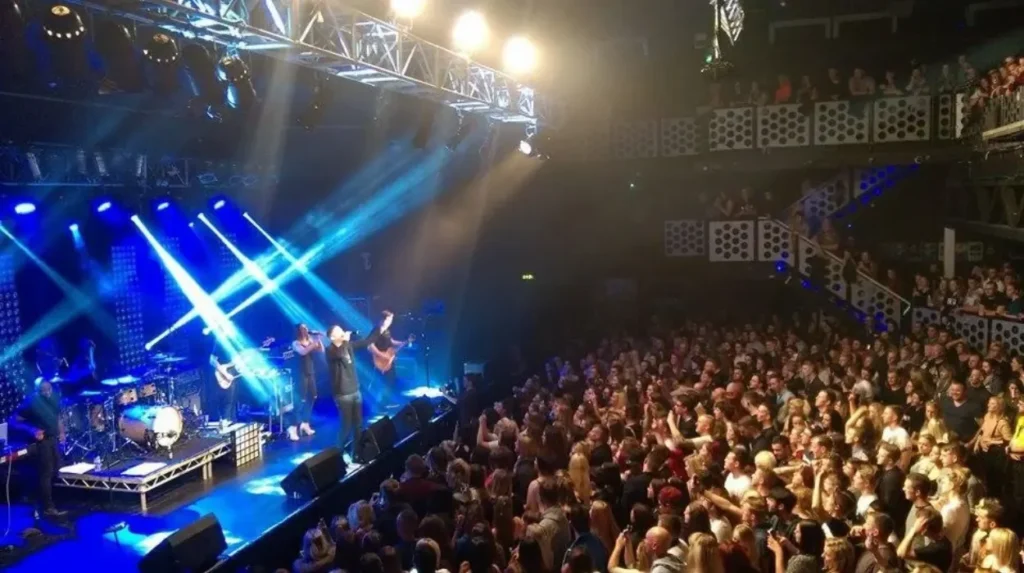
Bristol’s live music programme covers several genres, including rock, indie, electronic music, jazz, reggae, hip-hop, folk and classical performance. Different venues specialise in particular styles, allowing audiences to choose concerts according to their musical interests.
The city’s musical diversity reflects its independent creative communities and historical influences. Visitors can experience established genres alongside experimental performances and contemporary collaborations.
Rock, Indie and Alternative Music
Rock and indie performances are common across Bristol’s independent venue network.
The Fleece, Thekla, Exchange and The Louisiana regularly provide settings for alternative bands, guitar-based music and independent touring acts.
These concerts appeal to audiences interested in emerging British bands, established alternative performers and local musicians.
Electronic Music and Drum and Bass
Bristol has a significant connection with electronic music. Drum and bass, dubstep, house, techno and experimental electronic production all contribute to its nightlife.
The city’s connection with drum and bass is particularly important. Producers, DJs and club promoters helped develop an influential local scene during the 1990s.
Venues and club spaces across Bristol continue to host electronic performances, DJ sets and specialist nights.
Jazz and Blues
Jazz is another established part of Bristol’s musical programme. Audiences can attend live jazz concerts, small ensemble performances and improvisational sessions.
St George’s Bristol, Bristol Beacon and smaller independent venues provide opportunities to experience jazz and blues.
The programme ranges from traditional jazz arrangements to contemporary fusion and experimental performance.
Reggae and Sound System Culture
Bristol’s Caribbean cultural heritage contributes to its reggae and sound system traditions.
Reggae concerts, dub sessions and bass-focused performances connect the city’s musical past with contemporary audiences.
Trinity Centre and specialist club nights provide opportunities to experience these musical styles.
Hip-Hop and Urban Music
Bristol has a long connection with hip-hop and alternative urban music. Local artists combine rap, electronic production, spoken word and live instrumentation.
The city’s music spaces provide platforms for independent rappers, DJs, producers and collaborative performers.
Classical and Orchestral Music
Visitors interested in classical music can attend orchestral performances, chamber concerts and solo recitals.
Bristol Beacon and St George’s Bristol are particularly important for this category. Their programmes include professional musicians, touring ensembles and specialist performances.
Folk and Acoustic Performances
Folk, singer-songwriter and acoustic performances are available at smaller music venues, pubs and community arts spaces.
These concerts provide a different experience from large amplified performances. They often feature solo musicians, duos and small ensembles.
Where Can Visitors Find Live Music in Bristol’s Neighbourhoods?
Bristol’s live music venues are distributed across several neighbourhoods, including the city centre, Stokes Croft, Old Market, Harbourside, Easton and Bedminster. Each area offers different performance spaces, cultural influences and opportunities to discover local musicians.
Exploring neighbourhoods is a useful way to understand Bristol’s music culture. Some areas concentrate established concert venues, while others are known for independent arts spaces and community performances.
Bristol City Centre
The city centre is an important destination for live entertainment. Bristol Beacon and O2 Academy Bristol provide access to large-scale concerts and touring performers.
Independent spaces, bars and smaller performance locations also operate within walking distance of major shopping and transport areas.
Visitors staying centrally can combine concerts with restaurants, cultural attractions and evening entertainment.
Stokes Croft
Stokes Croft is associated with independent arts, alternative culture and creative businesses.
Its wider music environment includes smaller performance spaces, clubs and venues such as The Croft and nearby music locations.
The neighbourhood attracts people interested in independent bands, electronic music, underground events and alternative cultural activities.
Old Market
Old Market has developed into an important cultural and entertainment area.
Exchange and Trinity Centre provide different types of live music experiences. The area’s historic buildings and independent businesses contribute to its distinctive atmosphere.
Visitors can explore concerts alongside local restaurants, bars and community arts activities.
Bristol Harbourside
Bristol Harbourside combines waterfront attractions with music and cultural entertainment.
Thekla provides a distinctive live music setting, while outdoor festival stages and temporary concert spaces bring larger audiences to the waterfront.
The area is especially active during summer events, when performances take place alongside Bristol’s historic Floating Harbour.
Bedminster and South Bristol
Bedminster has an active independent cultural environment. Its pubs, community venues and creative businesses contribute to South Bristol’s entertainment options.
Visitors can explore smaller performances and neighbourhood events while discovering North Street and the surrounding area.
Easton and St Pauls
Easton and St Pauls have strong connections with Bristol’s multicultural history.
Their cultural activities reflect Caribbean, African and other international influences. Community-led performances, reggae events, sound system culture and festival activities contribute to the wider music scene.
These neighbourhoods are particularly relevant for visitors interested in the cultural roots of Bristol music.
Which Music Festivals Feature Live Performances in Bristol?
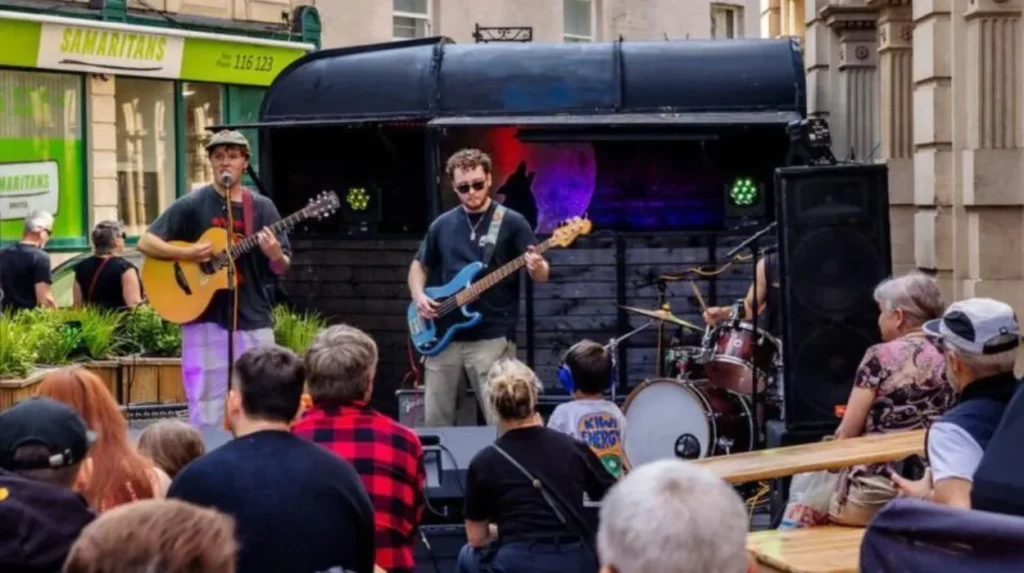
Bristol hosts music festivals throughout the year, featuring local musicians, international performers, DJs and emerging artists. Bristol Sounds, Love Saves the Day, FORWARDS Festival, Bristol Harbour Festival and St Paul’s Carnival are important events in the city’s cultural calendar.
Festivals extend Bristol’s live music scene beyond permanent concert venues. They introduce outdoor performance spaces, temporary stages and large-scale musical programmes.
Bristol Sounds
Bristol Sounds is an outdoor concert series held at the city’s harbourside.
The event brings established performers and touring musicians to a waterfront performance location. Its programme provides opportunities to experience large-scale concerts during the summer.
The Lloyds Amphitheatre has historically been an important location for these performances.
Love Saves the Day
Love Saves the Day is a major music festival associated with Bristol’s electronic and contemporary music culture.
The festival features DJs, electronic producers, live performers and artists from different musical backgrounds. Its programme includes dance music, house, drum and bass, hip-hop and other contemporary genres.
The event has traditionally taken place at Ashton Court Estate.
FORWARDS Festival
FORWARDS Festival is an outdoor event held on The Downs.
It combines contemporary music performances with cultural programming. Its line-ups include established international artists, British performers and emerging musicians.
The festival attracts audiences interested in contemporary music and large outdoor concerts.
Bristol Harbour Festival
Bristol Harbour Festival combines live music with maritime heritage, street performances and community entertainment.
Its programme includes musicians, dance performances, family activities and cultural events. The waterfront setting connects Bristol’s maritime history with its contemporary creative identity.
The 2026 edition highlights performances across the harbourside, including locations stretching from Thekla towards Underfall Yard.
St Paul’s Carnival
St Paul’s Carnival celebrates African-Caribbean culture through music, dance, community participation and street performances.
Its musical programme reflects reggae, soca, sound system culture and other Caribbean influences.
The carnival is an important example of how Bristol’s cultural heritage contributes to its public music events.
Bristol Jazz Festival
Bristol Jazz Festival provides opportunities to experience jazz musicians, ensembles and specialist performances.
The festival contributes to the city’s wider music programme by bringing jazz traditions and contemporary interpretations to local audiences.
Festival dates, locations and programmes change annually. Visitors should check official event announcements before making travel arrangements.
How Can Visitors Find Live Music Events in Bristol?
Visitors can find live music in Bristol through official venue calendars, event organisers, local entertainment directories and ticketing platforms. Checking several sources helps audiences identify upcoming concerts, performance times, ticket availability and venue-specific requirements.
Bristol has a varied programme of concerts throughout the year. Event information is distributed across venue websites, festival platforms and independent listings.
Check Official Venue Websites
The most reliable starting point is the official website of the venue.
Bristol Beacon, Thekla, O2 Academy Bristol, The Fleece, Exchange and Trinity Centre publish their own event information.
These websites provide important details, including:
- Performance dates and examples such as weekday and weekend concerts.
- Artist names and supporting performers.
- Ticket prices and booking information.
- Doors-opening and performance times.
- Age restrictions and accessibility arrangements.
- Venue-specific entry conditions.
Checking the venue directly helps visitors confirm whether an advertised event has changed.
Use Local Bristol Event Directories
Local event directories collect information from different venues and promoters.
Visit Bristol provides a dedicated live music and concert section. Independent platforms such as Headfirst Bristol also help audiences discover local gigs, underground performances and club events.
These resources are useful for finding smaller concerts that receive less coverage on national ticketing platforms.
Explore Social Media Announcements
Artists, promoters and music venues regularly announce performances through social media.
These announcements help audiences discover newly confirmed shows, support acts and ticket releases.
Visitors should use official artist and venue accounts when checking event information.
Book Tickets in Advance
Popular concerts and established touring performers attract significant demand.
Booking in advance helps visitors secure admission and organise travel. Smaller venues sometimes have limited capacities, making early ticket purchases particularly useful.
Audiences should also check whether tickets are available through the venue’s authorised ticketing partner.
What Should Visitors Know Before Attending a Live Music Event in Bristol?
Attending a live music event in Bristol requires checking ticket conditions, transport arrangements, venue accessibility, age restrictions and performance schedules. Preparing these details before departure helps visitors avoid entry problems and organise a comfortable concert experience.
Different venues operate different admission policies. A concert hall, nightclub and independent music venue do not necessarily follow identical arrangements.
Check Age Restrictions
Some concerts are open to younger audiences, while others have minimum age requirements.
Nightclub events and late-night performances frequently operate stricter entry conditions. Visitors should check the event listing and bring acceptable identification when required.
Understand Venue Accessibility
Accessibility arrangements differ between venues.
Visitors who require step-free access, wheelchair spaces, accessible toilets or assistance should contact the venue before purchasing tickets.
Large concert venues generally publish accessibility information through dedicated visitor guidance. Smaller historic buildings and converted spaces have different architectural layouts.
Plan Transport Before the Concert
Bristol has bus services, railway connections and taxi options for visitors attending evening events.
Bristol Temple Meads is the city’s principal mainline railway station. Bristol Parkway provides another important rail connection, particularly for visitors travelling from other parts of the country.
The city centre is accessible by bus from different neighbourhoods. However, late-night service availability varies by route and day.
Walking between nearby central venues is often practical. Visitors should check the distance between their accommodation and the performance location before booking.
Consider Noise and Personal Comfort
Live music events involve amplified sound, particularly at rock concerts, electronic performances and large festivals.
Ear protection helps reduce exposure to loud sound. Visitors attending long performances should also check the availability of seating, water facilities and quiet areas.
Arrive Before the Performance
Arriving early allows visitors to complete entry checks and find their preferred viewing position.
Some venues have support acts before the headline performer. Checking the full schedule helps audiences avoid missing the beginning of the programme.
How Important Is Live Music to Bristol’s Economy and Cultural Identity?
Live music supports Bristol’s cultural identity, employment, tourism and independent businesses. Concerts generate activity for performers, venues, technicians, hospitality businesses and transport providers while providing opportunities for residents and visitors to participate in cultural life.
Music is part of Bristol’s wider creative economy. Its influence extends beyond ticket sales because performances attract visitors who spend money across the city.
Economic Contribution of Live Music
A Bristol live music industry report produced with UK Music and Buckinghamshire New University examined the sector’s economic contribution using 2015 research.
The report estimated that live music generated £123 million in revenue for Bristol’s economy and contributed £45 million in gross value added. It also identified support for 927 full-time equivalent jobs.
The research identified 94 dedicated music venues or venues where live music was performed across the city.
These figures describe the 2015 research period. They should not be presented as current annual economic totals.
Benefits for Local Businesses
Concert audiences contribute to the wider hospitality and visitor economy.
Restaurants, pubs, hotels, cafés and transport operators benefit when people travel into Bristol for performances.
Large concerts and festivals also create temporary work opportunities for event staff, security personnel, production crews and technical specialists.
Smaller performances contribute to neighbourhood economies by attracting visitors to independent venues and surrounding businesses.
Support for Emerging Musicians
Independent venues provide important performance opportunities for musicians developing their careers.
Artists gain experience, build audiences and connect with promoters through regular gigs.
Small performance spaces also support experimental music that does not always fit the programming requirements of large commercial venues.
The importance of these venues is reflected in research on Bristol’s grassroots music sector. A Bristol music industry report published in 2024 stated that 78% of local events took place in venues with capacities below 1,000 people. It also highlighted the financial challenges facing smaller music spaces.
Cultural Participation and Community Identity
Live music creates opportunities for people from different backgrounds to participate in public cultural activities.
Community concerts, festivals and independent performances help preserve local musical traditions.
Bristol City Council’s cultural impact research for 2023/24 estimated a citywide cultural economic impact of £892.9 million, based on its survey of 54 cultural organisations and a modelling methodology.
The research also estimated an audience reach of 10.9 million across in-person and digital channels. These figures cover the wider cultural sector, not live music alone.
What Challenges Affect Bristol’s Live Music Venues?
Bristol’s live music venues face financial pressures, rising operating costs, property development pressures, planning considerations and changing audience behaviour. These challenges particularly affect grassroots venues, which provide essential performance opportunities for independent musicians.
The long-term strength of Bristol’s music culture depends on maintaining a network of performance spaces.
Rising Operating Costs
Independent venues manage expenses such as rent, energy, staffing, equipment maintenance and security.
Smaller venues often operate with limited financial margins. Lower ticket prices and relatively small audience capacities restrict their ability to absorb increasing costs.
Property Development and Planning
Urban development creates both opportunities and challenges for music venues.
New residential developments increase the number of people living near entertainment districts. However, noise complaints and changes to surrounding land use create planning considerations for established performance spaces.
The agent of change principle is an important planning concept in the United Kingdom. It places responsibility on the party introducing a change in land use to manage the impact on existing activities.
For example, developers building housing close to an established music venue need to consider appropriate sound insulation and other noise-management measures.
Financial Sustainability of Grassroots Venues
Grassroots venues are important because they provide the first stages of professional development for many performers.
However, smaller venues frequently face a financial imbalance between their cultural contribution and available income.
In August 2026, Bristol’s music industry discussions included proposals to explore a possible ticket levy to support grassroots music venues. The discussions involved representatives from the music industry, venue operators, promoters and cultural organisations.
Such proposals demonstrate the importance of long-term planning for Bristol’s independent music infrastructure.
Explore More Area Guide
Best Board Game Cafés in Bristol: Top Gaming Venues
Quiz Nights in Bristol: Best Pubs, Events and Weekly Competitions
How Is Bristol’s Live Music Scene Developing for the Future?
Bristol’s live music future depends on supporting independent venues, developing emerging performers, maintaining cultural investment and improving access to performances. Continued collaboration between musicians, promoters, venues and public organisations helps protect the city’s musical reputation.
The future of live music in Bristol depends on the strength of its independent and established performance spaces.
Investment in Music Venues
Maintaining accessible performance spaces is important for the city’s cultural development.
Bristol City Council is developing a new Culture Strategy for 2027–2037. The strategy aims to establish priorities for cultural participation, investment and the future development of Bristol’s creative sector.
This provides an opportunity to consider the needs of music venues, artists, cultural organisations and audiences.
Opportunities for Emerging Artists
New performers require affordable spaces to develop their musical careers.
Independent venues, open-mic events, community music programmes and local festivals provide opportunities for musicians to perform before wider audiences.
Supporting these activities strengthens Bristol’s position as a destination for new music.
Greater Cultural Accessibility
The city’s future music programme also depends on improving accessibility.
Affordable tickets, inclusive event programming, accessible buildings and community-led performances help more residents participate in live entertainment.
Digital event listings and online ticketing also make it easier for audiences to discover performances.
Continued Recognition of Bristol Music
Bristol’s contribution to trip-hop, drum and bass, reggae and independent music provides a foundation for future cultural development.
New generations of musicians continue to reinterpret these influences through contemporary production and live performance.
The combination of musical heritage, independent creativity and established concert infrastructure gives Bristol a distinctive position within the UK’s live music industry.
Why Should Visitors Explore Live Music in Bristol?
Bristol offers a comprehensive live music experience through its independent venues, concert halls, music festivals and culturally diverse neighbourhoods. Visitors can experience everything from intimate performances at The Louisiana to major concerts at Bristol Beacon and outdoor festivals along the harbourside.
The city’s musical identity reflects decades of cultural development. Its connections with trip-hop, reggae, drum and bass and alternative music distinguish it from other British music destinations.
Live music also contributes to Bristol’s economy, supports emerging performers and strengthens community connections.
For visitors, the best way to experience Bristol’s music culture is to explore different venues, attend local performances and discover the city’s musical heritage. Checking official event calendars before travelling helps audiences identify suitable concerts throughout the year.
Where can visitors enjoy live music in Bristol?
Visitors can enjoy live music at Bristol Beacon, O2 Academy Bristol, Thekla, The Fleece, Trinity Centre, Exchange and The Louisiana. These venues host concerts, independent bands, electronic performances and touring musicians.