
Bristol offers a wide range of short walks through historic streets, waterfront areas, public parks, nature reserves and woodland. The city provides walking opportunities for residents, tourists, families and visitors who want to explore local attractions without committing to a full-day hike. Popular routes include the Bristol Harbourside, Clifton Downs, Brandon Hill, Leigh Woods, Castle Park and the paths around Snuff Mills.
- What Makes Bristol a Good City for Short Walks?
- Which Short Walks Can You Enjoy Around Bristol Harbourside?
- Where Can You Take Short Walks Around Clifton and the Avon Gorge?
- What Makes Clifton Suspension Bridge a Walking Landmark?
- Where Can You Walk in Clifton Village?
- Is Clifton Down Suitable for a Short Walk?
- Which Short Walks Are Available at Brandon Hill and Cabot Tower?
- What Is the Walking Route Around Brandon Hill?
- What Can You See at Cabot Tower?
- Who Should Visit Brandon Hill?
- Where Can You Enjoy Short Woodland Walks in Leigh Woods?
- What Is the Leigh Woods Woodland Wander?
- What Wildlife Can You Find in Leigh Woods?
- Is Leigh Woods Suitable for Families?
- Which Short Walks Can You Take Around Blaise Castle Estate?
- Which Walking Routes Are Available?
- What Makes Blaise Castle Suitable for Families?
- What Should Visitors Know Before Walking?
- Where Can You Enjoy Short Riverside Walks at Snuff Mills and Oldbury Court?
- What Can You Explore at Snuff Mills?
- What Is Available at Oldbury Court Estate?
- Are These Walks Suitable for Families?
- Which Short Walks Can You Take Around Arnos Vale Cemetery?
- Where Can You Find Short Historic Walks in Bristol City Centre?
- What Can You See on an Old City Walk?
- How Long Does a City Centre Heritage Walk Take?
- Why Is Queen Square Worth Visiting?
- Which Short Walks in Bristol Are Best for Families?
- Where Can You Find Short Nature Walks and Wildlife in Bristol?
- What Wildlife Can You Observe Around The Downs?
- Where Can You Find Woodland Wildlife?
- Why Is Troopers Hill Worth Exploring?
- When Is the Best Time to Enjoy Short Walks in Bristol?
- What Are the Benefits of Walking in Spring?
- Why Are Summer Walks Popular?
- Where Can You Walk During Autumn and Winter?
- How Can You Plan Short Walks Around Bristol?
- Which Resources Help You Find Walking Routes?
- How Can You Choose the Right Walking Distance?
- What Should You Bring?
- Which Bristol Walking Routes Are Suitable for Different Visitors?
- Which Walks Are Best for Tourists?
- Which Walks Are Best for Local Residents?
- Which Walks Are Best for Nature Enthusiasts?
- Are Bristol’s Short Walking Routes Accessible to Everyone?
- Which Locations Offer Easier Walking Conditions?
- Which Locations Have More Challenging Terrain?
- How Can Visitors Walk Responsibly?
- How Do Short Walks Support Bristol’s Local Environment and Community?
- How Do Walking Routes Support Local Green Spaces?
- How Do Short Walks Support Local Tourism?
- Why Are Local Walking Groups Important?
- Where Should You Start Exploring Short Walks in Bristol?
Short walks in Bristol combine accessible urban routes with green spaces and historic landmarks. Some take 20–30 minutes, while others provide a relaxed one-hour experience. These routes offer opportunities to explore Bristol’s maritime heritage, architecture, wildlife, riverside scenery and neighbourhood history.
Walking is also a practical way to explore Bristol’s compact central districts. Visitors can connect museums, historic buildings, public gardens and waterfront attractions on foot. Beyond the city centre, local parks and woodland provide quieter routes for people seeking fresh air, gentle exercise and contact with nature.
What Makes Bristol a Good City for Short Walks?
Bristol is well suited to short walks because its historic centre, waterfront, public parks and nature reserves provide varied routes within accessible distances. Visitors can explore heritage attractions, riverside paths and green spaces without needing specialist walking equipment or extensive travel.
Bristol is a major city in South West England, located near the River Avon and the Severn Estuary. Its geography combines elevated neighbourhoods, riverside districts, historic streets and extensive green spaces. This creates different walking environments within a relatively compact urban area.
The city’s walking appeal comes from its mixture of built and natural environments. The Harbourside provides level waterfront promenades, while Clifton offers elevated views and access to the Avon Gorge. Central green spaces such as Brandon Hill provide opportunities to leave busy shopping streets within minutes.
Visit Bristol identifies several walking opportunities across the city, including heritage trails, themed routes, parks and longer circular walks. Its walking information also highlights the Harbourside, Old City and Bristol Shopping Quarter as areas that visitors can explore on foot.
Why Are Short Walking Routes Useful?
Short walking routes provide an accessible way to include physical activity in everyday routines. They suit people with limited free time, visitors following sightseeing schedules and residents looking for nearby outdoor spaces.
A short walk also allows visitors to explore one particular part of Bristol rather than attempting to cover the entire city. A 30-minute route through the Old City provides a different experience from a 30-minute walk around a woodland reserve.
What Types of Short Walks Are Available?
Bristol offers several types of short walking experiences, including:
- Waterfront walks: The Harbourside and Millennium Promenade.
- Historic walks: The Old City, Corn Street and Castle Park.
- Park walks: Brandon Hill, Queen Square and The Downs.
- Woodland walks: Leigh Woods and Snuff Mills.
- Nature walks: Troopers Hill and local wildlife spaces.
- Architectural walks: Clifton Village and the area around Clifton Suspension Bridge.
Each route offers different scenery, walking conditions and opportunities to discover local attractions.
Which Short Walks Can You Enjoy Around Bristol Harbourside?
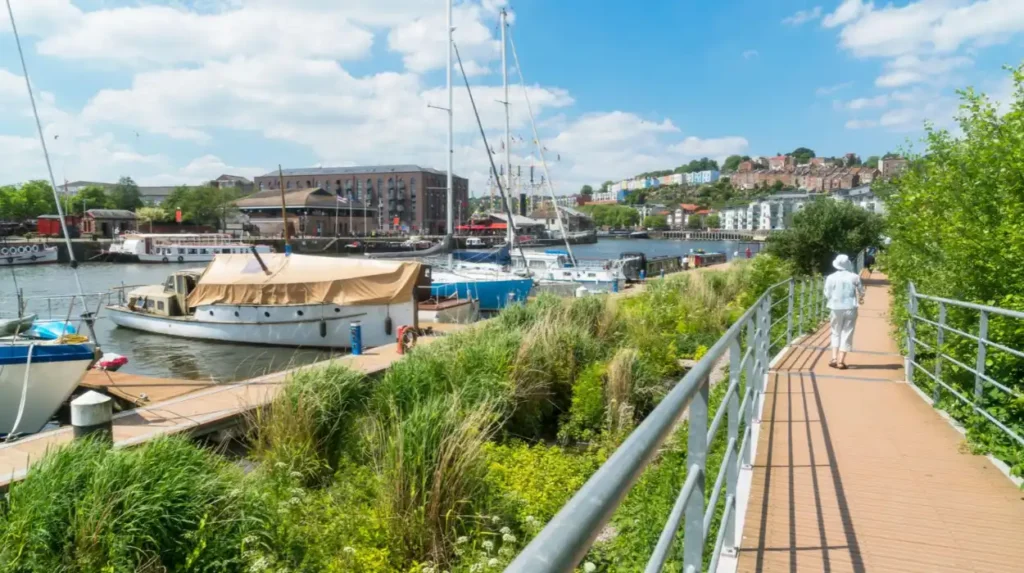
Bristol Harbourside offers one of the city’s most convenient short walking experiences. Its waterfront paths connect Millennium Square, M Shed, Queen Square, Underfall Yard and historic harbour attractions, creating flexible routes for visitors interested in maritime history and city views.
Bristol Harbourside follows the city’s historic Floating Harbour, an enclosed section of the River Avon developed to support maritime trade. The harbour played an important role in Bristol’s commercial growth and continues to shape the city’s identity.
The waterfront provides a suitable setting for a relaxed walk. Wide promenades, waterside seating and pedestrian routes allow visitors to explore the area at their own pace.
What Can You See Along the Harbourside?
A short Harbourside walk can include several important attractions.
M Shed is a museum documenting Bristol’s social, industrial and maritime history. Its location beside the harbour makes it a useful starting point for exploring the waterfront.
SS Great Britain is a historic passenger steamship designed by engineer Isambard Kingdom Brunel. The ship represents an important development in nineteenth-century maritime engineering.
Underfall Yard is a historic working boatyard associated with the operation and maintenance of Bristol’s Floating Harbour.
Millennium Square is a public space surrounded by cultural attractions, including We The Curious and the Bristol Aquarium area.
How Long Does a Harbourside Walk Take?
A relaxed waterfront stroll takes approximately 30–60 minutes, depending on the starting point and number of stops. Visitors can shorten the route by exploring Millennium Square and M Shed or extend it towards Underfall Yard and SS Great Britain.
The Millennium Promenade also provides a convenient shorter option. Visit Bristol describes it as a quiet waterfront area suitable for walking and watching the water.
Where Can You Take Short Walks Around Clifton and the Avon Gorge?
Clifton provides short walking opportunities through historic streets, green spaces and viewpoints overlooking the Avon Gorge. Visitors can explore Clifton Village, reach the Clifton Suspension Bridge and enjoy elevated views without undertaking a long countryside walk.
Clifton is an established residential and visitor district in western Bristol. It is recognised for Georgian architecture, independent shops, historic buildings and its proximity to the Avon Gorge.
The Avon Gorge is a deep limestone valley formed by the River Avon. It separates the Bristol side of the gorge from Leigh Woods in North Somerset.
What Makes Clifton Suspension Bridge a Walking Landmark?
The Clifton Suspension Bridge is one of Bristol’s best-known engineering landmarks. Designed by Isambard Kingdom Brunel, it opened in 1864, several years after Brunel’s death.
Visitors can approach the bridge through Clifton Village or from the Clifton Observatory area. Public viewpoints provide opportunities to appreciate the structure and the steep limestone sides of the gorge.
A short walk around the bridge and nearby viewpoints generally takes 30–60 minutes, depending on the route.
Where Can You Walk in Clifton Village?
Clifton Village offers a compact walking experience through historic streets and traditional commercial buildings. Regent Street, The Mall and the surrounding lanes contain independent retailers, cafés and architectural features.
Visitors can combine a village walk with a visit to nearby Victoria Square or Clifton Observatory. The route includes slopes, so comfortable footwear is useful.
Is Clifton Down Suitable for a Short Walk?
Clifton Down forms part of The Downs, a large public green space in north Bristol. It offers open grassland, established paths and access to viewpoints overlooking the Avon Gorge.
The Downs also has designated nature trails. Bristol City Council lists a 0.4-mile lichen trail, a 0.7-mile meadow trail and a 1.4-mile bird trail. These provide clearly defined options for visitors who prefer a planned short walk.
Which Short Walks Are Available at Brandon Hill and Cabot Tower?
Brandon Hill provides a convenient short park walk close to Bristol city centre. Its sloping paths, landscaped green spaces and elevated viewpoints create an accessible sightseeing stop for visitors exploring Park Street, College Green and the central historic district.
Brandon Hill is one of Bristol’s best-known central parks. It sits close to Park Street and provides a green route away from the surrounding commercial streets.
Bristol City Council records that Brandon Hill came into the possession of Bristol Corporation in 1174. The site is recognised as an important historic public open space.
What Is the Walking Route Around Brandon Hill?
Visitors can enter Brandon Hill from Great George Street, Park Street, Jacob Wells Road or Berkeley Square. The paths lead through landscaped areas towards the higher ground.
A short visit generally takes 20–40 minutes. Walking time depends on the entrance and the amount of time spent at the viewpoints.
What Can You See at Cabot Tower?
Cabot Tower stands on Brandon Hill and commemorates John Cabot’s 1497 voyage from Bristol towards North America. The tower was completed in 1897 to mark the 400th anniversary of the voyage.
The structure is a recognisable feature of the Bristol skyline. Its elevated position provides views across the city and surrounding districts.
Visitors should check the tower’s current opening arrangements before planning a visit. Bristol City Council currently lists a temporary closure for essential maintenance.
Who Should Visit Brandon Hill?
Brandon Hill suits visitors who want a short green-space break during a city-centre itinerary. Its location makes it easy to combine with College Green, Park Street and Bristol Cathedral.
The park has steep sections, which makes some routes challenging for wheelchair users and people with limited mobility.
Where Can You Enjoy Short Woodland Walks in Leigh Woods?
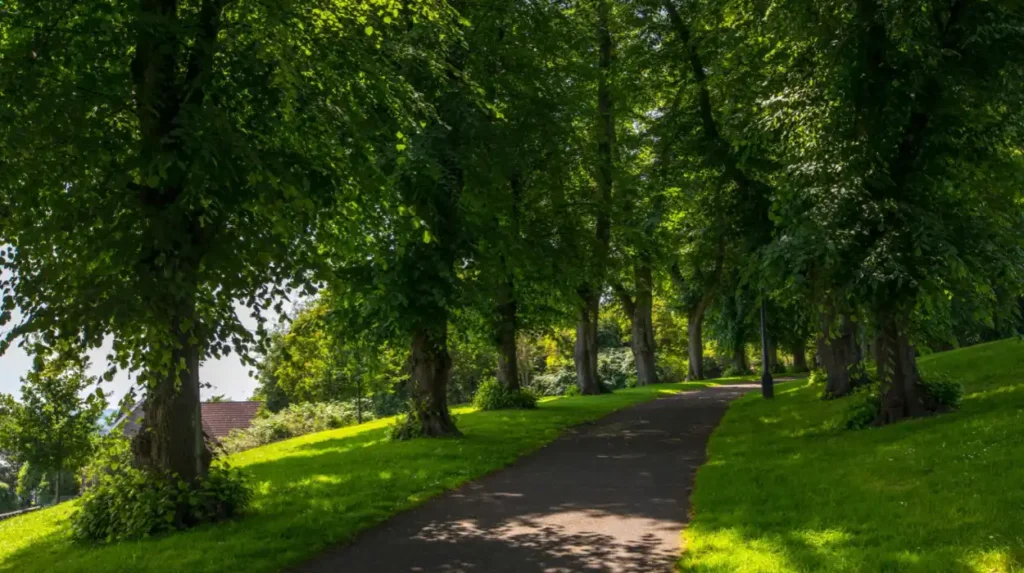
Leigh Woods offers short woodland walks near Clifton Suspension Bridge and the Avon Gorge. Its established paths, veteran trees, limestone grassland and historic hillfort provide opportunities to explore Bristol’s natural landscape within a relatively short walking distance.
Leigh Woods National Nature Reserve is a protected woodland landscape on the western side of the Avon Gorge. The reserve contains broadleaf woodland, grassland and important wildlife habitats.
The National Trust manages parts of the woodland and provides information about walking routes and access. The area contains oak, ash and small-leaved lime trees, alongside veteran trees and seasonal wildflowers.
What Is the Leigh Woods Woodland Wander?
The Leigh Woods Woodland Wander is a circular route covering approximately one mile (1.6 kilometres). The National Trust estimates a walking time of 30–45 minutes.
The route starts at the North Road entrance and includes woodland paths, grassland and views towards the Avon Gorge. Visitors can also explore Stokeleigh Camp, an Iron Age hillfort positioned above the river.
The route is classified as moderate because it combines surfaced paths with grassy sections. National Trust
What Wildlife Can You Find in Leigh Woods?
Leigh Woods supports a variety of woodland and grassland habitats. Visitors encounter mature trees, seasonal flowers, birds and other woodland wildlife.
Spring is particularly suitable for seeing bluebells and wood anemones. Summer provides shaded walking conditions beneath the woodland canopy, while autumn brings changing leaf colours and seasonal fungi.
Is Leigh Woods Suitable for Families?
Leigh Woods provides opportunities for family walks and nature exploration. The National Trust identifies a natural play area and established walking paths within the woodland.
Some access paths are steep or muddy, particularly around the River Avon Trail. Visitors using pushchairs should select routes carefully and check the surface conditions before setting out. Dogs are welcome on leads.
Which Short Walks Can You Take Around Blaise Castle Estate?
Blaise Castle Estate offers several short walking routes through woodland, historic parkland, grassland and landscaped areas in north-west Bristol. Its one-mile Castle Walk and Gorge Walk provide manageable options for visitors seeking nature, heritage and countryside scenery.
Blaise Castle Estate is a large public estate in the Henbury area. Bristol City Council identifies it as approximately 650 acres of registered parkland.
The estate includes Blaise Castle, Blaise Museum, woodland paths, streams, gardens and open grassland. Its landscape combines natural features with historic buildings and recreational facilities. Bristol City Council
Which Walking Routes Are Available?
Bristol City Council provides information about several waymarked walks:
- Castle Walk: One mile, approximately 40 minutes.
- Gorge Walk: One mile, approximately 50 minutes.
- Kings Weston Down Walk: One mile, approximately 35 minutes.
- The Royals and St Mary’s Church Walk: One mile, approximately 50 minutes.
These routes offer different views of the estate’s woodland, historic structures and surrounding landscape.
What Makes Blaise Castle Suitable for Families?
The estate includes children’s play areas, picnic spaces, a café and toilets. These facilities make it suitable for families planning a short outdoor visit.
The main play area includes equipment for younger and older children. Visitors can combine a short walk with time in the playground or a visit to Blaise Museum.
What Should Visitors Know Before Walking?
The estate is free to enter and open throughout the year, although access restrictions apply during some major events. Certain walking routes include steep slopes and muddy woodland paths.
The main entrance is on Kings Weston Road. Local bus services also connect the estate with Bristol’s wider transport network.
Where Can You Enjoy Short Riverside Walks at Snuff Mills and Oldbury Court?
Snuff Mills and Oldbury Court provide short riverside walking opportunities along the River Frome in north-east Bristol. Their woodland paths, historic features, open parkland and nature habitats create suitable routes for families, local residents and visitors seeking quieter outdoor experiences.
Snuff Mills is a historic riverside park in Stapleton. It forms part of the wider Frome Valley landscape and provides access to woodland paths beside the River Frome.
The location takes its name from a former snuff-grinding mill. Historic industrial features, stone structures and the river contribute to its heritage.
What Can You Explore at Snuff Mills?
The riverside paths provide opportunities to observe flowing water, woodland vegetation and local wildlife. Visitors can follow the paths beside the River Frome and explore the historic mill area.
The surrounding woodland provides shade during warmer weather. Birdwatchers can also look for species associated with river and woodland habitats.
What Is Available at Oldbury Court Estate?
Oldbury Court Estate is a public parkland area containing woodland, riverside paths and recreational facilities.
Bristol City Council identifies the estate as part of the Oldbury Court and Frome Valley Site of Nature Conservation Interest, covering more than 80 hectares. The landscape includes river valleys, grasslands, steep banks and smaller tributary valleys.
Visitors can follow paths through the parkland towards Snuff Mills and explore sections of the Frome Valley Walkway.
Are These Walks Suitable for Families?
Oldbury Court has a children’s play area, picnic spaces, toilets and a café kiosk. These facilities support short family visits.
Some riverside sections have uneven or natural surfaces. Families using pushchairs should select suitable paths and check conditions after rainfall.
The two locations also offer convenient options for residents in Fishponds, Stapleton and surrounding neighbourhoods.
Which Short Walks Can You Take Around Arnos Vale Cemetery?
Arnos Vale Cemetery offers a distinctive short walk through Victorian burial grounds, landscaped woodland, historic chapels and memorial structures. Located on Bath Road, it provides a heritage-focused outdoor experience for visitors interested in Bristol’s social history and historic architecture.
Arnos Vale Cemetery is a Victorian garden cemetery established in the nineteenth century. It combines burial grounds, mature trees, historic buildings and landscaped paths.
The cemetery contains important architectural features, including listed mortuary chapels and historic grave structures. Its setting provides a connection between Bristol’s burial traditions, local history and urban landscape.
What Can Visitors See During a Short Walk?
A self-guided walk around Arnos Vale can include:
- The Anglican Chapel.
- Historic memorials and monuments.
- Victorian burial sections.
- Mature trees and woodland paths.
- The Spielman Centre and visitor facilities.
Visitors can obtain information about self-guided tours and heritage trails through the cemetery’s official visitor resources.
Is Arnos Vale Suitable for a Quiet Walk?
Arnos Vale provides a quieter environment than Bristol’s busiest commercial streets. Its woodland setting and historic landscape make it suitable for reflective visits and heritage exploration.
The site has sloping sections, uneven surfaces and potentially slippery paths. Visitors should remain on marked routes because some areas contain concealed hazards and fragile historic structures.
The Ceremonial Way provides a flatter, tarmacked route connecting the main entrance with important visitor facilities.
Where Can You Find Short Historic Walks in Bristol City Centre?
Bristol city centre provides several short heritage walks through medieval streets, historic squares, churches, public gardens and waterfront districts. The Old City, Castle Park, Corn Street and Queen Square offer convenient walking routes for visitors exploring Bristol’s architectural and commercial history.
Bristol’s historic centre developed around its medieval commercial and administrative districts. Its street layout reflects centuries of trading activity, industrial development and architectural change.
The Old City provides an opportunity to explore historic streets without travelling far from the central shopping district.
What Can You See on an Old City Walk?
A short Old City route can include several important locations.
Corn Street is a historic commercial street associated with Bristol’s trading history. Its buildings reflect the city’s development as a major commercial centre.
St Nicholas Market is a historic market destination with independent traders and food businesses. Its surroundings provide an opportunity to explore Bristol’s traditional shopping district.
Bristol Bridge crosses the Floating Harbour and connects important parts of the central city. The surrounding streets contain historic buildings and commercial landmarks.
Castle Park provides a green space close to the Old City. It includes historic remains associated with Bristol Castle and views towards the surrounding commercial district.
How Long Does a City Centre Heritage Walk Take?
A short walk through the Old City and nearby public spaces generally takes 30–60 minutes, depending on the route.
Visit Bristol identifies the Old City Heritage Trail and Harbour Heritage Trails as useful options for exploring Bristol’s history. M Shed also provides information about themed walking itineraries, including sculpture, nature and church trails.
Why Is Queen Square Worth Visiting?
Queen Square is a historic Georgian square located near the Harbourside.
Its landscaped gardens and surrounding architecture create a convenient place for a short break during a city walking itinerary. Visitors can combine Queen Square with Bristol Bridge and the waterfront.
Which Short Walks in Bristol Are Best for Families?
Family-friendly short walks in Bristol combine manageable distances, accessible paths, play facilities and opportunities to explore nature. Brandon Hill, Oldbury Court, Blaise Castle Estate and selected sections of The Downs provide suitable destinations for families with children.
Family walks require suitable walking surfaces, convenient facilities and places to stop. Bristol’s public parks provide several options for combining gentle exercise with outdoor recreation.
Which Parks Offer the Best Family Facilities?
Oldbury Court Estate has a children’s play area, picnic spaces, toilets and a café kiosk. Families can combine play activities with a short riverside walk.
Blaise Castle Estate offers woodland paths, playgrounds, a museum and picnic areas. Its one-mile walking routes provide manageable distances for family outings.
The Downs provides open grassland, benches, playground facilities and designated nature trails. Families can choose shorter paths rather than walking across the entire area.
Brandon Hill provides a central green space with a children’s play area and viewpoints. Its steep paths require additional care with younger children.
How Should Parents Choose a Suitable Route?
Parents should consider walking distance, terrain, weather and access to toilets before selecting a route.
Flat, surfaced paths are generally more suitable for pushchairs. Woodland paths and steep inclines require more preparation.
Short routes with nearby refreshments and seating also make outdoor visits easier to organise.
Where Can You Find Short Nature Walks and Wildlife in Bristol?
Bristol’s nature walks include woodland trails, riverside habitats, grassland paths and urban nature reserves. The Downs, Leigh Woods, Blaise Castle Estate, Troopers Hill and Snuff Mills provide opportunities to observe native plants, birds, insects and other wildlife.
Bristol contains a variety of urban wildlife habitats. Parks and nature reserves support species that depend on woodland, grassland, wetlands and river environments.
These locations also contribute to local biodiversity by maintaining habitats within the wider urban landscape.
What Wildlife Can You Observe Around The Downs?
The Downs includes species-rich grassland and habitats associated with the Avon Gorge. Bristol City Council identifies more than 14 hectares of species-rich grassland within the area.
Wildflowers include bee orchids and autumn lady’s-tresses. These habitats support insects and other wildlife associated with unimproved grassland.
Where Can You Find Woodland Wildlife?
Leigh Woods provides opportunities to observe woodland birds, mature trees and seasonal wildflowers. Its broadleaf woodland contains oak, ash and small-leaved lime.
Snuff Mills and Oldbury Court provide riverside habitats along the River Frome. Their paths offer opportunities to observe birds and other wildlife associated with woodland and freshwater environments.
Why Is Troopers Hill Worth Exploring?
Troopers Hill Nature Reserve is a green space in east Bristol recognised for its distinctive landscape and views across the surrounding area.
The site includes grassland, woodland and geological features associated with its industrial history. It also provides a useful short walking destination for residents of St George and nearby neighbourhoods.
Visitors should follow marked paths and respect wildlife habitats, especially during flowering and nesting seasons.
When Is the Best Time to Enjoy Short Walks in Bristol?
Short walks in Bristol are possible throughout the year, but spring and summer provide longer daylight hours, seasonal flowers and generally favourable outdoor conditions. Autumn offers colourful woodland scenery, while winter suits shorter urban routes and sheltered waterfront promenades.
Each season creates different walking opportunities across Bristol’s parks, woodland and historic districts.
What Are the Benefits of Walking in Spring?
Spring provides opportunities to observe flowering plants and new woodland growth. Leigh Woods is particularly suitable for seasonal wildflowers, including bluebells and wood anemones.
The Downs also offers opportunities to explore meadow habitats and observe early-season wildlife.
Why Are Summer Walks Popular?
Summer provides longer daylight hours for exploring Bristol’s outdoor attractions. The Harbourside, Queen Square and Clifton are convenient destinations for relaxed walks.
Woodland locations such as Leigh Woods and Snuff Mills offer shaded paths during warmer weather.
Where Can You Walk During Autumn and Winter?
Autumn is suitable for woodland walks because deciduous trees display seasonal colours. Blaise Castle Estate, Leigh Woods and Oldbury Court provide opportunities to explore changing landscapes.
Winter visitors often prefer the Harbourside, Old City and other central routes because they have convenient access to cafés, shops and indoor attractions.
Visitors should check weather forecasts and local conditions before using woodland paths during wet or icy periods.
How Can You Plan Short Walks Around Bristol?
Planning short walks around Bristol involves selecting a suitable route, checking its distance, identifying access points and reviewing local facilities. Official council walking guides, Visit Bristol information and route-planning applications help visitors choose appropriate paths.
A little preparation makes short walking experiences more convenient. It also helps visitors avoid unsuitable terrain and unexpected route closures.
Which Resources Help You Find Walking Routes?
Several resources provide useful information about Bristol’s walking opportunities.
- Bristol City Council: Provides official information about parks, public spaces, walking trails and facilities.
- Visit Bristol: Provides visitor information about city-centre walks, heritage routes and outdoor attractions.
- National Trust: Provides route descriptions and access information for Leigh Woods.
- Go Jauntly: Offers walking routes, nature trails and community walking information.
- TravelWest: Provides information about public transport and active travel around Bristol.
Visit Bristol also identifies the Bristol Ring, a 33-mile circular walking route divided into six sections. Visitors can explore individual sections rather than completing the entire route.
How Can You Choose the Right Walking Distance?
The following approximate categories help visitors select a route:
- Very short walks: 15–30 minutes, such as a brief Millennium Promenade visit or a section of Queen Square.
- Short walks: 30–45 minutes, such as the Leigh Woods Woodland Wander.
- Extended short walks: 45–60 minutes, such as selected routes around Blaise Castle Estate.
These categories are planning guidelines rather than official difficulty classifications. Actual walking time depends on terrain, weather, walking speed and stops.
What Should You Bring?
Visitors generally benefit from comfortable walking shoes, drinking water and weather-appropriate clothing.
A phone with a route map is useful when exploring unfamiliar parks and woodland. Visitors planning nature walks should also consider insect protection and suitable footwear for muddy paths.
Which Bristol Walking Routes Are Suitable for Different Visitors?
Bristol’s short walking routes suit different visitor requirements, including sightseeing, family activities, nature observation, heritage exploration and accessible urban recreation. Selecting a route according to terrain, facilities and distance helps visitors enjoy a more suitable outdoor experience.
Which Walks Are Best for Tourists?
Tourists benefit from the Harbourside, Clifton and Old City routes because these locations connect major attractions and historic landmarks.
A visitor staying in central Bristol can explore the waterfront before continuing towards Queen Square or the Old City.
Which Walks Are Best for Local Residents?
Residents can select neighbourhood green spaces according to their location. Oldbury Court and Snuff Mills suit people in north-east Bristol, while Troopers Hill provides a convenient outdoor destination in the east.
Brandon Hill and The Downs offer options for people living or working around central and western Bristol.
Which Walks Are Best for Nature Enthusiasts?
Leigh Woods, Blaise Castle Estate and The Downs provide opportunities to explore different habitats.
Visitors interested in wildlife should allow time to observe their surroundings and follow established paths to avoid disturbing sensitive areas.
Are Bristol’s Short Walking Routes Accessible to Everyone?
Bristol has several walking routes with level, surfaced paths, but accessibility varies between locations. Waterfront promenades and selected public park paths offer easier access, while woodland trails, steep hills and uneven surfaces require additional planning.
Accessibility is an important consideration when choosing a short walking route. A route described as short is not automatically suitable for wheelchair users, people with limited mobility or pushchairs.
Which Locations Offer Easier Walking Conditions?
The Harbourside has relatively level waterfront promenades, making it a practical option for visitors seeking flatter walking surfaces.
Oldbury Court includes surfaced paths around parts of the main estate and play area. However, riverside and woodland sections have different ground conditions.
Arnos Vale has a flat, tarmacked Ceremonial Way connecting important visitor facilities.
Which Locations Have More Challenging Terrain?
Clifton’s elevated streets and Brandon Hill contain slopes. Leigh Woods has a mixture of surfaced and unsurfaced paths, while Blaise Castle includes steep woodland sections.
Visitors should consult individual site accessibility information before travelling.
The National Trust provides access information for Leigh Woods, while Bristol City Council publishes accessibility guidance for its parks and public spaces.
How Can Visitors Walk Responsibly?
Responsible walking helps protect Bristol’s public spaces and natural habitats.
Visitors should:
- Remain on established paths.
- Dispose of litter responsibly.
- Keep dogs under control and follow local restrictions.
- Avoid disturbing birds and other wildlife.
- Respect historic buildings and memorials.
- Follow temporary closures and safety notices.
These practices support the long-term protection of Bristol’s green spaces and heritage destinations.
Explore More Area Guide
Best Walks in Bristol: Scenic Trails, Parks and Riverside Routes
Best Photography Spots in Bristol | Scenic Locations
How Do Short Walks Support Bristol’s Local Environment and Community?
Short walks connect residents and visitors with Bristol’s public spaces, natural habitats and historic neighbourhoods. Regular use of walking routes supports outdoor recreation, encourages appreciation of local heritage and strengthens public awareness of urban green-space conservation.
Walking routes contribute to the relationship between Bristol’s communities and their surrounding environment.
How Do Walking Routes Support Local Green Spaces?
Public parks and nature reserves provide opportunities for recreation while protecting important habitats.
The Downs, Leigh Woods and Blaise Castle Estate demonstrate how urban and surrounding green spaces support biodiversity and outdoor activities.
Their established walking paths help visitors experience natural landscapes without requiring long-distance travel.
How Do Short Walks Support Local Tourism?
Walking allows visitors to explore attractions, independent businesses and historic districts at a manageable pace.
A Harbourside walk connects museums, restaurants and waterfront attractions. A Clifton walk introduces visitors to historic architecture and engineering landmarks.
These experiences help distribute visitor activity across different parts of Bristol.
Why Are Local Walking Groups Important?
Community walking groups encourage residents to discover nearby routes and participate in regular outdoor activities.
Bristol City Council highlights local initiatives such as Barton Hill short walks and St George Strollers. These activities provide opportunities for residents to walk together and explore neighbourhood green spaces. Bristol City Council
Where Should You Start Exploring Short Walks in Bristol?
Short walks in Bristol provide an effective way to explore the city’s historic landmarks, waterfront, woodland and public parks. The Harbourside and Old City suit visitors interested in architecture and maritime history, while Clifton and Brandon Hill provide elevated views and central green spaces.
Leigh Woods, Blaise Castle Estate, Snuff Mills and Oldbury Court offer opportunities to experience woodland and riverside environments. Arnos Vale provides a different experience through its Victorian heritage and landscaped cemetery grounds.
The best starting point depends on walking distance, accessibility, interests and available time. By choosing established routes and checking local information, visitors can discover Bristol’s outdoor attractions through convenient and enjoyable short walks.
What are the best short walks in Bristol?
Some of the best short walks in Bristol include Bristol Harbourside, Brandon Hill, Clifton Village, Leigh Woods, Snuff Mills and Blaise Castle Estate. These locations offer waterfront views, historic landmarks, woodland paths and green spaces.