Bristol offers an extensive network of long-distance walking routes, riverside paths, historic trails, woodland tracks and open countryside. The city’s location between the River Avon, Avon Gorge, Cotswold countryside and North Somerset landscape creates varied opportunities for walkers. Residents and visitors can explore urban heritage, nature reserves, historic estates and rural footpaths without travelling far from the city centre.
- What Makes Bristol a Good Destination for Long Walks?
- How Does Bristol’s Geography Influence Walking Routes?
- Why Are Long Walks Important for Bristol Residents?
- Which Long Walking Routes Can You Explore in Bristol?
- Bristol Triangular City Walk
- Bristol and Bath Railway Path
- Frome Valley Walkway
- Avon Gorge and Clifton Walking Routes
- Cotswold Way Connections
- Where Can You Find Scenic Long Walks Through Bristol’s Parks and Estates?
- Which Riverside and Canal Walks Offer Longer Routes in Bristol?
- What Historical Landmarks Can You Discover on Long Walks in Bristol?
- Clifton Suspension Bridge
- Cabot Tower and Brandon Hill
- Historic Railway Infrastructure
- Iron Age Archaeological Sites
- Which Long Walks in Bristol Are Best for Nature and Wildlife?
- Woodland Wildlife in Leigh Woods
- River Habitats in the Frome Valley
- Grassland and Wildlife on The Downs
- Why Are Green Corridors Important?
- How Can You Plan a Long Walk in Bristol?
- Choose a Suitable Walking Distance
- Check Route Maps and Navigation
- Check Weather and Daylight
- Prepare Appropriate Walking Equipment
- Plan Food, Water and Rest Stops
- How Can You Reach Bristol’s Long Walking Routes by Public Transport?
- Reaching Clifton and The Downs
- Reaching Blaise Castle Estate
- Reaching Ashton Court and Leigh Woods
- Using Trains for Regional Walking
- Are Bristol’s Long Walking Routes Suitable for Beginners and Families?
- When Is the Best Time to Enjoy Long Walks in Bristol?
- How Do Long Walks Support Bristol’s Environment and Local Economy?
- Which Organisations Provide Walking Information and Guided Walks in Bristol?
- What Is the Future of Long-Distance Walking in Bristol?
Long walks in Bristol suit different abilities and interests. Popular options include the Bristol Triangular City Walk, Bristol and Bath Railway Path, Frome Valley Walkway, Avon Gorge trails and routes through Ashton Court Estate. These routes combine natural landscapes with historical landmarks, wildlife habitats and accessible green spaces.
Bristol also connects to wider walking networks, including the Cotswold Way and regional countryside paths. Walkers can choose a challenging full-day journey, a relaxed riverside route or a circular walk through woodland and parkland. Understanding route distances, terrain, transport connections and facilities helps people plan longer walks safely and comfortably.
What Makes Bristol a Good Destination for Long Walks?
Bristol is an excellent destination for long walks because its landscape combines rivers, woodland, historic estates, parks and countryside footpaths. Its walking network connects central neighbourhoods with scenic natural areas, allowing residents and visitors to experience varied environments on extended journeys.
Bristol has a distinctive geographical setting in South West England. The River Avon runs through the city, while the Avon Gorge creates a dramatic natural boundary between Bristol and North Somerset. Elevated areas such as Clifton and the Downs provide extensive views across the surrounding landscape.
The city’s walking opportunities extend beyond conventional urban pavements. Walkers encounter woodland paths, grassland, former railway lines, canal-side routes and riverside trails. These environments create opportunities for different walking experiences throughout the year.
Bristol’s public green spaces also support longer recreational journeys. Ashton Court Estate contains extensive woodland and grassland, while Blaise Castle Estate provides historic parkland and woodland trails. The Downs offers open landscapes close to the city centre.
According to Bristol City Council’s 2024/25 Joint Strategic Needs Assessment, 60% of Bristol residents spend leisure time outdoors away from home at least once a week. The same assessment reports that 53.1% visit a park or green space at least weekly. These figures demonstrate the importance of outdoor recreation within the city.
How Does Bristol’s Geography Influence Walking Routes?
Bristol’s geography creates several distinct walking environments. The Avon Gorge provides steep slopes and elevated viewpoints, while the River Avon supports waterside paths and connections towards the countryside.
Northern Bristol contains green corridors and wooded valleys associated with the River Frome and River Trym. Western Bristol features Leigh Woods and Ashton Court, while central Bristol provides access to historic streets, harbour paths and riverside landscapes.
This geographical variety allows walkers to combine different environments within one journey. A route can begin in a built-up neighbourhood, cross a park, follow a river and finish in woodland or open countryside.
Why Are Long Walks Important for Bristol Residents?
Long-distance walking supports physical activity, outdoor recreation and mental wellbeing. It provides an opportunity to spend time away from traffic, explore local heritage and access natural environments.
The NHS recommends that adults complete at least 150 minutes of moderate-intensity physical activity each week. Brisk walking contributes towards this recommendation. Longer walks also encourage regular movement and provide opportunities for social participation. The Health Foundation
Bristol’s walking routes support individual walkers, families, walking clubs and visitors. Local organisations, including Bristol Ramblers, organise group walks throughout the year.
Which Long Walking Routes Can You Explore in Bristol?
Bristol has several established long walking routes, including the 18-mile Bristol Triangular City Walk, the 16-mile Bristol and Bath Railway Path and the 18-mile Frome Valley Walkway. Each route offers different landscapes, distances and opportunities for exploration.
These routes provide some of the strongest options for people searching for long walks in Bristol. They differ in terrain, accessibility, scenery and distance, making it important to select a route according to fitness and available time.
Bristol Triangular City Walk
The Bristol Triangular City Walk is an established 18-mile (approximately 29-kilometre) walking circuit developed by Bristol Ramblers in 2001 with funding and assistance from Bristol City Council.
The route connects several important parts of Bristol, including:
- The historic city centre and waterfront.
- Durdham Downs and Clifton.
- Avon Gorge and surrounding viewpoints.
- Blaise Castle Estate.
- Green spaces and historic neighbourhoods.
The route combines urban heritage with natural scenery. Walkers experience changes in elevation, open parkland, riverside environments and historic landmarks.
Bristol Ramblers recommends following the route clockwise using its written guide. The organisation also provides route information and a GPX file for navigation. Public transport, parking, refreshments and public toilets are available at different points along the route. Bristol Ramblers
The Bristol Triangular City Walk is particularly suitable for experienced recreational walkers who want to explore several major areas of the city in one extended journey.
Bristol and Bath Railway Path
The Bristol and Bath Railway Path is a 16-mile (26-kilometre) off-road route connecting Bristol with Bath.
The path begins around the Old Market area of Bristol and continues towards Bath. It follows a former railway corridor, creating a relatively continuous route through urban neighbourhoods, green spaces and settlements between the two cities.
The railway path is popular with pedestrians, cyclists and commuters. Its largely level alignment makes it suitable for people seeking a long walk without the steep climbs associated with the Avon Gorge or woodland estates.
The route also functions as a wildlife corridor. Its vegetation and surrounding habitats support biodiversity along the former railway infrastructure. The Long Distance Walkers Association identifies it as an easy, off-road route with access for disabled users.
Walkers can complete the full journey towards Bath or select shorter sections according to their available time.
Frome Valley Walkway
The Frome Valley Walkway follows the River Frome between Bristol and the South Gloucestershire countryside.
The established route covers approximately 18 miles (29 kilometres), extending towards Old Sodbury and connecting urban green spaces with wooded valleys, meadows and countryside settlements.
The trail passes through areas associated with Frenchay, Winterbourne and the wider Frome Valley. Its landscape includes riverbanks, open grassland, historic parks and wooded sections.
The Frome Valley Walkway provides an alternative to Bristol’s more heavily urban routes. Walkers experience changing scenery as the route moves from the city towards rural South Gloucestershire.
Its riverside character also makes it valuable for nature observation. The surrounding habitats support birds, insects and other wildlife.
The route is suitable for walkers interested in combining countryside scenery with a longer regional journey.
Avon Gorge and Clifton Walking Routes
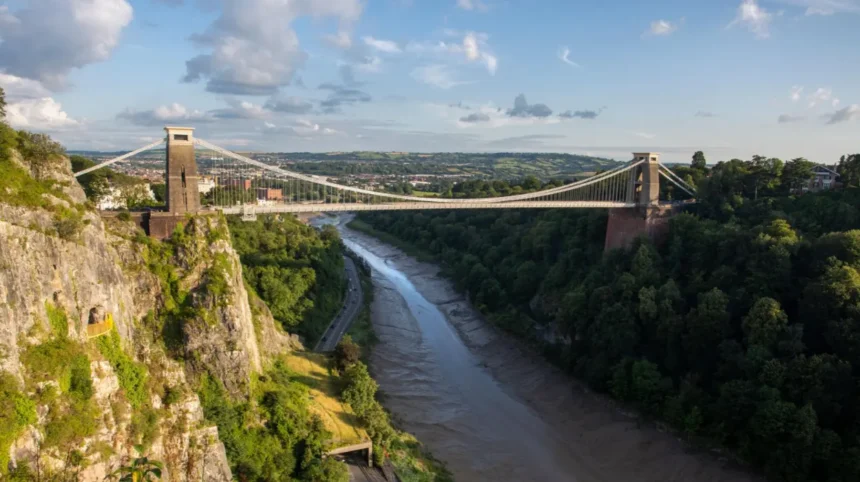
The Avon Gorge is one of Bristol’s most recognisable natural landscapes. It contains steep limestone cliffs, woodland slopes and viewpoints overlooking the River Avon.
Walkers can explore the area through Clifton Down, the paths surrounding the Clifton Suspension Bridge and woodland routes in Leigh Woods.
The combination of elevated viewpoints and woodland makes this area particularly suitable for extended circular walks. However, steep gradients and uneven surfaces require appropriate footwear and preparation.
The Clifton Suspension Bridge provides an important landmark along these routes. Designed by engineer Isambard Kingdom Brunel, the bridge opened in 1864 and connects Clifton with Leigh Woods.
Cotswold Way Connections
The Cotswold Way is a long-distance National Trail extending approximately 102 miles (164 kilometres) between Chipping Campden and Bath.
Although the complete trail does not run through Bristol city centre, Bath provides a significant regional connection for walkers travelling from Bristol.
The trail passes through the Cotswolds National Landscape, featuring limestone villages, historic landmarks, woodland and elevated countryside viewpoints.
Walkers based in Bristol can reach sections of the route through regional public transport connections. It provides an option for people seeking longer countryside adventures beyond the city’s immediate boundaries.
Where Can You Find Scenic Long Walks Through Bristol’s Parks and Estates?
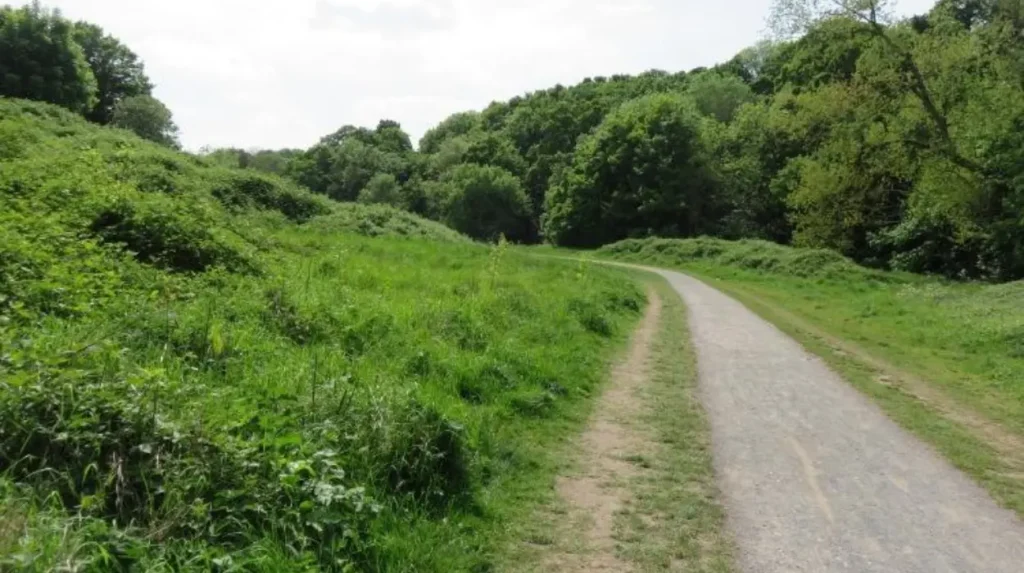
Bristol’s parks and historic estates provide extended walking opportunities through woodland, grassland, gardens and open countryside. Ashton Court, Blaise Castle, Leigh Woods and The Downs offer established paths, historic landmarks and scenic viewpoints within convenient reach of residential areas.
These locations are particularly useful for walkers who prefer circular routes instead of long linear journeys. Their networks of paths allow visitors to adjust walking distances according to fitness, weather and available time.
Ashton Court Estate
Ashton Court Estate is a major historic country park on the western edge of Bristol. The estate covers approximately 850 acres of woodland and grassland.
Its extensive landscape includes mature trees, open fields, woodland tracks and historic parkland. The estate provides a countryside walking experience close to Bristol’s urban neighbourhoods.
Walkers can explore different sections of the estate and combine woodland paths with open grassland routes. Elevated areas provide views towards Bristol and the surrounding countryside.
Ashton Court also contains the historic Ashton Court Mansion, which reflects the estate’s long association with wealthy landowners and the development of landscaped parkland.
The estate is suitable for longer recreational walks, nature observation and organised outdoor activities. Its different surfaces require suitable footwear, particularly after rainfall.
Blaise Castle Estate
Blaise Castle Estate is a 650-acre historic estate in north-west Bristol. It holds Grade II* registered parkland status and includes woodland, grassland, a museum and historic buildings.
Bristol City Council provides several mapped walking routes across the estate. These include the Rhododendron Walk, which covers approximately three miles and takes around one hour and 45 minutes.
Other official routes include the Castle Walk, Gorge Walk and Kings Weston Down Walk. The routes explore woodland, grassland, historic features and viewpoints.
The Rhododendron Walk is particularly relevant to people looking for a longer estate walk. Its varied terrain includes surfaced paths, woodland trails and steep inclines.
Blaise Castle Estate remains free to enter, although individual facilities have separate opening arrangements.
Leigh Woods
Leigh Woods is a woodland area on the western side of the Avon Gorge. It is managed in part by the National Trust and includes ancient woodland, veteran trees, grassland and historic archaeological features.
The National Trust’s Leigh Woods Woodland Wander is a circular route of approximately one mile. Although this particular trail is short, the wider woodland footpath network allows walkers to extend their outings.
The woodland contains oak, ash and small-leaved lime trees. Seasonal vegetation includes bluebells and wood anemones in spring, while autumn brings changing foliage and fungi.
The area also contains Stokeleigh Camp, an Iron Age hillfort positioned above the Avon Gorge. This archaeological site provides an additional historical dimension to woodland walks.
Leigh Woods offers views of the Clifton Suspension Bridge and surrounding river landscape. Its combination of natural and historical features makes it an important destination for walkers exploring western Bristol.
The Downs
The Downs consists of Clifton Down and Durdham Down, two extensive open green spaces north of Bristol city centre.
The landscape provides open grassland, mature trees, sports facilities and views towards the Avon Gorge. Its relatively open paths make it suitable for extended walks and walking circuits.
Bristol City Council provides several official trails:
- Bird Trail: 1.4 miles, approximately one hour.
- Tree Trail: 1.4 miles, approximately one hour.
- Meadow Trail: 0.7 miles, approximately 30 minutes.
- Lichen Trail: 0.4 miles, approximately 30 minutes.
Walkers can combine these trails with surrounding footpaths to create longer outings. The Downs also contains Clifton Down Camp, an Iron Age hillfort, and Clifton Observatory, which overlooks the Avon Gorge.
The area is open throughout the year without an admission charge. Special events sometimes result in temporary access restrictions.
Which Riverside and Canal Walks Offer Longer Routes in Bristol?
Bristol’s riverside and canal-side walking routes provide opportunities to explore the city’s historic waterways, industrial heritage and natural habitats. The River Avon, Floating Harbour and nearby regional paths connect urban landmarks with quieter waterside environments and countryside.
Waterways have played an important role in Bristol’s commercial development. The city’s historic port supported international trade, shipbuilding and industrial activity. Today, many former industrial and harbour areas function as recreational spaces.
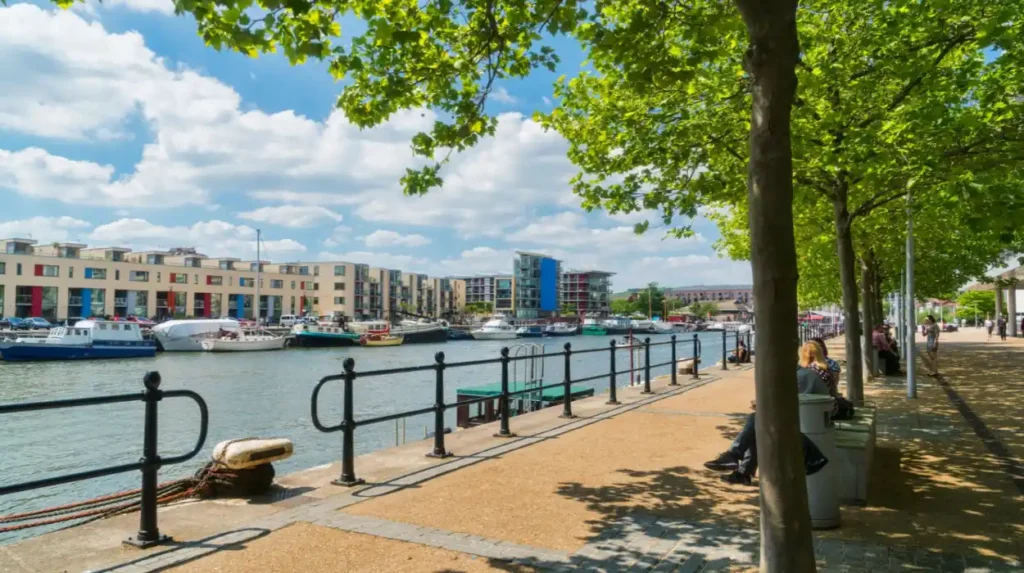
Bristol Harbourside and Floating Harbour
Bristol Harbourside provides an accessible starting point for long urban walks.
The Floating Harbour is a protected harbour area created through historic engineering works to manage tidal conditions. It forms one of the city’s most recognisable waterfront environments.
Walking routes around the harbour connect several important landmarks, including:
- M Shed, a museum documenting Bristol’s history.
- SS Great Britain, the historic steamship designed by Isambard Kingdom Brunel.
- Queen Square, an important Georgian public square.
- Wapping Wharf, a modern waterfront food and leisure destination.
- Bristol Cathedral and College Green.
These locations can form part of an extended circular walk through central Bristol.
The harbour route combines pedestrian promenades, historic buildings, bridges and public spaces. It also provides opportunities to observe boats, waterfront architecture and the city’s changing commercial landscape.
Walkers can extend their journey towards Hotwells and the Avon Gorge for additional river scenery.
River Avon Walking Routes
The River Avon provides one of the most important geographical features for walking in Bristol.
The river passes through the Avon Gorge before reaching the harbour and continuing eastwards. Its banks and connected footpaths create opportunities for riverside exploration.
The regional River Avon Trail covers approximately 25 miles (40 kilometres), according to the Long Distance Walkers Association. It connects the wider Bristol area with landscapes along the river.
The route includes changing environments, from urban waterfront areas to rural riverbanks and countryside paths. Walkers should consult current route information before setting out because river conditions, seasonal flooding and maintenance work affect some sections.
Kennet and Avon Canal Connections
The Kennet and Avon Canal provides a wider regional walking opportunity.
The canal connects Bristol with Reading through a historic waterway network extending approximately 87 miles (140 kilometres). Its towpaths provide walking opportunities through towns, villages and rural landscapes.
The canal is particularly relevant to walkers interested in long-distance waterside journeys. Sections around Bath provide a convenient connection from Bristol through the regional transport network.
The route features historic locks, bridges, canal-side vegetation and waterside settlements. Walkers can select individual sections or combine several stretches into a longer journey.
What Historical Landmarks Can You Discover on Long Walks in Bristol?
Long walks in Bristol reveal the city’s maritime, industrial, architectural and archaeological history. Historic harbour buildings, Georgian streets, Brunel’s engineering landmarks, Iron Age hillforts and former railway corridors demonstrate how the city’s landscape developed over centuries.
Bristol’s historic environment is closely connected with its geography. The River Avon supported maritime trade, while elevated land and woodland areas contained settlements and defensive sites.
Long walking routes provide opportunities to understand these connections through direct exploration.
Clifton Suspension Bridge
The Clifton Suspension Bridge is one of Bristol’s most recognisable engineering landmarks.
Designed by Isambard Kingdom Brunel, the bridge crosses the Avon Gorge and connects Clifton with Leigh Woods. It opened in 1864, five years after Brunel’s death.
The bridge forms an important feature of walking routes through Clifton, the Downs and Leigh Woods. Its elevated position provides views of the gorge, river and surrounding woodland.
Visitors can explore the surrounding viewpoints and connect the bridge with nearby footpaths.
Cabot Tower and Brandon Hill
Brandon Hill is one of Bristol’s oldest public parks. It provides elevated walking routes close to the city centre.
The park contains Cabot Tower, which commemorates John Cabot’s 1497 voyage from Bristol across the Atlantic.
The tower was completed in 1897 to mark the 400th anniversary of that expedition. Its elevated position provides panoramic views across Bristol.
Walkers can include Brandon Hill in longer city-centre circuits connecting College Green, Park Street and the Harbourside.
Historic Railway Infrastructure
The Bristol and Bath Railway Path demonstrates how former transport infrastructure can become a recreational walking corridor.
The route follows a former railway line that connected the two cities. Its conversion into a shared path preserves part of Bristol’s transport heritage while supporting modern active travel.
This type of infrastructure provides a relatively continuous walking environment away from many busy roads.
Iron Age Archaeological Sites
Bristol’s surrounding green spaces also contain archaeological evidence of earlier settlement.
Clifton Down Camp and Stokeleigh Camp are examples of Iron Age hillforts located around the Avon Gorge landscape.
These sites demonstrate the historical importance of elevated ground for settlement, defence and control of surrounding territory.
Walkers visiting The Downs and Leigh Woods can explore the landscapes associated with these historic features.
Which Long Walks in Bristol Are Best for Nature and Wildlife?
Bristol’s woodland, riverside and grassland walking routes support diverse wildlife, including birds, insects, native plants and woodland species. Leigh Woods, Frome Valley, Blaise Castle and The Downs provide opportunities to observe seasonal changes and explore important local habitats.
Nature observation is an important part of walking in Bristol. Different landscapes support different habitats, allowing visitors to experience wildlife without leaving the metropolitan area.
Woodland Wildlife in Leigh Woods
Leigh Woods contains broadleaf woodland, veteran trees and areas of limestone grassland. These habitats support a range of plants, insects and birds.
Spring is particularly important for woodland flowers, including bluebells and wood anemones. Autumn brings changing leaf colours and seasonal fungi.
The Avon Gorge also supports specialist plant communities associated with limestone geology. Native species include Bristol whitebeam and Bristol rock-cress.
Walkers should remain on designated paths to protect sensitive vegetation and wildlife habitats.
River Habitats in the Frome Valley
The Frome Valley provides a different natural environment. Its riverbanks, meadows and wooded sections support wildlife associated with freshwater and wetland habitats.
Birdwatchers can look for kingfishers, water birds and other species around suitable river habitats. Seasonal conditions influence wildlife activity and visibility.
The walking route also provides opportunities to observe riverside vegetation and changing water conditions.
Grassland and Wildlife on The Downs
The Downs contains open grassland, trees and areas managed for public recreation.
Its habitats support insects, birds and flowering plants. The area’s open landscape provides opportunities for observing wildlife and understanding how urban green spaces contribute to biodiversity.
The Downs also includes dedicated bird and meadow trails, which help visitors explore different environmental features.
Why Are Green Corridors Important?
Green corridors connect habitats across urban landscapes. They allow wildlife to move between parks, gardens, woodland and river environments.
Bristol’s walking network intersects with several green corridors, including the River Frome, Avon Gorge and woodland areas around the city’s western and northern boundaries.
These connections support urban biodiversity while providing recreational routes for residents.
How Can You Plan a Long Walk in Bristol?
Planning a long walk in Bristol involves selecting a suitable distance, checking route conditions, identifying transport connections and preparing essential equipment. Walkers should review maps, weather forecasts, daylight hours and available facilities before beginning an extended journey.
A successful long walk requires preparation, particularly when the route covers several miles or connects different neighbourhoods.
Choose a Suitable Walking Distance
Walking distance should reflect fitness, experience and available time.
The following categories provide a practical starting point:
- Moderate walks: 5–8 miles, such as an extended Clifton and Downs circuit.
- Long walks: 9–15 miles, such as a combination of Bristol’s urban and countryside paths.
- Full-day walks: 16–20 miles, such as the Bristol and Bath Railway Path or Bristol Triangular City Walk.
These are planning categories rather than official difficulty classifications. Actual walking times depend on terrain, weather, stops and individual pace.
A walker completing 18 miles on mixed terrain requires more preparation than someone following a level railway path.
Check Route Maps and Navigation
Reliable navigation reduces the risk of taking incorrect paths or entering restricted areas.
Useful resources include:
- Bristol City Council’s official park and walking route information.
- Bristol Ramblers’ route guides and GPX files.
- Ordnance Survey Explorer mapping.
- National Trust walking guides.
- Long Distance Walkers Association route descriptions.
Digital maps provide useful navigation support, but walkers should carry a charged phone and consider an offline map for longer countryside journeys.
Check Weather and Daylight
Weather conditions influence walking safety and comfort.
Rain makes woodland paths and grassland slippery. Strong winds affect exposed areas around the Downs and Avon Gorge. Hot weather increases the importance of drinking water and taking breaks.
Walkers should check the forecast before leaving and adjust the route according to conditions.
Daylight hours also affect longer journeys. Winter walks require earlier starts because darkness arrives sooner.
Prepare Appropriate Walking Equipment
Suitable equipment improves comfort and reduces avoidable problems during longer journeys.
Essential items include:
- Comfortable walking shoes or hiking boots.
- Weather-appropriate clothing.
- Drinking water and food.
- A charged mobile phone.
- A paper or offline route map.
- A small first-aid kit.
- Sun protection during warmer weather.
Footwear should match the terrain. Firm walking shoes suit surfaced railway paths, while supportive hiking footwear is more appropriate for muddy woodland routes and steep inclines.
Plan Food, Water and Rest Stops
Long walks require regular hydration and sufficient energy.
Walkers should identify cafés, shops, toilets and suitable resting places before starting. Urban routes usually provide more facilities than countryside footpaths.
The Bristol Triangular City Walk has access to refreshments and public toilets at various points along its route. However, facility availability depends on location and opening times.
Carrying water and snacks provides additional flexibility, particularly on routes passing through rural sections.
How Can You Reach Bristol’s Long Walking Routes by Public Transport?
Bristol’s walking routes connect with local buses, railway stations and central transport hubs. Public transport allows walkers to reach starting points, complete linear journeys and return from different destinations without relying entirely on private vehicles.
Transport planning is particularly important for long-distance routes. A circular walk returns to its starting point, whereas a linear walk finishes somewhere different.
Reaching Clifton and The Downs
Clifton and The Downs are accessible through Bristol’s local bus network and surrounding residential streets.
Walkers can reach the Clifton Suspension Bridge area and continue towards Clifton Down or Durdham Down.
Bristol Temple Meads railway station provides a major regional connection for visitors arriving by train. From there, local bus services and other city transport options connect with western Bristol.
Reaching Blaise Castle Estate
Blaise Castle Estate is located in north-west Bristol on Kings Weston Road.
Bristol City Council identifies several bus services serving the surrounding area, including routes 1, 3, 4, 76 and MC5. Visitors should check current timetables before travelling.
The estate also has parking facilities, although car park closing times vary throughout the year.
Reaching Ashton Court and Leigh Woods
Ashton Court and Leigh Woods are located west of central Bristol.
Walkers can access these areas through local transport connections and designated entrances. The Clifton Suspension Bridge also provides a connection between Clifton and Leigh Woods.
For longer routes, arranging transport at both ends prevents unnecessary return journeys.
Using Trains for Regional Walking
Bristol’s railway connections make regional walking practical.
Bristol Temple Meads provides access to destinations including Bath and other towns across the South West. Railway connections are useful for people exploring the Bristol and Bath Railway Path or regional sections of the Cotswold Way.
Walkers should check train schedules, engineering work and return services before setting out.
Are Bristol’s Long Walking Routes Suitable for Beginners and Families?
Bristol offers long walking routes for different fitness levels, including relatively flat railway paths, accessible parkland and more demanding woodland trails. Beginners and families should select routes according to distance, surface conditions, elevation changes and available facilities.
Not every long walk requires advanced hiking experience. Several routes around Bristol provide manageable terrain and opportunities to shorten the journey.
Easier Routes for Less Experienced Walkers
The Bristol and Bath Railway Path is a useful option because its former railway alignment creates a relatively level walking surface.
The Downs also provides open walking areas with opportunities to create shorter or longer circuits.
Blaise Castle Estate has surfaced paths alongside woodland trails. Visitors can select routes according to their physical ability and experience.
Walking with Children
Families can explore Bristol’s parks and woodland areas through shorter sections of established routes.
Blaise Castle Estate contains a children’s play area, museum and historic buildings. Ashton Court provides open grassland and woodland surroundings, while The Downs includes a children’s playground near Sion Hill.
Families planning longer outings should include rest stops, suitable refreshments and toilet facilities.
Accessible Walking Considerations
Accessibility varies considerably between Bristol’s walking locations.
The Bristol and Bath Railway Path provides access for disabled users along its off-road route. However, surface conditions, crossing points and individual access arrangements still require consideration.
Woodland paths around Leigh Woods and Blaise Castle include uneven surfaces, slopes and muddy sections. These routes are not equally suitable for wheelchairs or mobility equipment.
Walkers should consult individual route accessibility information before travelling.
When Is the Best Time to Enjoy Long Walks in Bristol?
Spring and summer provide longer daylight hours and opportunities to explore Bristol’s woodland, parks and riverside paths. Autumn offers changing woodland colours, while winter walking remains possible with appropriate clothing, route selection and attention to weather conditions.
Each season changes the experience of walking in Bristol.
Spring Walking
Spring brings new vegetation, flowering woodland plants and increasing wildlife activity.
Leigh Woods is particularly attractive during this period because bluebells and wood anemones appear across parts of the woodland.
The Frome Valley also offers opportunities to observe seasonal changes along its riverbanks and meadows.
Summer Walking
Summer provides longer daylight hours and generally more opportunities for extended outdoor activities.
The Downs and Ashton Court are suitable for longer daytime walks because of their open landscapes.
Walkers should carry sufficient drinking water and avoid unnecessary exposure during the hottest part of the day.
Autumn Walking
Autumn changes the appearance of Bristol’s woodland areas.
Leigh Woods and Blaise Castle provide opportunities to observe changing leaf colours and seasonal fungi.
Cooler temperatures also create suitable conditions for extended walking, although wet leaves and muddy paths require additional care.
Winter Walking
Winter walking provides quieter conditions across many green spaces.
The Bristol and Bath Railway Path offers a practical option because of its relatively level surface. However, exposed sections can become uncomfortable during strong winds and heavy rain.
Walkers should wear appropriate footwear, check weather forecasts and plan journeys around shorter daylight hours.
How Do Long Walks Support Bristol’s Environment and Local Economy?
Long walks support Bristol’s environmental and economic development by encouraging active travel, outdoor recreation and visits to local attractions. Walking routes also increase public engagement with green spaces, heritage sites, wildlife habitats and independent businesses.
Walking infrastructure provides benefits beyond recreation. It connects communities with public spaces and supports more sustainable ways of travelling.
Environmental Benefits
Walking reduces dependence on motor vehicles for suitable local journeys.
Off-road routes such as the Bristol and Bath Railway Path provide alternatives to road-based travel. They also create green corridors that support wildlife and vegetation.
Well-maintained walking paths encourage people to spend time outdoors while increasing awareness of local environmental conservation.
Economic Benefits
Walking routes attract visitors to neighbourhood businesses, cafés, attractions and hospitality venues.
People exploring the Harbourside, Clifton, Blaise Castle and Ashton Court often visit nearby establishments during their journeys.
Long-distance walking also supports tourism because visitors spend time exploring different parts of the city rather than remaining around a single attraction.
Public Health and Community Benefits
Bristol’s green spaces provide important opportunities for physical activity and social participation.
The Bristol City Council 2024/25 health and wellbeing assessment identifies green spaces as important assets for physical and mental wellbeing.
The assessment also estimates annual welfare values of £74 million from visits to green spaces. This figure demonstrates the wider economic value associated with access to nature. Promoting Healthy Urban Environments
Walking groups further support community participation by creating opportunities for people to explore local environments together.
Explore More Area Guide
Short Walks in Bristol: Best Scenic Routes, Parks and Trails
Best Walks in Bristol: Scenic Trails, Parks and Riverside Routes
Which Organisations Provide Walking Information and Guided Walks in Bristol?
Bristol has several organisations that support walking through route information, outdoor events, conservation work and organised group activities. Bristol Ramblers, Bristol City Council, Visit Bristol and the National Trust provide useful resources for planning walks across the city.
Reliable information helps walkers understand route distances, terrain, facilities and access conditions.
Bristol Ramblers
Bristol Ramblers is a local walking organisation that arranges group walks and provides information about established walking routes.
Its Bristol Triangular City Walk is particularly important for people interested in long-distance urban walking.
The organisation also provides information about walking activities and routes across Bristol and surrounding areas.
Bristol City Council
Bristol City Council manages numerous public parks, estates and open spaces.
Its website provides information about:
- Official walking trails in public parks.
- Estate facilities and opening arrangements.
- Woodland and grassland environments.
- Access information and parking.
- Historic features and recreational facilities.
These resources are particularly useful when planning walks through Blaise Castle, The Downs and other council-managed green spaces.
Visit Bristol
Visit Bristol provides visitor information about walking opportunities, attractions and outdoor activities.
Its walking guide highlights destinations such as Leigh Woods, Ashton Court, Blaise Castle, Oldbury Court, Snuff Mills and Stoke Park.
The organisation also identifies local walking communities and regional walking resources. visitbristol.co.uk
National Trust
The National Trust provides walking information for Leigh Woods.
Its route guides include descriptions of woodland paths, historic features, natural habitats and viewpoints.
These resources help visitors understand the landscape before exploring the Avon Gorge area.
What Is the Future of Long-Distance Walking in Bristol?
Long-distance walking in Bristol has strong future potential because of the city’s established green infrastructure, regional walking connections and growing interest in active travel. Continued investment in path maintenance, accessibility, biodiversity and transport connections will support sustainable outdoor recreation.
Bristol’s walking network already connects residential neighbourhoods with important green spaces and regional destinations.
The Bristol Walking and Cycling Index 2025, produced by Walk Wheel Cycle Trust in collaboration with Bristol City Council, provides an updated assessment of walking, wheeling and cycling across the city. It follows earlier editions published in 2015, 2017, 2019, 2021 and 2023. Walk Wheel Cycle Trust
Several developments remain important for the future of walking infrastructure.
Improving Walking Connections
Better connections between neighbourhoods, parks and public transport stations make longer journeys easier to organise.
Continuous footpaths and safe road crossings also help people access green spaces without depending on private vehicles.
Protecting Natural Habitats
Walking routes pass through sensitive woodland, grassland and riverside environments.
Responsible path management helps reduce erosion, protect native vegetation and maintain wildlife habitats.
Walkers also contribute by following designated paths, disposing of litter responsibly and respecting wildlife.
Expanding Accessible Outdoor Recreation
Accessible walking infrastructure helps more people participate in outdoor activities.
Improvements to path surfaces, signage, resting areas and public facilities can make green spaces easier to navigate.
The continued development of walking connections also supports Bristol’s wider active travel objectives.
Long walks in Bristol provide opportunities to explore historic landmarks, woodland, riverside landscapes, open parkland and surrounding countryside. The Bristol Triangular City Walk, Bristol and Bath Railway Path and Frome Valley Walkway offer established long-distance options, while Ashton Court, Blaise Castle, Leigh Woods and The Downs provide scenic alternatives.
The city’s combination of natural environments and historic attractions makes it suitable for recreational walking, fitness activities, wildlife observation and heritage exploration.
Whether someone prefers an extended urban circuit, a peaceful woodland trail or a countryside journey, Bristol provides a varied walking network. Proper route planning, suitable equipment and awareness of seasonal conditions help make these journeys safer and more enjoyable.
What are the best long walks in Bristol?
The best long walks in Bristol include the Bristol Triangular City Walk, Bristol and Bath Railway Path, Frome Valley Walkway and routes through Ashton Court Estate. These walks offer a combination of countryside scenery, riverside paths, woodland and historic landmarks.