Key Points
- There have been suspicions of avian botulism in Bristol Harbour after many reports of ill and dead birds have surfaced recently.
- Bristol City Council and the Harbour Authority have issued advisory notices advising the public against the feeding of any birds in the vicinity of the Floating Harbour.
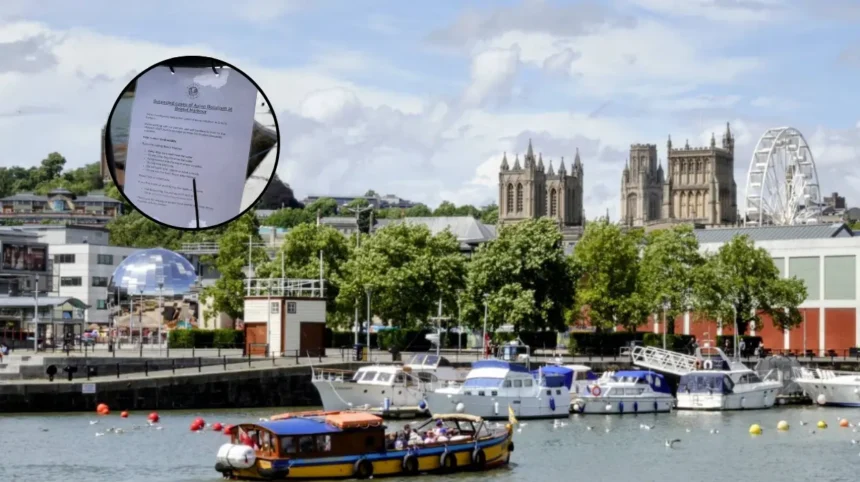
- According to Harbour Master David Lockwood, searches are ongoing to identify affected birds and to isolate them as warning posters are also being put up in the vicinity.
- Definitive tests from DEFRA’s laboratory are still to be done to confirm the presence of avian botulism.
- This has come after reports of suspected cases of botulism from St George Park and from neighboring towns such as Bath and Bradford-on-Avon.
- It should be noted that while people should be vigilant, there is no need for a public panic at this time.
Bristol (Bristol Express News) August 31, 2026 — Public health and harbour authorities in Bristol have introduced immediate precautionary measures following suspected outbreaks of avian botulism around the Floating Harbour, where local residents have reported multiple sightings of dead and distressed waterfowl over recent months.
- Key Points
- What Actions Are Harbour Authorities Taking To Contain The Suspected Outbreak?
- Is There A Confirmed Avian Botulism Outbreak In Bristol Harbour?
- How Does The Harbourside Situation Relate To Other Nearby Regional Reports?
- Background Of The Particular Development
- Prediction: How This Development Can Affect Local Residents, Pet Owners, And Visitors
What Actions Are Harbour Authorities Taking To Contain The Suspected Outbreak?
In a formal statement provided to local news publication Bristol24/7, Harbour Master David Lockwood confirmed that frontline teams have initiated targeted searches along the waterfront to locate affected wildlife and mitigate potential environmental exposure.
As reported by Bristol24/7, Harbour Master David Lockwood stated:
“Possible cases of avian botulism have been reported around the harbourside. Officers have begun to immediately search for dead and sick animals and posters have been put up around the harbour to provide a warning and advice to people in the area.”
The Harbour Authority has placed advisory notices across the docks instructing members of the public to refrain from feeding wild birds. Unabsorbed food left near stagnant or warm water can accelerate bacterial growth and aggregate bird populations, heightening cross-contamination risks among local species.
Is There A Confirmed Avian Botulism Outbreak In Bristol Harbour?
At present, official testing remains ongoing to verify the presence of the paralytic toxin in the harbor ecosystem.
As reported by Bristol24/7, Harbour Master David Lockwood stated:
“At present there is no confirmed outbreak within Bristol Harbour. The incident remains a suspected case pending testing being undertaken by the Department for Environment, Food & Rural Affairs (DEFRA).”
Lockwood emphasized that the council’s response remains proactive, ensuring safety measures are executed swiftly while official laboratory confirmations from national environmental scientists are pending.
How Does The Harbourside Situation Relate To Other Nearby Regional Reports?
The potential outbreak around the Floating Harbour follows similar wildlife health reports observed across the wider South West region. St George Park in eastern Bristol, alongside municipal waterways in Bath and Bradford-on-Avon, has also documented instances of sick and deceased birds under comparable circumstances.
As reported by Bristol24/7, Harbour Master David Lockwood stated:
“These latest reports follow other cases reported in St George Park, Bath and Bradford-on-Avon. Whilst these reported cases are a cause for us to be alert to potentially infected birds, it is not a cause for any alarm.”
He further added:
“By following some simple advice and our work with partners to identify and where possible, isolate any affected animals, we feel confident any possible outbreak can be contained.”
Background Of The Particular Development
Avian botulism is a paralytic disease caused by the ingestion of neurotoxins produced by the bacterium Clostridium botulinum. Naturally present in aquatic sediments, the bacteria proliferate during periods of low oxygen levels, warm water temperatures, and decaying organic matter. Birds that consume contaminated vegetation, invertebrates, or toxic water lose motor control, often showing symptoms such as inability to fly, neck paralysis (“limberneck”), and drowning.
Urban waterways and recreational parks with high populations of waterfowl are particularly susceptible to localized clusters during late summer and autumn. Local councils routinely monitor water bodies, remove carcasses to break transmission cycles, and request public assistance by discouraging wild bird feeding.
Prediction: How This Development Can Affect Local Residents, Pet Owners, And Visitors
The ongoing monitoring and precautionary safety guidance around the Floating Harbour are expected to impact several specific public groups in the Bristol area:
- Local Visitors and Families: Members of the public visiting the harbourside will notice safety posters and operational monitoring teams. Temporary restrictions on feeding birds will alter typical recreational habits around popular public docks.
- Pet Owners and Dog Walkers: Animal owners exercising pets near the waterfront will need to maintain strict supervision, keeping dogs on leads to prevent direct contact with shoreline debris, distressed birds, or potentially contaminated water.
- Local Businesses and Tourism: Harbourside cafes, outdoor venues, and tour operators may experience minor operational adjustments as public health awareness increases, though municipal authorities emphasize that everyday commercial activity around the harbour remains safe and unaffected.