Work-life balance in Bristol is shaped by the city’s jobs, travel patterns, housing costs, green spaces, and public services. Bristol combines hybrid working, active commuting, and access to parks, but residents also face pressure from housing costs, traffic, and inequality.
- What does work-life balance in Bristol mean?
- Why is Bristol important for work-life balance?
- How does commuting affect daily balance?
- What role does hybrid working play?
- Which local factors shape wellbeing?
- How do health and leisure support balance?
- How does inequality change the picture?
- What does the evidence say about Bristol?
- What does the future look like?
- Why does Bristol rank well for lifestyle?
What does work-life balance in Bristol mean?
Work-life balance in Bristol means how residents manage paid work, commuting, family life, rest, and leisure within the city’s daily realities. It depends on job flexibility, travel time, housing affordability, health, and access to places that support recovery outside work.
In practical terms, the concept is broader than job satisfaction. It includes the time and energy left after work for exercise, childcare, social life, sleep, and errands. In Bristol, that balance is affected by where people live, where they work, and how they travel across the city. Bristol City Council uses its annual Quality of Life survey to track lived experience across health, transport, housing, community, and local services.
The city’s work-life balance story is also tied to commuting patterns. Travelwest’s Bristol Travel to Work Survey shows hybrid working remains common, with 2025 respondents spending a mean of 3.1 days a week at a workplace and 1.5 days at home. That pattern directly shapes how much personal time workers retain during the week.
Why is Bristol important for work-life balance?
Bristol matters for work-life balance because it is a large, economically active city with strong commuting networks, a high share of active travel, and a public culture that values quality of life. The same city also shows pressure points in transport, housing, and safety that influence daily wellbeing.
Bristol’s Quality of Life survey has run in different forms since 2001 and provides an annual snapshot of resident experience. The 2024/25 report says the survey covers health, lifestyles, community, local services, and living in Bristol, making it a useful source for understanding how the city supports or strains daily life.
The survey also shows that 36% of Bristol residents walk or cycle to work, which is a strong indicator of a city where the commute can be part of a healthy routine rather than a drain on time. At the same time, 83% of residents said traffic congestion is a local problem in 2024/25, showing that travel remains a key factor in work-life balance.
How does commuting affect daily balance?
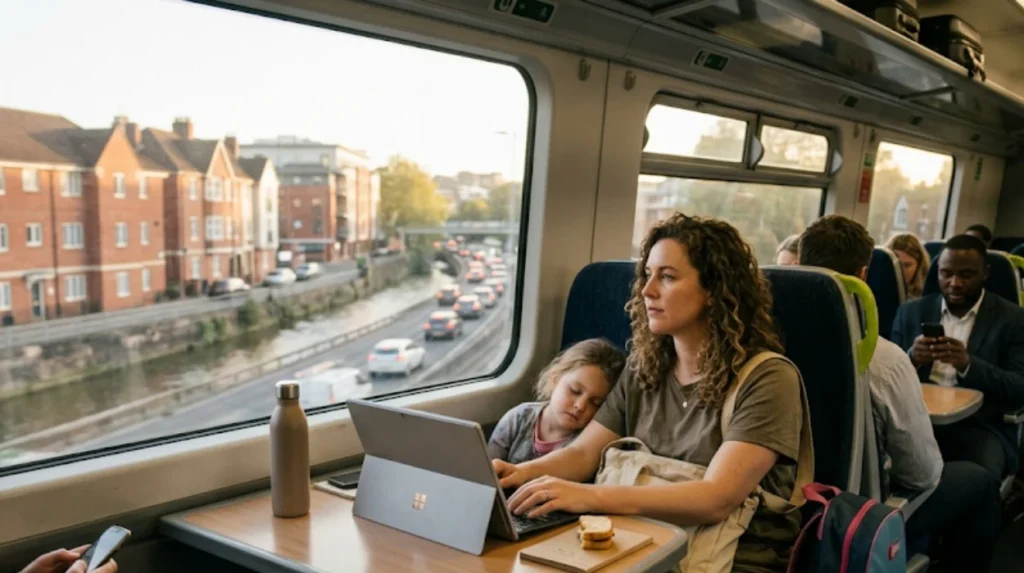
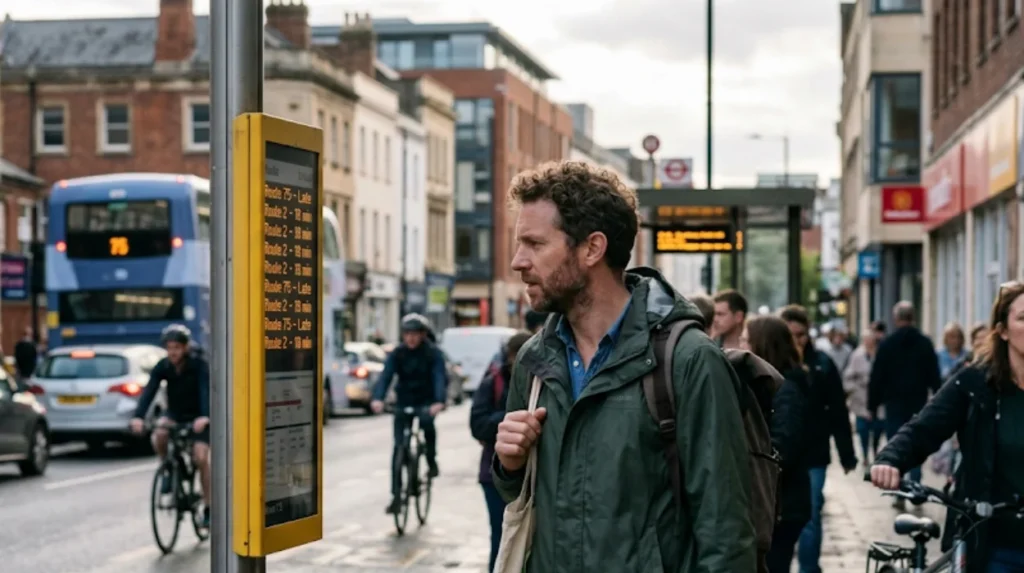
Commuting affects work-life balance in Bristol because travel time decides how much of the day remains for home life, exercise, and rest. Bristol has strong active travel use, but congestion, bus performance, and journey length still shape the quality of everyday routines.
The Bristol Travel to Work Survey reports a mean one-way commute of 39 minutes in 2025, down from 40 minutes in 2024. It also shows that 32% of respondents commute by active travel, including 17% walking and 15% cycling, while 25% use public transport and 36% use a personal motor vehicle. Those figures matter because shorter and less stressful commutes leave more usable time outside work.
Journey satisfaction also tracks with travel mode. The same survey says people who walk, cycle, or scoot to work report higher journey satisfaction than those using public transport or road transport. That means the commute itself can either support or reduce work-life balance, even when total travel time looks similar.
Bristol City Council’s Quality of Life survey adds another layer. It reports that 36% of residents walk or cycle to work and that 42% are satisfied with the local bus service in 2024/25. These results show progress in active travel, but they also show that public transport remains central to the daily experience of many workers.
What role does hybrid working play?
Hybrid working is a major feature of work-life balance in Bristol because it reduces the number of commute days and increases control over the working week. Bristol’s travel survey shows hybrid patterns are normal, with most respondents splitting time between workplace and home.
In 2025, 70% of respondents spent the majority of their working hours at a workplace, while 28% spent the majority at home. The survey also found that 63% work from home at least one day a week, and 26% work from home three or more days a week. That distribution shows that flexible work remains embedded rather than exceptional.
Hybrid working matters because it changes the structure of the week. A worker who avoids commuting several days each week gains more time for exercise, meals at home, school runs, caring duties, and recovery between shifts. It also gives workers more control over noise, concentration, and daily scheduling. Bristol’s figures show that this model is not a fringe benefit; it is part of the city’s normal work pattern.
Which local factors shape wellbeing?
Local factors shape work-life balance in Bristol because wellbeing depends on transport, housing, safety, green space, and financial pressure, not just on hours worked. Bristol’s official survey shows strengths in parks, internet access, and active travel, but also weaknesses in housing satisfaction, crime fear, and cost stress.
The 2024/25 Quality of Life survey says 70% of residents are satisfied with parks and green spaces, and 53% visit parks or green spaces at least once a week. Those numbers matter because access to outdoor space supports recovery after work and gives residents low-cost leisure options close to home.
Housing is another major factor. The same report says 80% are satisfied overall with their current accommodation, but only 42% are satisfied with the cost of their rent or mortgage. That gap shows why work-life balance is not only about jobs; it also depends on whether people can afford stable housing without financial strain.
Safety and stress also influence balance. In 2024/25, 24% of residents said fear of crime affects their day-to-day lives, up from 21% in the previous year. In the most deprived areas, that figure reached 41%, showing that work-life balance is unevenly distributed across the city.
How do health and leisure support balance?
Health and leisure support work-life balance in Bristol by giving residents ways to recover, stay active, and maintain routine outside work. Bristol’s survey shows moderate exercise, sport participation, and park use remain central parts of city life, while some health pressures remain persistent.
The Quality of Life survey reports that 67% of residents do enough regular exercise each week and 55% play sport at least once a week in 2024/25. Those are important markers because regular activity improves daily energy, reduces stress, and creates a clearer boundary between work time and personal time.
The city also has a strong cultural and leisure base, although satisfaction has weakened. In 2024/25, 49% of residents were satisfied with the range and quality of outdoor events, while 39% were satisfied with leisure facilities and services. That means leisure exists in the city, but not every resident experiences it equally or positively.
Health pressures remain part of the picture. The survey records 20% poor mental wellbeing citywide, 8% of households experiencing moderate or severe food insecurity, and 30% of residents worried about keeping their home warm over winter. These numbers show that work-life balance depends on more than scheduling; it also depends on economic and physical security.
How does inequality change the picture?
Inequality changes work-life balance in Bristol because the city does not offer the same daily conditions to every resident. The official survey shows worse outcomes in the most deprived areas for local area satisfaction, exercise, food insecurity, housing satisfaction, and fear of crime.
Bristol’s 2024/25 report is clear that the 10% most deprived areas experience weaker outcomes across many indicators. For example, satisfaction with the local area is 72% citywide but 43% in deprived areas, and satisfaction with current accommodation is 80% citywide but 67% in deprived areas. Those differences change the practical meaning of “balance” from one neighbourhood to another.
Transport inequality also matters. The survey shows 36% of residents walk or cycle to work citywide, but only 22% do so in the most deprived areas. That gap suggests that access to safe, convenient active travel routes remains uneven across Bristol.
Financial pressure deepens the divide. The report says 17% of people in the most deprived areas find it difficult to manage financially, compared with 11% citywide, and 16% in deprived areas experience moderate or severe food insecurity, compared with 8% citywide. A resident facing these pressures has less freedom to shape work, rest, and family time.
Explore More Area Guide
Pet-Friendly Places in Bristol: Complete Guide to Dog-Friendly Parks, Cafes, Pubs, and Hotels
Bristol for Young Professionals: Careers, Living, Networking & Lifestyle Guide 2026
What does the evidence say about Bristol?
The evidence shows Bristol has many conditions that support work-life balance, including hybrid work, active travel, parks, and a strong local identity around quality of life. The same evidence also shows persistent challenges in congestion, housing costs, safety, and inequality that reduce balance for many residents.
The city’s strengths are measurable. Active travel is high, parks are widely used, internet access is high at 97%, and hybrid working is well established. These features reduce friction in daily life and give residents more ways to manage work around home responsibilities.
The city’s weaknesses are also measurable. Traffic congestion is seen as a problem by 83% of residents, 41% are dissatisfied with the cost of their rent or mortgage, and 24% say fear of crime affects day-to-day life. Those figures show that work-life balance in Bristol is not a fixed citywide condition; it is a contested outcome shaped by infrastructure and affordability.
The broader trend is also useful. Bristol’s official survey notes that 24 of 49 headline priority indicators were worse than the previous year in 2024/25. That does not mean work-life balance collapsed, but it does mean the conditions behind it became more difficult in several areas.
What does the future look like?
The future of work-life balance in Bristol depends on whether the city improves transport reliability, housing affordability, safety, and access to local services. Bristol already has strong foundations, but the official data shows that residents want better conditions in the parts of life that shape daily time and stress.
Bristol residents’ own responses point to clear priorities. The 2024/25 Quality of Life report says transport remains the top action area, especially better public transport, improved bus reliability, better routes, road maintenance, and reduced congestion. That shows the future of work-life balance in Bristol depends heavily on travel systems.
Green space and neighbourhood quality also matter for the future. The survey reports that satisfaction with parks and green spaces remains high overall, but lower in deprived areas. Improving those spaces supports recovery, exercise, family time, and low-cost leisure across the city.
Work-life balance in Bristol will also depend on whether flexible work remains normal. The travel survey shows hybrid working is still widespread and commuting time has eased slightly. If employers keep flexibility while the city improves movement, housing, and public realm, Bristol’s work-life balance position remains strong by UK urban standards.
Why does Bristol rank well for lifestyle?
Bristol ranks well for lifestyle because it combines city-scale opportunity with access to green space, cycling, walking, and a culture of independent living. Official data shows residents use parks, walk or cycle to work, and maintain active local routines, even while facing cost and congestion pressures.
Lifestyle quality is not measured by one statistic. In Bristol, it is visible in the mix of travel modes, public parks, community participation, and home internet access. It is also visible in the pressures that residents identify, especially housing costs, traffic, and crime fear. A realistic reading of the evidence shows both sides at once.
For workers, the city’s best balance conditions come from shorter commutes, hybrid schedules, and access to daily essentials close to home. For families, the most valuable conditions are stable housing, good local services, and safe public space. Bristol has many of these ingredients, but the official survey shows the city still needs improvement in the areas that drain time and energy.
Bristol therefore offers a useful model of urban work-life balance: strong in flexibility and movement, but constrained by inequality and affordability. That combination explains why the topic remains relevant for employers, planners, residents, and policymakers.
Is Bristol a good city for work-life balance?
Yes. Bristol is considered one of the UK’s stronger cities for work-life balance thanks to widespread hybrid working, high levels of walking and cycling, extensive green spaces, and a strong cultural scene. However, housing affordability, traffic congestion, and inequality continue to affect residents’ daily wellbeing.